

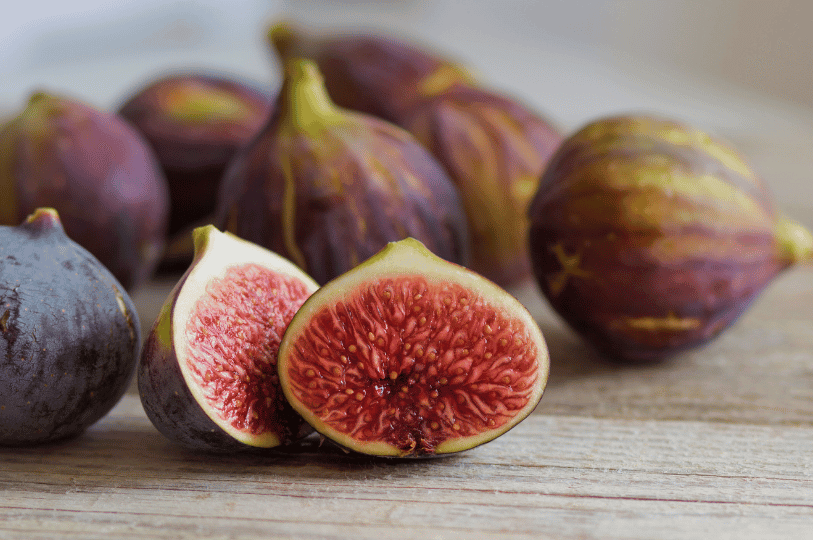
As the heat of summer begins to wane and the air turns crisp, the culinary landscape shifts toward deeper, richer flavors. Among the many treasures of the autumn harvest, few ingredients capture the essence of the season quite like the fig. With their honeyed sweetness and unique texture, figs offer a bridge between the bright produce of summer and the comforting, earthy ingredients of fall.
For many home cooks, figs remain a bit of a mystery. They are often enjoyed raw on a cheese board or consumed as a dried snack, but their potential in the kitchen extends far beyond these simple applications. Whether used fresh at the height of their short season or dried to preserve their flavor for months to come, figs are remarkably versatile. This guide explores the nutritional profile of this ancient fruit, practical tips for selection and storage, and accessible recipes that highlight both fresh and dried varieties.
The Nutritional Bounty of Figs
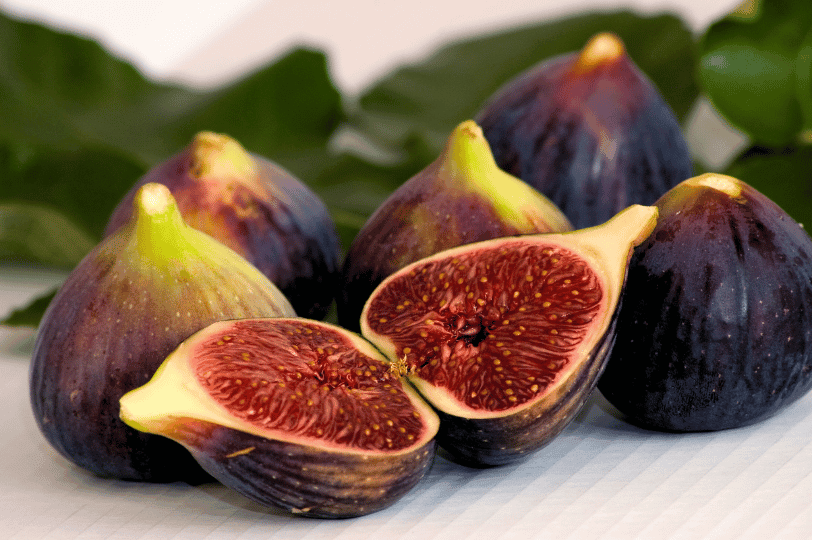
Figs are not only delicious but also boast an impressive nutritional profile. They have been a staple food source for thousands of years, valued for their energy-providing properties and health benefits.
One of the most significant attributes of figs is their high fiber content. Dietary fiber is essential for digestive health, and figs provide a substantial amount in every serving. This makes them an excellent addition to a balanced diet, aiding in digestion and helping to maintain steady blood sugar levels.
Beyond fiber, figs are a rich source of essential minerals. They contain significant amounts of potassium, which is vital for heart health and muscle function. They also provide calcium and magnesium, both of which contribute to strong bones. For those looking to increase their intake of antioxidants, figs are a worthy choice. The darker varieties, in particular, contain polyphenols that help protect the body against oxidative stress.
Selecting and Storing Your Harvest
Understanding how to choose and store figs is the first step to success in the kitchen. Because fresh figs are incredibly delicate, they require careful handling.
Selecting Fresh Figs
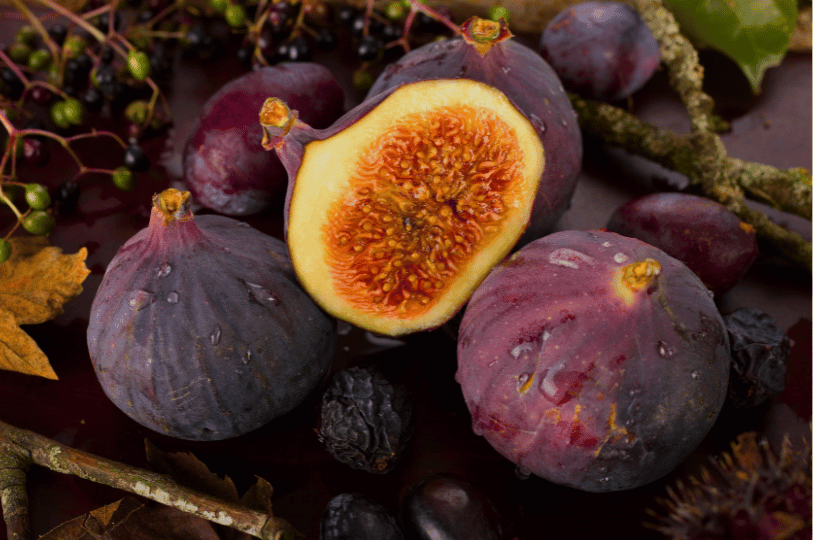
The season for fresh figs is fleeting, typically peaking in early autumn. When shopping at your local market or grocer, look for fruit that is soft to the touch but not mushy. The skin should be smooth and unbroken. A slightly wrinkled skin can indicate that the fruit is at its peak sweetness, but deep cracks or leaking juices are signs of over-ripeness.
Avoid figs that feel hard or firm. Unlike some other fruits, figs do not continue to ripen significantly once picked. Therefore, it is crucial to purchase them when they are ready to eat. The color will vary depending on the variety: Black Mission figs are deep purple, while Calimyrna figs are pale green, but the indicators of texture remain consistent across all types.
Storing Fresh Figs
Due to their high sugar content and thin skins, fresh figs are highly perishable. If you plan to eat them within a day or two, you can keep them at room temperature on a plate lined with paper towels. Arrange them in a single layer to prevent bruising. For longer storage, place them in the refrigerator, where they will keep for up to five days. However, be aware that cold temperatures can slightly dull their flavor, so allow them to come to room temperature before serving.
Selecting and Storing Dried Figs
Dried figs are available year-round and offer a concentrated sweetness that is distinct from the fresh fruit. When purchasing dried figs, look for plumpness. They should be pliable, not rock-hard. If purchasing in bulk, ensure there is no sign of mold or fermentation. Store dried figs in an airtight container in a cool, dark place. For extended storage, they can be kept in the refrigerator or freezer for several months.
Cooking with Fresh Figs: Autumn Recipes
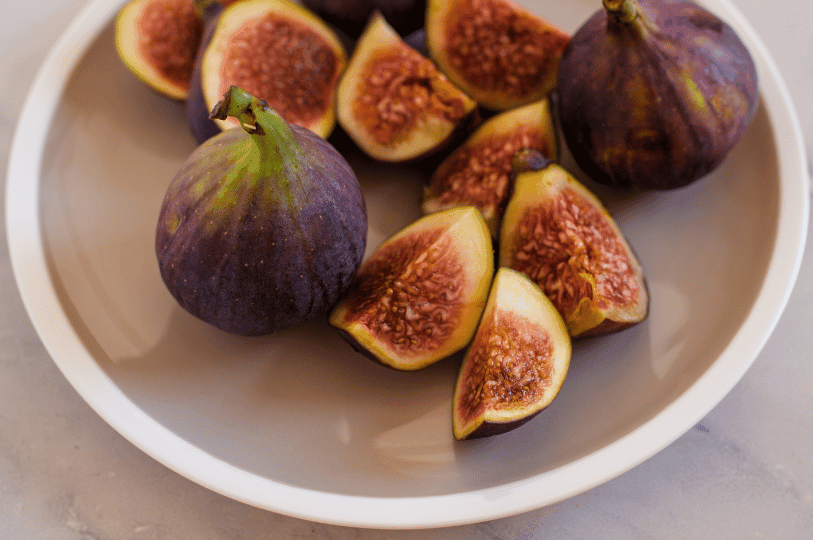
When fresh figs are in season, the goal is to enhance their natural flavor without overpowering it. Their delicate texture pairs beautifully with both savory and sweet ingredients.
Roasted Figs with Goat Cheese and Honey
This recipe is an elegant yet simple appetizer that balances the sweetness of the fruit with the tang of goat cheese. It is perfect for autumn gatherings.
Ingredients:
- 12 fresh figs (Black Mission or Brown Turkey)
- 4 ounces soft goat cheese
- 2 tablespoons honey
- 1 tablespoon fresh thyme leaves
- 1 tablespoon balsamic glaze (optional)
- Black pepper to taste
Instructions:
- Preheat your oven to 400°F (200°C).
- Wash the figs gently and pat them dry. Slice off the tough stem end.
- Cut an "X" into the top of each fig, slicing about halfway down the fruit. Do not cut all the way through; you want the fig to hold its shape.
- Gently squeeze the base of each fig to open the petals slightly.
- Stuff a teaspoon of goat cheese into the center of each fig.
- Arrange the figs in a baking dish. Drizzle with honey and sprinkle with fresh thyme leaves.
- Roast for 10 to 12 minutes, or until the figs are tender and the cheese is warm and slightly softened.
- Finish with a crack of black pepper and a drizzle of balsamic glaze if desired. Serve warm.
Fresh Fig and Arugula Salad
This salad celebrates the transition of seasons, combining the last of the summer greens with the richness of autumn fruit.
Ingredients:
- 4 cups fresh arugula
- 6 fresh figs, quartered
- 1/4 cup walnuts, toasted and roughly chopped
- 2 ounces parmesan cheese, shaved
- 3 tablespoons extra virgin olive oil
- 1 tablespoon apple cider vinegar
- 1 teaspoon Dijon mustard
- Salt and pepper to taste
Instructions:
- In a small bowl, whisk together the olive oil, apple cider vinegar, Dijon mustard, salt, and pepper to create a vinaigrette.
- Place the arugula in a large salad bowl and toss lightly with half of the dressing.
- Arrange the quartered figs and toasted walnuts on top of the greens.
- Garnish with shaved parmesan cheese.
- Drizzle the remaining dressing over the top just before serving to keep the salad crisp.
Cooking with Dried Figs: Pantry Staples

Dried figs are a pantry workhorse. Their chewy texture and intense sweetness make them excellent for baking, stewing, and adding depth to savory dishes.
Dried Fig and Red Wine Compote
This versatile compote can be served alongside roasted meats, such as pork loin or duck, or spooned over yogurt for a sophisticated breakfast.
Ingredients:
- 1 cup dried figs, stems removed and halved
- 1 cup dry red wine (such as Cabernet Sauvignon or Merlot)
- 1/4 cup water
- 2 tablespoons brown sugar
- 1 strip of orange zest
- 1 cinnamon stick
- 1 star anise (optional)
Instructions:
- Combine all ingredients in a small saucepan over medium heat.
- Bring the mixture to a gentle boil, then reduce the heat to low.
- Cover and simmer for 15 to 20 minutes, or until the figs are plump and tender.
- Remove the lid and continue to simmer for another 5 minutes to reduce the liquid into a syrup.
- Remove from heat and discard the cinnamon stick, star anise, and orange zest.
- Serve warm or transfer to a jar and refrigerate for up to two weeks.
Oatmeal Fig Cookies
These cookies offer a healthier twist on the classic raisin cookie. The seeds in the figs add a delightful crunch that pairs perfectly with hearty oats.
Ingredients:
- 1 1/2 cups rolled oats (old-fashioned)
- 1 cup all-purpose flour
- 1/2 teaspoon baking soda
- 1/2 teaspoon cinnamon
- 1/4 teaspoon salt
- 1/2 cup unsalted butter, softened
- 1/2 cup brown sugar, packed
- 1/4 cup granulated sugar
- 1 large egg
- 1 teaspoon vanilla extract
- 1 cup dried figs, chopped into small pieces
Instructions:
- Preheat your oven to 350°F (175°C) and line a baking sheet with parchment paper.
- In a medium bowl, whisk together the flour, baking soda, cinnamon, and salt. Stir in the oats.
- In a large bowl, cream together the butter, brown sugar, and granulated sugar until light and fluffy.
- Beat in the egg and vanilla extract.
- Gradually add the dry ingredients to the wet ingredients, mixing until just combined.
- Fold in the chopped dried figs.
- Drop rounded tablespoons of dough onto the prepared baking sheet, spacing them about 2 inches apart.
- Bake for 10 to 12 minutes, or until the edges are golden brown.
- Allow the cookies to cool on the baking sheet for 5 minutes before transferring them to a wire rack to cool completely.
Embracing the Season

As we move deeper into autumn, the kitchen becomes a place of warmth and comfort. Incorporating figs into your cooking rhythm is a wonderful way to connect with the season. Their versatility allows them to seamlessly transition from breakfast to dinner, and from fresh applications to preserved delights.
Whether you are lucky enough to find fresh baskets of Mission figs at the farmers market or are pulling a bag of dried Calimyrnas from your pantry, there is always a way to feature this ancient fruit on your table. We encourage you to try these recipes and experiment with your own variations. Perhaps add chopped dried figs to your morning porridge or slice fresh figs onto a homemade pizza with prosciutto. The possibilities are as rich as the season itself.
