

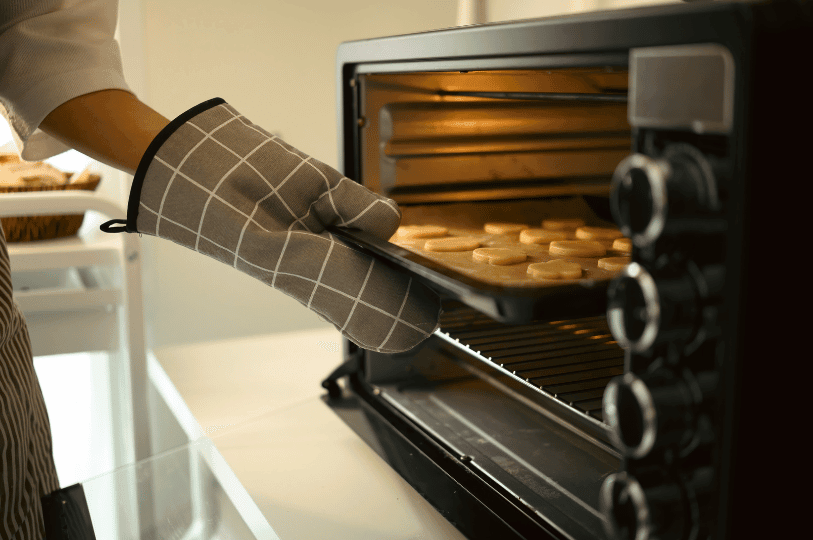
Welcome back to the kitchen! If you have ever pulled a tray of cookies out of the oven only to find they have melted into one giant, flat puddle, you are not alone. We have all experienced the heartbreak of a cake that sinks in the middle or a beautiful loaf of bread that turns out dense and heavy. When baking projects fail, we usually blame our ingredients or our mixing techniques. However, the true culprit is often something entirely invisible.
In the world of baking, heat is an active ingredient. The temperature of your oven dictates exactly how your flour, butter, sugar, and eggs will interact with one another. Understanding how to control this environment is one of the most powerful foundational skills you can develop as a home cook. It is also an incredibly budget-friendly skill. When you stop wasting expensive butter and vanilla extract on failed recipes, your grocery budget will thank you.
Today, we are going to demystify the science of the oven. We will explore exactly why baking temperatures matter, decode what happens at different heat levels, and share practical tips to guarantee perfect results every single time you bake.
The Science of Heat in the Kitchen
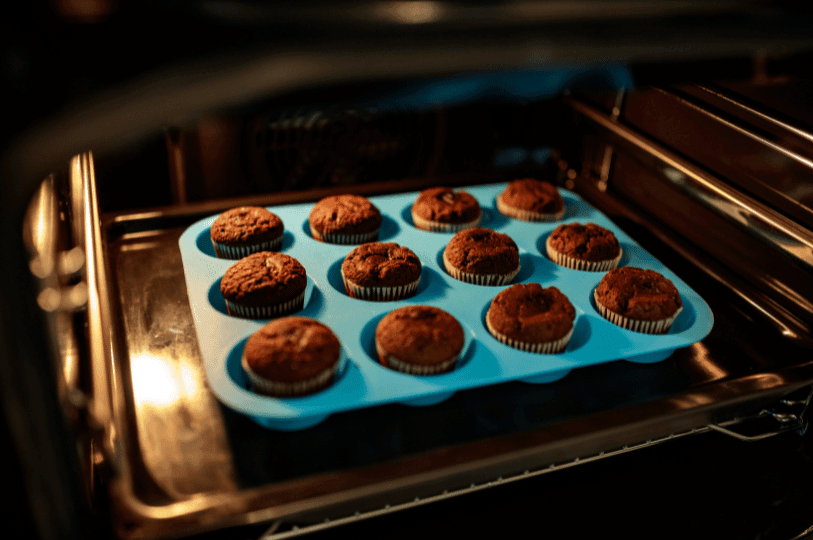
Baking is essentially edible chemistry. When you place a pan of raw batter into a hot oven, you are kicking off a rapid sequence of physical and chemical reactions. The speed at which these reactions occur is entirely governed by the temperature of the air surrounding the pan.
First, the fats in your dough begin to melt. If the heat is high, the outside edges set quickly, trapping the melting fat inside. If the heat is low, the fat melts slowly and spreads outward. Next, the liquids in your batter heat up and turn into steam. This steam pushes against the dough, helping it rise.
Simultaneously, your chemical leavening agents like baking soda and baking powder react to the heat by producing carbon dioxide bubbles. Finally, proteins from the eggs and flour begin to coagulate and set, turning your liquid batter into a solid structure.
If the oven temperature is incorrect, this delicate sequence falls completely out of sync. If the crust sets before the leavening agents finish producing gas, your cake will crack. If the butter melts completely before the flour proteins can coagulate, your pastry will be tough and greasy. Temperature is the invisible conductor orchestrating the entire symphony.
Decoding Common Temperature Ranges
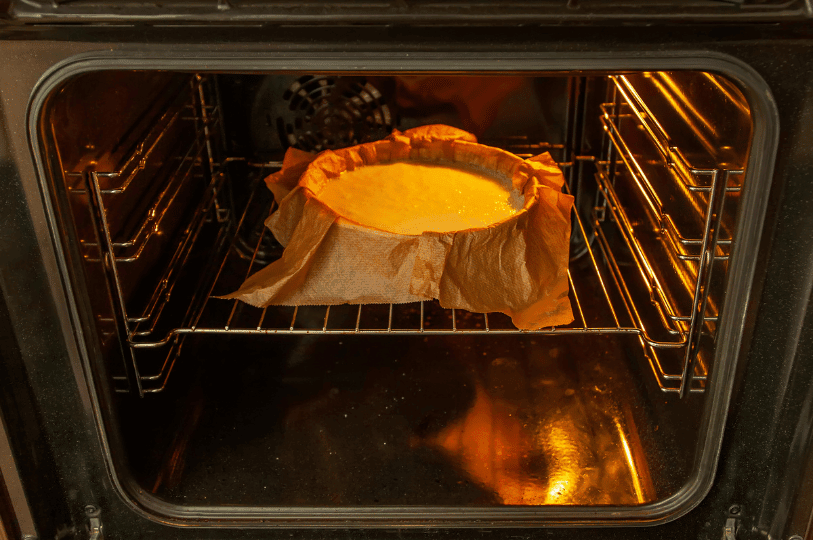
Most baking recipes call for temperatures between 325 degrees and 425 degrees Fahrenheit. These numbers are not chosen at random. Recipe developers select specific temperatures to achieve a desired balance between spreading, rising, and browning. Let us break down the standard ranges.
Low Heat: 200°F to 300°F
This gentle temperature range is designed for slow, controlled cooking. At this level, you are primarily dehydrating the food rather than browning it. This is the perfect environment for delicate items like meringues and macarons, which need to dry out completely without taking on any color. This low range is also fantastic for weekly meal prep. You can slowly roast large, inexpensive cuts of meat over several hours until they are incredibly tender, maximizing your grocery budget.
Moderate Heat: 325°F to 350°F
The 350-degree mark is the universal baseline of baking. Historically, old cookbooks simply referred to this as a "moderate oven." This temperature allows the interior of a cake or a thick cookie to cook thoroughly before the exterior burns. It provides a steady, even heat that is perfect for pound cakes, basic brownies, and casseroles. If you are baking something relatively thick that requires even cooking throughout, 350 degrees is usually your best bet.
Medium-High Heat: 375°F to 400°F
When you increase the heat to this range, you begin to prioritize crust formation and browning. This happens through the Maillard reaction, a chemical process where sugars and amino acids react to create deep, complex flavors and a golden-brown color. This temperature is ideal for muffins, quick breads, and drop cookies where you want a crispy edge and a soft, chewy center. It is also the perfect heat for roasting vegetables quickly during your Sunday meal prep sessions.
High Heat: 425°F to 500°F
High heat is reserved for items that need immediate "oven spring." Oven spring is the rapid expansion of dough that occurs when water instantly turns to steam. Artisan breads, puff pastry, and pizza dough require this intense blast of heat. The high temperature creates a sudden burst of steam that forces the layers of dough apart, resulting in a flaky pastry or a wonderfully airy loaf of bread.
How Temperature Impacts Specific Baked Goods
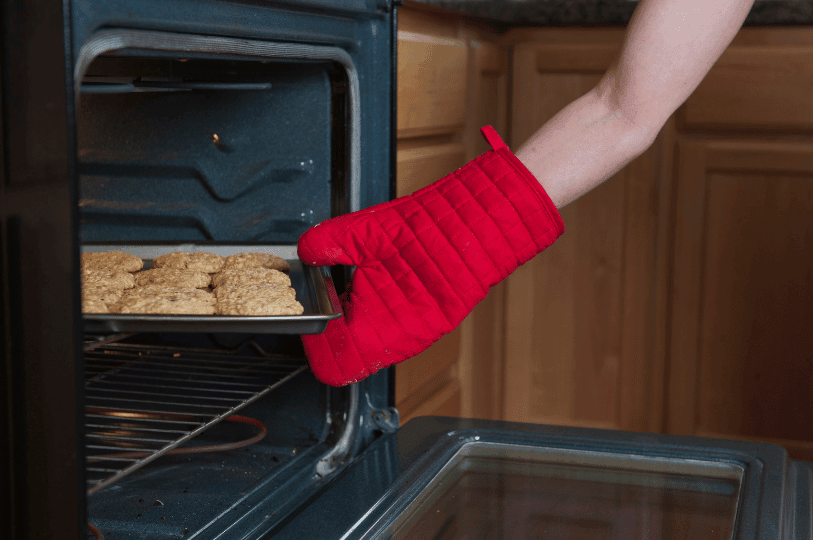
To truly master your kitchen rhythms, it helps to understand how different temperatures affect specific types of treats. By tweaking the heat by just twenty-five degrees, you can completely change the texture of your final product.
The Cookie Spectrum
Cookies are incredibly sensitive to temperature changes. If you bake chocolate chip cookies at 300 degrees, the butter will melt long before the edges set. The result will be a thin, wide, and crispy cookie.
If you bake that exact same dough at 350 degrees, you will get a standard, balanced cookie with firm edges and a moderately soft center. If you bump the heat up to 375 or 400 degrees, the outside of the cookie will set almost immediately. This prevents the dough from spreading, giving you a thick, bakery-style cookie with a gooey, slightly underbaked center.
The Cake Conundrum
Cakes require a perfectly level surface to look their best. If you bake a cake at 400 degrees, the edges of the batter will heat up and solidify very quickly. The batter in the center of the pan will continue to heat and expand, pushing upward with nowhere to go but up. This creates a sharp, volcano-like dome that cracks in the middle.
Conversely, baking a cake at an extremely low temperature means the leavening agents might exhaust themselves before the structure sets, leading to a sunken, dense center. Sticking strictly to 325 or 350 degrees ensures an even, flat rise and a tender crumb.
The Truth About Your Oven
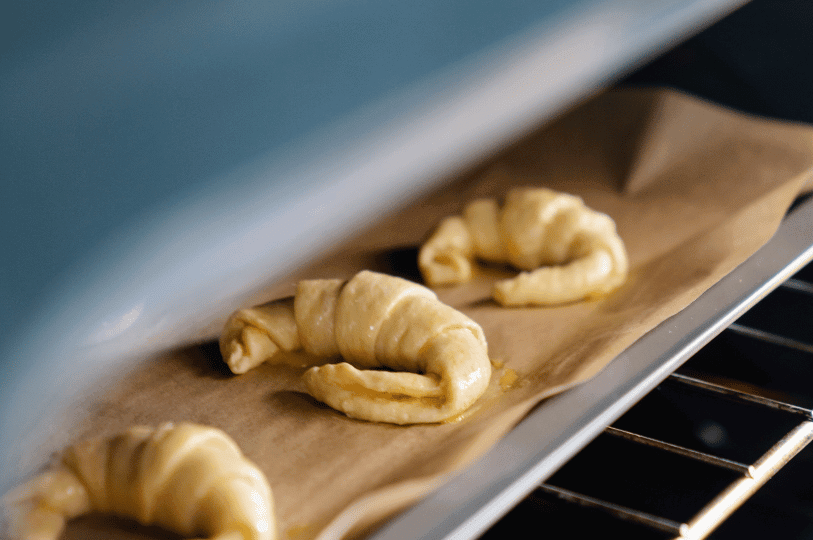
Here is a frustrating secret of the culinary world: your oven is probably lying to you.
When you set your oven dial to 350 degrees, you expect the interior air to be exactly 350 degrees. In reality, most home ovens are wildly inaccurate. They can be off by as much as fifty degrees in either direction. Furthermore, ovens heat in cycles. The heating element turns on to reach the target temperature, turns off until the heat drops, and then turns back on again.
If your oven consistently runs twenty-five degrees too hot, your cakes will burn on the edges and your cookies will dry out. This inaccuracy is the leading cause of baking failures for beginners.
How to Calibrate and Test
The absolute best investment you can make for your kitchen is an independent oven thermometer. You can find them at any grocery store or kitchen supply shop for less than ten dollars. This tiny, budget-friendly tool will save you hundreds of dollars in ruined ingredients over its lifetime.
Place the thermometer directly in the center of your middle oven rack. Turn your oven to 350 degrees and wait for it to beep, indicating it is preheated. Look at your thermometer. You might be shocked to see that it only reads 310 degrees. Wait another ten minutes and check again.
Once the temperature stabilizes, you will know how your oven truly behaves. If you set it to 350 but the thermometer reads 375, you simply need to remember to set your dial to 325 for future recipes to achieve the correct environment. Many modern ovens also have a calibration setting in the user manual that allows you to adjust the internal thermostat to match the true temperature.
Actionable Advice for Immediate Success
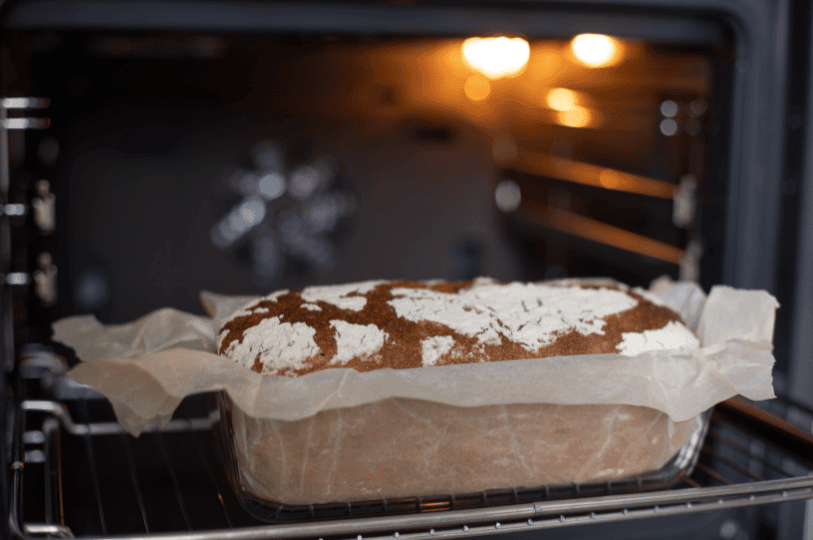
You are now armed with the knowledge to take complete control of your baking projects. Here are the steps you can implement today to see an immediate improvement in your kitchen.
- Purchase an oven thermometer. Make this a priority before your next major baking project. Hang it from the center rack and leave it there permanently.
- Patience is key. Always give your oven at least twenty minutes to preheat fully. Use this time to clean up your mixing bowls and wipe down your counters.
- Learn your hot spots. Ovens do not heat perfectly evenly. To find your oven's hot spots, place several slices of plain white bread on a baking sheet and bake them at 350 degrees until they start to brown. The slices that get darker faster indicate where your oven runs the hottest.
- Rotate for evenness. Because of those hot spots, get into the habit of rotating your baking sheets halfway through the cooking time. Turn the pan 180 degrees to ensure an even bake on all sides.
- Adjust for altitude. If you live at a high altitude, water boils at a lower temperature, and your baked goods will dry out faster. You will often need to increase your oven temperature slightly (by about 15 to 25 degrees) to set the structure of cakes before they over-expand and collapse.
Baking should never feel like a game of chance. It is a precise, rewarding craft that becomes deeply satisfying once you understand the underlying mechanics. By respecting the power of temperature and taking the time to understand your specific oven, you will instantly elevate the quality of your food.
Start paying attention to the heat, use your thermometer religiously, and watch as your cakes rise perfectly, your breads develop brilliant crusts, and your cookies turn out beautifully every single time. Happy baking!
