

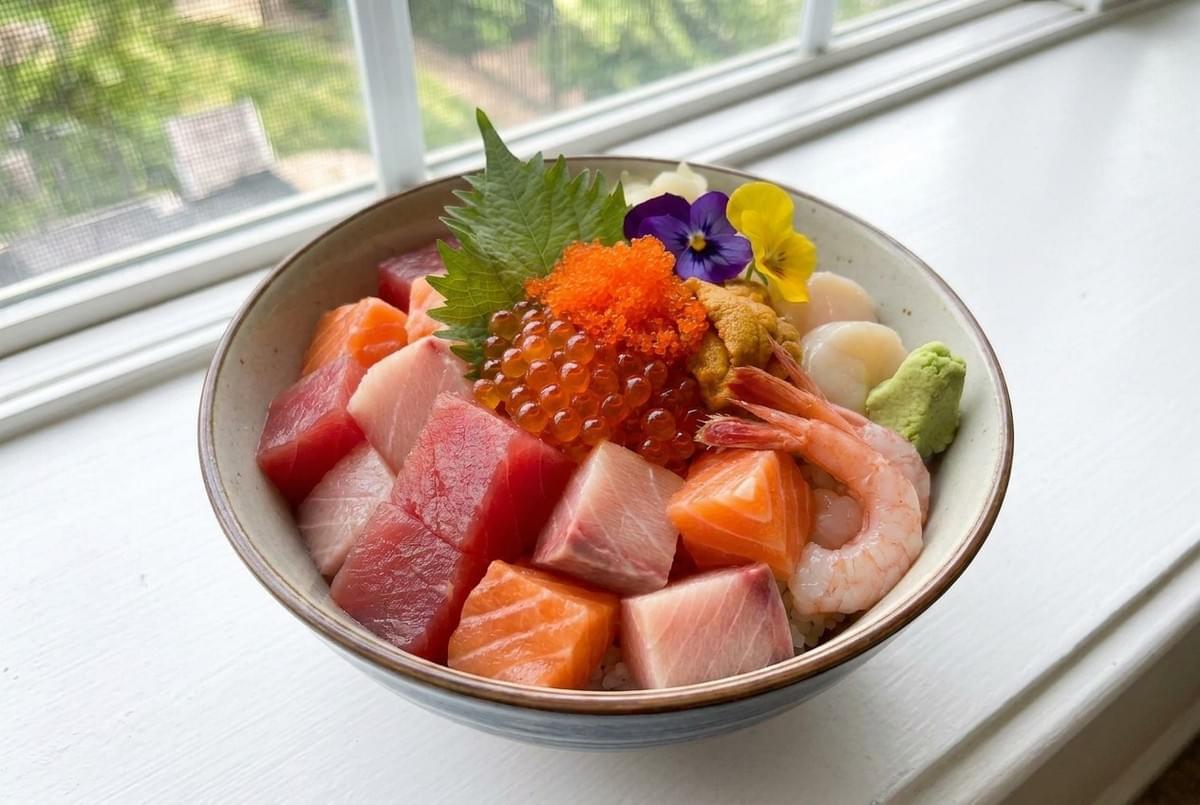
Japanese cooking often demonstrates how a few carefully prepared ingredients can create a satisfying meal. Chirashi don is a good example.
This Japanese rice bowl combines seasoned rice with assorted seafood, vegetables, and traditional garnishes. Even among the different chirashi don varieties in Singapore, the principle remains the same: each ingredient serves a particular purpose, creating a satisfying balance of flavours and textures.
Unlike sushi rolls, which require careful shaping, chirashi offers a more flexible way to enjoy familiar sushi ingredients. The rice forms the foundation, while the toppings introduce different textures, flavours, and colours.
Understanding how these elements work together makes chirashi don an interesting introduction to Japanese food preparation.
What Is Chirashi Don?
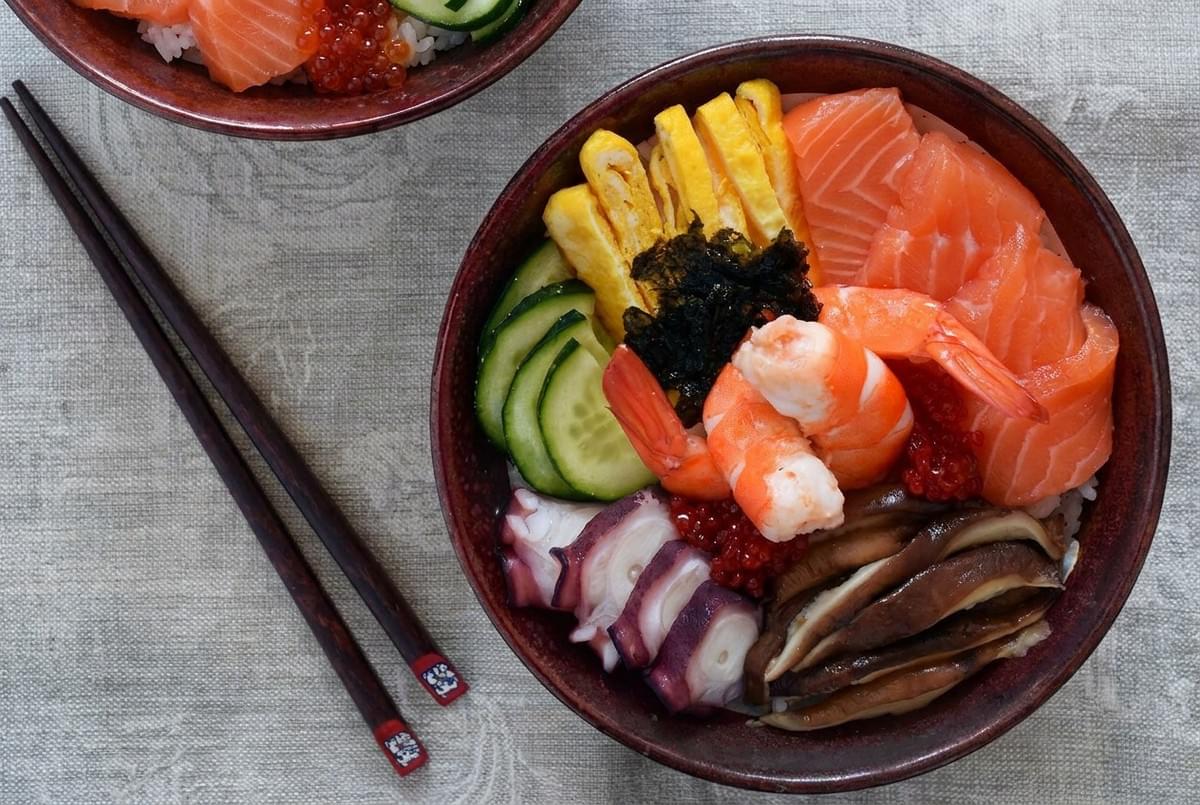
The Japanese word chirashi means scattered, referring to the way ingredients are arranged or distributed over rice. Chirashizushi, a traditional form of sushi, uses seasoned rice topped or mixed with various ingredients.
Chirashi don is a common restaurant term for a rice bowl topped with assorted seafood, often including raw fish. Although the names and presentations vary, the basic principle remains similar: combine properly prepared rice with complementary toppings.
Common ingredients include salmon, tuna, prawns, tamago (Japanese rolled omelette), cucumber, and shredded nori.
The exact combination depends on the region, restaurant, and ingredients available. Some versions feature neatly arranged slices of sashimi, while others use smaller pieces of seafood distributed across the bowl.
This flexibility is part of what makes chirashi appealing. It allows different ingredients to come together without requiring an elaborate cooking process.
The Importance of Properly Seasoned Sushi Rice
Although the seafood attracts most of the attention, the rice is equally important.
Traditional sushi rice is made using Japanese short-grain rice, which contains enough starch to hold together while retaining distinct grains when cooked correctly.
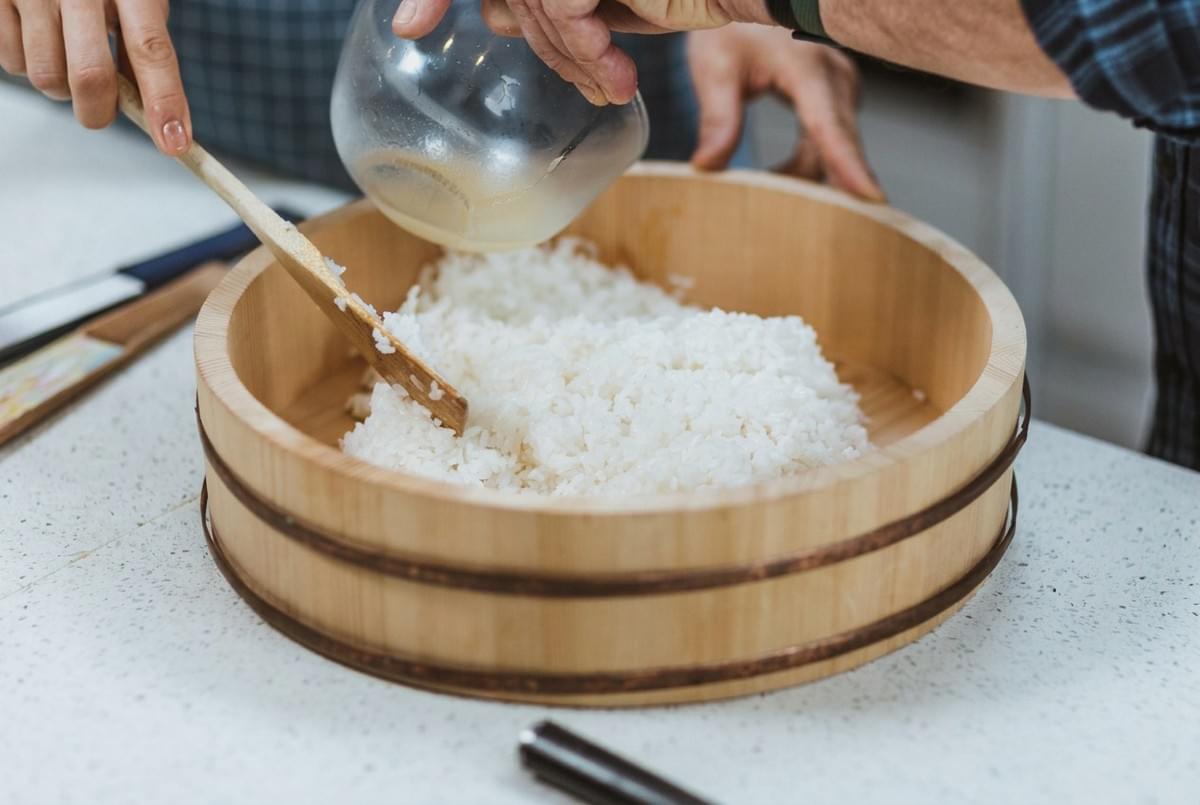
After cooking, the rice is seasoned with a mixture of rice vinegar, sugar, and salt. This gives it a mild acidity that balances the richness of the toppings.
Several details influence the final texture.
Choosing the Right Rice
Japanese short-grain rice is preferred because its texture supports the other ingredients without becoming excessively loose or dry.
Long-grain varieties behave differently when cooked and generally do not produce the same consistency.
Washing and Cooking
Rinsing rice helps remove excess surface starch. The rice should then be cooked using the appropriate amount of water for the variety and cooking method.
Once cooked, allowing it to rest briefly helps the moisture distribute more evenly.
Seasoning and Cooling
The vinegar mixture should be folded gently into the cooked rice rather than stirred vigorously.
This helps preserve the grains and prevents the rice from becoming overly compressed.
For chirashi, the rice should be allowed to cool before being topped with raw seafood. Excessive heat can affect the texture of the fish, while prolonged exposure to room temperature creates food safety concerns.
Proper temperature control is particularly important when preparing seafood dishes.
Understanding the Different Chirashi Styles
Not every chirashi bowl uses the same arrangement or combination of ingredients.
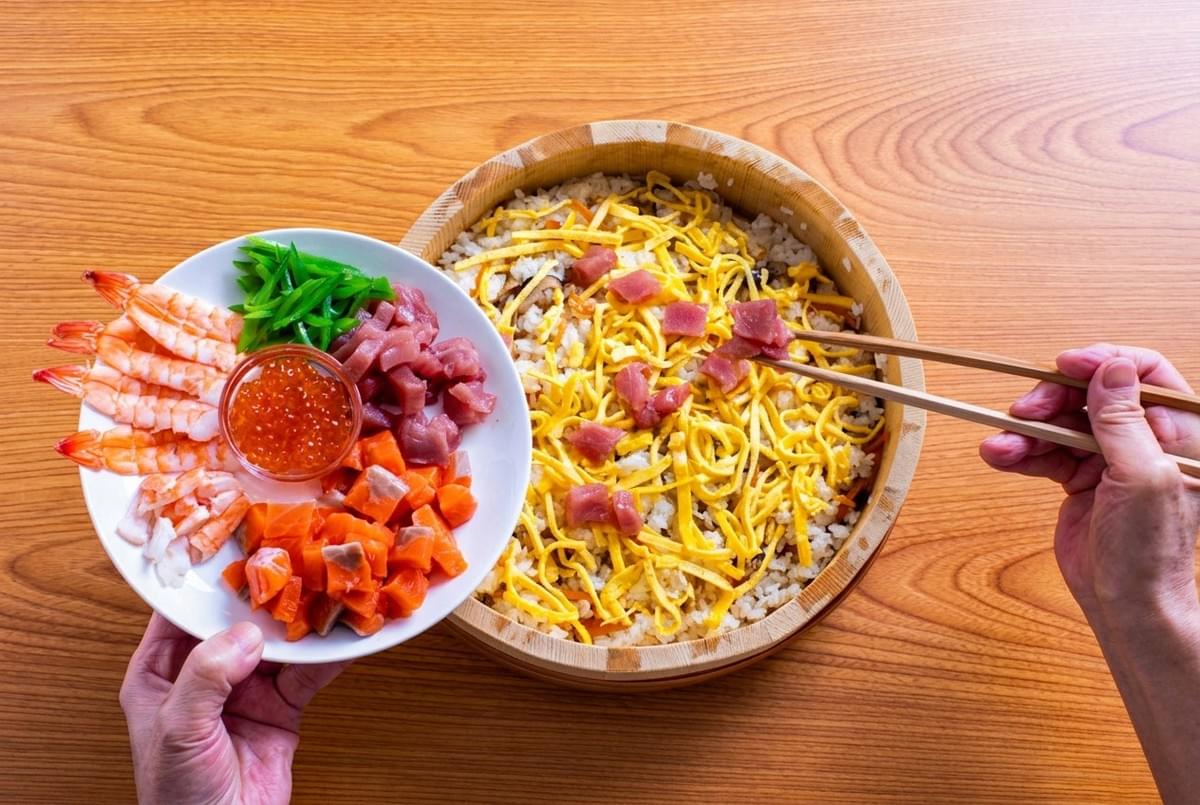
Traditional chirashizushi can include cooked vegetables, mushrooms, egg, and seafood arranged over seasoned rice. These combinations often reflect regional preferences and seasonal ingredients.
Seafood-focused restaurant versions generally place greater emphasis on sashimi.
Another popular variation is bara chirashi, which commonly features smaller cubes of seafood and other toppings. The ingredients are distributed across the rice, creating a mixture of flavours and textures in each bite.
These differences are also apparent in Singapore's Japanese dining scene. Restaurants offer everything from straightforward sashimi bowls to more elaborate combinations featuring premium seafood and contemporary seasonings.
If you're curious about how these styles compare, EatPlayStay has a guide to chirashi don in Singapore that you can use to explore the different options.
The variations demonstrate that chirashi is not defined by one particular seafood combination. The relationship between the rice, toppings, and seasoning is what gives each bowl its character.
How Different Ingredients Create Balance
A well-prepared chirashi don depends on more than the freshness of its seafood.
Each ingredient contributes something different.
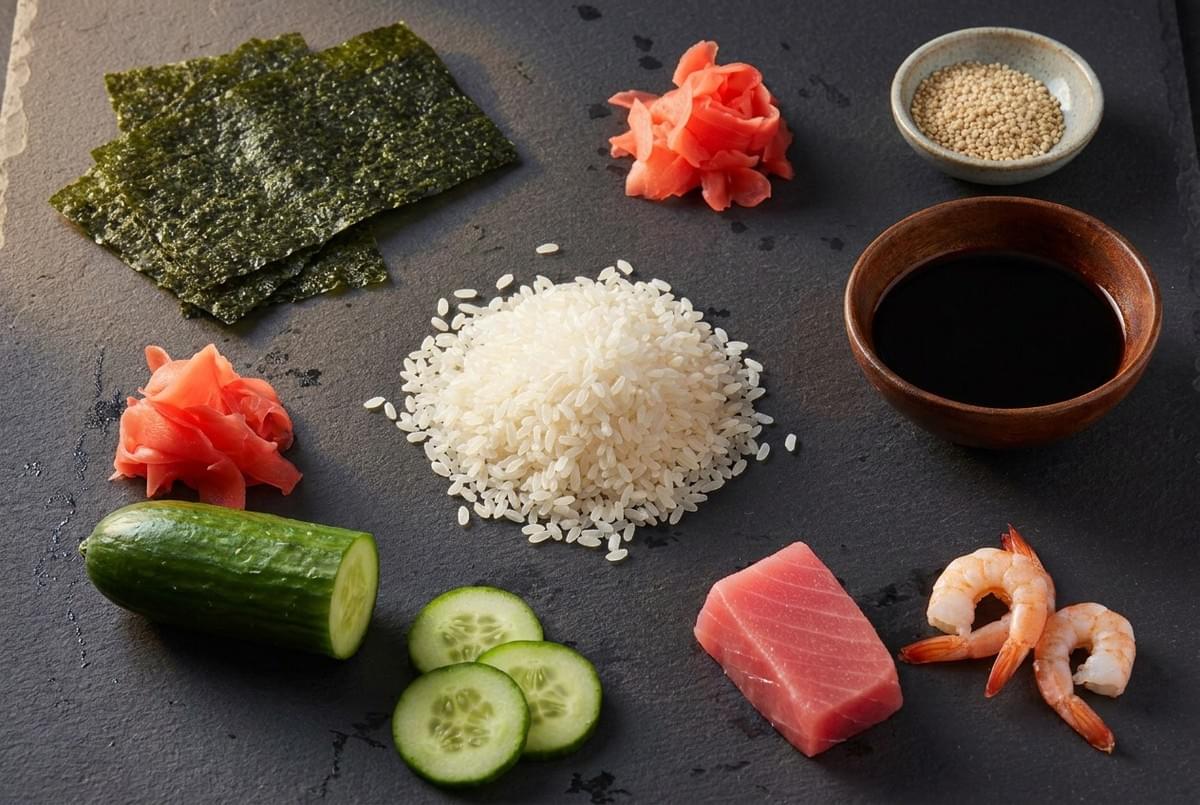
Salmon provides richness and a tender texture, while leaner varieties of tuna offer a firmer bite. Prawns can introduce sweetness, and salmon roe adds small bursts of savoury flavour.
Vegetables and garnishes also play an important role.
Cucumber provides a refreshing contrast to richer seafood. Shredded nori introduces a mild ocean-like aroma, while pickled ginger offers acidity that can refresh the palate between bites.
Tamago contributes gentle sweetness and a soft texture, helping balance the more pronounced flavours of the seafood.
These ingredients work best when their individual characteristics remain distinguishable.
Too much sauce can overwhelm delicate fish, while heavily seasoned rice may compete with the toppings rather than support them.
The goal is not necessarily to include as many ingredients as possible. It is to create a combination in which each component has a clear purpose.
Chirashi Don and Japanese Food Culture
Rice bowls are an important part of everyday Japanese dining, offering a practical way to combine staple ingredients into a complete meal.
Chirashi reflects this approach while also drawing on the traditions of sushi preparation.
Its presentation can range from casual to elaborate, depending on the occasion and ingredients.
In Japan, certain styles of chirashizushi are also associated with celebrations, including Hinamatsuri, or Girls' Day. These festive versions may include colourful arrangements of vegetables, egg, and seafood.
Outside Japan, chirashi has developed additional interpretations as Japanese restaurants adapt their menus to local tastes.
Singapore offers an interesting setting for observing these adaptations because of its diverse dining culture and established appreciation for Japanese cuisine.
What Home Cooks Can Learn From Chirashi Don
Chirashi offers several useful lessons that extend beyond Japanese cuisine.
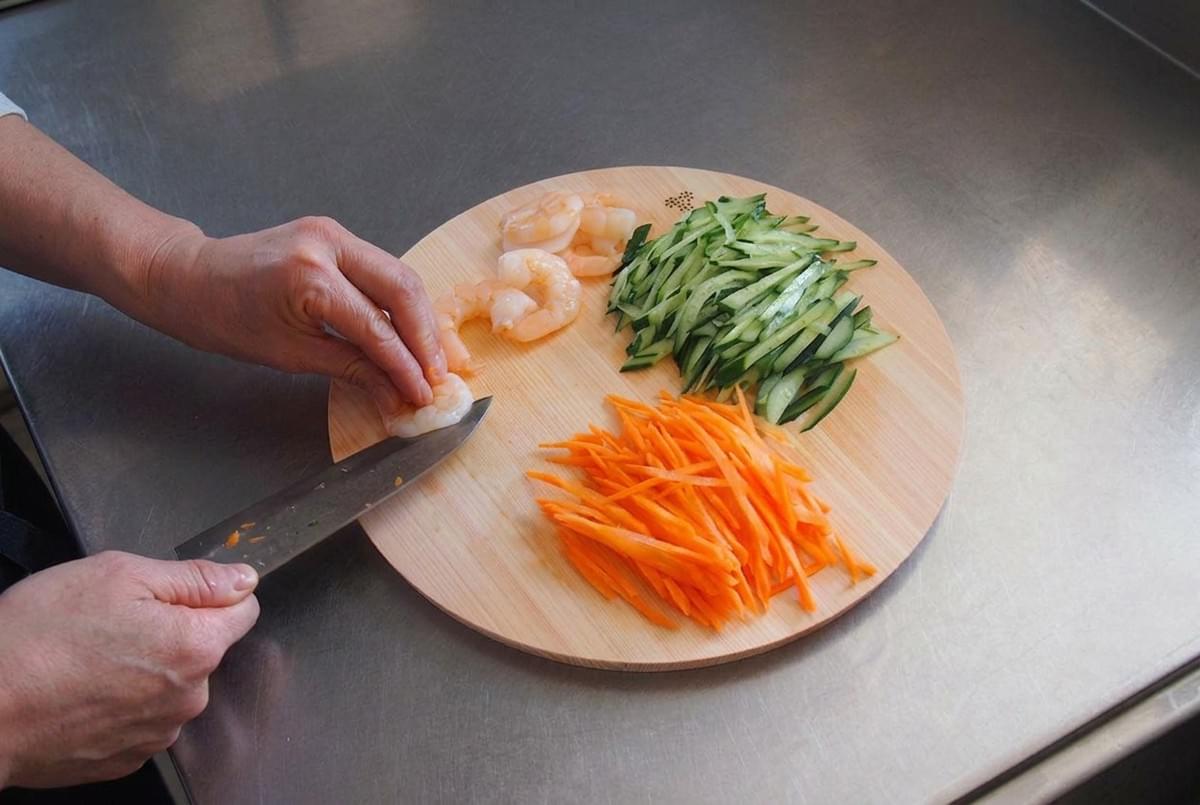
The first is the importance of preparing individual components properly. Well-cooked rice, appropriately handled seafood, and carefully cut vegetables contribute more to the final dish than complicated presentation.
The second is understanding contrast.
Ingredients with different textures, temperatures, and flavours can complement one another when combined thoughtfully.
Finally, chirashi demonstrates that simplicity does not mean a lack of technique.
Even a straightforward rice bowl requires attention to seasoning, preparation, and ingredient selection.
For those interested in preparing chirashi at home, it is sensible to begin with properly seasoned sushi rice and familiar cooked toppings such as tamago, prawns, or vegetables.
Raw seafood requires additional care and should only be used when sourced and handled appropriately for raw consumption.
Once the foundation is understood, different combinations become easier to explore.
A Simple Dish Built on Good Fundamentals
Chirashi don brings together several important ideas in Japanese cooking: respect for ingredients, careful preparation, and balance.
Its colourful appearance may be the first thing people notice, but the techniques behind it are what make the dish satisfying.
From the texture of the rice to the way each topping contributes flavour, every component has a role.
Learning these fundamentals provides a better understanding of chirashi itself and offers practical lessons that can be applied to many other dishes.
