

Introduction
Creating pan sauces is one of the most useful techniques a home cook can learn. A good pan sauce turns the browned bits left after searing meat, poultry, fish, mushrooms, or vegetables into a concentrated, flavorful finish for the plate.
In this guide, you will learn how to:
- Identify good fond and avoid burnt flavors
- Choose the right deglazing liquid for the dish
- Reduce a sauce to the proper consistency
- Finish with butter, cream, herbs, acid, or other flavor builders
- Fix common problems like thin, salty, acidic, or split sauces
The process is simple, but the details matter. Once you understand the cues, pan sauces become less of a recipe and more of a reliable kitchen skill.
What Deglazing Is (and What It Is Not)
Fond: The Foundation of a Pan Sauce
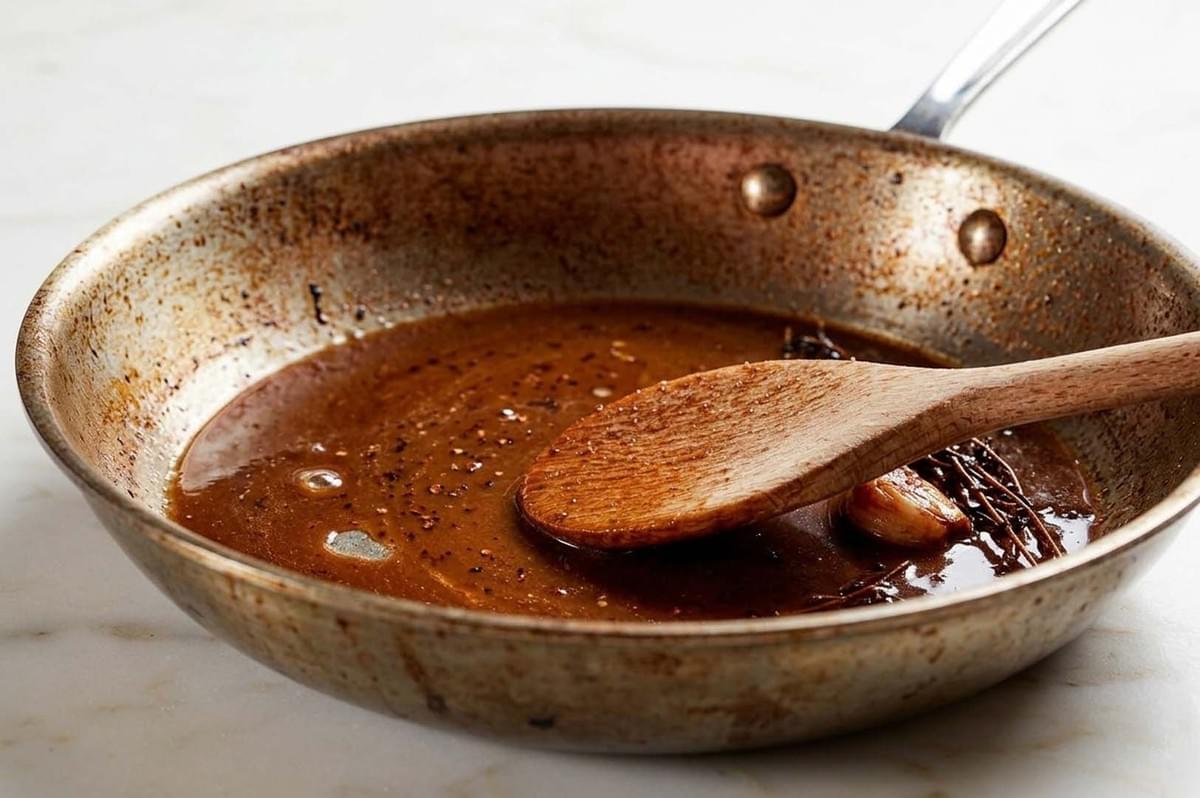
Deglazing means adding liquid to a hot pan to dissolve browned food particles stuck to the surface. Those particles are called fond, from the French word for “base” or “foundation.”
Fond forms when proteins, natural sugars, and juices brown during cooking. This browning creates deep savory flavor, especially when you sear chicken, steak, pork chops, mushrooms, onions, or root vegetables.
Good fond is usually golden brown to dark brown. It should smell roasted, savory, and appetizing.
Browned Is Good, Burned Is Not
Deglazing does not rescue a dirty or burned pan. If the residue is black, smells acrid, or tastes bitter, it will make the sauce bitter too. In that case, wipe out the pan and start the sauce with fresh aromatics, stock, and seasonings.
A helpful cue: browned fond smells like roast chicken, seared steak, or toasted vegetables. Burnt fond smells sharp, smoky, or harsh. If you are unsure, taste a tiny bit. It should be savory, not bitter.
The Science of Reduction
What Reduction Does
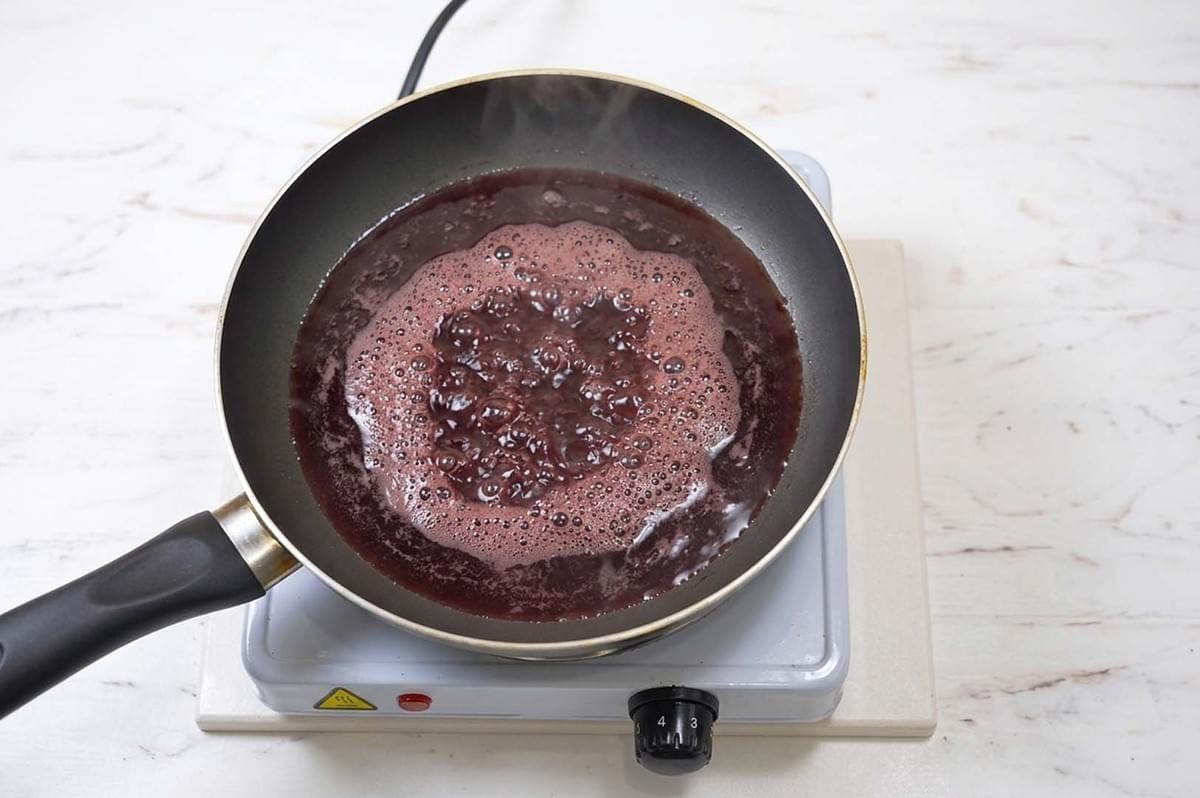
Reduction is the process of simmering a liquid so water evaporates. As the volume decreases, flavors become more concentrated. Salt, acidity, sweetness, and umami all become stronger.
Reduction also changes texture. A thin liquid becomes more syrupy as it concentrates. If the sauce contains gelatin from stock, natural sugars from wine or cider, or emulsified fat from butter, it can develop a lightly glossy finish.
Reduction Is Not the Same as Starch Thickening
Reducing a sauce thickens it through evaporation and concentration. Thickening with starch, such as cornstarch or flour, works differently. Starch absorbs liquid and swells, giving the sauce body without reducing the volume as much.
Both methods have a place. For classic pan sauces, reduction usually gives cleaner flavor and better shine. A small starch slurry can help if you need extra body quickly, but use it sparingly.
How to Judge Reduction
Do not rely only on the clock. Use visual cues.
A properly reduced pan sauce should:
- Bubble steadily, not violently
- Look slightly thicker than when it started
- Leave a brief trail when a spoon moves through it
- Lightly coat the back of a spoon
- Taste balanced and concentrated, not watery
Remember that sauce thickens slightly as it cools and after butter is whisked in.
Core Method: How to Make a Pan Sauce (Step-by-Step)
This is the repeatable sequence I use in teaching kitchens and at home. Once you learn the flow, you can adapt it to many meals.
1. Sear the main ingredient.
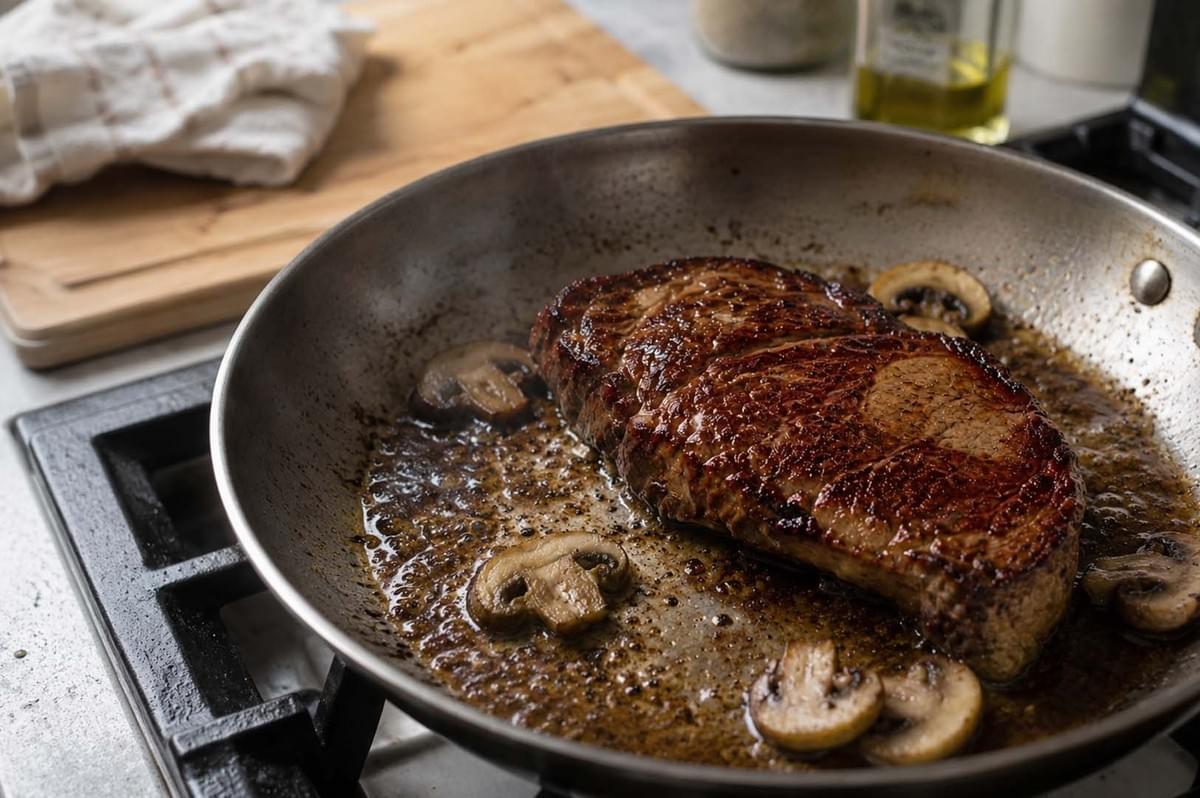
Cook chicken, pork, steak, fish, mushrooms, or vegetables in a stainless steel or cast iron pan. Use medium-high heat for a strong sear. Avoid moving the food too often, since contact with the pan builds fond.
2. Rest the main item.
Transfer the cooked food to a plate or rack. Rest meat for 5 to 10 minutes, depending on size. Resting allows juices to redistribute and gives you time to build the sauce.
3. Pour off excess fat.
If the pan has more than 1 to 2 tablespoons of fat, pour some off. Too much fat can make the sauce greasy and prevent proper reduction. Leave the fond in place.
4. Add aromatics, if using.
Add minced shallot, garlic, onion, ginger, mushrooms, or herbs. Cook over medium heat for 30 seconds to 2 minutes, just until fragrant and softened. Do not let garlic burn.
5. Deglaze the pan.
Add 1/4 to 1/2 cup (60 to 120 ml) liquid for 2 to 4 servings. Wine, stock, cider, beer, or water can all work. As the liquid bubbles, scrape the pan with a wooden spoon or silicone spatula to release the fond.
6. Reduce the liquid.
Simmer over medium to medium-high heat until the liquid reduces by about half. This often takes 3 to 6 minutes for a small pan sauce. The sauce should look more concentrated and taste less raw.
7. Add body and finishers.
Add stock, cream, mustard, miso, citrus juice, herbs, or a splash of vinegar depending on the flavor profile. If using butter, lower the heat and whisk in cold butter 1 tablespoon (14 g) at a time.
8. Taste and adjust.
Balance salt, acid, sweetness, and umami. A flat sauce may need salt or acid. A sharp sauce may need butter, cream, or a small pinch of sugar. A dull sauce may need fresh herbs or lemon juice.
Serve immediately. Pan sauces are at their best when fresh, warm, and glossy.
Finishing Techniques for Texture and Shine
Butter Mounting
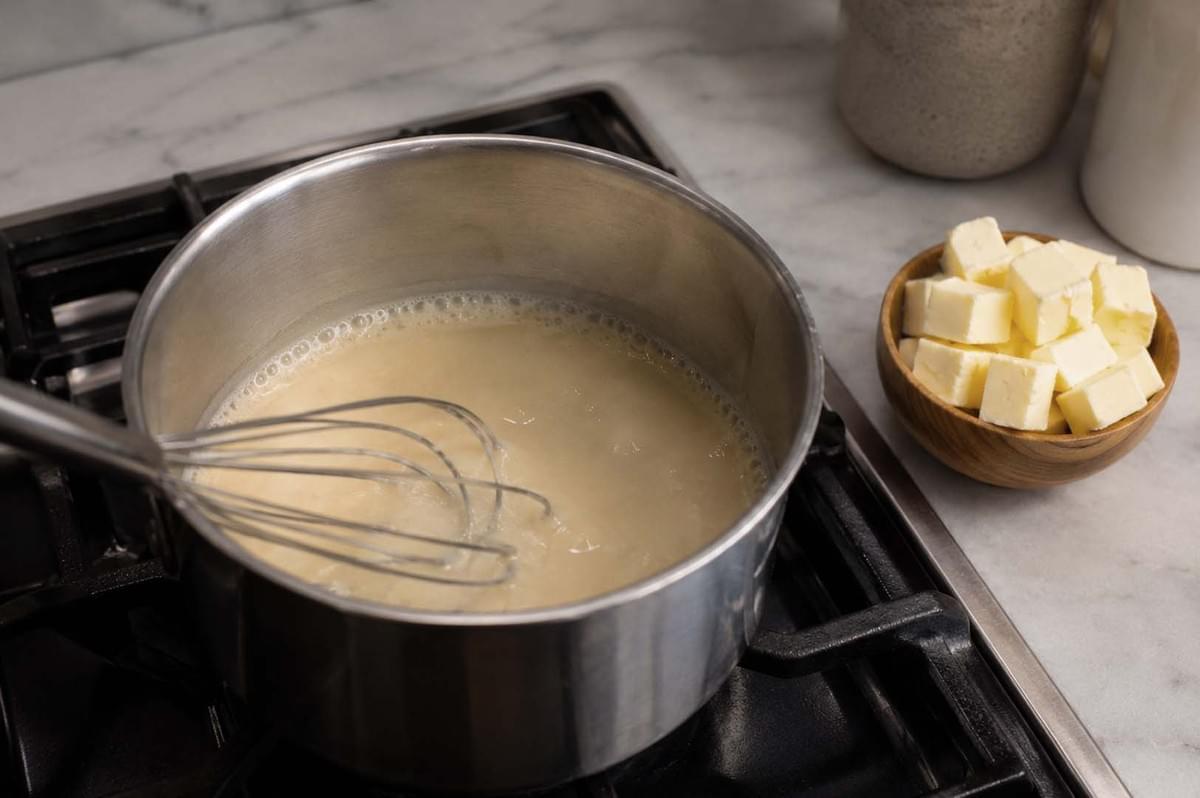
Butter mounting, or monter au beurre, means whisking cold butter into a warm sauce to create shine and a smooth texture. Use low heat or remove the pan from the burner. Add butter a little at a time, whisking constantly.
Do not boil after adding butter. Vigorous heat can break the emulsion, causing the sauce to look oily or separated.
Cream and Dairy Finishes
Cream works well in mustard sauces, mushroom sauces, peppercorn sauces, and pan sauces for pork or chicken. Add it after the initial deglazing liquid has reduced. Simmer gently until slightly thickened.
Avoid boiling dairy aggressively. High heat can make some dairy sauces separate or taste heavy.
Natural Reduction vs Starch Slurry
Reduction gives pan sauces a clean, concentrated texture. If a sauce still feels too thin, use a small starch slurry: mix 1 teaspoon cornstarch with 1 tablespoon cold water, then whisk in a little at a time. Simmer briefly to activate the starch.
Use only what you need. Too much starch can make a sauce dull or gummy.
Emulsification Basics
An emulsion is a mixture of fat and water-based liquid held together temporarily. Butter-mounted sauces are emulsions. Gentle heat, steady whisking, and gradual additions help the sauce stay smooth.
If a sauce boils hard after butter is added, the emulsion can split.
Common Problems and Fixes
- Sauce is too thin: Simmer longer to reduce. If needed, add a small amount of cornstarch slurry.
- Sauce is too thick: Whisk in stock, water, or wine 1 tablespoon (15 ml) at a time until loosened.
- Too salty: Add unsalted stock, water, cream, or butter. Avoid reducing further, since reduction concentrates salt.
- Too acidic: Add butter, cream, a small pinch of sugar, or more stock to round the sharpness.
- Tastes flat: Add salt, lemon juice, vinegar, mustard, herbs, or a small amount of miso.
- Sauce broke or split: Remove from heat and whisk in 1 tablespoon cold water. If needed, start a teaspoon of mustard or cream in a clean pan and slowly whisk in the broken sauce.
- Bitter or burnt notes: If mild, add butter, cream, or a touch of sweetness. If clearly burned, discard and start again. Burnt fond does not improve with reduction.
Food Safety and Cookware Notes
Handle raw proteins carefully. Use separate boards or wash boards, knives, and hands thoroughly after contact with raw meat, poultry, or seafood. Cook proteins to safe internal temperatures, then rest them on a clean plate while you make the sauce.
Do not return cooked meat to a plate that held raw meat unless the plate has been washed.
Cookware matters. Stainless steel and cast iron build fond well because food can make direct contact with the hot surface. Enameled cast iron also works nicely. Nonstick pans are less ideal because they do not encourage the same fond development, and high-heat searing can damage some nonstick coatings.
If using cast iron, avoid reducing very acidic liquids for a long time, especially in a pan that is not well seasoned. A short pan sauce is usually fine, but prolonged acidic cooking can affect flavor and seasoning.
Conclusion
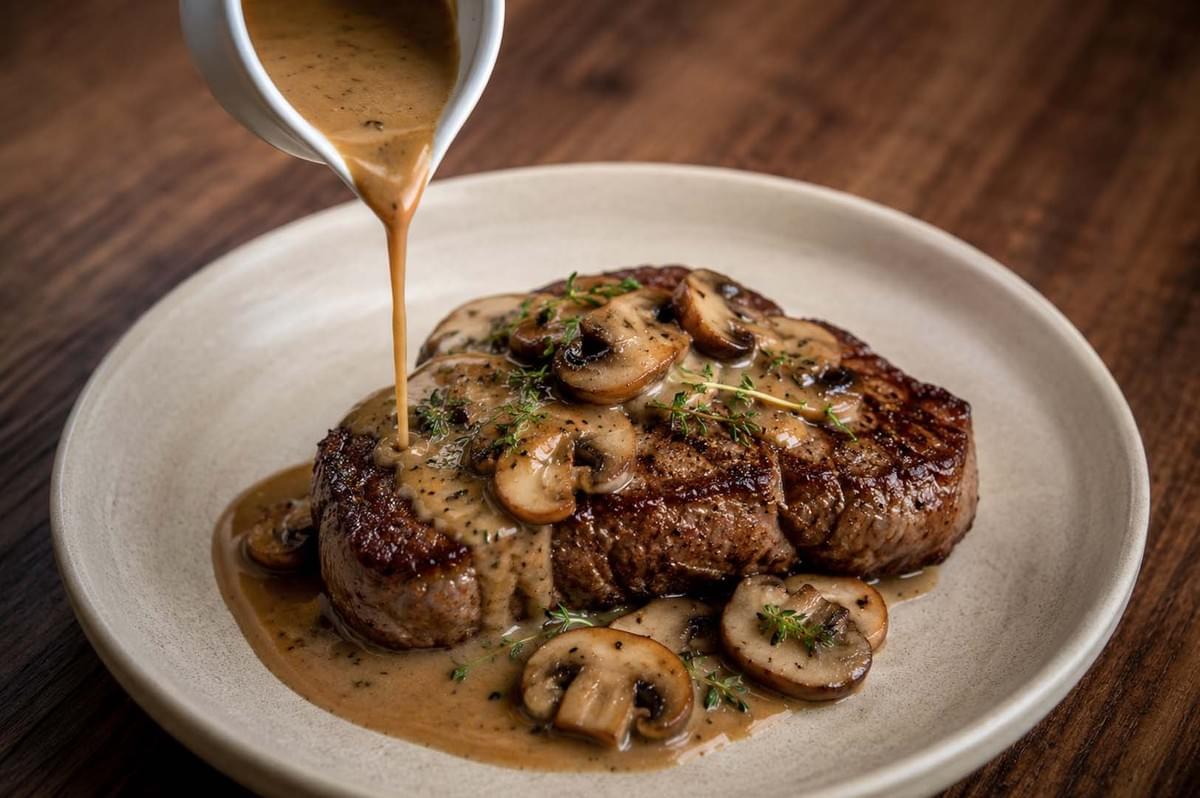
A pan sauce is built on a clear sequence: sear well, save the fond, deglaze with intention, reduce to concentrate, and finish with balance. Deglazing captures flavor already in the pan, while reduction turns that flavor into a sauce with body, shine, and purpose.
Start with one simple template this week. Sear chicken cutlets and make a lemon-caper sauce, or cook a steak and try the red wine shallot version. Pay attention to the color of the fond, the sound of the simmer, and the way the sauce coats a spoon.
The more you practice, the more natural the process becomes. Soon, the browned bits in the pan will look less like cleanup and more like the beginning of dinner.
