

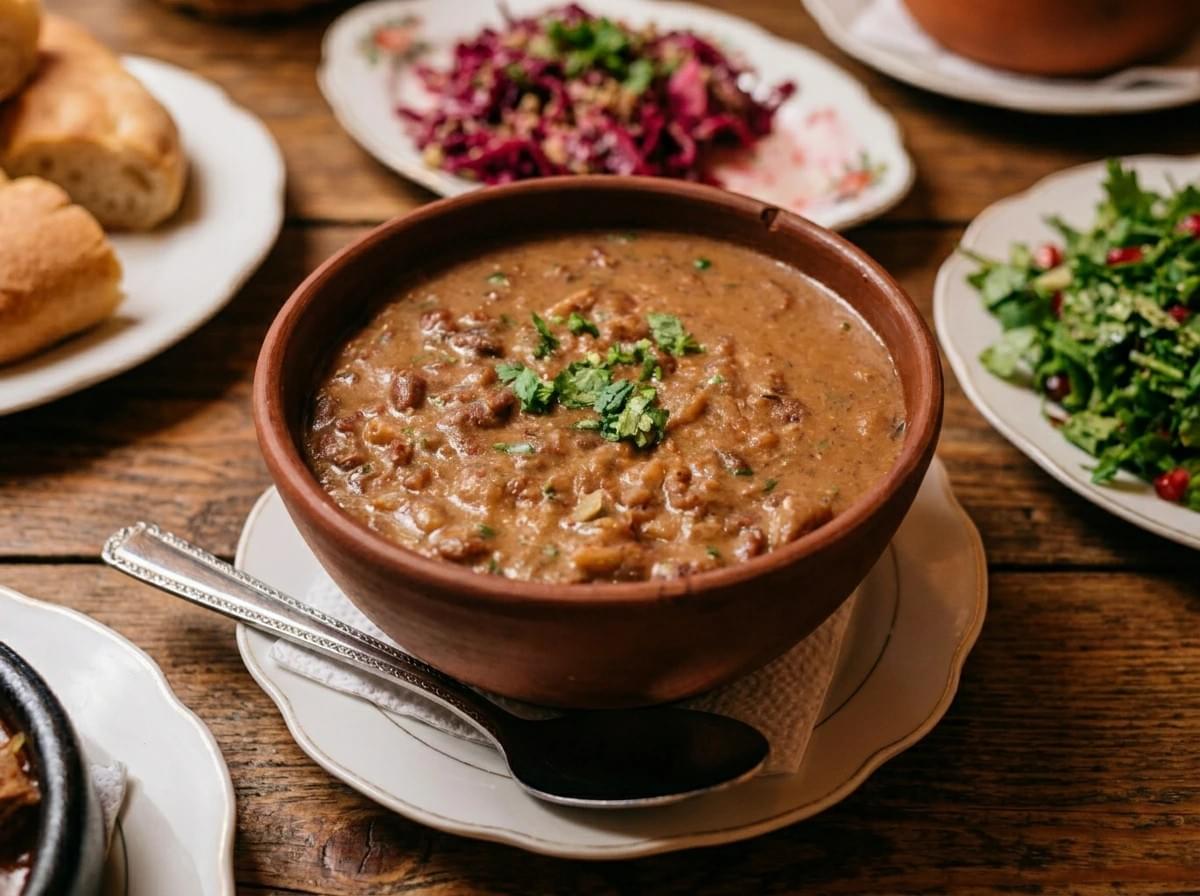
There is a pot of beans on the stove, and it has been there a while.
The kitchen smells like coriander and onion, with something nutty underneath it that you cannot quite name yet. Every so often you lift the lid, give it a stir, and the beans have gone a little softer, a little creamier. That slow patience is the whole point.
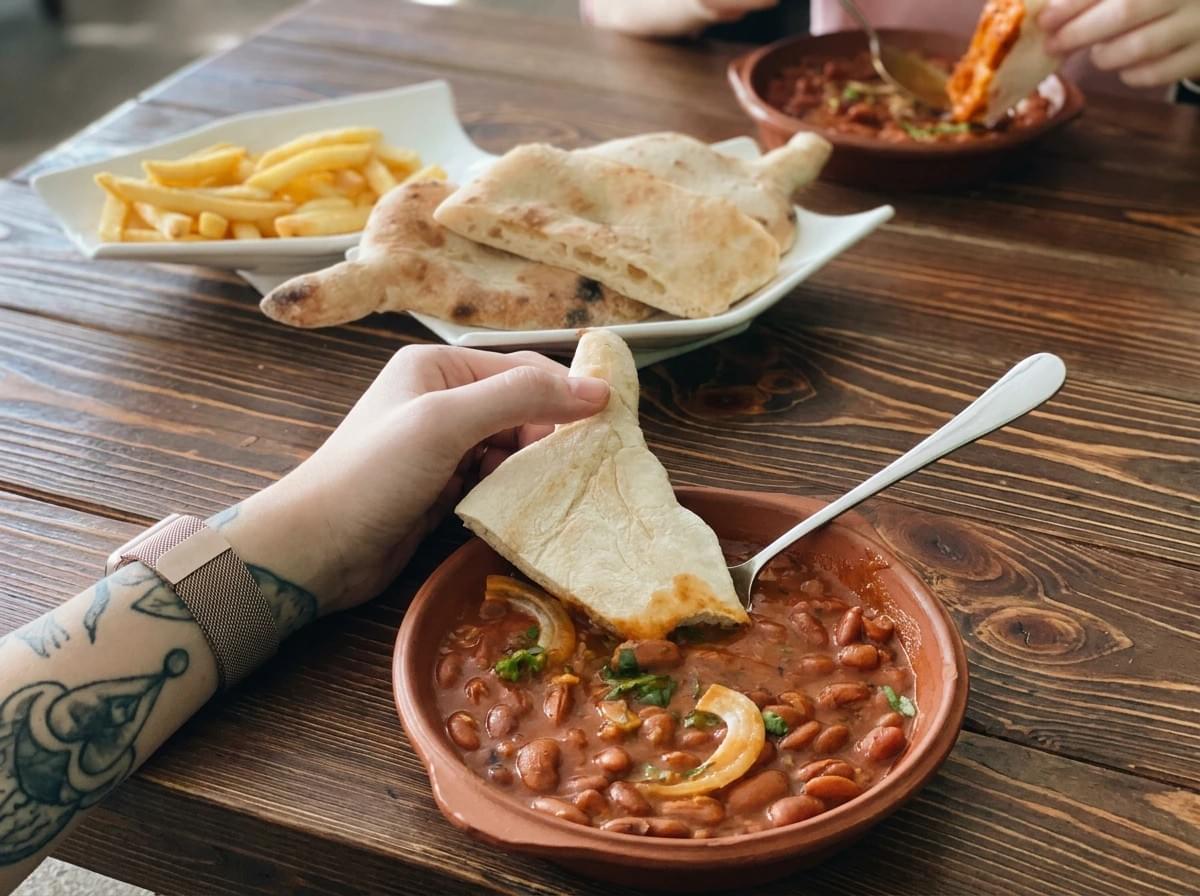
Lobio is a Georgian bean dish, warm and hearty, seasoned with herbs, gentle spice, and often a handful of walnuts for body. It costs very little to make. It fills you up. And it tastes even better the next day, which feels like a small kitchen miracle.
Here is the good news. You can make it with dried beans if you have the time, or canned beans if you do not. I will walk you through both. Let's cook.
What Is Lobio?
Lobio (say it "LOH-bee-oh") simply means "beans" in Georgian, and it covers a whole family of dishes built around them.
In Georgian home cooking, beans are a quiet staple. Lobio shows up on everyday tables and at gatherings alike, sometimes served warm and stewy, sometimes cooler and thicker, almost like a spread. Every family has their own version, tuned by the herbs they love and the spices in the cupboard.
Red kidney beans are the classic choice, and walnuts run deep through Georgian cooking, so the two often meet in the same pot. What follows is one welcoming version, not the only correct one. Georgian cuisine is generous that way. It leaves room for your hands and your taste.
Ingredients Overview
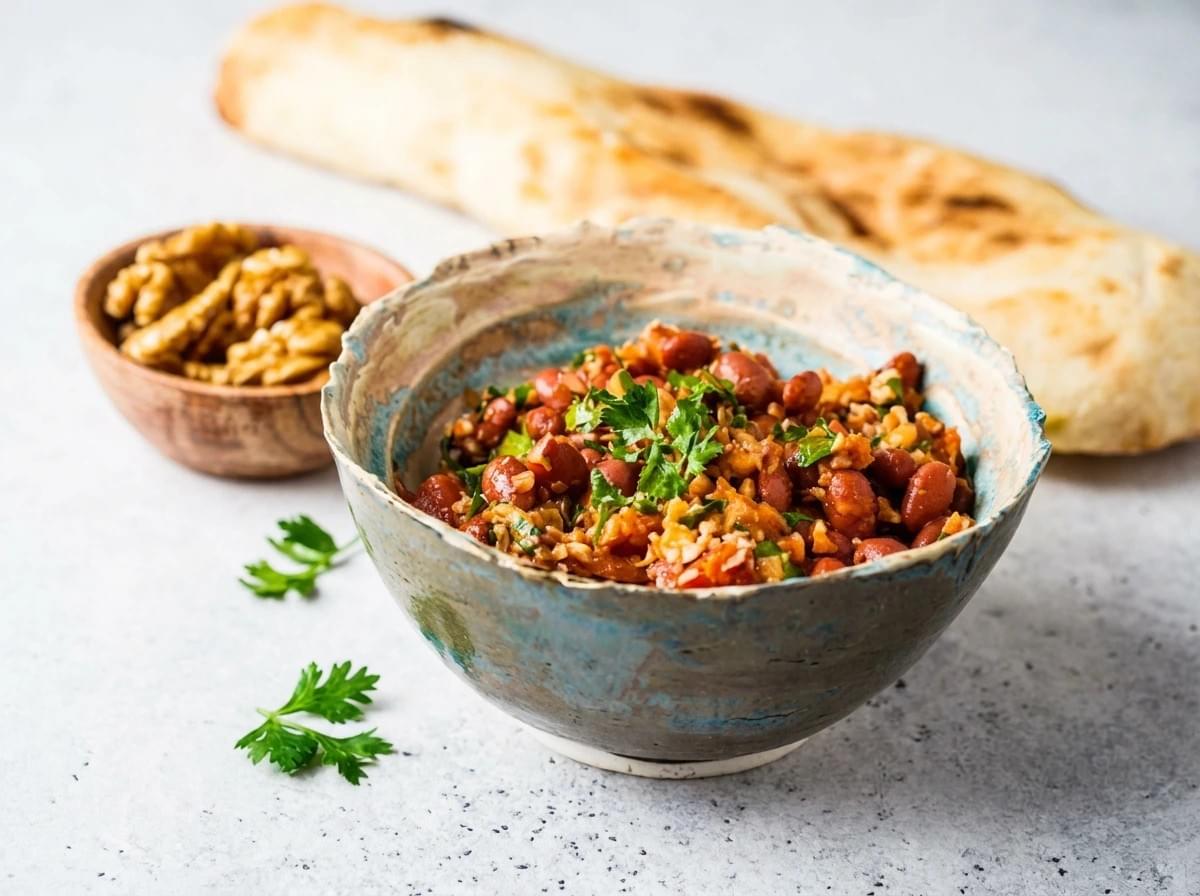
Read through once, then let's get going.
If using dried beans
- Soak (optional but helpful). Cover the beans with plenty of cold water and let them sit overnight, or for at least 4 hours. Soaking shortens the cooking time and helps them cook evenly. Drain.
- Simmer. Put the beans in a large pot, cover with fresh water by a couple of inches, and bring to a boil. Lower to a gentle simmer and cook until tender, about 1 to 1.5 hours depending on your beans. Add salt only once they are nearly soft. Salting too early can keep beans stubbornly firm. When done, they should crush easily against the side of the pot. Save about a cup of the cooking liquid, then drain.
If using canned beans
Drain and rinse the beans, and set aside about a cup of water or vegetable broth to loosen the stew later. That is it. Skip straight to building the flavor base.
Build the flavor base
- Sauté the aromatics. Warm the olive oil in a large pot over medium heat. Add the onion with a pinch of salt and cook until soft and golden, about 8 to 10 minutes. Stir in the garlic and cook another minute, until fragrant.
- Toast the spices. Add the coriander, paprika, and fenugreek if using. Stir for 30 seconds or so, just until they smell warm and toasty. This quick step wakes them up.
Bring it together
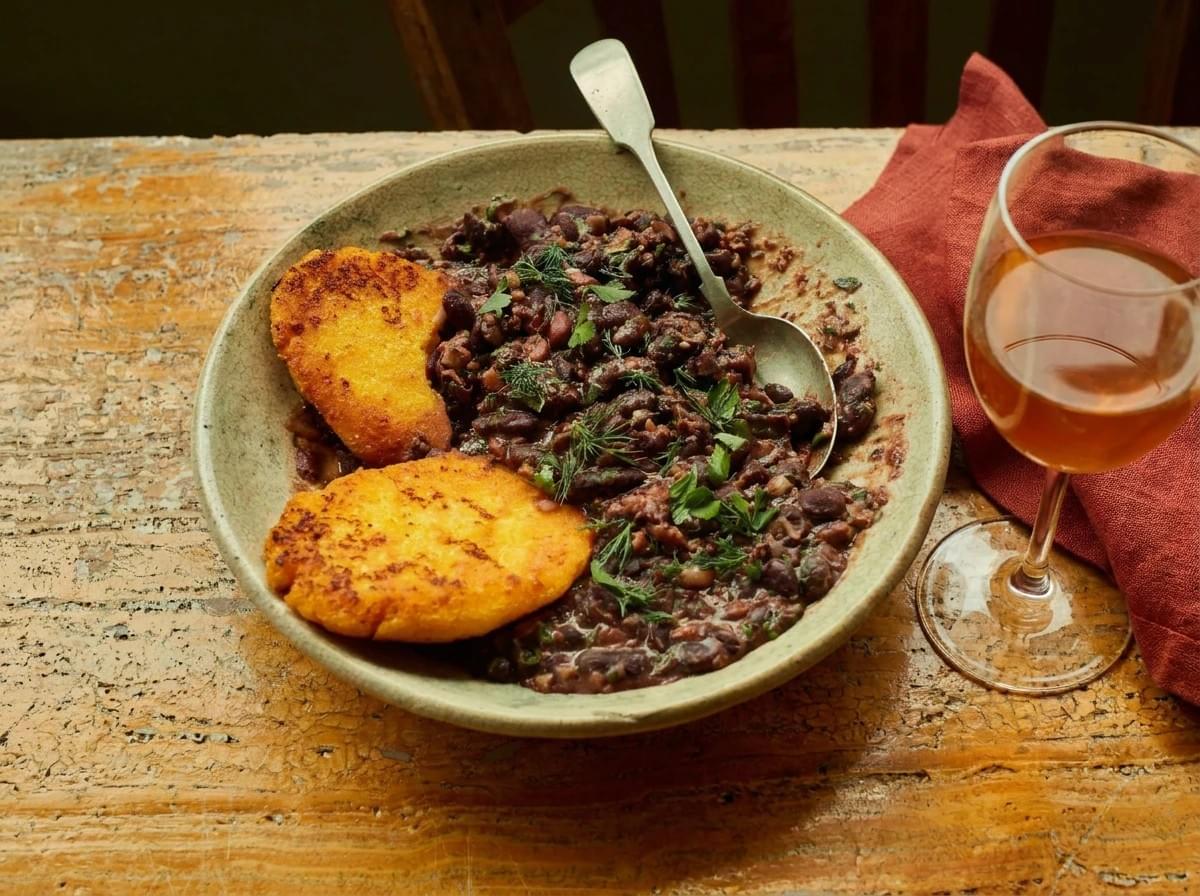
- Add the beans. Tip the beans into the pot along with a splash of the reserved liquid. Stir to coat everything in the spiced onion. Let it simmer gently for 10 to 15 minutes so the flavors settle in.
- Mash some beans. Take a spoon or a potato masher and crush maybe a third of the beans right in the pot. This is your thickener, no flour needed. The mashed beans turn creamy while the rest stay whole, and you get that lovely mix of textures.
- Fold in the walnuts. Stir in the chopped walnuts and let them warm through for a few minutes. They soften slightly and lend the whole pot a rounder, richer body.
- Finish with herbs and acid. Turn off the heat. Stir in most of the cilantro and parsley, then add the vinegar or lemon juice. Adding herbs and acid at the end keeps them bright and fresh instead of dull and cooked-out.
Texture and Flavor Notes
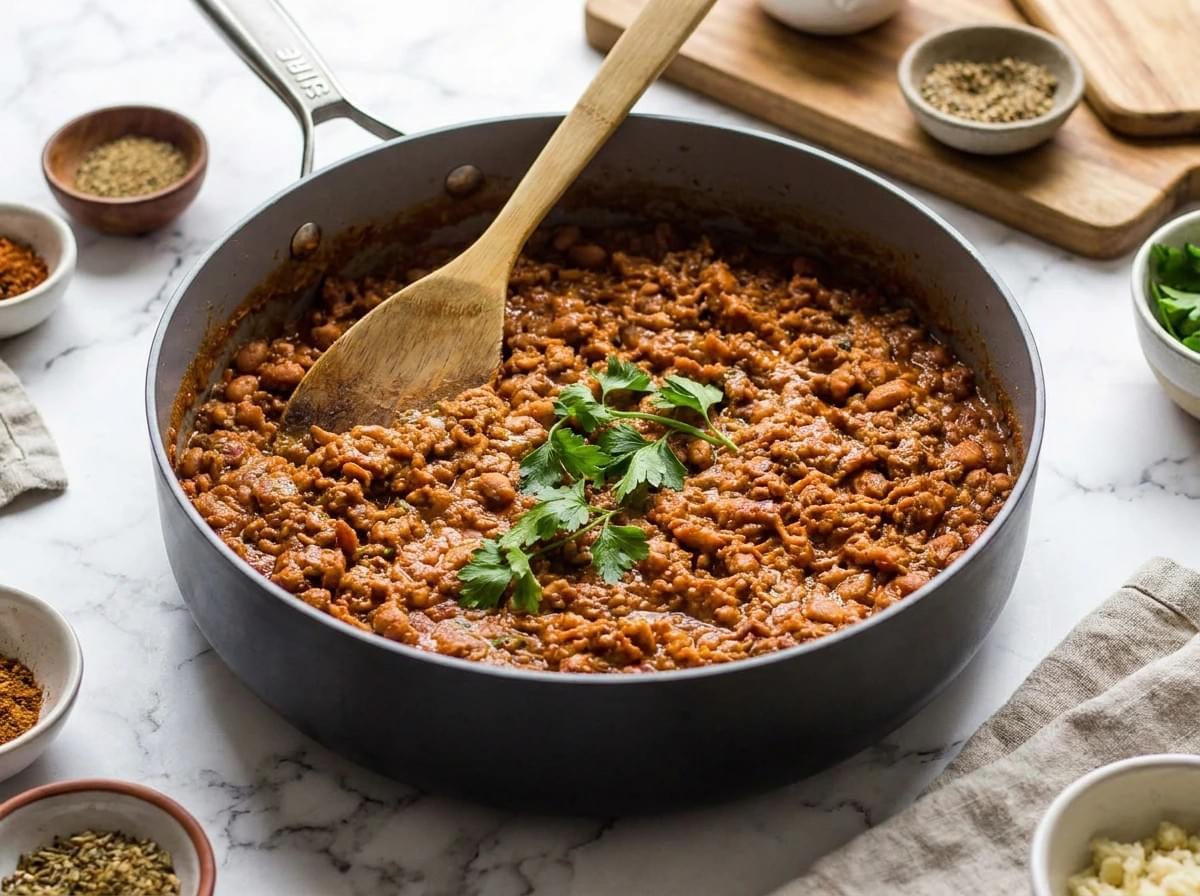
Good lobio sits in a happy middle place: creamy where you mashed the beans, tender where you left them whole. The walnuts round out the whole pot, so it feels substantial without being heavy. The coriander and paprika stay gentle, more warm than fiery, and the fresh herbs cut through with a green lift right at the end. That final splash of vinegar keeps every spoonful from feeling too rich.
Serve it warm and stewy, or let it cool to room temperature, where it firms up a little and the flavors read even clearer. Cold leftovers, straight from the fridge, are honestly a treat too.
Storage and Reheating
Lobio keeps beautifully in an airtight container in the fridge for up to 4 or 5 days. In fact, day two is often the best day.
For longer storage, it freezes well for up to 3 months. Cool it fully first, then portion it out so you can thaw only what you need.
To reheat, warm it gently on the stove with a splash of water or broth to loosen it back up. Once it is hot, refresh it with a little chopped herb and a squeeze of lemon. That quick finish brings tired leftovers right back to life.
One Last Spoonful
Some dishes ask for your whole afternoon. Lobio just asks for a little patience and a pot you trust.
It is humble food, the kind that stretches a few pantry staples into something warm and genuinely nourishing. Beans, herbs, walnuts, a little spice. Nothing loud, but it stays with you.
If you try this Georgian lobio, come tell us how yours turned out over at Our Food Rhythms. We would love to know whether you kept it classic or made it your own.
