

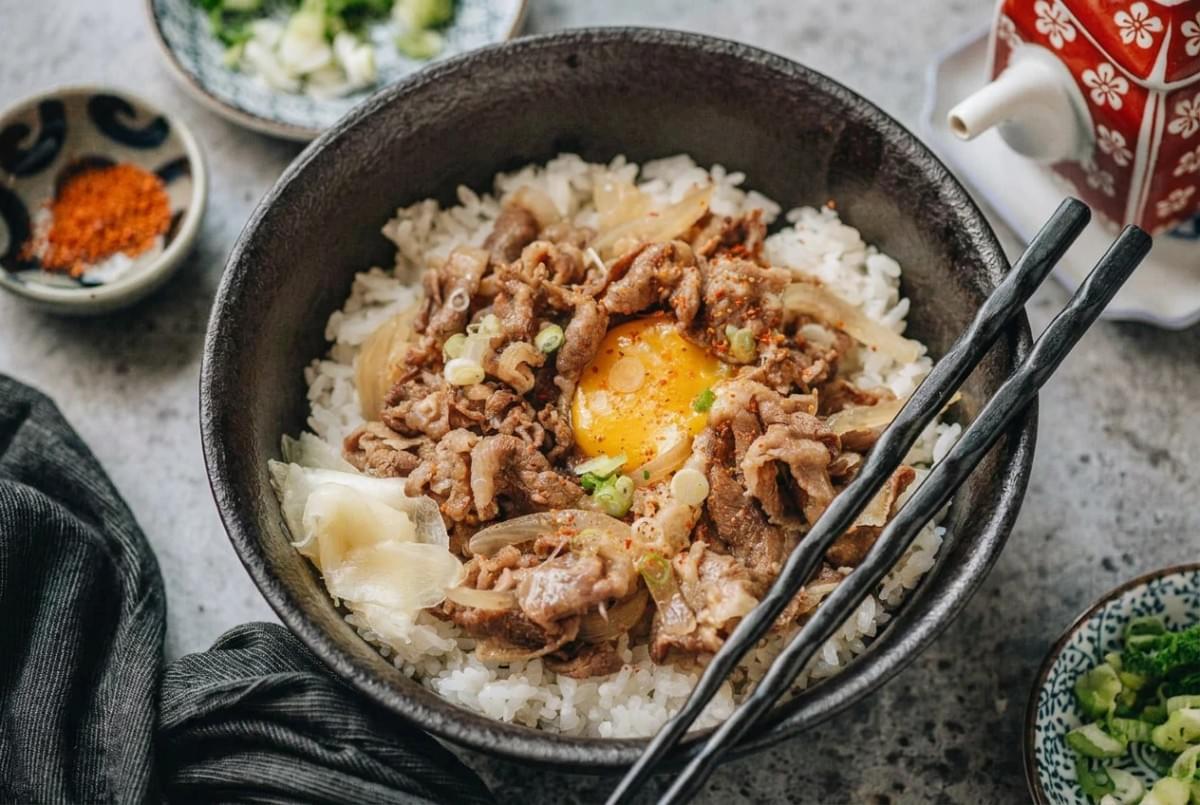
It was one of those evenings when cooking felt like too much.
Rain against the window. A quiet kitchen. The kind of tired that makes takeout tempting. But there was rice in the cooker, a little beef in the fridge, and one onion left in the basket. Fifteen minutes later, I was holding a warm bowl, the beef glossy and soft, the onions gone sweet in the broth.
That is gyudon. Not a project. Not a performance. Just a bowl that meets you where you are.
Why Gyudon Works for a Simple Rice Bowl Dinner
Some meals ask a lot of you. This one asks almost nothing.
Gyudon comes together in the time it takes rice to finish steaming. It uses a handful of ingredients, most of them things you can keep on hand. And it delivers something that feels far more considered than the effort behind it.
For a weeknight, that matters. When you want a real dinner but not a long one, a Japanese beef bowl like this quietly earns its place in your rotation.
What Is Gyudon?
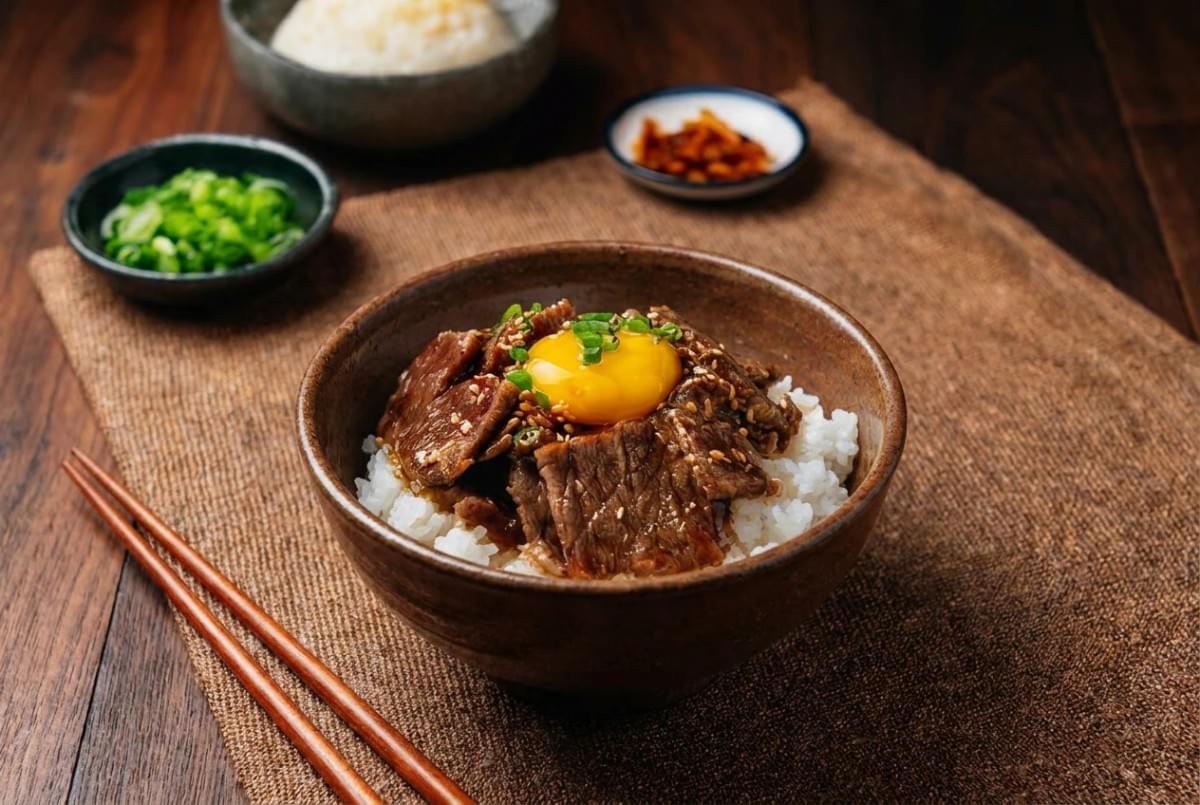
The name tells you the heart of it. "Gyu" means beef, and "don" is short for donburi, a rice bowl topped with something good. So gyudon is, plainly, a beef rice bowl.
In Japan it is everyday food. You find it at small counters and busy chains, eaten quickly between other things, and you find it at home, where families make it on ordinary nights. It carries no fuss and no ceremony. It is comfort, served in a bowl you can hold in both hands.
That humility is part of why it has lasted. Gyudon does not try to impress. It just feeds you well.
What It Tastes Like
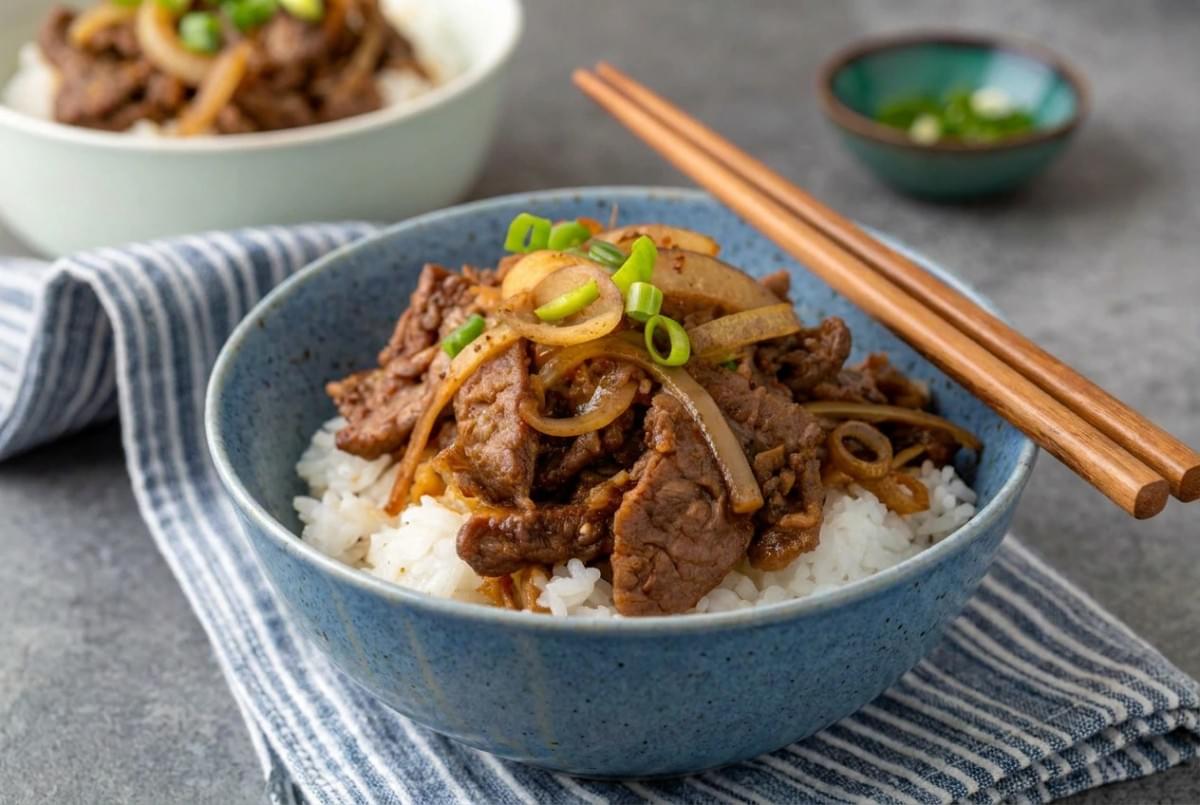
Picture thinly sliced beef, tender and just cooked through, sitting in a broth that is savory and gently sweet.
The onions soften as they simmer, turning silky and almost mild. The sauce, built from soy, mirin, sake, and a little sugar, soaks down into the rice below, so every spoonful carries some of it. Nothing is heavy. Nothing shouts. It is warm, rounded, and quietly satisfying, the kind of flavor that makes you slow down for a moment.
The Recipe
- Prep time: about 10 minutes
- Cook time: about 15 minutes
- Total time: about 25 minutes
- Servings: 2 to 4
Ingredients
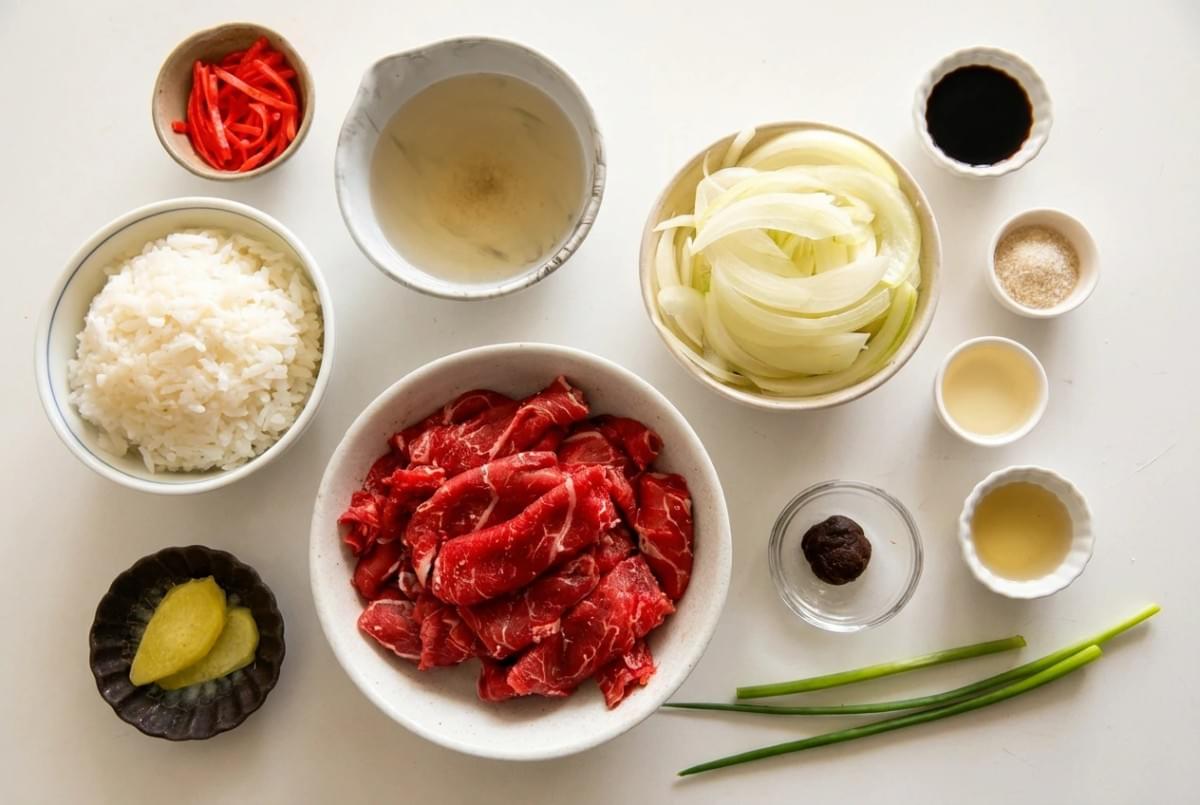
- 1/2 lb (225 g) thinly sliced beef (see notes on slicing below)
- 1 medium onion, thinly sliced
- 1/2 cup (120 ml) dashi or light broth
- 3 tablespoons soy sauce
- 2 tablespoons mirin
- 2 tablespoons sake
- 1 tablespoon sugar
- Steamed short-grain rice, for serving (about 2 to 4 bowls)
Optional toppings
- Sliced green onions
- Toasted sesame seeds
- Pickled ginger (beni shoga)
- A soft-boiled egg
- Shichimi togarashi, for a little heat
Instructions
- Start the rice. If it is not already going, get your rice steaming first. Gyudon comes together fast, and you want the rice ready and warm.
- Build the sauce. In a wide skillet or shallow pan, combine the dashi, soy sauce, mirin, sake, and sugar. Stir over medium heat until the sugar dissolves.
- Add the onions. Slide in the sliced onion and let it simmer in the sauce for about 4 to 5 minutes, until it softens and turns translucent.
- Add the beef. Lay the thinly sliced beef over the onions, spreading it out so the pieces do not clump. Let it cook gently in the simmering broth.
- Cook just until done. As the beef changes color, use chopsticks or a spoon to separate and turn the slices. This takes only 2 to 3 minutes. Pull it off the heat the moment the beef is cooked through. Thin beef overcooks fast.
- Serve. Spoon warm rice into bowls. Top with the beef and onions, then ladle a little of the broth over the rice so it soaks in.
- Finish. Add whatever toppings you like: green onions, a scatter of sesame seeds, a soft-boiled egg, some pickled ginger, or a pinch of shichimi togarashi.
Tips for Getting It Right
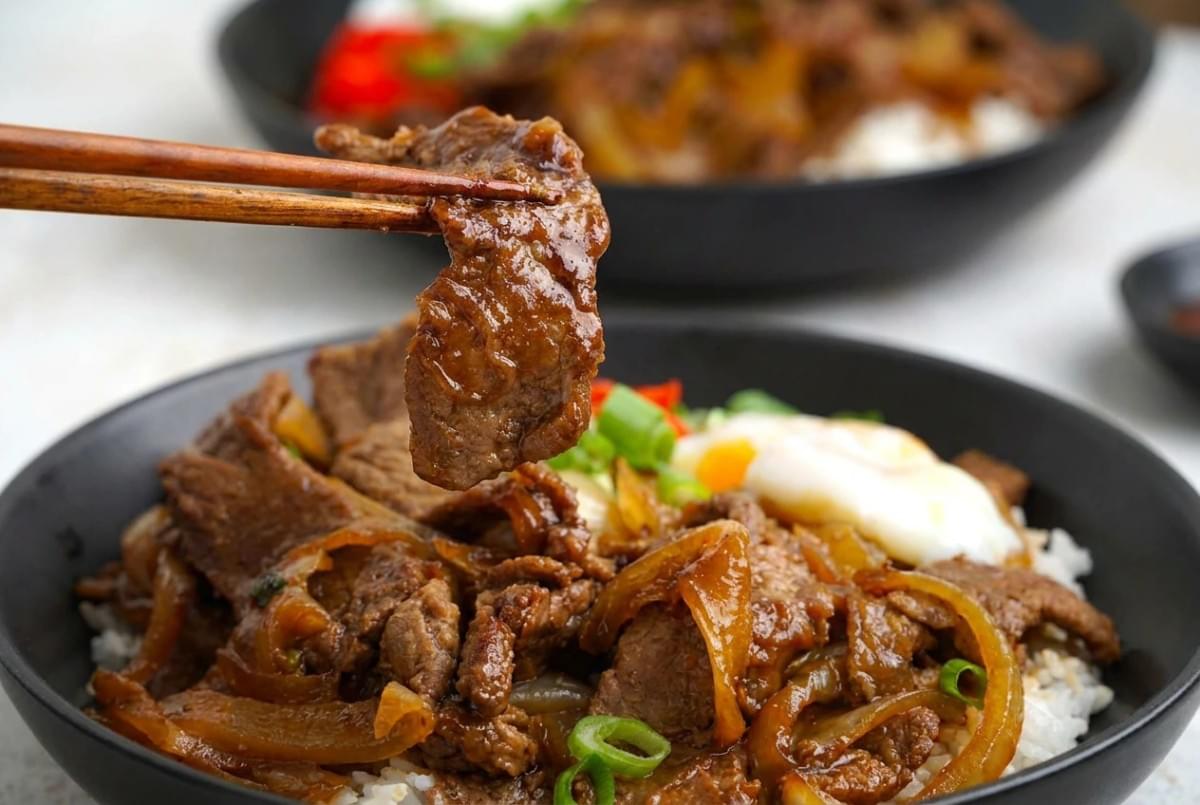
A few small things make the difference between fine and really good.
- Choose the right beef. Look for well-marbled cuts like ribeye or chuck. The fat keeps the beef tender in the broth. Many Asian groceries sell pre-sliced beef labeled for hot pot or shabu-shabu, which is perfect here.
- Slice it thin. If you are slicing your own, firm the beef in the freezer for 20 to 30 minutes first. Cold beef holds still under the knife, letting you cut it paper-thin against the grain.
- Balance the sauce. The magic of gyudon is the savory-sweet balance. Taste as you go. If it leans too sweet, a splash more soy sauce grounds it. Too salty, a small pinch of sugar softens it.
- Do not overcook. Thin beef needs only a couple of minutes. Cook it too long and it turns tough and dry, so take it off the heat while it is just done.
Substitutions
You can adjust this to what you have.
- No sake? Use a little more mirin, or a splash of dry sherry.
- No mirin? Mix a teaspoon of sugar into a tablespoon of water or sake to mimic its gentle sweetness.
- No dashi? A light chicken or beef broth works, or even water with a small extra splash of soy.
- Different protein? Thinly sliced pork works beautifully the same way.
Leftovers, Storage, and Reheating
Gyudon is best fresh, warm from the pan, but leftovers keep fine.
- Fridge: Store the beef and onions (separate from the rice, if you can) in an airtight container for up to 2 days.
- Reheating: Warm gently in a small pan over low heat, adding a splash of water or broth to loosen the sauce. Reheat only until warmed through, so the beef stays tender.
- Spoon over freshly steamed rice when you serve it again.
FAQ
What beef is best for gyudon?
Thinly sliced, well-marbled beef like ribeye or chuck. Pre-sliced hot pot or shabu-shabu beef from an Asian grocery is ideal and saves you the slicing.
Can I make gyudon without sake or mirin?
Yes. A little more mirin can stand in for sake, and a spoon of sugar dissolved in water or sake can stand in for mirin. The sauce will still be savory and sweet.
How do I keep the beef from getting tough?
Slice it thin and cook it briefly. Thin beef needs only a couple of minutes in the simmering broth. Pull it off the heat as soon as it is cooked through.
What rice should I use?
Short-grain Japanese rice is traditional and holds the sauce well. Any steamed white rice will do in a pinch.
Can I make this ahead?
You can cook the beef and onions ahead and keep them chilled for a day or two. Reheat gently and serve over fresh rice for the best texture.
One Last Bowl
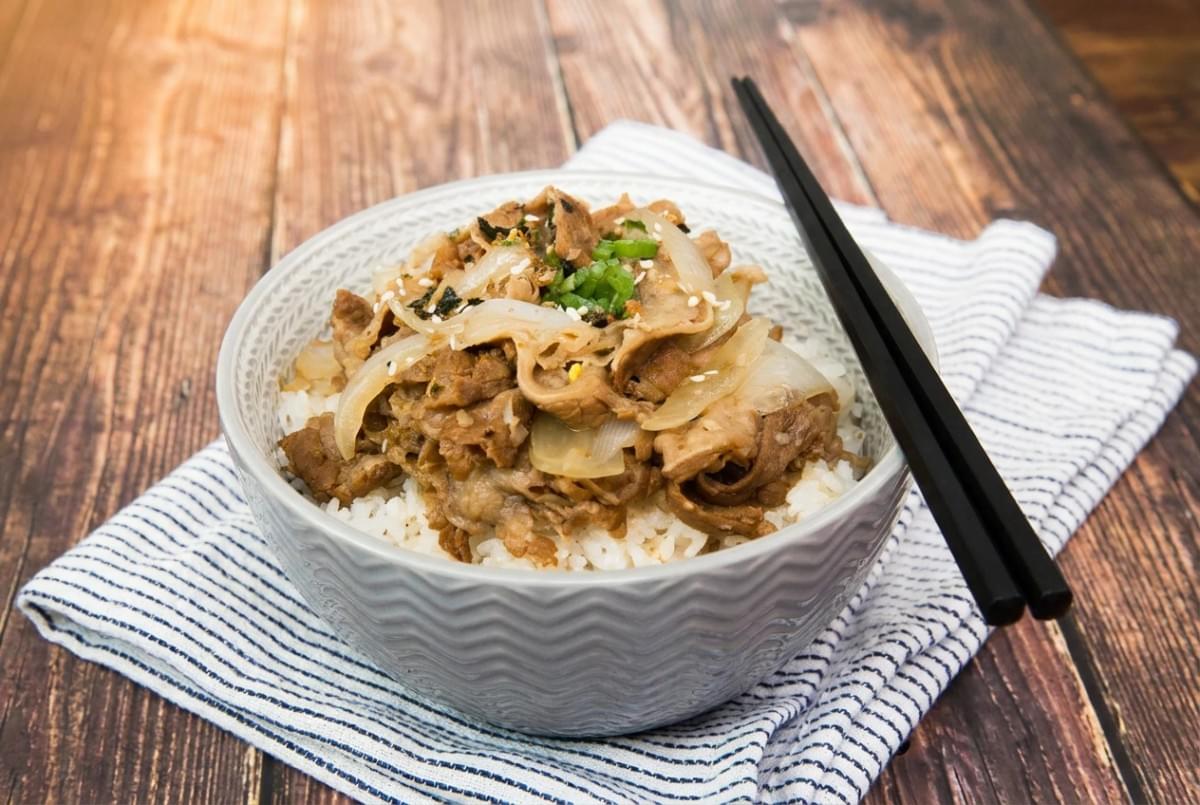
Some dinners are made to impress. This one is made to comfort.
Gyudon does not need a special occasion or a long evening. It needs a little beef, an onion, and a warm bowl of rice. In return, it gives you something honest and quietly good, the kind of meal you make on a tired night and finish feeling looked after.
Try it this week. Then come tell us how yours turned out, and what you spooned on top.
