

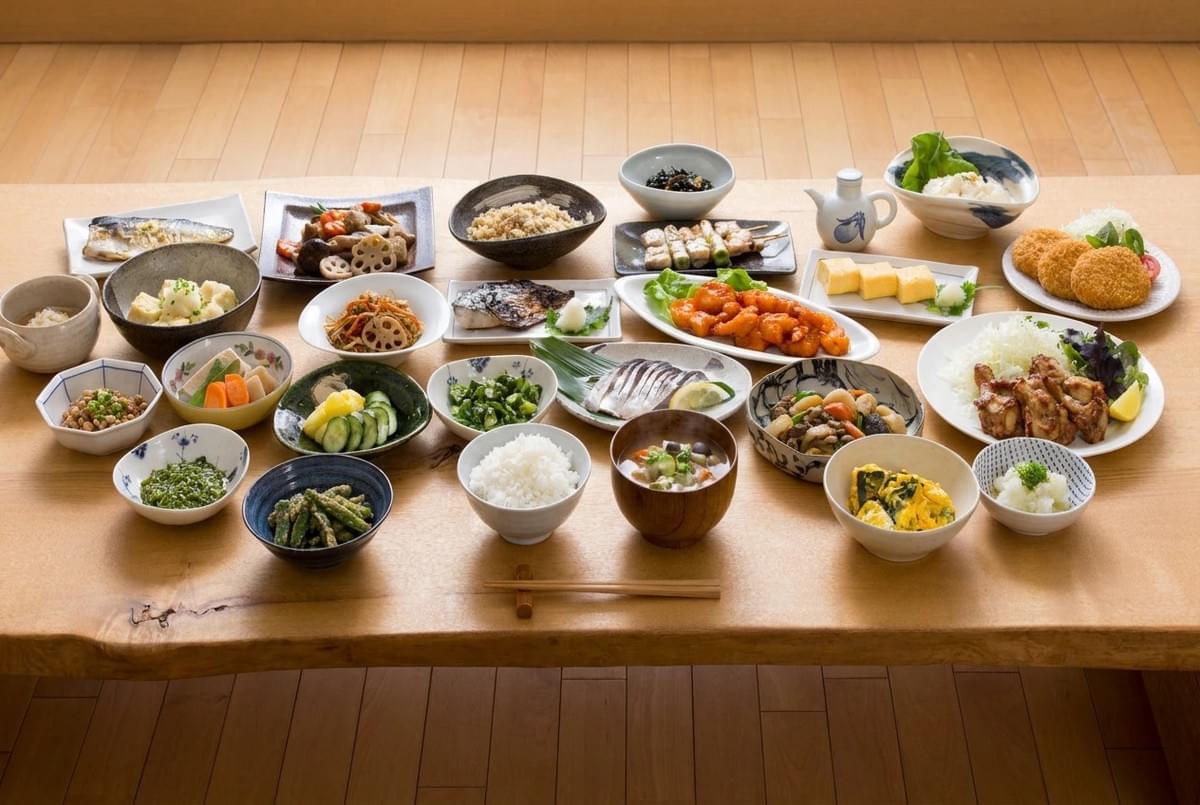
In much of the world, we eat what is available. In Japan, the older instinct is to eat what is right, right now.
That distinction sits at the heart of Japanese cuisine. A tomato in December and a tomato in July are not the same food, and traditional Japanese cooking never pretended otherwise. Instead of flattening the calendar, it followed it. The first bamboo shoots of spring. The cold sweetness of a summer cucumber. Chestnuts in autumn. A pot simmering slowly through winter.
This way of eating has a name: washoku. And it is less a set of recipes than a relationship with time.
What Is Washoku?
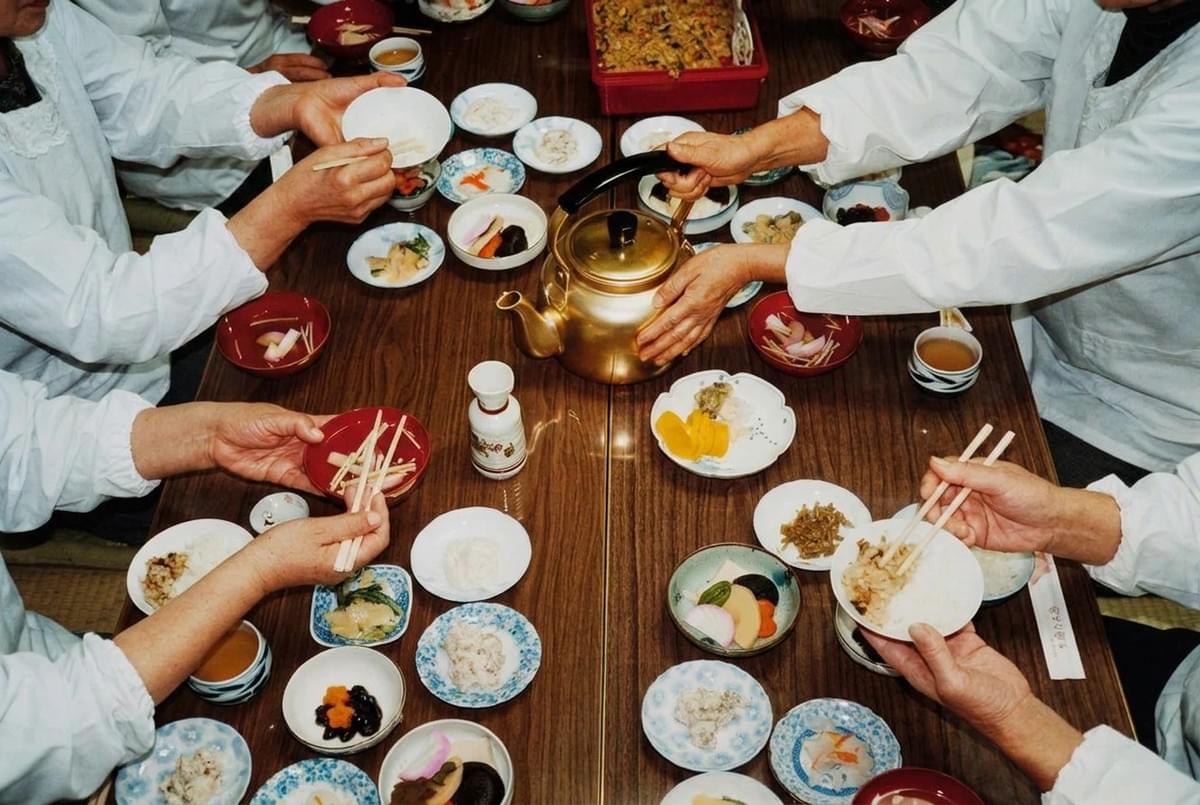
Washoku translates loosely as "Japanese food," but the word carries more weight than that. It refers to a whole tradition of eating, one built around harmony with nature and the passing of the seasons.
In 2013, UNESCO recognized washoku on its list of Intangible Cultural Heritage. It is worth being precise about what that recognition honored. UNESCO did not crown a single dish or restaurant. It acknowledged a social practice, the customs and knowledge tied to producing, preparing, and sharing food, especially around New Year and other seasonal occasions. The listing pointed to respect for nature, the use of fresh and varied ingredients, a focus on nutritional balance, and the way food strengthens family and community bonds.
In other words, washoku is not only about taste. It is about how food connects people to each other and to the land through the year.
It is also worth saying plainly: washoku is not one fixed thing. What appears on a table in Hokkaido differs from what appears in Okinawa. Home cooking differs from restaurant cooking. Every household has its own habits. The principles below are a shared framework, not a rulebook.
Why Seasonality Matters: The Idea of Shun
If washoku has a single organizing idea, it is shun.
Shun refers to the moment when an ingredient is at its peak, its brief window of best flavor, texture, and abundance. A fish has its shun. So does a vegetable, a fruit, even a variety of rice. Cooking with shun means catching food at exactly that moment and getting out of its way.
There is practical wisdom here. Ingredients at their peak taste better and often cost less, since they are plentiful. They tend to need little manipulation. A tomato in season wants salt and perhaps nothing else.
But shun is also cultural. It gives the year a rhythm. Anticipating the first catch of bonito or the arrival of new-crop rice becomes a small seasonal event. Eating becomes a way of marking time, of noticing that the world has turned.
A Closer Look at Ichiju-Sansai
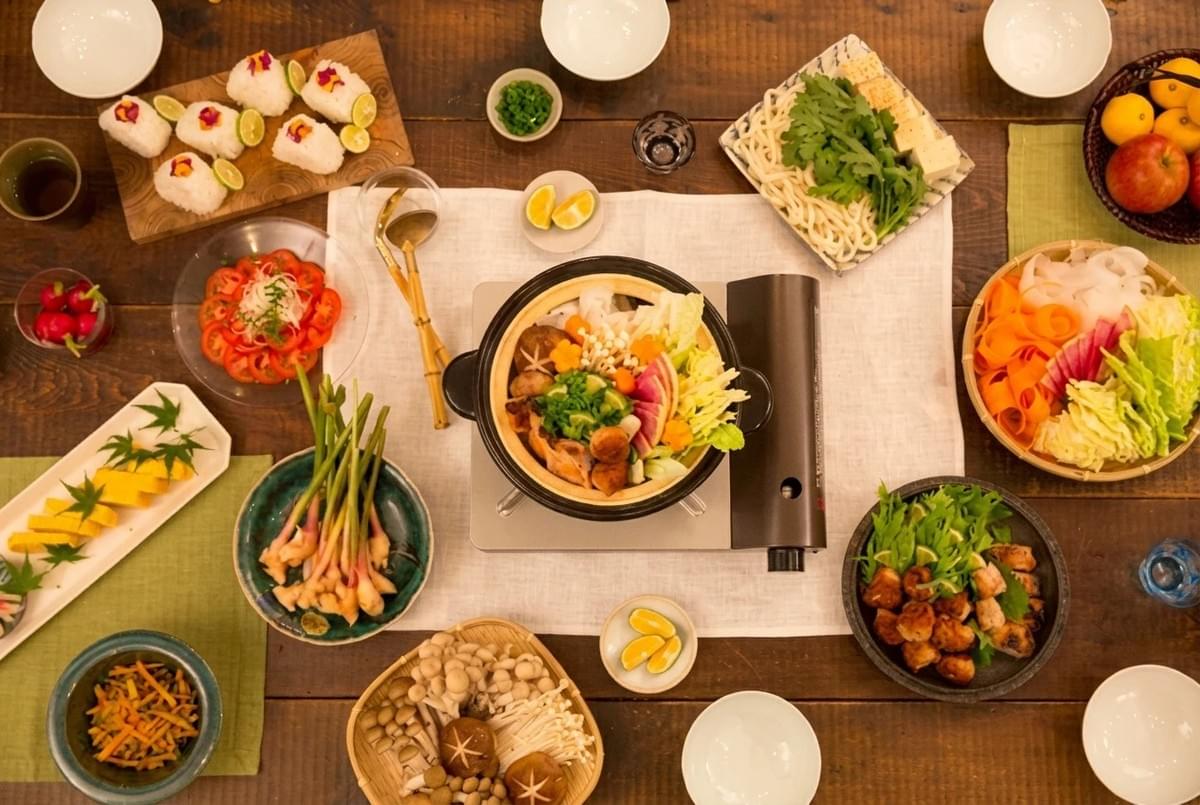
Much of everyday washoku is built on a simple structure known as ichiju-sansai, which means "one soup, three dishes."
The pattern usually looks like this:
- A bowl of rice, the quiet center of the meal
- One soup, often miso soup or a clear dashi-based broth
- Three side dishes, typically one main (often protein) and two smaller ones
Pickles and rice are generally considered a given, sitting outside the count.
The genius of this format is balance. It naturally spreads variety across a meal. The three dishes are usually prepared by different methods, perhaps one grilled, one simmered, one dressed or steamed. That means different textures, different temperatures, and a range of nutrients without much planning.
It also leaves room for the seasons to speak. Within a stable structure, the specific ingredients rotate constantly. The frame stays the same. The picture inside it changes with the months. Households adapt freely here, and a busy weeknight version might shrink to one soup and one dish without losing the spirit.
The Seasons in Practice
The clearest way to understand washoku is to watch a table change across the year.
Spring
Spring cooking celebrates tenderness and the first green shoots after winter.
Bamboo shoots (takenoko) are a signature, often simmered gently in dashi. Wild mountain vegetables known as sansai appear, along with fresh peas and the delicate herb mitsuba. Cherry blossom season brings its own small pleasures, including sakura-themed sweets and rice dishes tinted for the occasion. Sea bream (tai) is prized in spring and carries a note of celebration.
The mood is light. Colors turn pale green and soft pink.
Summer
Summer asks for coolness and refreshment against the heat and humidity.
Cucumber, eggplant, and myoga (a fragrant, mild ginger relative) come into their own. Chilled dishes take over, from cold somen noodles served over ice to hiyayakko, a simple block of cold tofu topped with ginger, scallion, and soy sauce. Grilled freshwater eel, or unagi, is a well-known summer tradition believed to build stamina. Green shiso leaves add a bright, herbal lift everywhere.
Presentation leans into the illusion of cool: glass dishes, ice, clean lines.
Autumn
Autumn is the season of harvest and deepening flavor, and for many cooks it is the richest time of year.
Matsutake mushrooms are the celebrated luxury, their aroma folded into clear soups or rice. Chestnuts (kuri), sweet potato, persimmon, and new-crop rice all arrive now. Sanma, the Pacific saury, is the classic autumn fish, grilled simply with salt and served with grated daikon. Kabocha squash turns up in simmered dishes.
The palette warms to amber, russet, and gold.
Winter
Winter cooking is about warmth, comfort, and slow gathering around a shared pot.
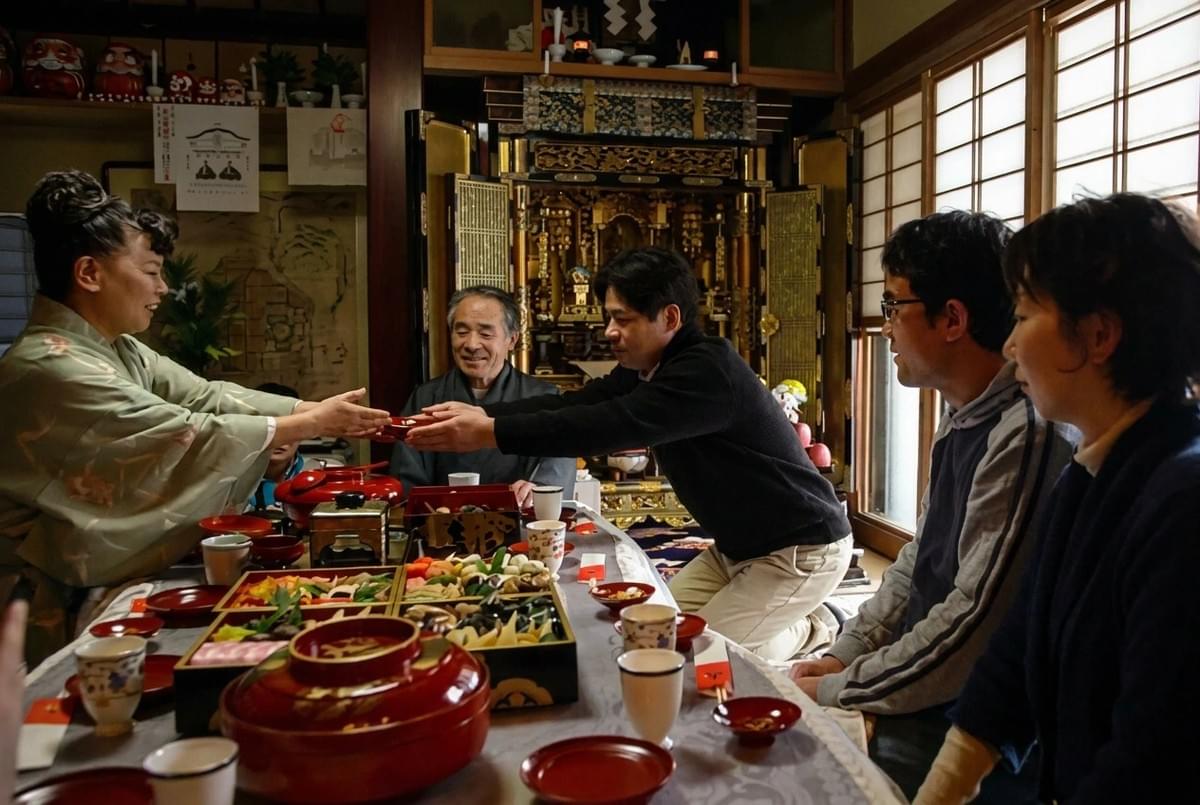
This is the season of nabe, hot pots cooked at the table, and of oden, a gently simmered assembly of daikon, egg, fish cakes, and more in a light broth. Root vegetables anchor the kitchen. Crab and yellowtail (buri) reach their peak. Citrus like yuzu brightens the cold months, its peel shaved over soups and simmered dishes. New Year brings osechi ryori, an elaborate spread of symbolic foods eaten to welcome the year.
Everything turns toward heat and togetherness.
Aesthetics on the Table
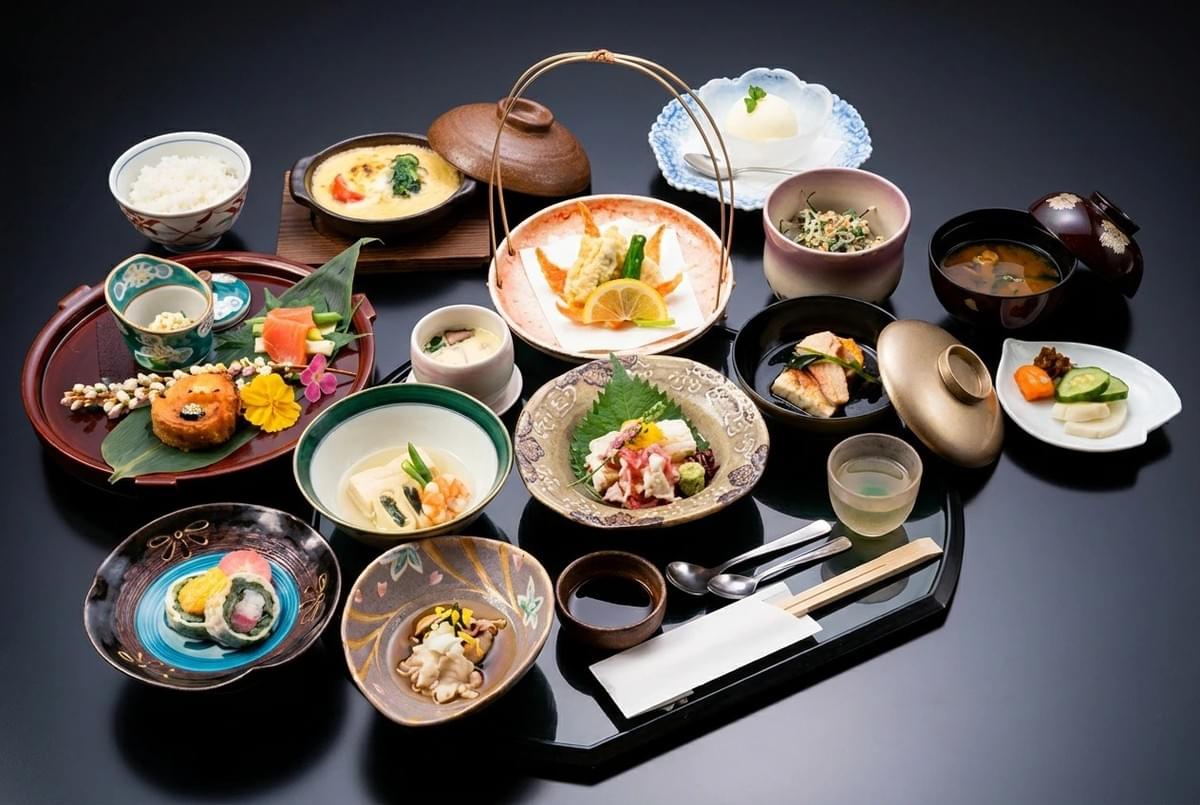
In washoku, how food looks is not decoration added at the end. It is part of the cooking itself.
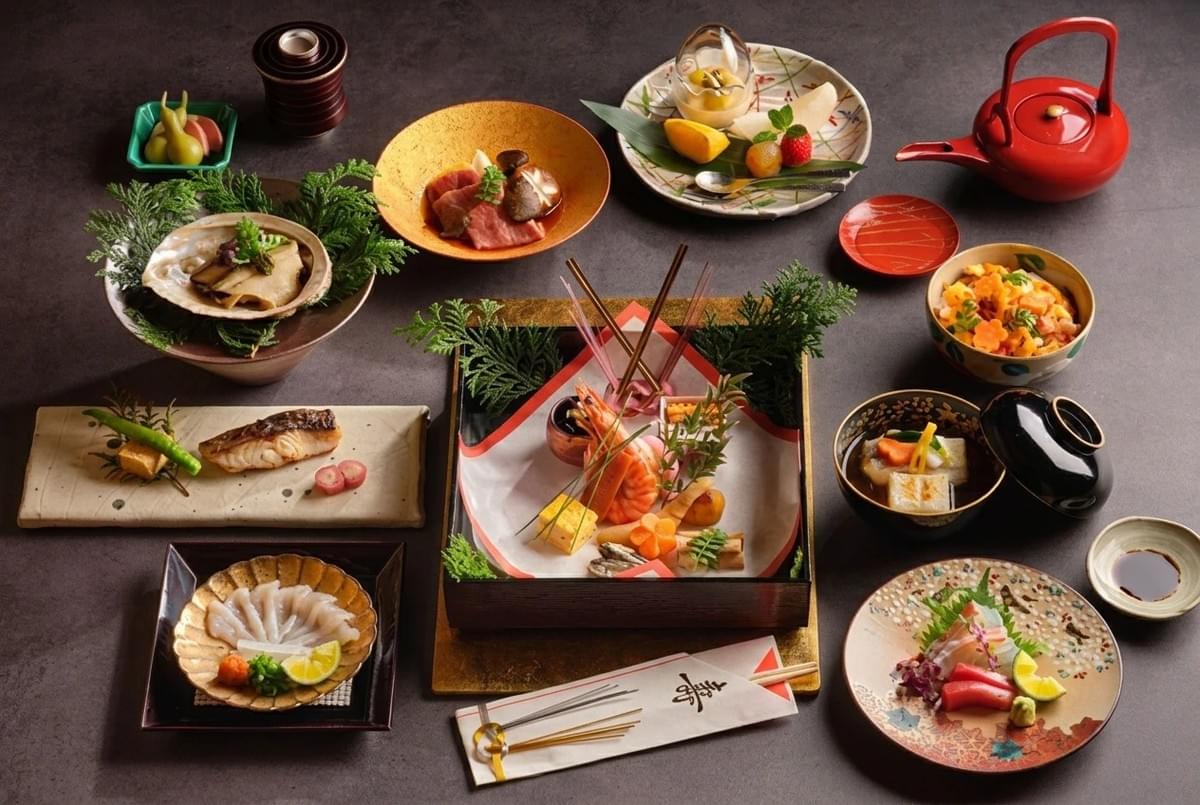
The eye is fed first. Cooks pay close attention to color balance, often aiming for a natural range across a meal rather than a single dominant shade. A little red, some green, white, yellow, and something dark create a plate that feels complete.
Tableware carries real meaning here. A meal is usually served across several small, different vessels rather than one large plate. The shapes and materials often shift with the season, cool glass and celadon in summer, heavier ceramics and lacquer in winter. Matching the dish to the vessel is a quiet art in itself.
Garnishes tend to signal the season directly. A single maple leaf in autumn. A sliver of yuzu peel in winter. A cherry blossom motif in spring. These are small gestures, but they tell the diner exactly where in the year they are sitting.
Portioning is mindful and generally restrained. The goal is not abundance for its own sake, but enough, arranged with care and a sense of space.
The Values Underneath
Behind the food sit a few consistent values.
Balance runs through everything, in nutrition, color, texture, and cooking method. Respect matters too, respect for the ingredient, for the effort behind it, and for the people at the table. There is a strong instinct against waste, an idea sometimes expressed as mottainai, which mourns the loss of anything used carelessly. Vegetable trimmings become stock or pickles. Little is thrown away without thought.
Food is also communal. Many washoku traditions, from the shared hot pot to the New Year spread, are built for a table of people rather than a single diner.
These values show up in daily etiquette. Before eating, many people say itadakimasu, a phrase of gratitude that acknowledges everyone and everything that made the meal possible. After eating, gochisousama deshita offers thanks for the feast. Both are small, and both keep gratitude woven into ordinary meals.
How to Practice Washoku at Home
You do not need to be in Japan, or to master years of technique, to cook in this spirit. You mostly need to shift your attention.
Start by shopping with the seasons where you live. The principle of shun travels. Buy what your local growers have in abundance right now, and let that lead the menu rather than a fixed recipe. Substitution is not a betrayal of the tradition. It is faithful to it. If you cannot find mitsuba, a little parsley or celery leaf can stand in. Swiss chard or kale can step in for Japanese greens.
A small, reliable pantry does most of the work. These are the building blocks worth keeping on hand:
- Dashi ingredients: kombu (dried kelp) and katsuobushi (dried bonito flakes) for a classic stock. Dried shiitake and kombu make a fine plant-based version.
- Miso: a fermented soybean paste for soups and dressings. White (mild) and red (bolder) each have a place.
- Soy sauce: the backbone of seasoning. A good all-purpose koikuchi soy sauce covers most needs.
- Mirin: a sweet rice wine that adds gentle sweetness and shine to simmered dishes.
- Rice and rice vinegar: short-grain rice for the center of the meal, vinegar for pickles and dressings.
With dashi, miso, soy sauce, and mirin alone, you can season a remarkable range of dishes.
Then borrow the ichiju-sansai frame. Cook a pot of rice, make a simple miso soup, and build two or three small dishes around whatever is freshest. Vary the methods, one grilled, one simmered, one raw or dressed, and you have a balanced meal almost by accident.
A Sample Autumn Menu
Here is one way it might come together in autumn, following the one soup, three dishes pattern:
- Rice: steamed short-grain rice, ideally new-crop if you can find it
- Soup: miso soup with sweet potato and scallion
- Dish one (grilled): salt-grilled mackerel or salmon with grated daikon
- Dish two (simmered): kabocha squash simmered in dashi, soy sauce, and mirin
- Dish three (dressed): blanched spinach with a light sesame dressing
- Pickles: quick-pickled cucumber or whatever vegetable is on hand
Nothing here is difficult. What makes it washoku is not complexity. It is attention.
An Invitation to Eat with the Seasons
The deepest lesson of washoku is also the simplest. Pay attention to the year, and let it shape what you cook.
You can begin with a single meal. Walk through a market this week and notice what is genuinely in season where you are. Cook one of those ingredients plainly, and give it a bowl of its own. Say a quiet thanks before you eat, if that feels right.
You will not be replicating a Japanese table exactly, and you do not need to. You will be practicing the idea underneath it, the belief that food tastes best, and means most, when it arrives at the right time. That is an invitation worth accepting, wherever your own kitchen happens to be.
