

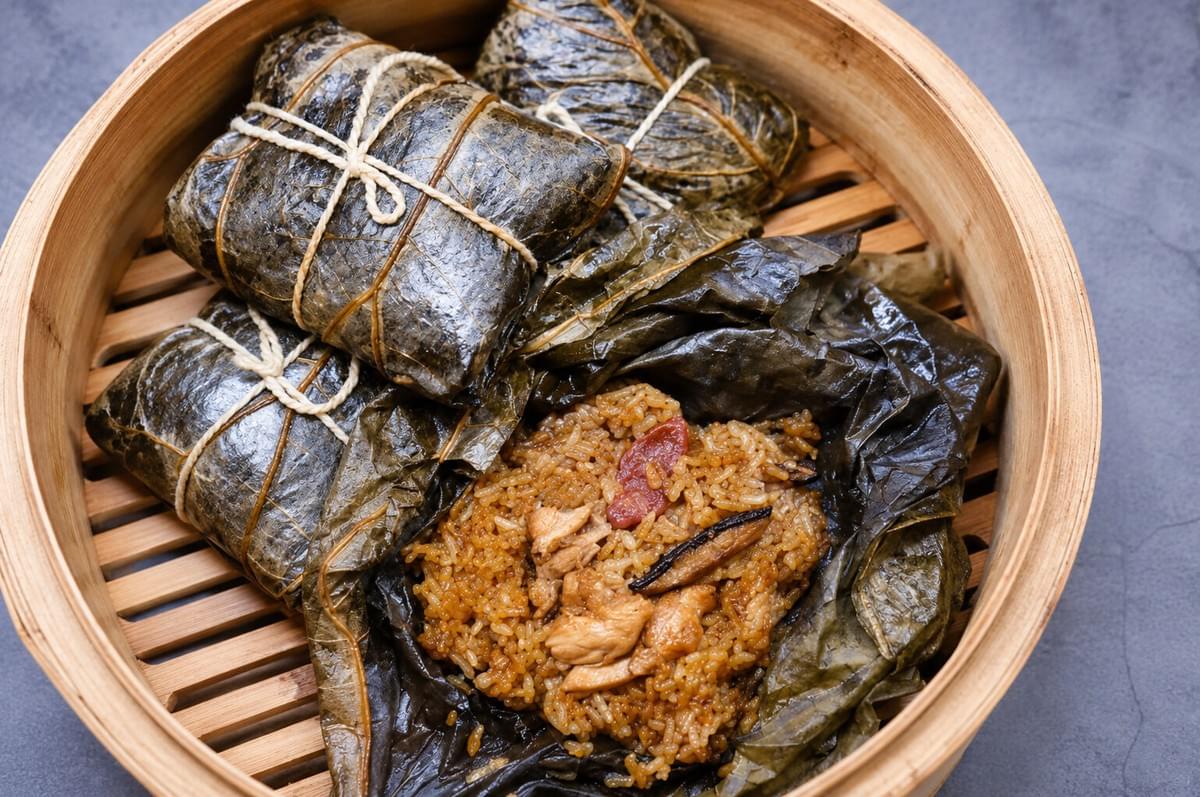
The best part comes before the first bite.
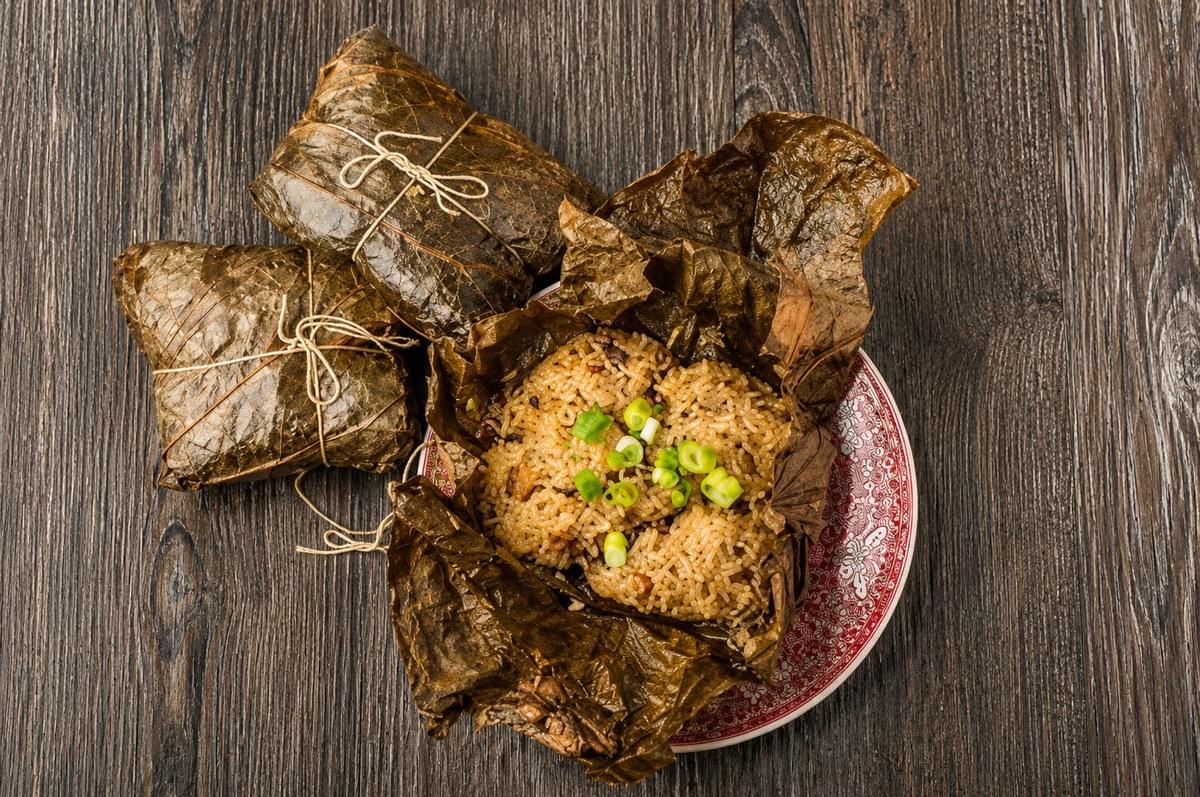
You set the warm parcel on the table, still steaming a little, tied with string or just folded snug. You loosen the leaf, and out rushes a smell that is hard to describe until you have met it. Grassy and green, tea-like, a bit like walking past a pond on a warm morning. It settles over the rice and makes the whole thing smell like somewhere you have been before, even if you haven't.
Then the rice. Soft, glossy, a little sticky, holding pockets of savory filling. Chicken, sausage, mushroom, all soaked in the flavor of the leaf.
This is lotus leaf sticky rice. If you have had dim sum, you may know it as lo mai gai, one of those steamer baskets the cart pushes past. Making it at home takes a little patience, but nothing about it is hard. Let me walk you through it.
A Little Background
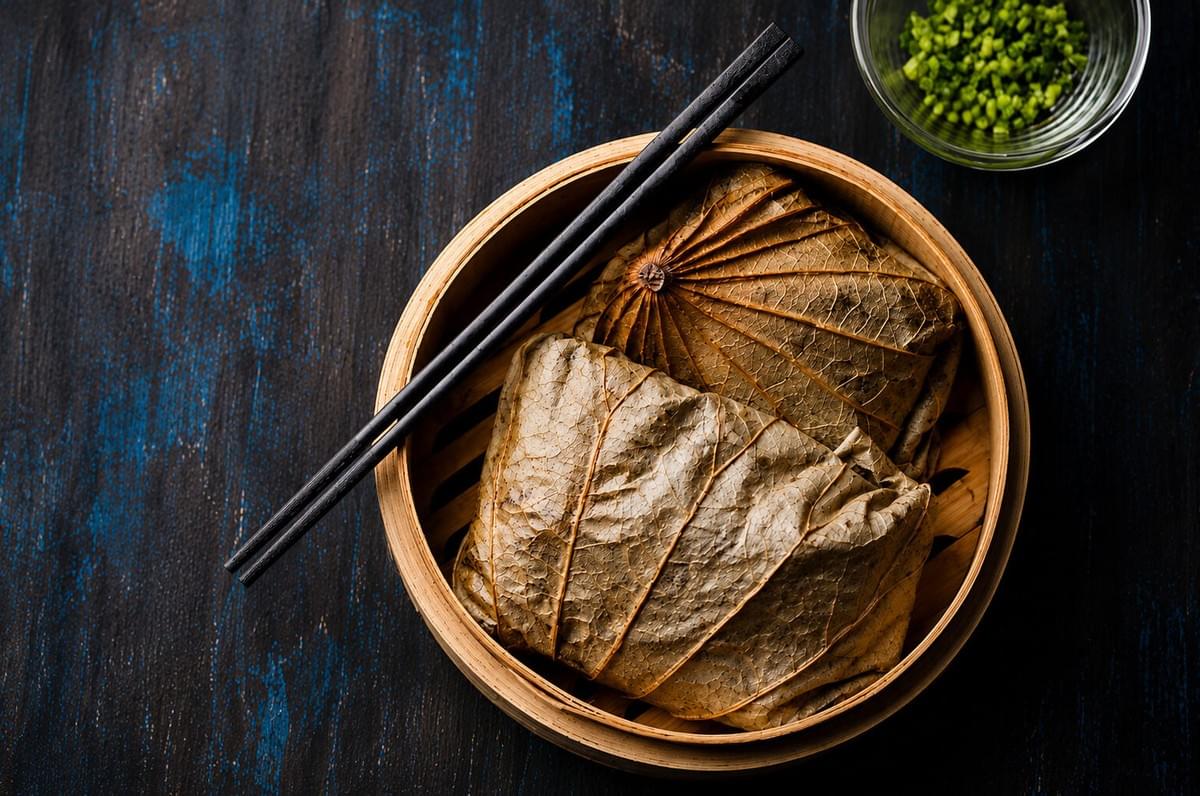
Lotus leaf sticky rice comes from Cantonese cooking, where it shows up on dim sum tables and family stoves alike. The everyday dim sum version, lo mai gai, tucks glutinous rice and a chicken filling into a lotus leaf, then steams it until everything melts together.
Why the lotus leaf? It is not just for looks. As the parcel steams, the leaf gives off a gentle, earthy fragrance that soaks right into the rice. It also holds everything in a tidy bundle and keeps the rice moist. No leaf, no magic. That aroma is the whole soul of the dish.
The filling changes from kitchen to kitchen. Some keep it simple. Others add dried shrimp, salted egg, or a spoon of the braising liquid. This is a home cook's version, friendly for beginners, easy to make your own.
Before You Start
- Prep time: 30 minutes (plus soaking)
- Cook time: 1 hour steaming
- Servings: 4 parcels
- Difficulty: Easy to moderate (the wrapping takes a little practice, and that is okay)
Most of the work here is waiting. The rice needs a good soak, and the parcels need a long, slow steam. Hands-on time is short.
Ingredients
For the rice
- 2 cups glutinous rice (also called sticky rice or sweet rice)
- 1 tablespoon soy sauce
- 1 teaspoon sesame oil
- A pinch of salt
Glutinous rice is the whole point here. Regular rice will not give you that soft, chewy stickiness. Rinse it well until the water runs clearer, then soak it for at least 4 hours or overnight. Soaking softens the grains so they steam evenly instead of staying hard in the middle. Do not skip it.
For the filling
- 2 boneless chicken thighs, cut into bite-size pieces
- 2 Chinese sausages (lap cheong), sliced thin on an angle
- 4 to 6 dried shiitake mushrooms, soaked and sliced
- 2 scallions, chopped
- 1 tablespoon soy sauce
- 1 teaspoon oyster sauce
- 1 teaspoon sugar
- 1 teaspoon cornstarch
- A splash of Shaoxing wine (optional)
For wrapping
- 4 lotus leaves
Lotus leaves come dried (most common), frozen, or sometimes fresh. Dried leaves need soaking in hot water for about 30 minutes until soft and pliable, then a quick rinse. Frozen ones just need thawing. If a leaf tears, no worry, you can overlap two.
Equipment
- A large steamer (a bamboo steamer, a metal steamer, or a rack set in a wok or deep pot)
- A wok or skillet for the filling
- Two or three mixing bowls
- Kitchen string or foil (optional, to secure the parcels)
- A large bowl or pan for soaking the leaves
Step-by-Step
Read through once before you begin. The flow is simple: soak, cook the filling, steam the rice a little, wrap, then steam it all together.
- Soak everything. Rinse and soak the glutinous rice (4 hours or overnight). Soak the dried mushrooms in warm water until soft, about 30 minutes. Soak the lotus leaves in hot water until pliable, about 30 minutes. This can all happen at once.
- Season the rice. Drain the soaked rice well. Toss it with the soy sauce, sesame oil, and a pinch of salt so it takes on a light color and flavor.
- Par-steam the rice. Line your steamer with parchment or a damp cloth and spread the rice in an even layer. Steam over high heat for about 20 minutes, until the grains turn tender and glossy but not fully soft. It will finish cooking inside the parcels. Set it aside.
- Cook the filling. In a bowl, toss the chicken with the soy sauce, oyster sauce, sugar, cornstarch, and wine if using. Heat a little oil in your wok over medium-high. Add the sausage first and let it crisp slightly and release its fat, about 1 minute. Then add the mushrooms and chicken. Stir-fry until the chicken is cooked through and smells savory, about 5 to 6 minutes. Toss in the scallions at the end. Take it off the heat.
- Prep the leaves. Rinse the softened lotus leaves and pat them dry. Trim away the tough center stem and any hard edges. Cut each leaf in half if it is very large, so you have a good wrapping surface.
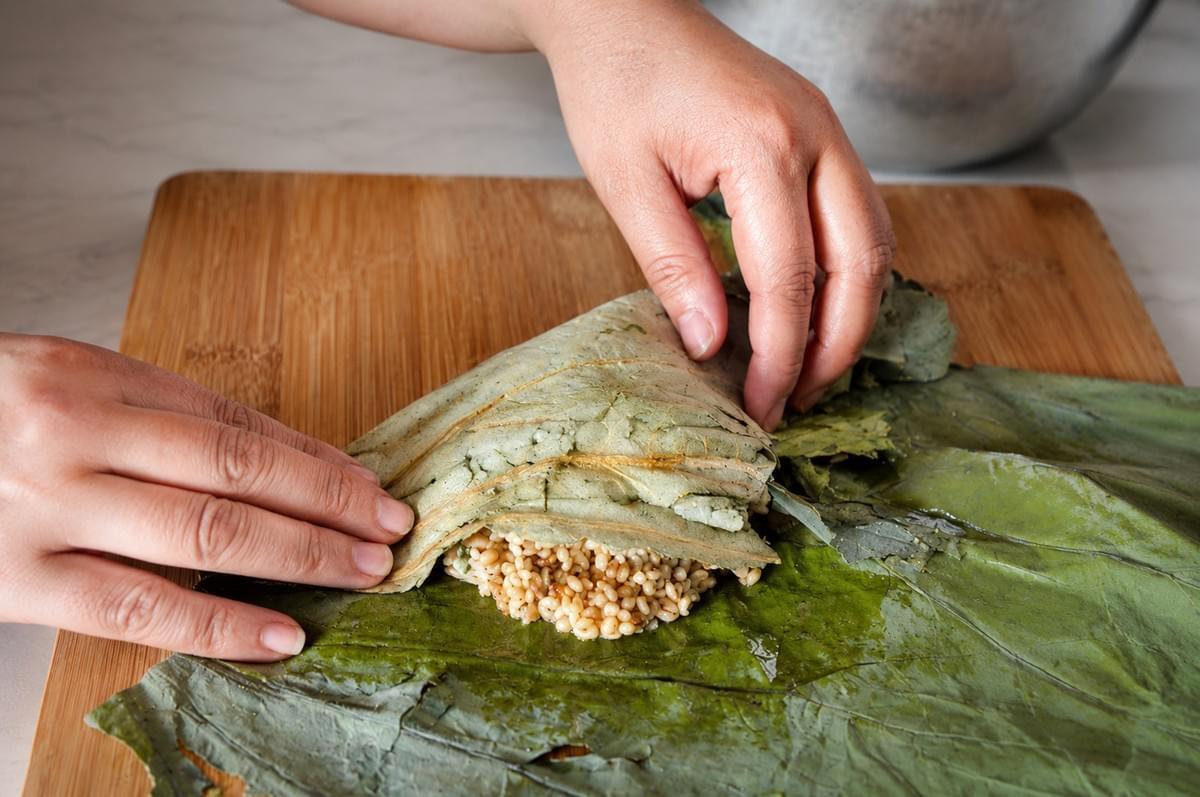
- Assemble the parcels. Lay a leaf shiny-side up. Spoon a mound of rice into the center and press a little well into it. Add a spoonful of filling, then top with more rice to cover. Press gently into a neat rectangle.
- Wrap it up. Fold the bottom of the leaf up over the rice, then the top down, then fold in the sides to make a snug parcel. Turn it seam-side down. Tie with string or wrap in foil if it feels loose. It does not need to be perfect. It needs to hold together.
- Steam. Arrange the parcels seam-side down in your steamer. Steam over medium-high heat for about 30 to 40 minutes. You will know it is ready when the whole kitchen smells of that green, earthy lotus aroma and the rice underneath feels fully soft and tender.
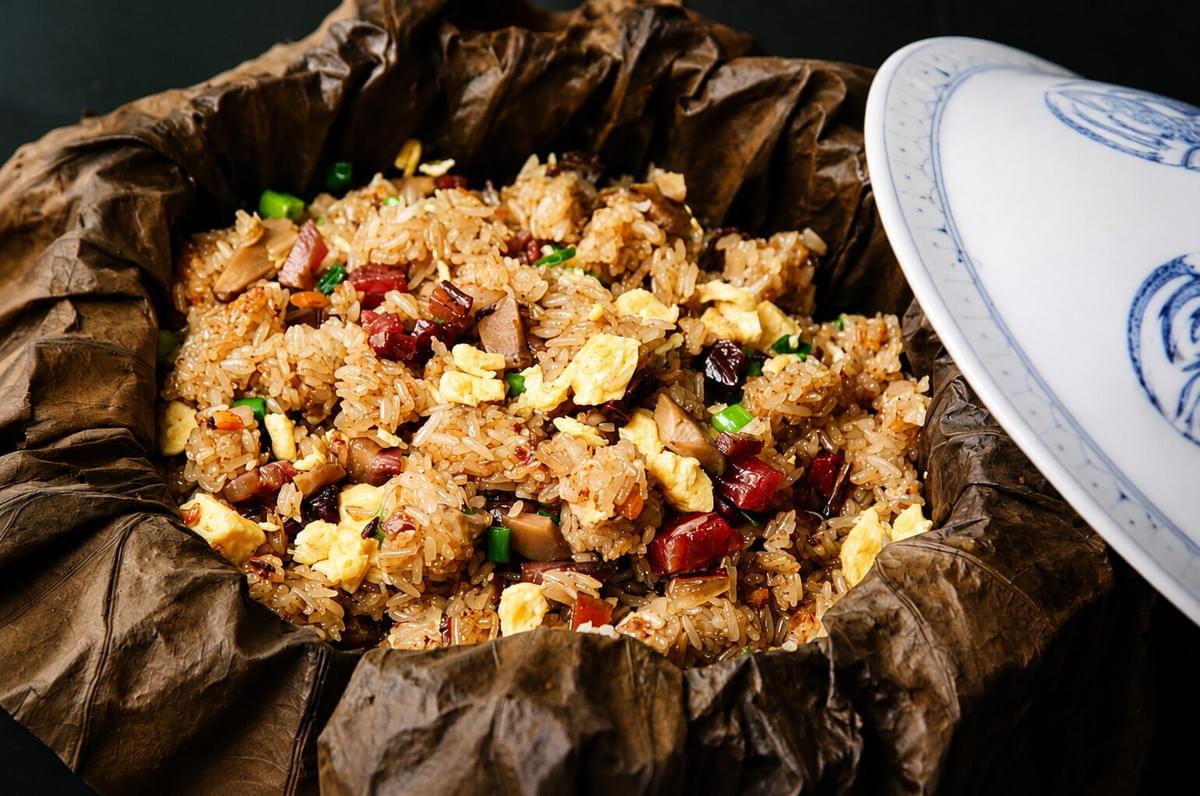
- Rest, then open. Let the parcels sit a minute or two off the heat. Then set one on a plate, untie it, and fold back the leaf. That first rush of steam and fragrance is the reward for all that patience.
Tips
- Do not skip the rice soak. Undersoaked rice stays chalky in the center, no matter how long you steam.
- Keep the water topped up. For a long steam, check the pot now and then so it does not run dry.
- Overlap torn leaves. A cracked leaf is fine. Lay a second one underneath and carry on.
- Avoid soggy rice. Drain the rice well after soaking, and use a damp cloth or parchment rather than pooling water in the steamer.
- Season a touch bolder. The rice mutes flavors as it steams, so make the filling a little more savory than you think you need.
- Make ahead. You can assemble the parcels a day early, keep them chilled, and steam them fresh when you want to eat.
Storage and Reheating
Cooked parcels keep well, which is part of why this dish is so loved.
- Fridge: Store wrapped parcels in an airtight container for up to 4 days.
- Freezer: Wrap each parcel well and freeze for up to 2 months. Thaw overnight in the fridge before reheating.
To reheat, steaming is the way. It brings back the soft, glossy texture and revives that lotus fragrance. Steam a chilled parcel for about 10 to 15 minutes, or a frozen-then-thawed one a little longer, until piping hot through the middle. The microwave works in a pinch, but the rice can turn a bit tough, so steam it if you can.
One Last Parcel
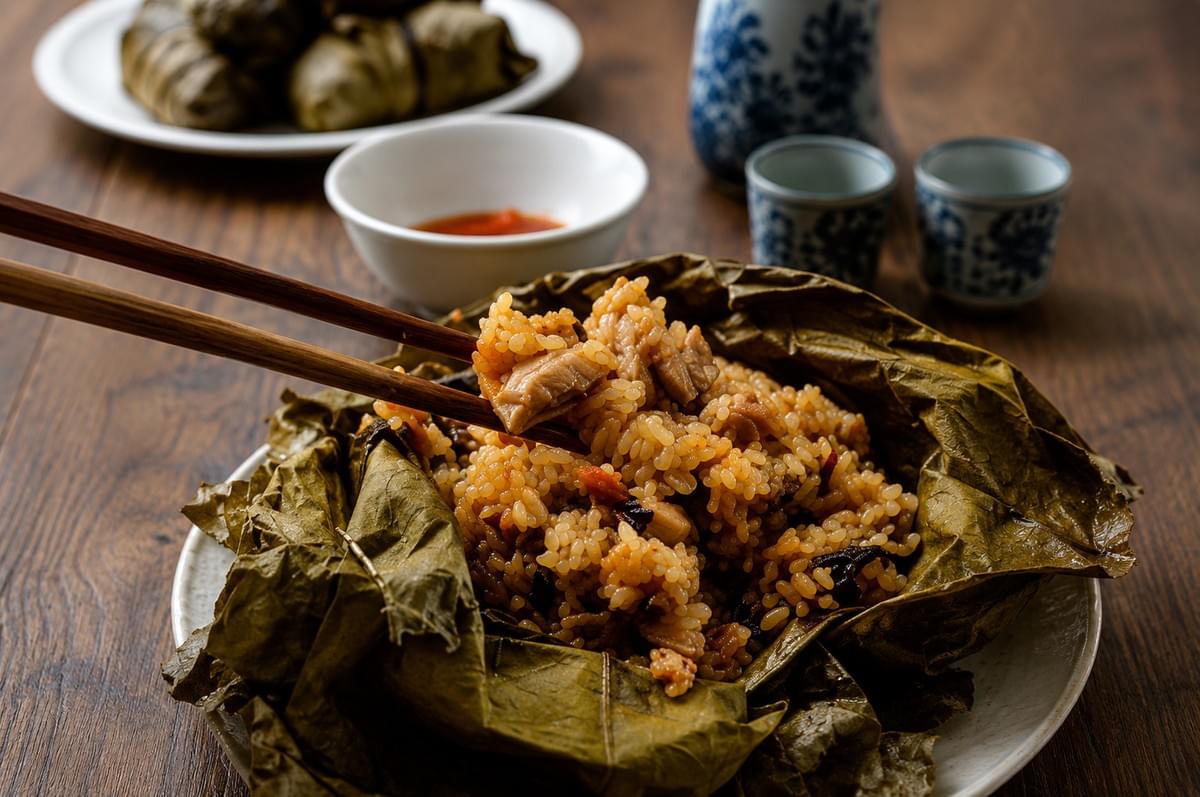
There is something quiet and generous about lotus leaf sticky rice. You do the slow work early, the soaking and the wrapping, and then you wait. When you finally open the leaf, the smell alone tells you it was worth it.
Cantonese sticky rice like this was never meant to rush. It is the kind of thing you make on an unhurried afternoon, maybe with someone else folding parcels beside you. Make it your own. Add more mushroom, try the tofu version, tuck in whatever your table loves.
If you give this sticky rice in lotus leaf a try, I would love to hear how it went. Come share your version and find more recipes to cook slow and eat well over at ourfoodrhythms.com. Happy cooking, friends.
