

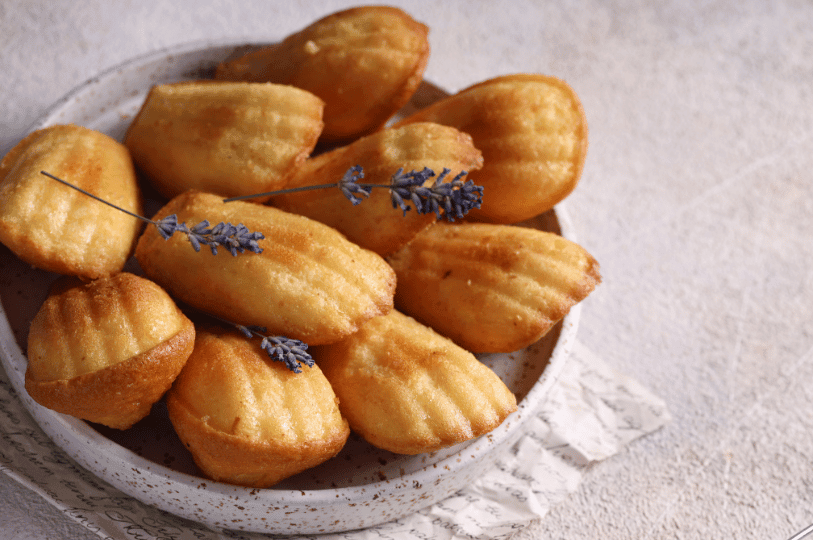
Some desserts are grand, dramatic affairs with towering layers and intricate frosting. And then there are madeleines. These small, shell-shaped cakes are not about drama. They are about quiet elegance. They are the kind of treat you enjoy with a cup of tea on a slow afternoon, a simple pleasure that feels utterly luxurious.
Madeleines are one of the most beloved French pastries, famous for their delicate, sponge-like texture and iconic scalloped shape. They are part cake, part cookie, and entirely enchanting. For many, the very thought of them brings to mind images of Parisian bakeries and a certain sense of old-world charm. It might seem like a pastry you can only enjoy on vacation, but I am here to tell you a wonderful secret: they are surprisingly simple to make at home.
Baking madeleines is a beautiful rhythm. It’s a process of melting butter, whipping eggs, and folding everything together gently. The reward is a batch of warm, buttery cakes that perfume your entire kitchen. So, let’s demystify these little French treasures and bring a taste of France right to your countertop.
What Makes Madeleines So Special?
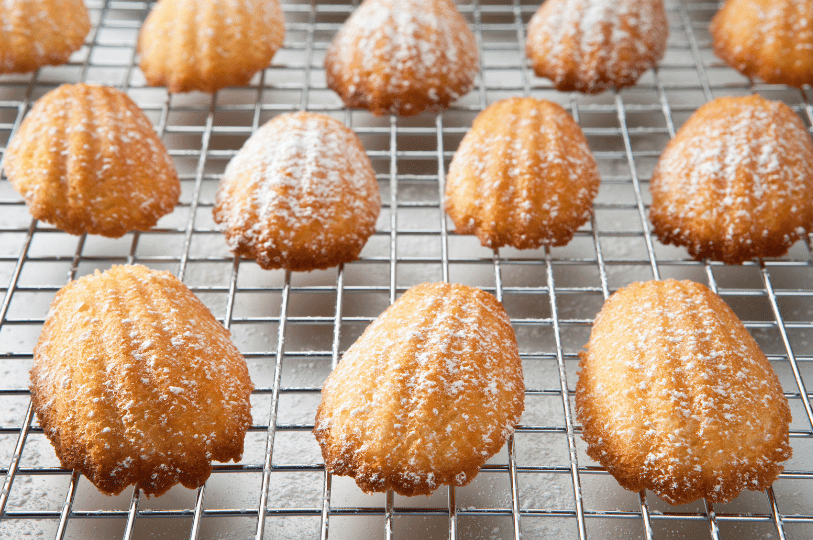
At first glance, a madeleine seems simple enough. But its beauty lies in the details. What sets it apart from a standard cupcake or a simple cookie is its unique texture and shape.
The perfect madeleine is a study in contrasts. The edges are golden brown, slightly crisp, and caramelized from the buttered pan. The inside, however, is incredibly light, airy, and spongy, almost like a genoise cake. This combination of textures makes every bite interesting.
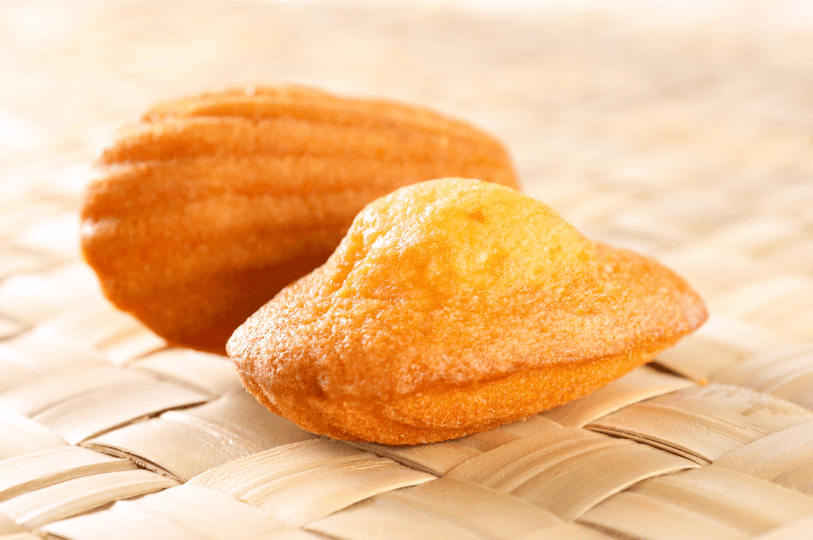
And then there is the hump. The signature "hump" or "bump" on the flat side of the madeleine is the hallmark of a well-made batch. This rise is created by the temperature shock when the cold batter hits a hot oven. It is a sign that the leavening has worked its magic, creating that light, airy interior. Seeing those little bumps rise in the oven is one of the most satisfying moments in baking.
Little Bite of History
Madeleines have a story as sweet as they are. These little cakes are believed to have originated in the Lorraine region of France in the 18th century. The most popular legend attributes their creation to a young pastry maid named Madeleine Paulmier, who served them to the Duke of Lorraine. He was so taken with the little cakes that he named them after her, and their fame began to spread.
However, their place in literary history is what truly made them iconic. In his novel In Search of Lost Time, French author Marcel Proust describes how the taste of a madeleine dipped in tea unlocks a flood of childhood memories. This powerful moment has forever linked the madeleine to the idea of nostalgia and the ability of food to transport us through time. Baking them today feels like taking part in that rich cultural tradition.
The Ingredients: A Simple Symphony
You do not need a long list of fancy ingredients to make beautiful French shell cakes. The magic comes from using good-quality basics and understanding the role each one plays.
- All-Purpose Flour: This provides the main structure for our cakes. Make sure to measure it correctly; too much flour can lead to dense, heavy madeleines.
- Eggs: We use whole eggs, and they are crucial. When whisked with sugar, they trap air, which is the primary source of leavening and gives the cakes their spongy texture. Room-temperature eggs are a must, as they whip up with more volume.
- Granulated Sugar: Sugar does more than just sweeten the batter. It helps create that tender crumb and contributes to the golden-brown color on the outside.
- Unsalted Butter: This is where the flavor is. We melt the butter and let it cool slightly. Browned butter (beurre noisette) is an optional but highly recommended step that adds an incredible nutty, toasted depth of flavor.
- Baking Powder: While the whipped eggs provide most of the lift, a little baking powder gives us extra insurance to achieve that beautiful hump.
- Vanilla Extract: A splash of pure vanilla extract enhances the buttery flavor and adds a classic, warm aroma.
- A Pinch of Salt: Salt is a flavor enhancer. It balances the sweetness and makes all the other ingredients taste more like themselves.
Equipment You Will Need
The most important piece of equipment is, unsurprisingly, the madeleine pan.
- Madeleine Pan: These special pans have shell-shaped indentations. A non-stick metal pan is the best choice, as it conducts heat well and helps create those crispy, golden edges.
- Electric Mixer: A stand mixer with a whisk attachment or a hand mixer makes whipping the eggs and sugar effortless. You can do it by hand with a whisk, but be prepared for a good arm workout!
- Mixing Bowls: You will need a few bowls for melting butter, sifting dry ingredients, and mixing the batter.
- Spatula: A flexible silicone spatula is perfect for gently folding the ingredients together without deflating the batter.
- Small Scoop or Spoons: For neatly filling the pan cavities.
Step-by-Step Madeleine Recipe
This recipe makes about 24 madeleines.
Ingredients:
- 1 cup (125g) all-purpose flour
- 1 teaspoon baking powder
- 1/4 teaspoon salt
- 2/3 cup (135g) granulated sugar
- 2 large eggs, at room temperature
- 1 teaspoon vanilla extract
- 1/2 cup (113g) unsalted butter, melted and cooled, plus more for greasing the pan
Instructions:
- Prepare the Pan: This is a step you should not skip, even with a non-stick pan. Generously grease the madeleine pan with softened butter, using a pastry brush to get into all the grooves. Dust the pan with flour, then tap out the excess. Place the prepared pan in the refrigerator or freezer to chill while you make the batter. This helps prevent sticking and promotes a better rise.
- Melt the Butter: Melt the butter in a small saucepan over low heat. If you want to make browned butter, continue cooking it until the milk solids turn golden brown and it smells nutty. Immediately pour it into a heatproof bowl to stop the cooking and let it cool.
- Combine Dry Ingredients: In a medium bowl, whisk together the flour, baking powder, and salt. Sifting them together is a good idea to ensure they are well combined and free of lumps.
- Whip the Eggs and Sugar: In the bowl of your stand mixer (or a large bowl with a hand mixer), combine the room-temperature eggs and sugar. Beat on medium-high speed for 5 to 8 minutes. The mixture should become pale, thick, and ribbony. When you lift the whisk, the batter should fall back in a slow, thick ribbon that stays on the surface for a few seconds. This step is vital for creating that light texture. Beat in the vanilla extract.
- Fold It All Together: Gently fold the dry ingredients into the egg mixture in two or three additions, using a spatula. Be careful not to overmix. You want to fold just until you no longer see streaks of flour. Overmixing will deflate the eggs and result in tough cakes.
- Incorporate the Butter: Pour the cooled, melted butter around the edge of the bowl. Gently fold it into the batter until just combined. Again, do not overmix.
- Chill the Batter (The Secret Step!): Cover the bowl with plastic wrap and let the batter rest in the refrigerator for at least 1 hour, or up to overnight. This is the secret to getting that signature hump! Chilling the batter solidifies the butter and allows the flour to fully hydrate, which leads to a more tender cake and a better rise.
- Preheat and Bake: When you are ready to bake, preheat your oven to 375°F (190°C). Remove your chilled madeleine pan and batter from the fridge. Spoon about one tablespoon of batter into the center of each shell cavity. Do not spread it; it will fill out as it bakes. Do not overfill the molds.
- The Bake: Bake for 10 to 12 minutes, or until the edges are golden brown and the centers spring back when lightly touched. You should see those glorious humps forming within the first few minutes.
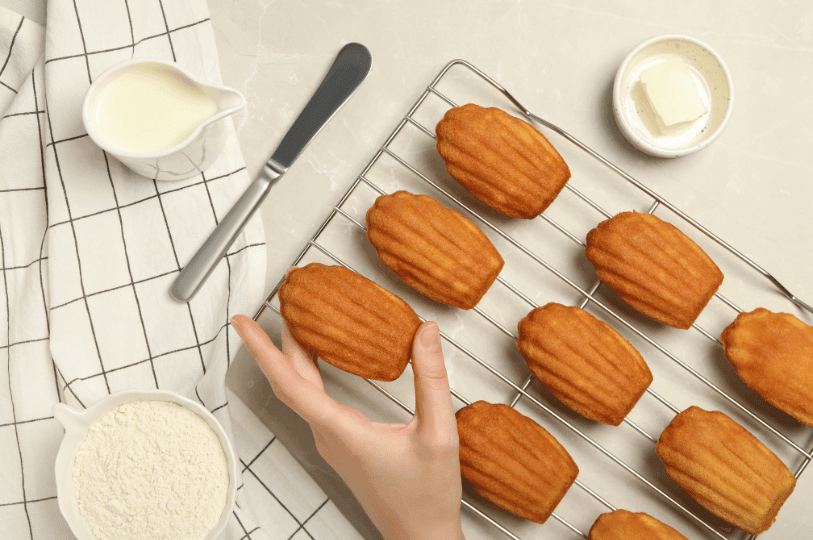
- Cool and Serve: As soon as you remove the pan from the oven, immediately tap the edge of the pan on your counter to release the madeleines. Let them cool on a wire rack.
Pro Tips for Perfect Madeleines
- Achieving the Hump: The temperature contrast between the cold batter, the cold pan, and the hot oven is key. Do not skip the chilling steps for the batter and the pan!
- Preventing Sticking: Even with a non-stick pan, the butter-and-flour method is your best insurance policy. Re-grease and flour the pan between batches.
- Do Not Overfill: Filling the molds about three-quarters full is plenty. Overfilling will cause the batter to spill over and you will lose that distinct shell shape.
- Browning the Butter: Taking the extra five minutes to brown the butter (beurre noisette) will elevate your madeleines from good to absolutely unforgettable.
- Troubleshooting: No Hump? This is usually due to the batter not being cold enough or the oven not being hot enough. Make sure you chill the batter for at least an hour and that your oven is fully preheated.
Fun Flavor Variations
Once you have mastered the classic vanilla madeleine, you can start playing with flavors. The batter is a wonderful canvas for creativity.
- Lemon Madeleines: Add 1 tablespoon of finely grated lemon zest to the sugar before you whip it with the eggs. This releases the lemon oils for a bright, citrusy flavor.
- Chocolate Madeleines: Replace 2 tablespoons of the flour with 2 tablespoons of unsweetened cocoa powder. You can also dip the cooled cakes in melted chocolate.
- Matcha Madeleines: Sift 1 tablespoon of culinary-grade matcha powder in with your dry ingredients for a beautiful green tea flavor.
- Brown Butter & Cardamom: Add 1/2 teaspoon of ground cardamom to the dry ingredients and use browned butter for a warm, spicy, and nutty combination.
Serving and Storage
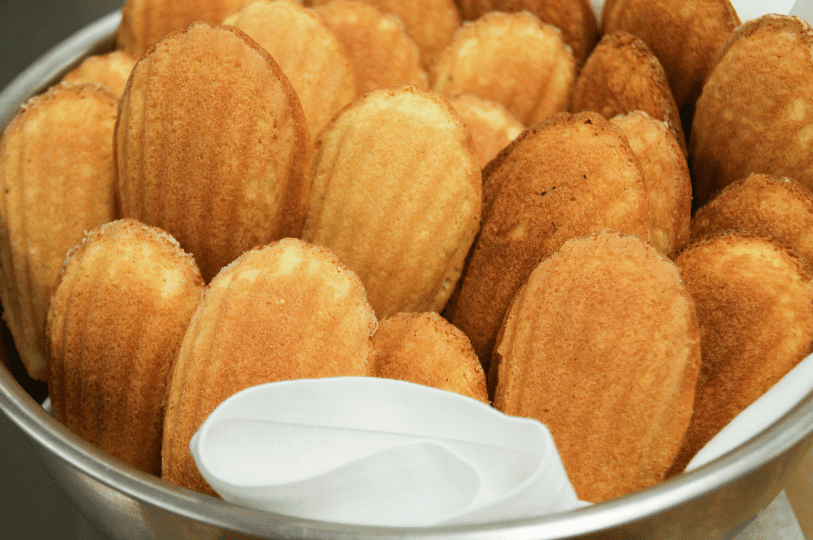
Madeleines are at their absolute best when they are fresh and still slightly warm from the oven. That is when their edges are crispiest and their centers are most tender. They are the perfect companion for a cup of tea, coffee, or a glass of milk.
For a classic presentation, dust the cooled madeleines with a light snowfall of powdered sugar.
If you have leftovers, you can store them in an airtight container at room temperature for up to two days. They will lose their crispy edges but will still be delicious. You can refresh them in a warm oven for a minute or two to bring back some of their texture.
Go Forth and Bake!
There is something deeply satisfying about mastering a classic French pastry. Madeleines are the perfect entry point. They teach you about technique and timing, but they are forgiving enough for a weekend baking project.
So, find your rhythm in the kitchen. Enjoy the process of whipping the eggs, folding the batter, and watching those little bumps rise. And when you take your first bite of a warm, buttery, homemade madeleine, you will understand exactly why this simple little cake has captured hearts for centuries.
Happy baking
