

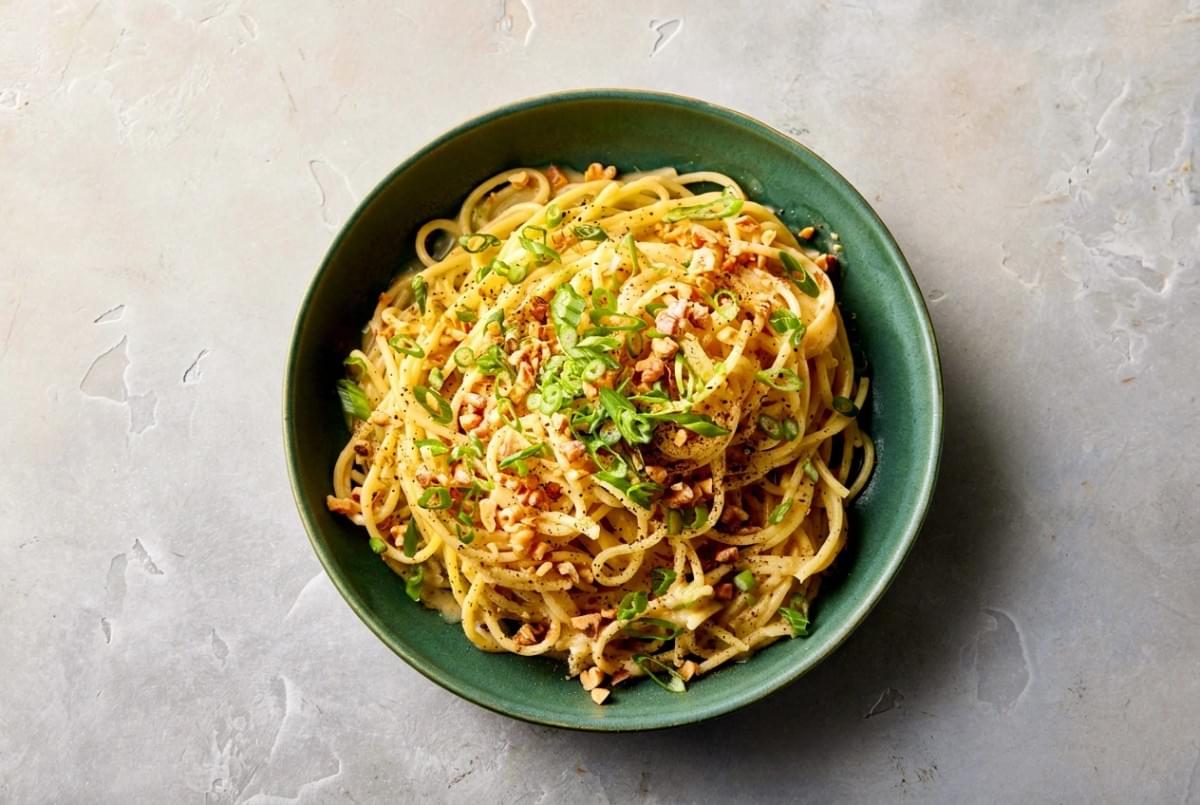
The corn goes into the hot pan first. For a minute, nothing happens. Then a kernel pops, then another, and the kitchen starts to smell sweet and toasted, like the edge of a summer grill.
That smell is where this miso butter corn pasta begins. Sweet corn, a spoonful of mild white miso, and a little butter come together with starchy pasta water into a glossy sauce. It tastes savory, gently sweet, and quietly rich. There is no cream, and you won't miss it.
It takes about 35 minutes, one pot, and one wide pan. It's a good meal for an ordinary evening when you want something warm and simple.
Why You'll Love This Recipe
- A short shopping list: Pasta, corn, butter, miso, garlic, and scallions.
- Sweet and savory together: Corn brings sweetness, miso brings depth, and butter softens the space between them.
- A sauce built from pasta water: Once you learn this technique, you'll use it again.
- Good in any season: Fresh corn in summer, frozen or canned when it isn't.
A Little Background on Miso Butter
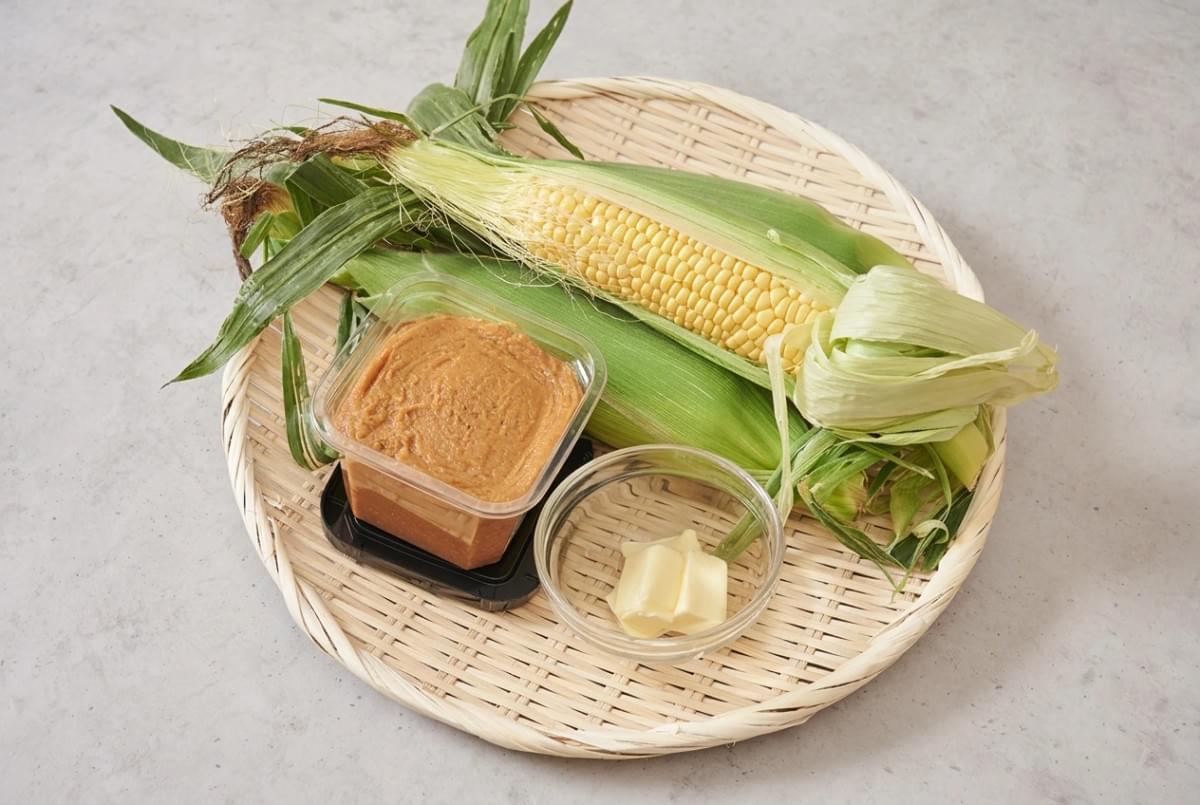
Miso is a fermented paste, usually made from soybeans, salt, and koji. Koji is a mold culture, often grown on rice or barley, that helps the fermentation along. In Japanese cooking, miso shows up in soups, glazes, dressings, and marinades.
There are many kinds. White miso (shiro miso) is usually fermented for a shorter time. It tends to be paler, milder, and slightly sweet. That gentleness matters here. It seasons the sauce without taking over the corn.
Corn, butter, and miso already know each other. Miso ramen in the Sapporo style is often finished with sweet corn and a pat of butter. This pasta borrows that pairing. It's a modern, Japanese-inspired dish, not a traditional Japanese recipe.
The reason it works is simple. Corn is sweet. Miso is salty and savory. Butter carries both. Starchy pasta water ties them into a smooth miso butter sauce.
Ingredients and Helpful Substitutions
Serves: 4
For the Pasta
- 340 g (12 oz) short pasta, such as orecchiette, medium shells, or rigatoni
- 1 tablespoon kosher salt, for the pasta water
- 360 ml (1 1/2 cups) reserved pasta water (you probably won't need all of it)
For the Sauce
- 450 g (about 3 cups) corn kernels, from about 4 ears of fresh corn
- 60 g (4 tablespoons) unsalted butter, divided
- 3 garlic cloves, minced
- 3 tablespoons (about 50 g) white miso
- 1/2 teaspoon freshly ground black pepper
- 3 scallions, thinly sliced, white and green parts kept separate
Optional
- 1/4 teaspoon red pepper flakes
- 1 to 2 teaspoons fresh lemon juice
Equipment
A large pot for the pasta, a 12-inch (30 cm) skillet, a small bowl, and tongs.
Notes on Ingredients
Pasta shape: Cupped and ridged shapes hold the kernels and the sauce. Orecchiette catches corn almost like a spoon.
Fresh corn: Stand each ear upright in a wide bowl and slice down the sides. The bowl keeps the kernels from scattering across the counter.
Frozen corn: Thaw it first, then pat it dry with a clean towel. Dry kernels brown. Wet ones steam. If you cook it straight from frozen, add 2 to 3 minutes to the sauté and expect less color.
Canned corn: Use two 15-ounce cans. Drain, rinse briefly, and pat dry. Canned corn is often salted, so taste carefully before seasoning.
Stronger miso: Yellow, red, and awase (blended) miso can be saltier and more assertive, and brands vary widely. Start with 1 1/2 tablespoons. Taste the finished sauce and add more only if it needs it.
Unsalted butter: Miso already carries plenty of salt. Unsalted butter leaves the final seasoning to you.
How to Make Miso Butter Corn Pasta
1. Get Everything Ready
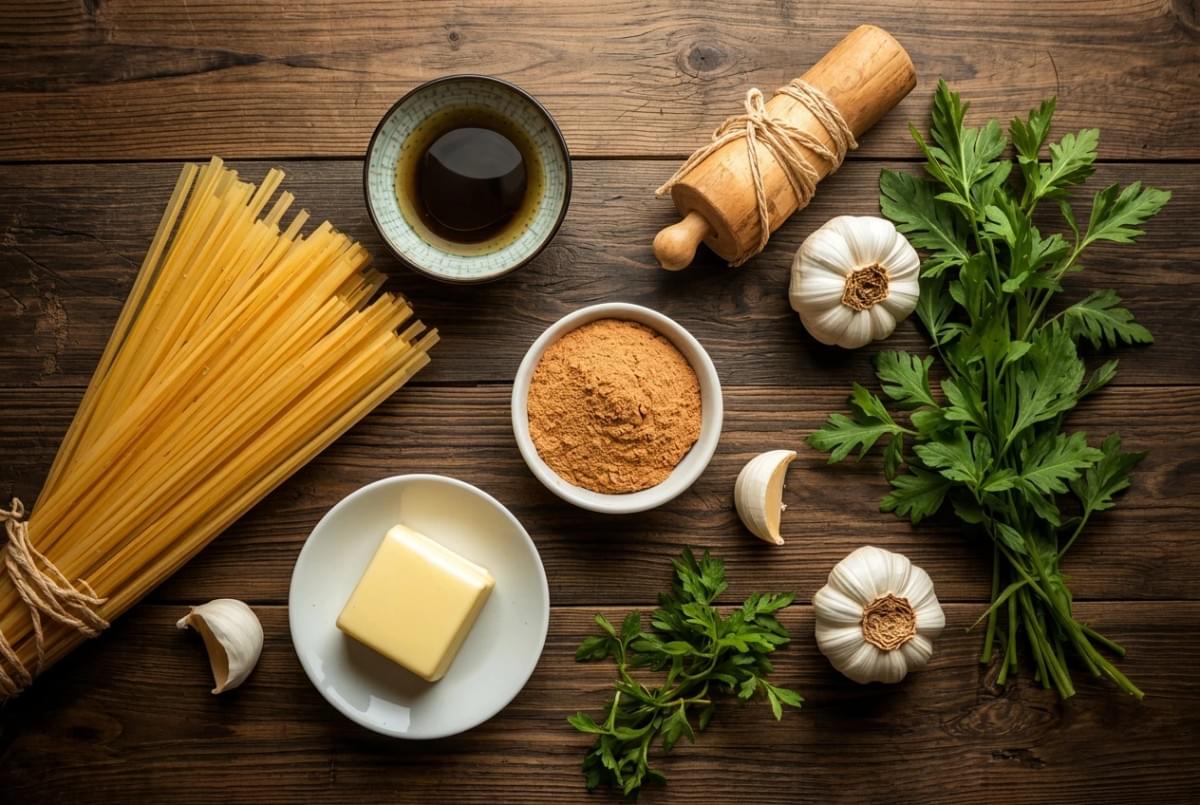
Cut the corn, mince the garlic, and slice the scallions, keeping the whites and greens in separate piles. Spoon the miso into a small bowl. Cut 3 tablespoons of the butter into small cubes and leave the remaining tablespoon whole.
The last few minutes move quickly. It helps to have everything waiting.
2. Cook the Pasta
Bring about 4 quarts (4 liters) of water to a boil and add the tablespoon of kosher salt. That's a little less than you might normally use, since the miso will season the sauce.
Add the pasta and cook it 1 to 2 minutes short of the package time. Bite a piece. It should still feel firm at the center. It will finish in the pan.
3. Sauté the Corn
While the pasta cooks, melt the remaining 1 tablespoon of butter in the skillet over medium-high heat. Add the corn and spread it out. Leave it alone for a minute, then stir now and then for 5 to 7 minutes, until some kernels have golden-brown spots and the pan smells toasty.
Turn the heat to medium. Add the garlic and scallion whites and stir for 30 to 60 seconds, just until fragrant. The garlic goes in late because it burns quickly, and burnt garlic tastes bitter.
4. Save the Water, Loosen the Miso
Before draining, scoop out 1 1/2 cups (360 ml) of the cloudy pasta water. Then drain the pasta.
Whisk 1/4 cup (60 ml) of the hot water into the miso until smooth and pourable, about like thin peanut butter. Miso dropped straight into a pan tends to stay in stubborn lumps. Loosened, it melts in evenly.
5. Bring It Together
Lower the heat under the skillet to low. Add the drained pasta, the cubed butter, the miso mixture, and 1/2 cup (120 ml) of the reserved pasta water.
Toss steadily with tongs for 1 to 2 minutes. The butter melts, the water turns creamy, and the sauce starts to coat the pasta. Keep the heat gentle. A hard boil now can split the butter and flatten the miso's flavor.
6. Adjust Until Glossy
If the pasta looks dry or the sauce feels thick, add more pasta water about 2 tablespoons at a time, tossing after each splash. Stop when the sauce looks shiny and clings to the pasta without pooling in the pan.
You may have water left over. That's fine.
Stir in the black pepper, plus the red pepper flakes or lemon juice if you're using them. Taste a piece of pasta. Add salt only if it truly needs it.
7. Finish and Serve
Take the pan off the heat. Scatter the scallion greens over the top and serve right away, while the sauce is still glossy.
Tips for a Silky Sauce
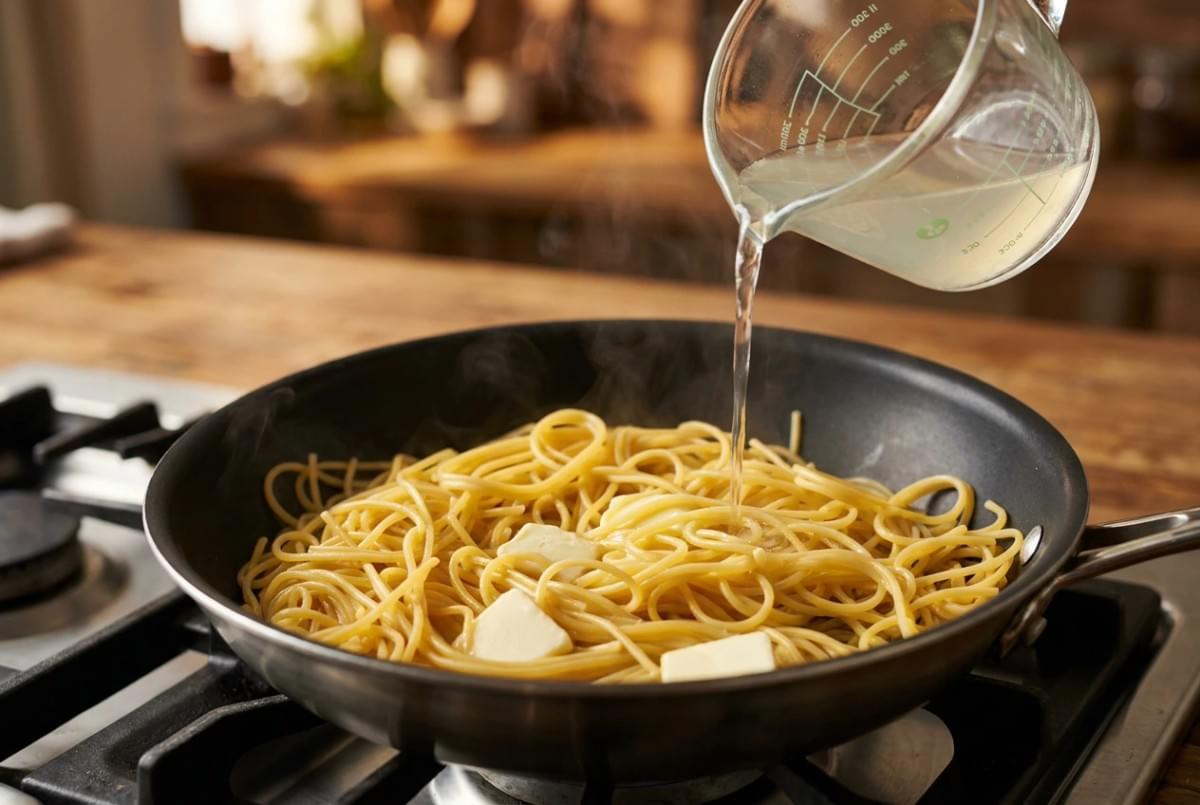
Too thick: Add warm pasta water in small splashes and keep tossing. The starch thins the sauce while keeping it creamy.
Too thin: Toss over low heat for another 30 to 60 seconds. The pasta keeps drinking up liquid, and the sauce tightens as it does. Check again before adding anything.
Greasy or separated: The heat is likely too high. Turn it down, add a tablespoon or two of pasta water, and toss briskly. The starch helps the butter and water come back together.
Too salty: This one is easier to prevent than to fix. Use white miso, unsalted butter, and a light hand with the salt in the pasta water. If it's already too salty, a squeeze of lemon and a handful of extra unsalted corn can soften it.
The short version: low heat, small splashes, steady tossing.
Easy Variations and Serving Ideas
- Mushrooms: Brown 225 g (8 oz) sliced mushrooms in the skillet before the corn, then add the corn and carry on.
- A little heat: Add red pepper flakes with the black pepper in step 6.
- Brightness: Stir in lemon juice at the end, so it stays fresh.
- Dairy-free: Use plant-based butter in place of the dairy butter.
- Gluten-free: Use gluten-free pasta and a miso verified as gluten-free. Some miso is made with barley, so check the label. Gluten-free pasta softens quickly, so pull it a little early.
As written, this recipe is vegetarian. It is not vegan or gluten-free.
For the table, keep things light. A crisp cucumber salad, sliced tomatoes with a pinch of salt, or quickly sautéed greens all balance the butter without making dinner more complicated.
Storage and Reheating
Refrigerate leftovers in an airtight container within 2 hours of cooking. Eat them within 3 days.
To reheat, warm the pasta in a skillet over low heat with a splash of water, tossing until hot all the way through. The sauce firms up in the fridge, and the water brings it back. Short bursts in the microwave, stirring between each, also work.
This pasta is best freshly made. Freezing isn't recommended, since the sauce and pasta lose their texture.
Frequently Asked Questions
Which type of miso should I use?
White miso, for its mild, slightly sweet flavor. Stronger miso works, but start with half the amount.
Can I use frozen or canned corn?
Yes. Thaw frozen corn, drain canned corn, and pat both dry so they brown in the pan.
Does this pasta need cream?
No. Butter and starchy pasta water make the sauce creamy on their own.
Can I make it ahead?
The sauce is best made just before eating. You can prep the corn, garlic, and scallions a day ahead and keep them in the fridge.
Recipe Summary: Miso Butter Corn Pasta
- Yield: 4 servings
- Prep time: 10 minutes
- Cook time: 25 minutes
- Total time: 35 minutes
Ingredients
- 340 g (12 oz) short pasta
- 1 tbsp kosher salt, for the pasta water
- 450 g (about 3 cups) corn kernels
- 60 g (4 tbsp) unsalted butter, divided
- 3 garlic cloves, minced
- 3 tbsp (about 50 g) white miso
- 1/2 tsp black pepper
- 3 scallions, sliced, whites and greens separated
- 360 ml (1 1/2 cups) reserved pasta water
- Optional: 1/4 tsp red pepper flakes, 1 to 2 tsp lemon juice
Method
- Prep the corn, garlic, scallions, and miso. Cube 3 tbsp butter.
- Cook the pasta in salted water 1 to 2 minutes short of package time.
- Sauté the corn in 1 tbsp butter over medium-high for 5 to 7 minutes, until spotted golden. Over medium, add garlic and scallion whites for 30 to 60 seconds.
- Reserve 1 1/2 cups pasta water, then drain. Whisk 1/4 cup of the water into the miso.
- Over low heat, toss the pasta, cubed butter, miso mixture, and 1/2 cup pasta water for 1 to 2 minutes.
- Add more water a splash at a time until glossy. Add pepper and any optional ingredients. Taste before salting.
- Top with scallion greens and serve right away.
Notes: Keep the heat low once the miso goes in. Use unsalted butter. Taste before adding salt.
One Last Forkful
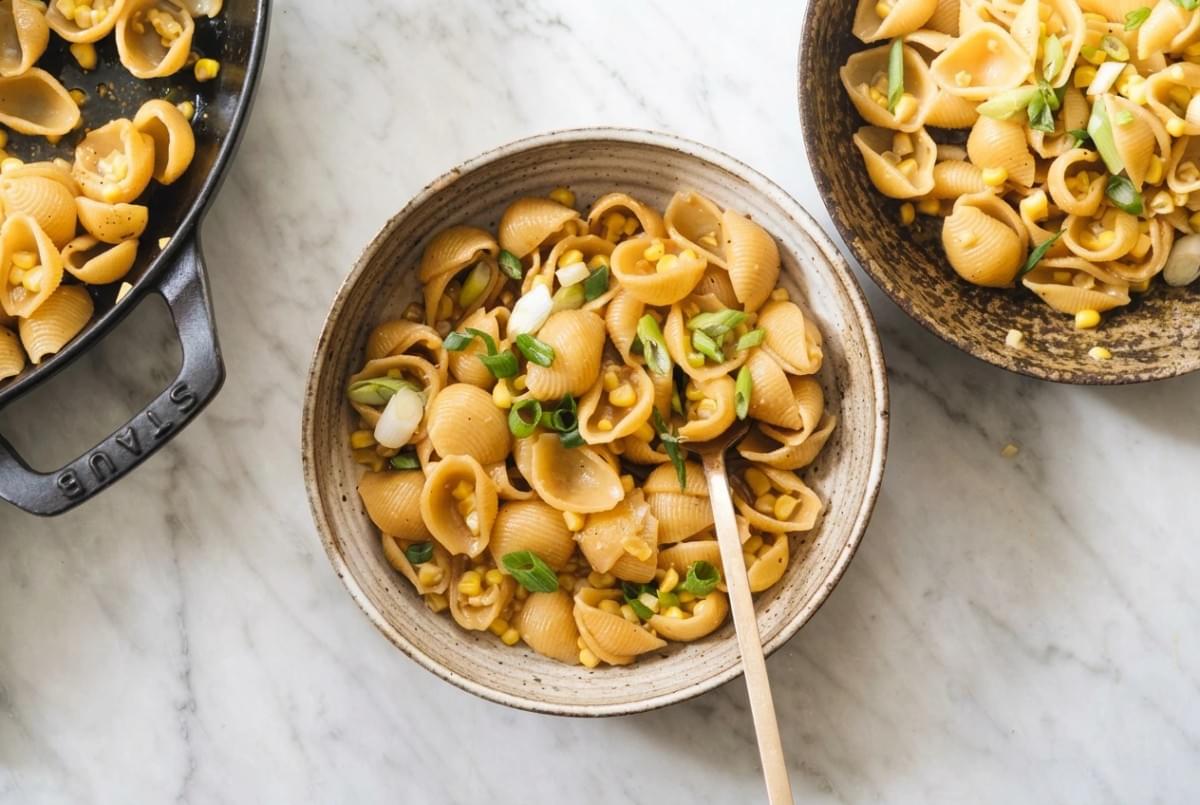
Some dinners don't ask for much. A pan of browned corn. A spoonful of miso. A little butter, and the cloudy water most of us pour down the sink.
Toss them together, and the pasta turns glossy and warm.
Make this miso butter corn pasta on a quiet night. Then tell us in the comments how you made it yours: plain, with mushrooms, a pinch of chili, or a squeeze of lemon.
