

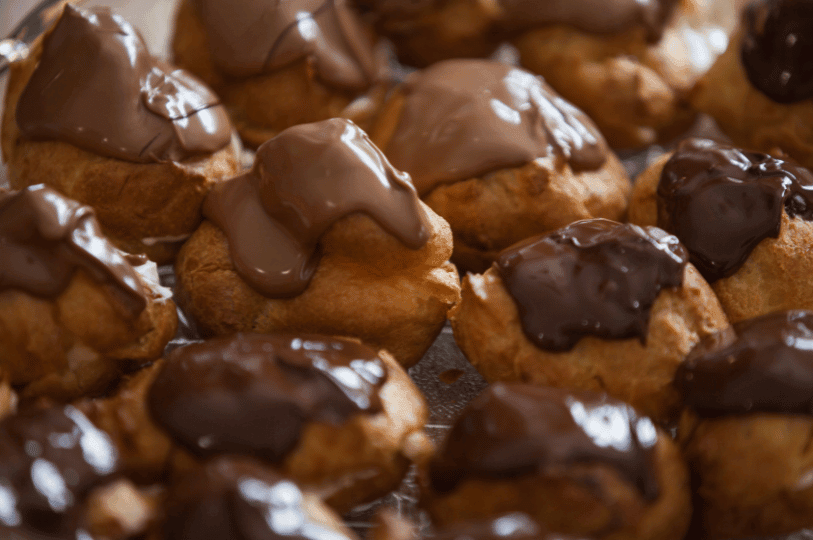
There is a moment in every dinner party where the conversation lulls, forks gently clink against plates, and everyone silently agrees that it is time for the grand finale. Dessert. While a simple scoop of sorbet or a slice of fruit tart is lovely, sometimes you want something that elicits a collective "ooh" from your guests. For me, that showstopper is always the profiterole.
Imagine this: a delicate, golden puff of pastry, crisp on the outside and hollow on the inside. It is split open and filled with a generous scoop of cold, creamy vanilla ice cream. Then, right at the table, you pour a cascade of hot, glossy chocolate sauce over the top. The contrast of hot and cold, crisp and creamy, bitter chocolate and sweet vanilla is absolute perfection. It feels incredibly fancy, like something you would order in a Parisian bistro, but here is the secret - it is surprisingly easy to make at home.
I know that French pastry can sound intimidating. Words like pâte à choux might make you want to run for the hills (or the nearest bakery). But trust me on this one. Making these little puffs is fun, satisfying, and honestly, a little bit magical. Watching them puff up in the oven is one of my favorite kitchen rhythms. So, let’s tie on our aprons and channel our inner French pastry chef. We are making profiteroles!
A Little History of the Puff
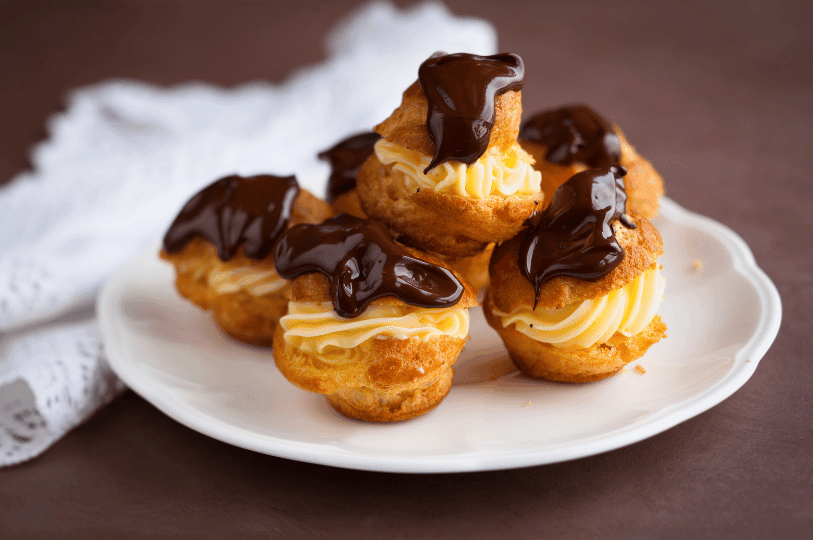
Before we get to the mixing and baking, let's take a quick trip back in time. The pastry used for profiteroles is called choux pastry (pronounced "shoo"). In French, choux means cabbage. Why? Because when these little puffs bake up, their crinkly, round tops look just like tiny little cabbages! Cute, right?
The invention of this dough is often credited to a chef named Pantanelli in the 1540s, who worked for Catherine de' Medici. But the modern version we know and love was perfected later by the famous French chef Marie-Antoine Carême. He was the one who had the brilliant idea to fill them with cream.
While cream puffs are often filled with whipped cream or pastry cream, the profiterole specifically refers to the version filled with ice cream and topped with chocolate sauce. It is a classic bistro dessert that has stood the test of time because it simply works. It is elegant without being fussy, and comforting without being heavy.
Ingredients for Success
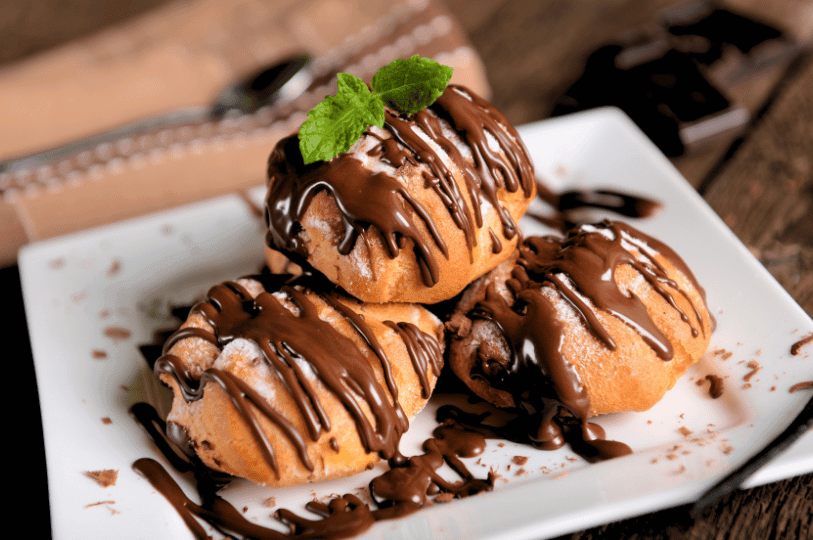
The beauty of choux pastry is that it relies on pantry staples. You likely have everything you need right now.
For the Choux Pastry:
- Water: 1 cup. Some recipes use milk, but water creates a crisper shell, which helps hold the ice cream without getting soggy too fast.
- Butter: 1/2 cup (1 stick) unsalted butter, cut into pieces.
- Sugar: 1 teaspoon. Just a hint to help with browning.
- Salt: 1/2 teaspoon. Essential for flavor balance.
- Flour: 1 cup all-purpose flour. No fancy pastry flour needed here!
- Eggs: 4 large eggs, at room temperature.
For the Filling:
- Ice Cream: 1 quart of high-quality vanilla bean ice cream. Since this is a main component, get the good stuff! You can also experiment with flavors like salted caramel, coffee, or pistachio.
For the Chocolate Sauce:
- Chocolate: 6 oz semi-sweet or dark chocolate (about 60% cocoa), chopped.
- Heavy Cream: 3/4 cup.
- Butter: 1 tablespoon unsalted butter (for shine).
- Vanilla Extract: 1/2 teaspoon.
- Salt: A pinch to make the chocolate flavor pop.
Part 1: Mastering the Choux Pastry
Making choux is unique because you actually cook the dough on the stove before baking it. This process gelatinizes the starch in the flour, which allows the eggs to create that powerful steam lift in the oven.
Step 1: The Boil
Preheat your oven to 400°F (200°C) and line two baking sheets with parchment paper. In a medium saucepan, combine the water, butter pieces, sugar, and salt. Place it over medium-high heat. You want to bring this to a rolling boil. Make sure the butter is completely melted before the water boils. If the water boils off before the butter melts, your ratio of liquid to flour will be off.
Step 2: The Dump and Stir
Once boiling, remove the pan from the heat immediately. Dump in all the flour at once. Yes, all of it! Grab a sturdy wooden spoon and stir vigorously. It will look like a mess at first, but keep stirring.
Step 3: Cooking the Dough
Return the pan to medium heat. Keep stirring the dough constantly. You are drying it out. You will see a thin film of dough form on the bottom of the pan, and the dough will come together into a smooth ball that pulls away from the sides. This takes about 1 to 2 minutes. You want to cook out the raw flour taste and remove excess moisture.
Step 4: The Cool Down
Transfer the hot dough to a large mixing bowl (or the bowl of your stand mixer). Let it cool for about 5 minutes. You can stir it a few times to help release the heat. If you add the eggs now, you will end up with scrambled eggs in your dough, which is definitely not what we want!
Step 5: Adding the Eggs
This is the crucial part. Add the eggs one at a time, mixing well after each addition. The dough will look slippery and separated at first, like it is curdling. Don't panic! Just keep mixing, and it will come back together. By the time you add the last egg, the dough should be smooth, glossy, and thick. It should hold its shape but fall reluctantly from the spoon in a "V" shape.
Step 6: Pipe and Bake
Transfer the dough to a piping bag with a large round tip (or just cut the corner off a sturdy ziplock bag). Pipe mounds about 1.5 to 2 inches wide onto your prepared baking sheets. Leave about 2 inches of space between them because they will puff up significantly. If you have little peaks on top, wet your finger with water and gently pat them down so they don't burn.
Bake for 20 to 25 minutes. Do not open the oven door! If you peek, the steam will escape, and your beautiful puffs will collapse. They are done when they are puffed, deep golden brown, and sound hollow when tapped.
Carrie's Tip: Once they are done, turn off the oven, crack the door open slightly with a wooden spoon, and let them dry out in the cooling oven for 10 minutes. This ensures they stay crisp.
Part 2: The Luscious Chocolate Sauce
While the puffs are cooling, we can make the easiest, most decadent chocolate sauce. This isn't just melted chocolate; it's a rich ganache that stays pourable.
- Place the chopped chocolate in a heatproof bowl.
- In a small saucepan, heat the heavy cream until it just begins to simmer. Do not let it boil over.
- Pour the hot cream over the chocolate. Let it sit for 2 minutes. This melts the chocolate gently.
- Whisk starting from the center and moving outwards until the mixture is smooth and glossy.
- Stir in the butter, vanilla, and salt. The butter adds a beautiful shine. Keep the sauce warm until you are ready to serve.
Part 3: Assembly and Serving
Now for the fun part!
- Prep the Puffs: Use a serrated knife to slice the cooled puffs in half horizontally.
- The Scoop: Place a generous scoop of vanilla ice cream on the bottom half of each puff.
- The Hat: Place the top half of the pastry back on, like a little hat.
- The Pour: Arrange two or three profiteroles on each plate. Drizzle generously with the warm chocolate sauce.
Make-Ahead Tips:
You can bake the choux pastry shells a day in advance and store them in an airtight container. If they get a little soft, just pop them in a 350°F oven for 5 minutes to crisp them up again. You can even freeze the baked shells for up to a month! Just thaw and refresh in the oven.
Variations to Try
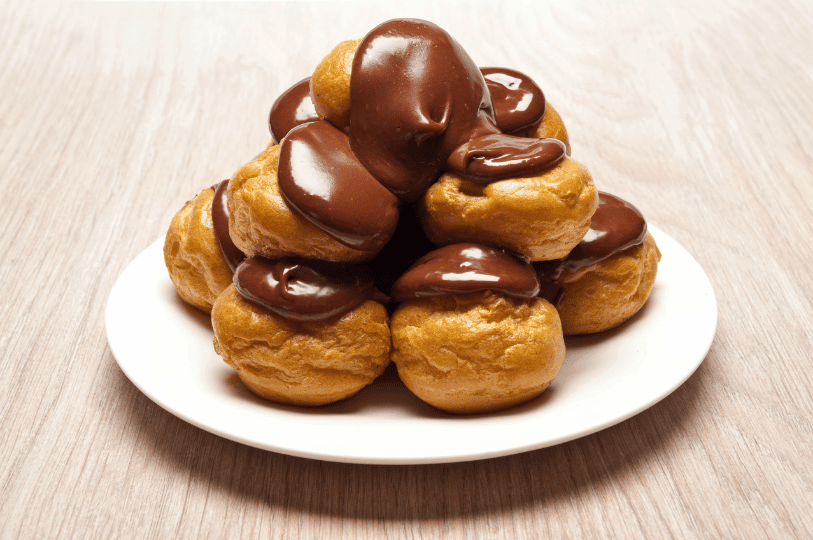
While the classic vanilla and chocolate combo is timeless, you can absolutely get creative with your profiteroles.
- Coffee Lovers: Fill with coffee ice cream and top with a mocha sauce (add a teaspoon of espresso powder to the chocolate sauce).
- Berry Fresh: Fill with strawberry ice cream and top with a white chocolate sauce or a berry coulis.
- The Crunch Factor: Sprinkle toasted sliced almonds or chopped pistachios over the chocolate sauce for added texture.
- Savory Twist: Believe it or not, choux pastry is savory on its own (there is barely any sugar in the dough). You can fill these with chicken salad, smoked salmon mousse, or whipped goat cheese for an incredible appetizer!
Why This Dessert Works
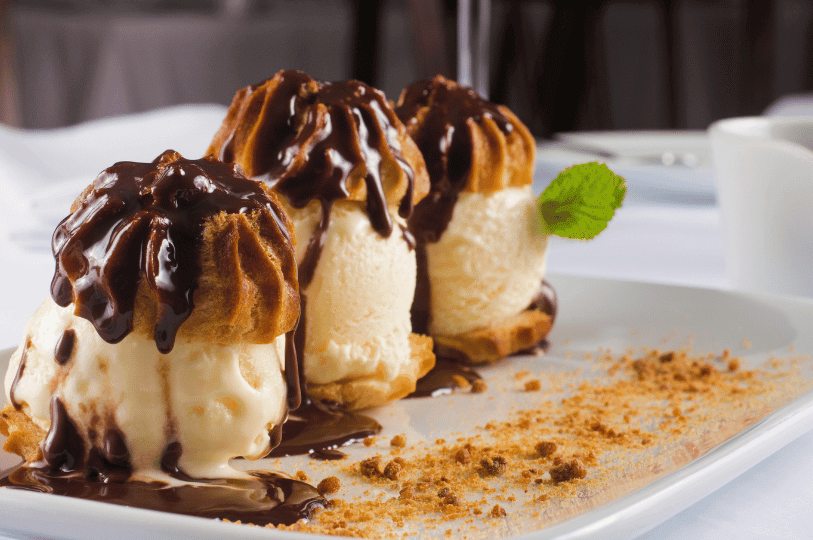
There is something so joyful about profiteroles. They bridge the gap between childhood nostalgia and adult sophistication. The ice cream melting down the sides of the crisp pastry, mingling with the warm chocolate, creates a texture experience that you just don't get with cake or pie.
Plus, they are interactive. Pouring the sauce at the table adds a little drama to the meal. It shows your guests that you put thought and care into the final course.
So, don't be afraid of the fancy French name. At their heart, profiteroles are just simple, honest ingredients transformed into something spectacular. Give them a try for your next gathering, or even just for a special Tuesday night treat. I promise, the smiles around the table will be worth every stir of that wooden spoon. Happy baking!
