

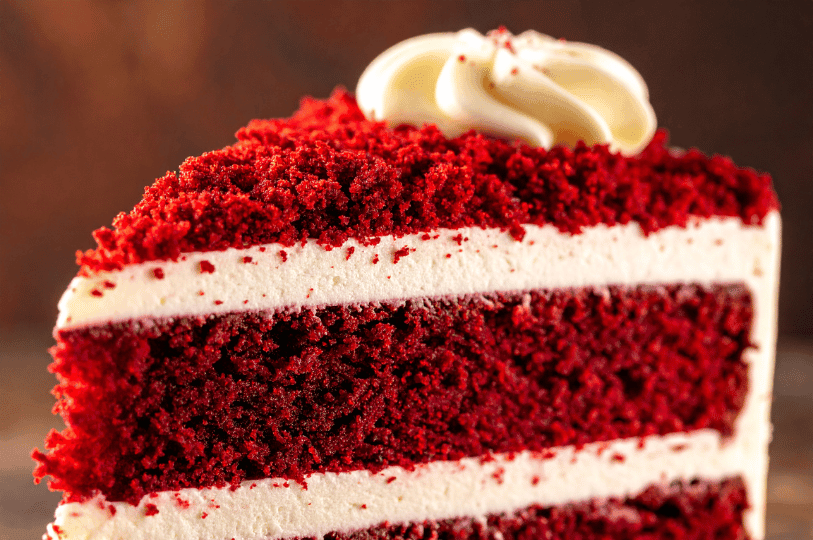
Let's be honest for a moment. Is there any cake more dramatic than Red Velvet? It sits there on the dessert table, looking all innocent with its snowy white frosting, but the moment you slice into it—bam! That vibrant, unapologetic crimson interior stops everyone in their tracks. It is the drama queen of the cake world, and I absolutely love it.
But Red Velvet is more than just a pretty face. When done right, it has a flavor and texture that are completely unique. It is not quite chocolate, yet it has a hint of cocoa. It is not quite vanilla, but it is sweet and fragrant. The texture—oh, the texture—should live up to its name: soft, plush, and velvety smooth.
If you have ever struggled with a Red Velvet recipe that turned out brown instead of red or dry instead of moist, you are not alone. This cake can be a bit finicky. But don't worry! We are going to break it down together. I will guide you through the science, the secrets, and the steps to baking the Red Velvet cake of your dreams. Grab your apron, preheat your oven, and let’s get baking!
A Little Mystery in Every Slice
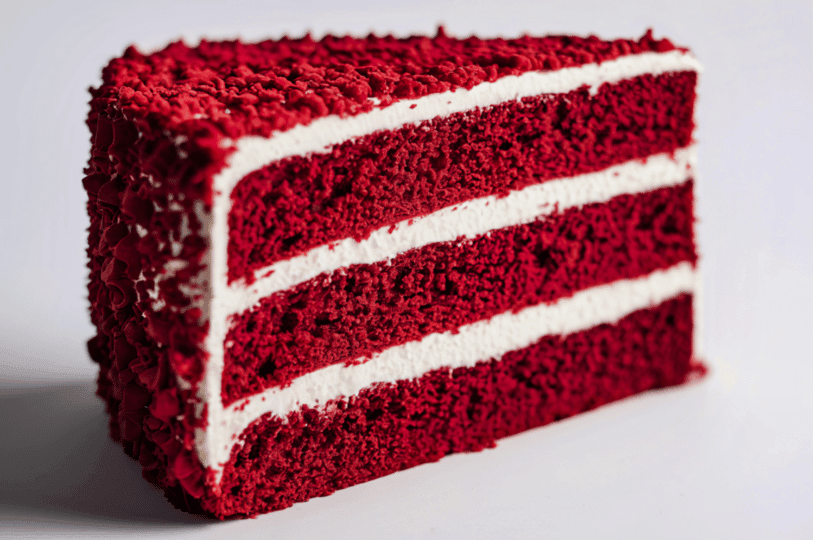
Before we start measuring flour, let's talk about where this cake actually comes from. The history of Red Velvet is a bit like a culinary urban legend. Some say it started at the Waldorf Astoria in New York. Others claim it is a Southern classic born in the home kitchens of the American South.
The truth is likely a mix of chemistry and clever marketing. In the old days, cocoa powder wasn't processed the way it is now. It contained higher levels of anthocyanins, a compound that turns red when mixed with acidic ingredients like buttermilk and vinegar. So, early "velvet" cakes had a natural reddish-brown hue just from the chemical reaction between the cocoa and the acid.
Later, during the Great Depression and World War II, when food rationing made baking difficult, a company called Adams Extract started selling red food coloring with tear-off recipe cards for Red Velvet Cake to boost sales. And just like that, the bright red cake we know and love became a household staple. Today, we usually help nature along with a little food coloring, but the core principle remains the same: the magic happens when cocoa meets acid.
The Ingredient Lineup
To get that perfect texture and color, you need the right team of ingredients. There are no substitutions for the key players here if you want the real deal.
The Essentials:
- Cake Flour: This is non-negotiable for that velvety texture. Cake flour has less protein than all-purpose flour, which means less gluten development. This results in a tender, fine crumb that melts in your mouth.
- Unsweetened Cocoa Powder: You don't need a lot, usually just a couple of tablespoons. It provides that subtle chocolate undertone without overpowering the vanilla or turning the cake dark brown. Avoid "Dutch-processed" cocoa here; natural cocoa powder reacts better with the baking soda.
- Buttermilk: This is the workhorse of the recipe. The acidity in buttermilk tenderizes the gluten and reacts with the baking soda to give the cake a fluffy lift. It also adds a tangy flavor that balances the sweetness.
- Vinegar & Baking Soda: This might sound like a science fair volcano experiment, but it is crucial for the rise. The reaction creates bubbles that aerate the batter, making it light and fluffy.
- Oil vs. Butter: This is a hot debate! I prefer using oil (like vegetable or canola) for Red Velvet. Oil keeps the cake incredibly moist for days longer than butter does. However, some people miss the buttery flavor, so we will use a little butter for flavor and oil for moisture.
- Red Food Coloring: Gel paste is my secret weapon. It is much more concentrated than liquid dye, so you need less of it, and it doesn't water down your batter.
Step-by-Step Instructions
This recipe makes a stunning 3-layer 8-inch cake or a generous 2-layer 9-inch cake.
Prep Time: 30 minutes
Bake Time: 25-30 minutes
Yields: 12-16 slices
Ingredients:
For the Cake:
- 2 1/2 cups cake flour, sifted
- 1 1/2 cups granulated sugar
- 1 teaspoon baking soda
- 1 teaspoon salt
- 2 tablespoons unsweetened natural cocoa powder
- 1 cup vegetable oil
- 1 cup buttermilk, room temperature
- 2 large eggs, room temperature
- 1 teaspoon white vinegar
- 1 teaspoon vanilla extract
- 1-2 tablespoons red food coloring (adjust for desired intensity)
For the Cream Cheese Frosting:
- 16 oz (2 blocks) full-fat cream cheese, softened
- 1 cup (2 sticks) unsalted butter, softened
- 4-5 cups powdered sugar, sifted
- 1 tablespoon vanilla extract
- Pinch of salt
The Mixing Method
- Set the Stage: Preheat your oven to 350°F (175°C). Grease your cake pans well. I like to grease them, line the bottoms with parchment paper, and then grease the parchment too. It might seem like overkill, but there is nothing sadder than a cake stuck in a pan!
- Dry Ingredients: In a medium bowl, whisk together the sifted cake flour, sugar, baking soda, salt, and cocoa powder. Make sure there are no lumps of cocoa or soda hiding in there.
- Wet Ingredients: In a large bowl (or the bowl of your stand mixer), whisk together the oil, buttermilk, eggs, vinegar, and vanilla until everything is fully combined and looks creamy.
- The Color Reveal: This is the fun part. Add your red food coloring to the wet ingredients. Whisk it in until you reach your desired shade. Remember, the color will look a little darker once you add the dry ingredients and bake it, so go for a vibrant, bright red now.
- Combine: Pour the wet ingredients into the dry ingredients (or vice versa, depending on your bowl size). Mix on low speed or whisk gently by hand just until the flour disappears. Stop right there! Do not overmix. Overmixing develops gluten, which is the enemy of the "velvet" texture. We want tender, not chewy.
- Bake: Divide the batter evenly between your prepared pans. Bake for 25 to 30 minutes. The cakes are done when a toothpick inserted into the center comes out clean or with just a few moist crumbs attached.
- Cool: Let the cakes cool in the pans for about 10 minutes. Then, carefully turn them out onto a wire rack to cool completely. Do not even think about frosting them until they are cool to the touch, or you will have a sliding disaster on your hands!
The Crowning Glory: Cream Cheese Frosting
While the cakes are cooling, let's make the frosting. Red Velvet and Cream Cheese are soulmates; you really shouldn't have one without the other.
- Beat the Fats: In a large bowl, beat the softened cream cheese and butter together on medium-high speed until they are completely smooth and creamy. There should be zero lumps.
- Add Sugar: Turn the mixer to low (unless you want a sugar cloud in your kitchen) and gradually add the powdered sugar. Once it is incorporated, bump up the speed and beat for 2-3 minutes until fluffy.
- Flavor: Stir in the vanilla and salt. Taste it. Try not to eat the whole bowl.
Tips for Success: Achieving Perfection
Baking is chemistry, but it is also an art. Here are my top tips for nailing this recipe every time.
Room Temperature is King
I cannot stress this enough. Your eggs and buttermilk must be at room temperature. Cold ingredients don't emulsify properly with the oil, leading to a lumpy batter and an uneven bake. If you forgot to take them out of the fridge, sit the eggs in a bowl of warm water for 5 minutes and microwave the buttermilk for 10-15 seconds.
Weigh Your Flour
If you have a kitchen scale, use it. Scooping flour with a measuring cup often packs it down, meaning you end up with too much flour and a dry cake. If you don't have a scale, use the "spoon and level" method: spoon the flour into the cup and level it off with a knife.
Don't Fear the Vinegar
I know putting vinegar in a cake sounds weird. You might be tempted to skip it. Please don't! You won't taste it at all in the final product. It is there purely for the chemical reaction with the baking soda to give you that light, airy rise.
The Crumb Coat
Red Velvet crumbs are... red. And they love to get mixed into your pristine white frosting. To avoid pink streaks, apply a thin layer of frosting all over the cake first (the crumb coat) and chill it in the fridge for 20 minutes. This locks the crumbs in place so you can apply the final layer of frosting smoothly.
Troubleshooting Your Red Velvet
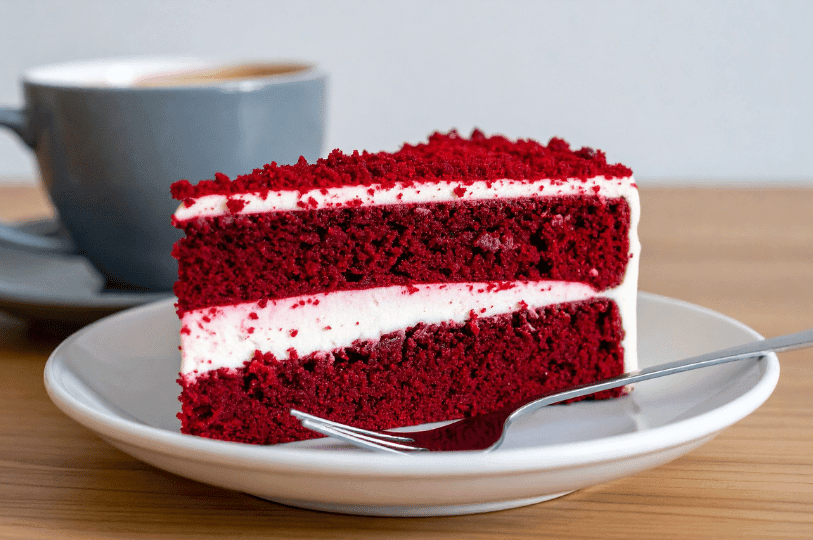
Even the best bakers have off days. If your cake didn't turn out quite right, here is likely what happened.
Problem: My cake is brown, not red.
- Cause: You might have used too much baking soda or a Dutch-processed cocoa powder. Dutch-processed cocoa is alkaline, which neutralizes the acidity needed to keep the red color vibrant (even with food dye). Stick to natural cocoa powder. Also, cheap food coloring can sometimes bake out brown. Invest in a good quality gel color.
Problem: The texture is dry or tough.
- Cause: This is almost always due to overmixing or overbaking. Once the wet and dry ingredients meet, mix only until combined. And keep an eye on the oven—check the cake 5 minutes before the timer goes off. Every oven is different.
Problem: The cake sank in the middle.
- Cause: This usually means the oven door was opened too early, letting the heat escape before the structure was set. Resist the urge to peek! It could also mean your leavening agents (baking soda/vinegar) were old and didn't create enough lift.
Storage and Serving
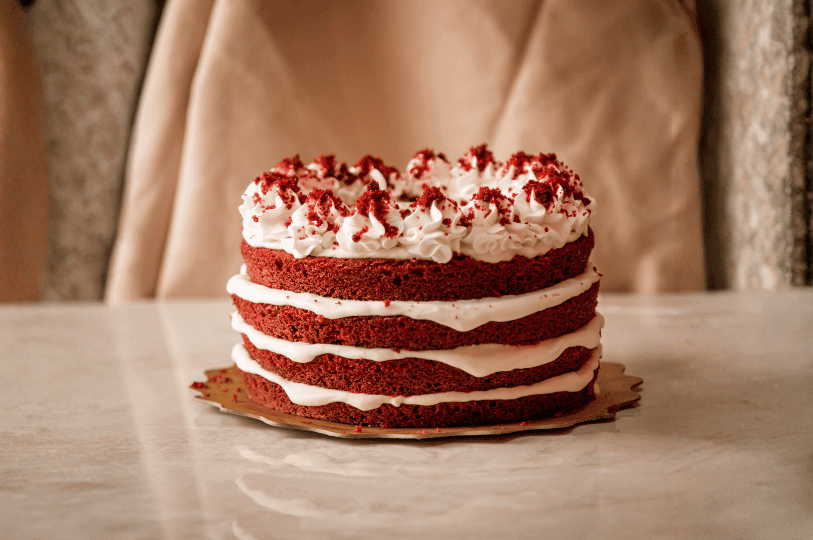
Red Velvet Cake is fantastic because the oil keeps it moist for days.
- Storage: Because of the cream cheese frosting, this cake should be stored in the refrigerator. It will keep well for up to 5 days. However, cold cake can taste a bit dense. I recommend taking it out of the fridge about 30 minutes to an hour before serving to let it come to room temperature. This softens the butter in the frosting and relaxes the crumb.
- Freezing: You can freeze the baked cake layers (unfrosted) for up to 3 months. Wrap them tightly in plastic wrap and then foil. You can also freeze the fully frosted cake, though you might need to touch up the decoration once it thaws.
Serving and Enjoying Your Tart
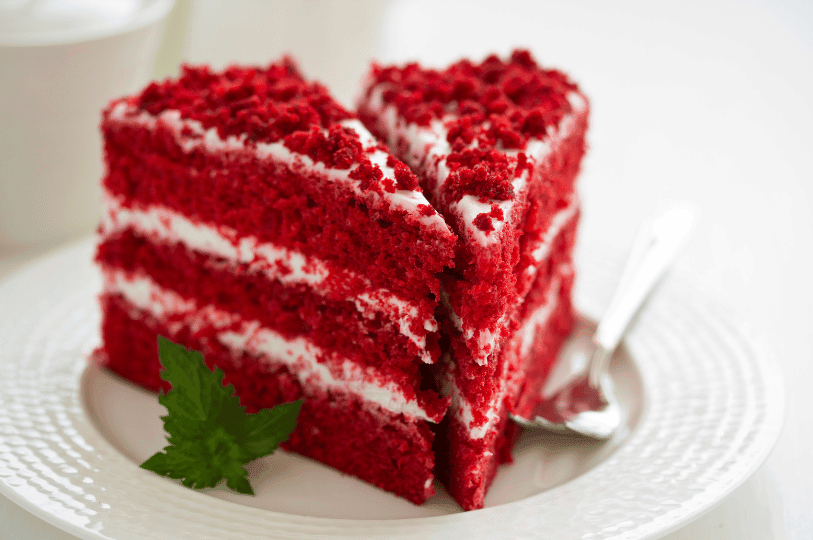
There is something so satisfying about mastering a classic. Red Velvet might seem intimidating with its specific chemistry and bold color, but once you understand the rhythm of the recipe, it is incredibly rewarding.
It is the perfect cake for birthdays, Valentine's Day, or just a Tuesday when you need a little color in your life. The contrast of the deep red crumb against the white frosting is timelessly elegant, and that first bite of tangy, sweet, velvety goodness is pure comfort.
So go ahead, grab that red food coloring and make something spectacular. I promise, when you slice into that cake and see that perfect crimson hue, you are going to feel like a baking rockstar. Let me know how it turns out, and don't forget to share a slice with someone you love!
Happy baking, friends!
