

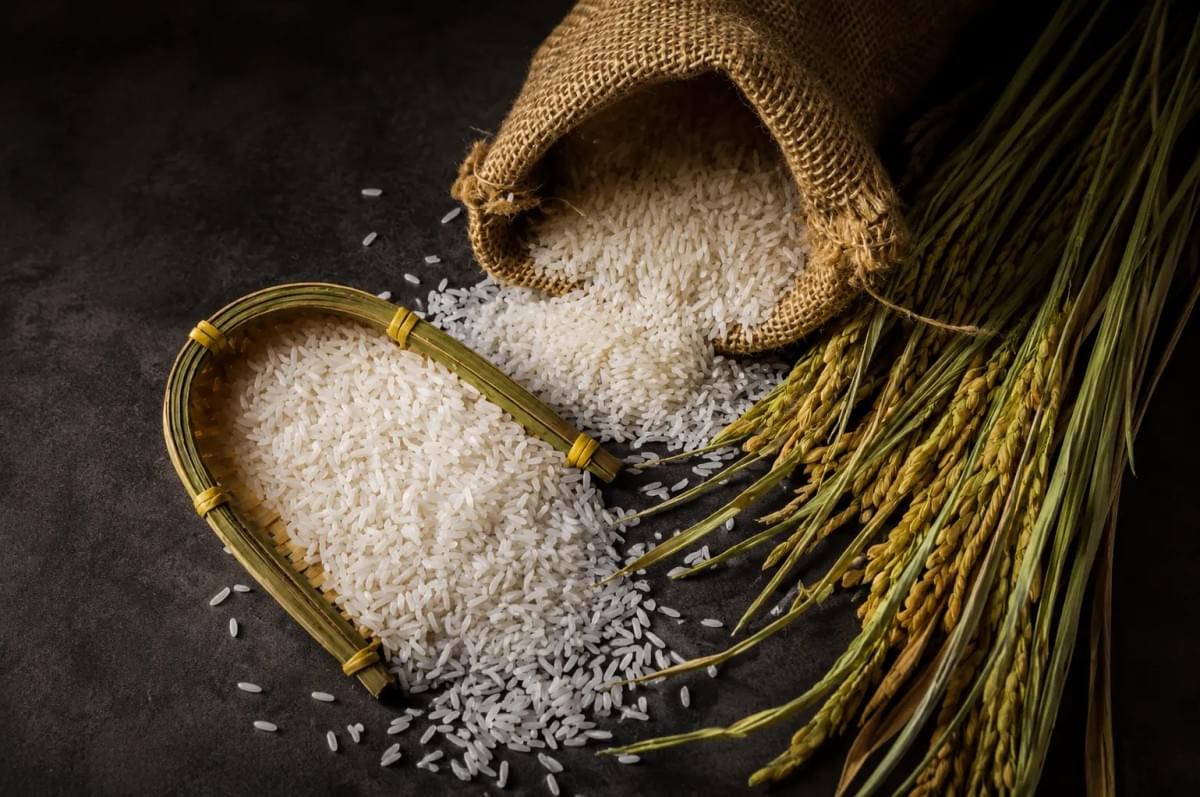
In many Filipino homes, the first sound of the morning is not an alarm. It is the soft click of a rice cooker being switched on.
Before the fish is fried or the coffee is poured, the rice is already going. It is a quiet ritual, so ordinary that most people do not think about it. But that small habit tells you almost everything about how food works in a Filipino household. Rice comes first. Everything else gathers around it.
I have cooked in kitchens where rice was treated as an afterthought, a starch to fill the plate. In Filipino family meals, it is something closer to the heart of the table. It is the reason the meal holds together, the steady thing that every other flavor leans against.
Let me walk you through why.
Rice as the Center, Not the Side
In much of Western cooking, we build a plate around the protein. The meat is the main event, and the rice or potato sits politely off to the side.
Filipino meals often work the other way. The rice is the foundation. The dish that comes with it, whatever it may be, exists to make the rice taste good. Ask someone what they are having for dinner and the answer is frequently framed around what goes with the rice, not the other way around.
This is not a small distinction. It shapes how families cook, how much they make, and how they think about a meal being complete. A table without rice can feel unfinished, even if there is plenty of food on it.
A Little Cultural and Historical Context
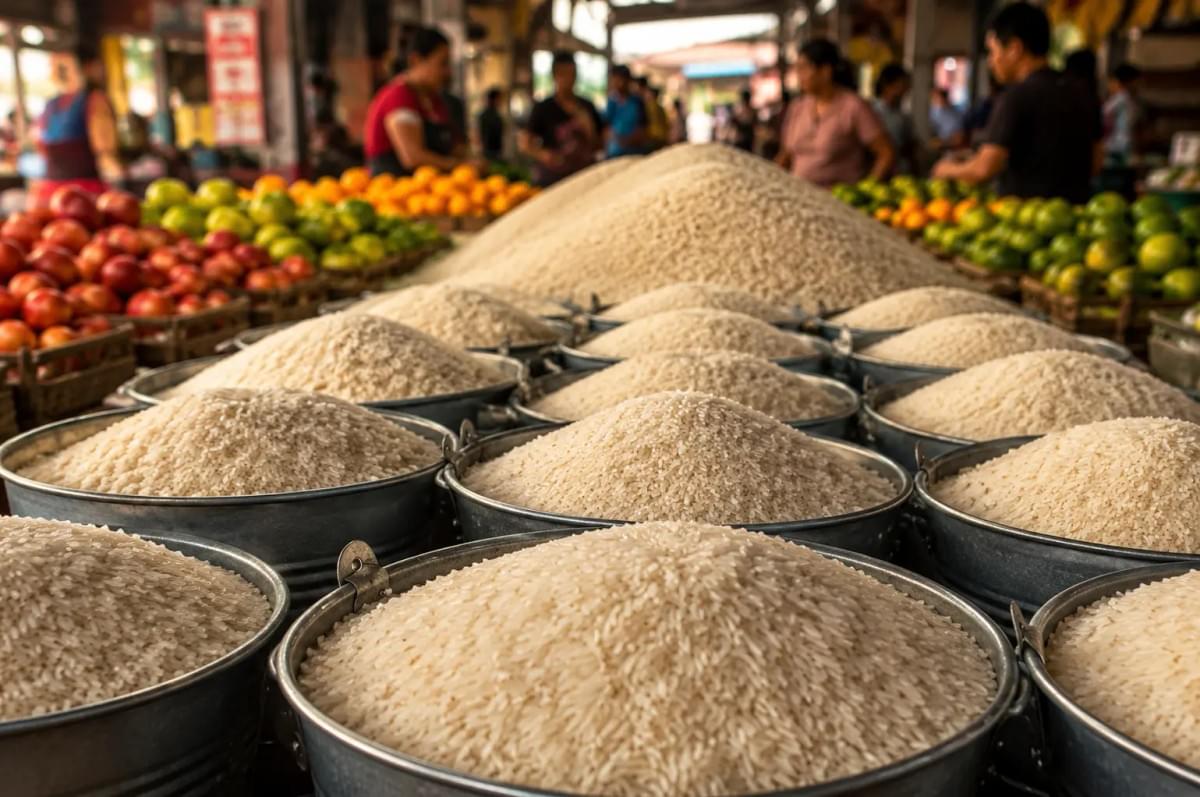
The Philippines sits in a region where rice has been grown for a very long time. The climate, the monsoon rains, and the river valleys made rice cultivation possible across many islands, and over generations it became woven into daily life.
The famous rice terraces carved into the mountains of the northern Philippines are one visible sign of how deeply rooted this crop is. They were built by hand, following the contours of the land, so that even steep slopes could grow grain.
Because rice was both nourishing and abundant, it settled into the center of the meal and stayed there. Trade, colonization, and migration all left their marks on Filipino cooking, adding new dishes and techniques over time. But through all of it, rice held its place. It is one of the constants in a cuisine that has absorbed many influences.
Kanin and Ulam: The Heart of the Pairing
To understand rice in Filipino culture, you need two words: kanin and ulam.
Kanin is cooked rice, usually plain steamed rice. Ulam is the dish that accompanies it, the viand, the thing with flavor and sauce and salt. This could be a savory stew, grilled fish, a vegetable sauté, or almost anything else.
The relationship between the two is the whole point.
Why the balance works
Filipino ulam is often bold. Think of the sourness of sinigang, the salty richness of adobo, or the deep funk of a fermented shrimp paste. These flavors are intense on their own, sometimes too intense to eat by the spoonful.
Steamed rice softens all of that. It is mild, gently sweet, and neutral, which lets it carry strong flavors without competing. A spoon of rice with a small piece of salty, tangy ulam creates a balanced bite. The rice stretches the flavor of the dish and keeps each mouthful from becoming overwhelming.
This is also practical. A modest amount of ulam can feed several people when there is enough rice to go around. In many families, that arithmetic has always mattered.
Rice in the Rhythm of the Day
Rice appears at nearly every meal, and often in different forms depending on the hour.
Breakfast
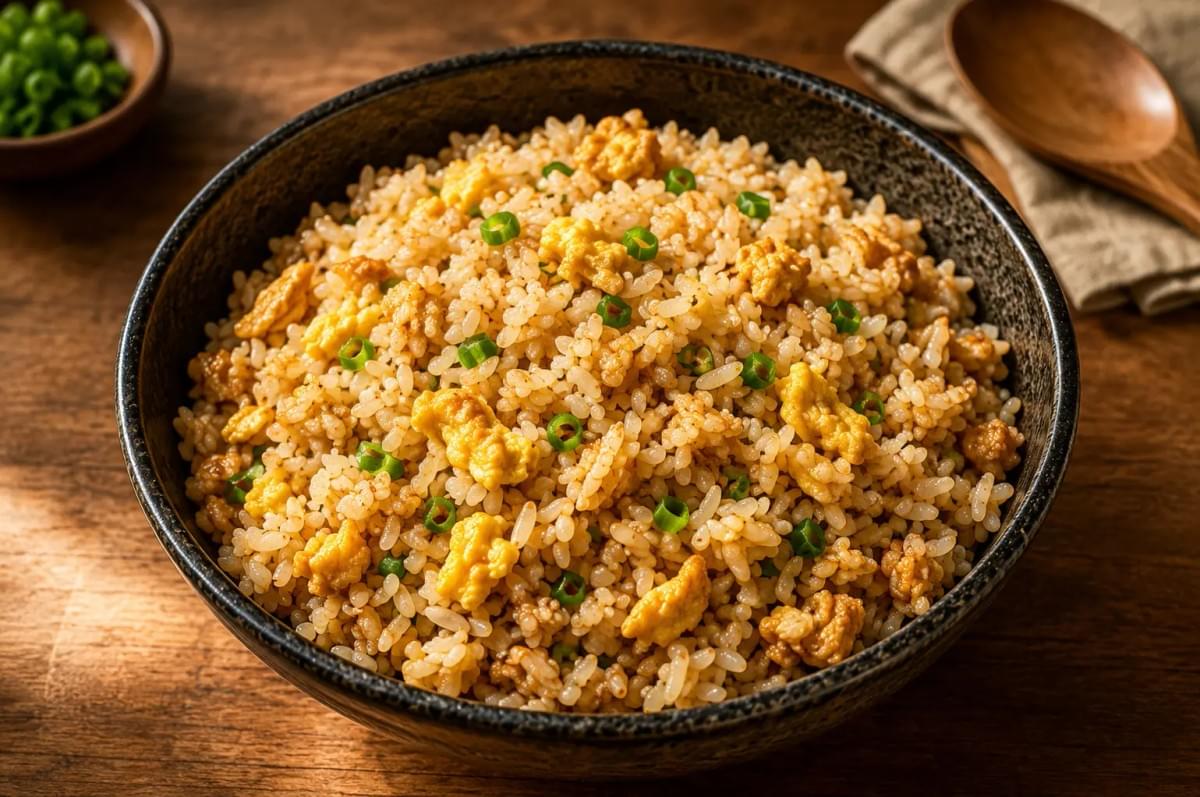
Filipino breakfast frequently begins with fried rice, known as sinangag. It is usually made from leftover rice from the day before, tossed in a hot pan with garlic until the grains turn fragrant and a little toasty.
Sinangag anchors the classic breakfast plates affectionately grouped under names ending in "-silog." Garlic fried rice, a fried egg, and a savory protein like cured meat or dried fish. It is a warm, grounding way to start the day, and it puts yesterday's rice to good use.
Lunch and dinner
For the larger meals, steamed rice returns to the table. Lunch and dinner tend to follow the kanin-and-ulam structure, with one or more dishes set beside a generous pot of rice.
Leftover rice is rarely wasted. What is not eaten at dinner often becomes tomorrow's sinangag, and the cycle continues. There is a quiet thrift in this rhythm, a respect for the grain that runs through the week.
The Many Forms of Rice
Rice shows up in more than one shape on the Filipino table.
Steamed rice (kanin)
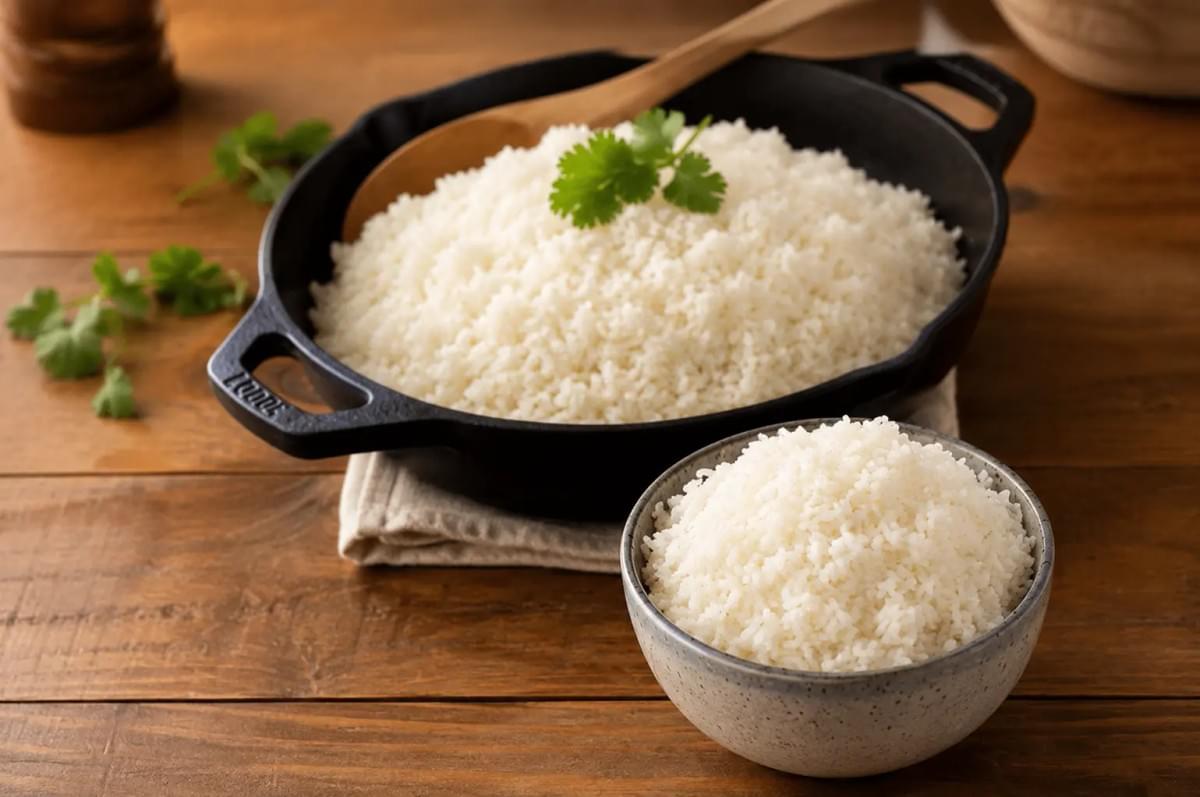
This is the everyday form, plain white rice cooked until soft and fluffy. It is the default, the base, the thing most meals are built on.
Fried rice (sinangag)
Garlic fried rice, as described above, is a breakfast staple and a clever way to revive day-old grains. The garlic is essential, giving the rice its signature aroma.
Rice porridge (lugaw and arroz caldo)
When rice is cooked with much more water, it breaks down into a soft, soothing porridge called lugaw. A well-loved version is arroz caldo, a chicken and rice porridge seasoned with ginger and often finished with toasted garlic, scallions, and a squeeze of calamansi.
Lugaw and arroz caldo are comfort food in the truest sense. They are what many families reach for on rainy days, or when someone is feeling under the weather. Warm, gentle, and easy to eat.
Rice snacks and sweets
Rice also finds its way into snacks and desserts, often made from glutinous rice or rice flour. There are steamed rice cakes, sticky sweets wrapped in banana leaves, and treats served during holidays and gatherings. These deserve a post of their own, so I will only note here that rice carries its importance all the way through to the sweet end of the meal.
Varieties and Texture Preferences
Preferences vary from household to household, but a few general patterns tend to hold.
For everyday steamed rice, many families favor a soft, fluffy grain that stays tender and slightly clingy, so it is easy to gather with a spoon or fork. Rice that is too dry or too separate can feel less satisfying alongside saucy ulam.
Glutinous rice, sometimes called sticky rice, is a different category used mainly for snacks and desserts. Its chewy, sticky texture suits sweets far better than savory meals.
There is no single correct choice, and preferences shift with region, family habit, and what is available. What most cooks share is attention to texture, an instinct for how the rice should feel against the tongue.
How Rice Is Cooked at Home
Ask about rice in a Filipino kitchen and the rice cooker will come up quickly.
The rice cooker
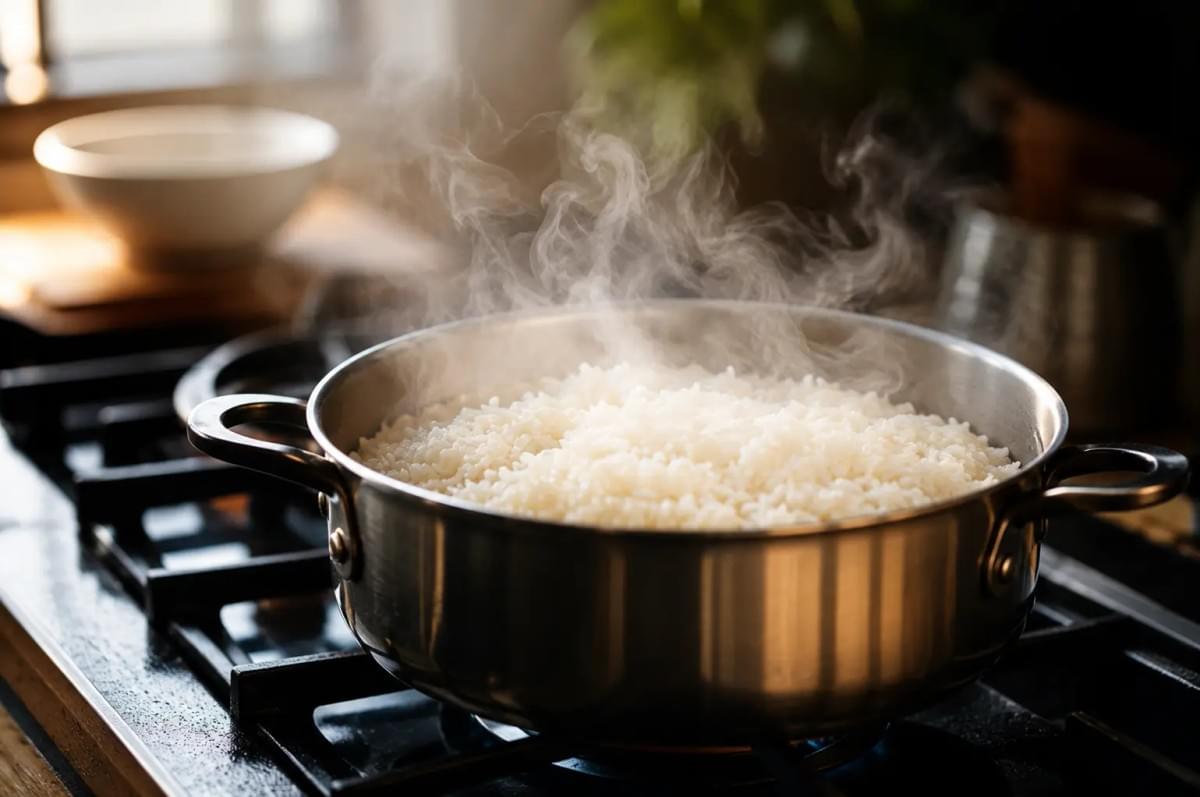
The electric rice cooker is a fixture in most homes. It is reliable, hands-off, and frees the cook to focus on the ulam. Many households run theirs daily, sometimes more than once. For a lot of families, the rice cooker is one of the hardest-working appliances in the kitchen.
Stovetop cooking is still common too, especially in homes that prefer it or for cooks who grew up with a pot and a careful eye on the heat.
Rinsing the rice
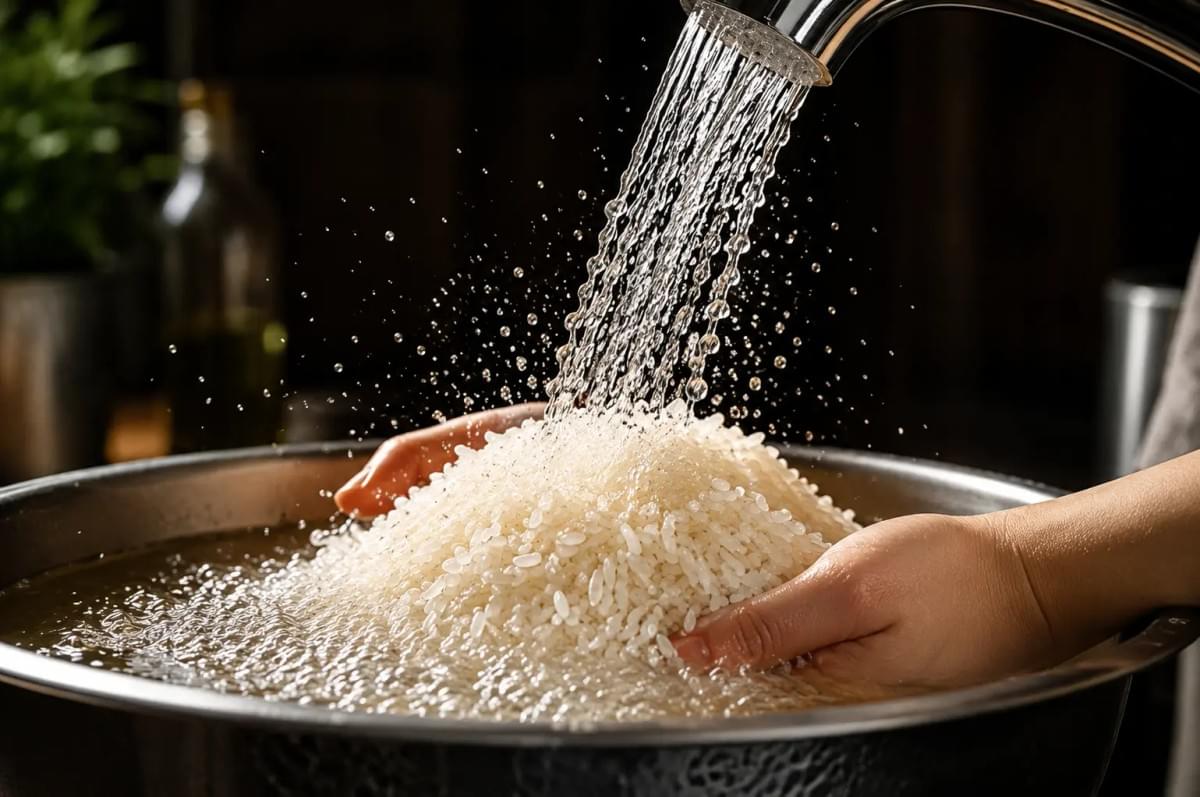
One near-universal step is rinsing. Most cooks wash the rice in a few changes of water before cooking, swirling it with a hand until the cloudiness fades. This removes surface starch and helps the finished rice cook up cleaner and less gummy.
There is a simple, tactile pleasure in this step. The cool water, the soft grains shifting through your fingers, the moment the water finally runs a little clearer. It is a small habit passed quietly from one generation to the next.
The Family Table and the Meaning of More Rice
Some of the deepest meaning around rice shows up not in the cooking, but in the sharing.
Filipino hospitality often expresses itself through abundance, and rice is central to that generosity. Offering more rice to a guest, refilling a plate, urging someone to eat a little more, these are gestures of care. To keep someone's plate full is to look after them.
Meals are commonly shared, with dishes placed at the center and everyone helping themselves to rice and a little of each ulam. When an unexpected visitor arrives, the meal can stretch. A bit more rice, another place at the table, and there is enough. That flexibility is part of the quiet grace of a rice-centered meal.
"Kumain ka na?" (Have you eaten?) is a common way of showing you care. And when the answer is no, rice is almost always part of the reply.
A Balanced Note on Rice and Portions
Rice is an energy staple, a source of carbohydrates that has fueled families and communities for generations. It is filling, affordable, and dependable.
Like any staple, it is best enjoyed as part of a varied plate. Many families pair rice with vegetables, seafood, legumes, and meat, so the meal offers more than starch alone. How much rice a person eats is a matter of appetite, activity, and personal preference. There is no need to frame it as anything other than what it is: nourishing, everyday food.
Modern Shifts, Same Center
Life has grown busier, and some habits around rice have shifted with it.
In certain households, brown rice or mixed grains now appear alongside or in place of white rice, chosen for variety or personal health goals. Some busy cooks lean on pre-cooked or frozen rice on hectic days. Others experiment with different grains entirely.
Yet even with these changes, rice remains the anchor. The form may vary, but its place at the center of Filipino family meals has held. That steadiness, across generations and shifting schedules, says a great deal about what rice means.
Frequently Asked Questions
What is the difference between kanin and ulam?
Kanin is cooked rice, usually plain and steamed. Ulam is the flavorful dish that goes with it, such as a stew, grilled fish, or vegetable sauté. Together they form the core of a typical Filipino meal.
What is sinangag?
Sinangag is Filipino garlic fried rice, often made from leftover rice cooked with garlic until fragrant and lightly toasted. It is a breakfast favorite and a common base for the "-silog" breakfast plates.
Why is rice rinsed before cooking?
Rinsing removes excess surface starch, which helps the cooked rice turn out cleaner and less sticky. Most Filipino cooks rinse the grains in a few changes of water before cooking.
What is arroz caldo?
Arroz caldo is a comforting chicken and rice porridge seasoned with ginger and often topped with toasted garlic, scallions, and calamansi. It is a beloved comfort food, especially on cool or rainy days.
Do all Filipino families eat white rice?
Most commonly, yes, though preferences vary. Some households now include brown rice or mixed grains for variety or personal reasons, while rice in some form remains central to the meal.
A Final Thought
Rice in Filipino culture is more than a grain on a plate. It is the rhythm of the morning, the thing that stretches a meal to welcome one more guest, the comfort in a bowl of porridge on a gray afternoon.
It carries flavor, yes. But it also carries memory, care, and the simple daily act of feeding the people you love.
If this look at Filipino family meals stirred something in you, come sit a while longer with us. Find more food stories from around the world at ourfoodrhythms.com, and let us keep tasting the world together.
