

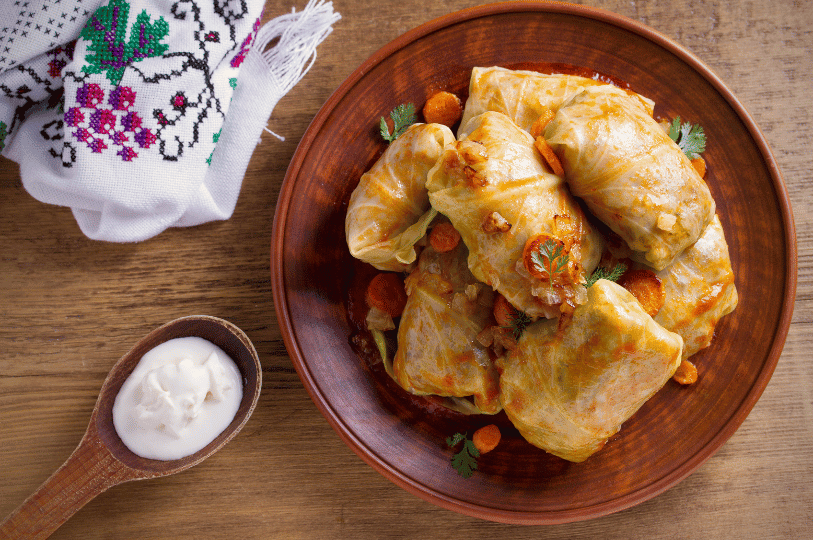
Some dishes are more than just food; they are a direct line to the heart of a culture. They are the meals that decorate holiday tables, the aromas that fill a grandmother’s kitchen, and the flavors that taste like home. In Romania, one of the most beloved of these dishes is Sarmale.
At first glance, sarmale are humble cabbage rolls. But to call them "just" cabbage rolls would be like calling a cozy fireplace "just" a source of heat. It misses the point entirely. These little parcels of soured cabbage, filled with a savory mixture of seasoned meat and rice, are the undisputed national dish of Romania. They are the ultimate comfort food, a symbol of celebration, and a taste of pure, unadulterated tradition.
Making sarmale is a beautiful, rhythmic process. It is about taking simple, local ingredients like cabbage, pork, and rice, and transforming them into something deeply satisfying. They are simmered slowly for hours until the cabbage is tender enough to cut with a fork and the filling is juicy and bursting with flavor.
So, if you are ready to explore one of Eastern Europe’s greatest culinary treasures, you have come to the right place. We are going to break down the process step-by-step, making it fun and totally achievable for any home cook. Let's get rolling!
A Taste of History and Celebration
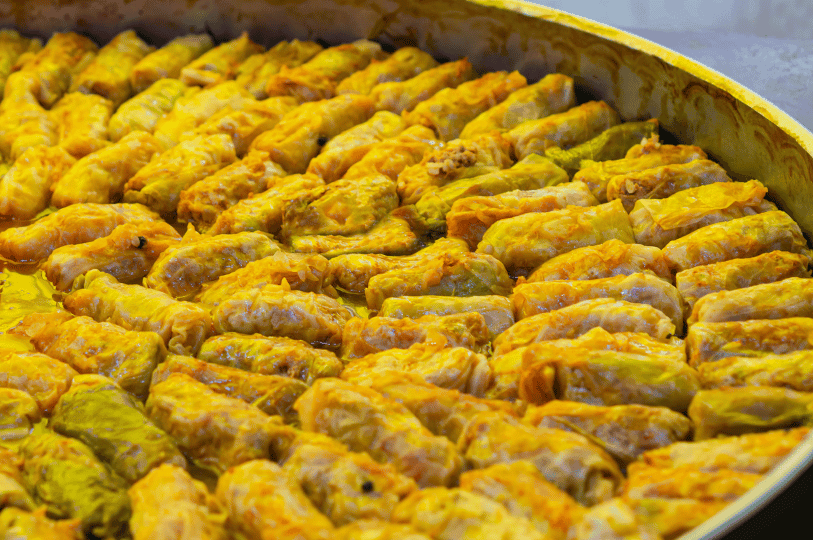
The story of sarmale is a journey through time and empires. The name itself comes from the Turkish word "sarmak," which means "to wrap" or "to roll." Stuffed vegetable dishes are common throughout the Balkans, the Middle East, and Eastern Europe, a culinary legacy of the Ottoman Empire’s vast influence.
While other cultures stuff grape leaves, peppers, or zucchini, Romanians perfected the art of using soured cabbage leaves. This is what makes sarmale so unique. The cabbage is not fresh; it is pickled in brine, giving it a distinctive tangy flavor that cuts through the richness of the pork filling.
In Romania, sarmale are not an everyday meal. They are reserved for special occasions. You will find massive pots of them simmering away for Christmas, Easter, weddings, and baptisms. The act of making them is often a family affair, with multiple generations gathering in the kitchen to chop, mix, and roll. Each family has its own secret recipe, a slightly different blend of herbs or a specific type of smoked meat tucked between the rolls for extra flavor.
Why Sarmale Are the Ultimate Comfort Food
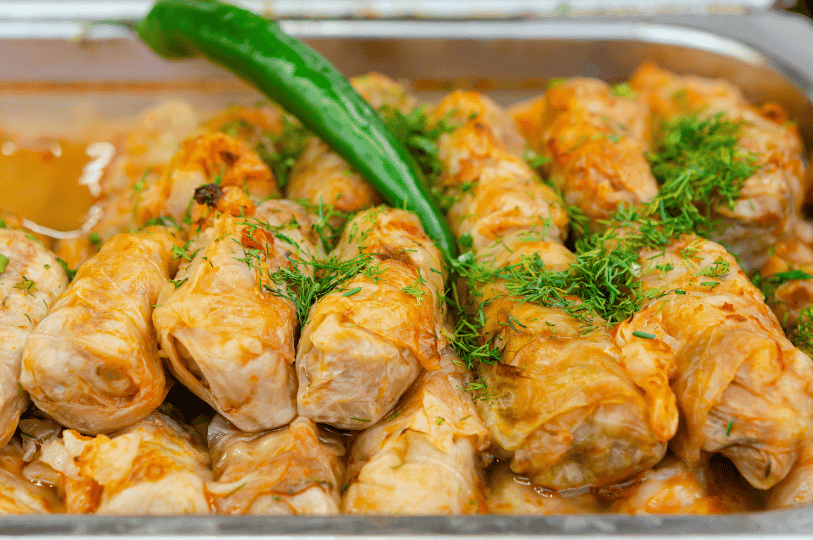
What is it about these little cabbage rolls that makes them so comforting? I think it comes down to a few key things.
First, the flavor combination is perfect. The tangy, slightly sour cabbage leaf is the ideal counterpoint to the rich, fatty pork and savory rice filling. The slow simmering process allows all these flavors to meld together into a harmonious whole.
Second, the texture is divine. The cabbage becomes incredibly tender, the rice softens, and the meat becomes succulent. It is a dish that requires very little chewing; it practically melts in your mouth.
Finally, it is the way they are served. Sarmale are almost always accompanied by mămăligă (polenta), a dollop of cool sour cream, and a spicy pepper on the side. This combination of hot, cold, creamy, and tangy is a full-sensory experience. It is hearty, warming, and deeply nourishing to the soul.
Ingredients You Will Need
This recipe will make a generous pot of sarmale, enough for about 6-8 people. It is a dish that is wonderful for leftovers!
Prep time: 45 minutes
Cook time: 3-4 hours
Servings: 6-8
For the Cabbage Rolls:
- Soured Cabbage: 1 large head of whole soured cabbage (around 2-3 lbs). You can find this at Eastern European or international grocery stores.
- Ground Meat: 2 lbs of ground pork. For the best flavor, use a mix that is not too lean (around 20% fat). You can also do a 50/50 mix of pork and beef.
- Rice: 1/2 cup of short or medium-grain white rice, rinsed.
- Onion: 2 medium onions, finely chopped.
- Carrot: 1 medium carrot, grated (optional, but adds a touch of sweetness).
- Oil: 2 tablespoons of sunflower or vegetable oil.
- Tomato Paste: 2 tablespoons of tomato paste.
- Herbs: 1 tablespoon of dried dill and 1 tablespoon of dried thyme. Fresh herbs are great too, just use more.
- Smoked Meat: A chunk of smoked bacon or smoked pork ribs (about 1/2 lb). This is key for that authentic smoky flavor!
- Seasoning: Salt and freshly ground black pepper.
For the Cooking Liquid and Pot:
- Sauerkraut: 2 cups of shredded sauerkraut (often sold with the cabbage).
- Tomato Juice: 4 cups of tomato juice or a mix of tomato sauce and water.
- Bay Leaves: 2-3 bay leaves.
For Serving:
- Mămăligă (Polenta): Prepared according to package instructions.
- Sour Cream: A full-fat sour cream or smântână.
- Hot Peppers: Pickled or fresh hot peppers.
Step-by-Step Instructions: The Rhythm of Rolling
Making sarmale is a process, but a very rewarding one. Let's break it down into manageable steps.
Part 1: Preparing the Cabbage and Filling
- Prep the Cabbage: Carefully separate the leaves from the head of soured cabbage. Try to keep them whole. If the leaves are very salty, you can rinse them briefly in cold water. Cut out the tough central vein from the bottom of each large leaf to make them more pliable for rolling.
- Sauté the Aromatics: In a large skillet, heat the oil over medium heat. Add the finely chopped onions and sauté until they are soft and translucent, about 5-7 minutes. If you are using carrot, add it with the onions.
- Rinse the Rice: While the onions are cooking, rinse your rice under cold water until the water runs clear. This removes excess starch.
- Make the Filling: In a large bowl, combine the ground pork, the rinsed rice, the cooked onion mixture, tomato paste, dried dill, and dried thyme. Season generously with salt and pepper.
- Mix Well: Use your hands to mix everything together until it is well combined. Do not overmix, but ensure all the ingredients are evenly distributed.
Part 2: The Art of Rolling
- Set Up Your Station: Have your bowl of filling, your stack of cabbage leaves, and a large, heavy-bottomed pot (like a Dutch oven) ready.
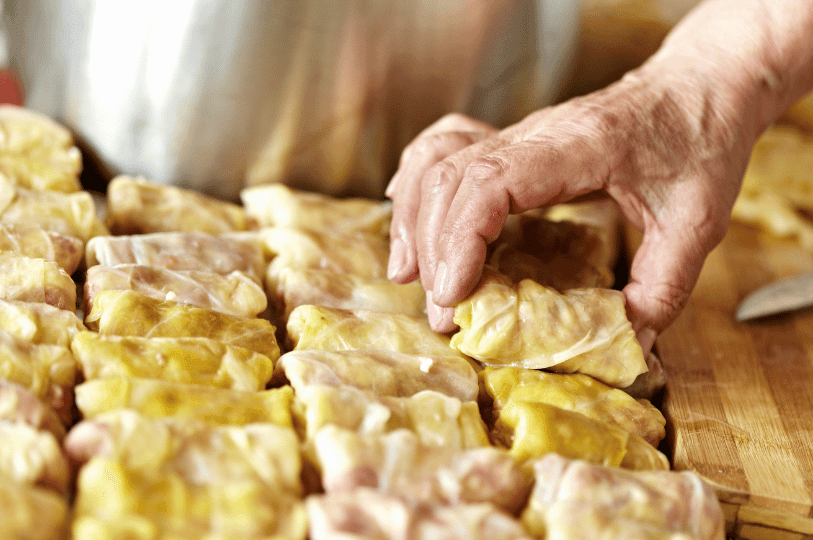
- Start Rolling: Take one of the larger cabbage leaves and lay it flat. Place about 2 tablespoons of the filling near the bottom edge of the leaf. Fold the bottom of the leaf up and over the filling. Fold in the two sides, like you are making a burrito. Then, roll it up tightly into a neat little parcel.
- Repeat: Continue this process until you have used up all the filling. The rolls should be snug but not so tight that they will burst during cooking.
Part 3: Assembling the Pot and Slow Simmering
- Layer the Pot: Chop up any leftover cabbage leaves and the smoked bacon or ribs. Create a bed at the bottom of your pot with half of the shredded sauerkraut and half of the chopped cabbage and smoked meat. This prevents the rolls from sticking and burning.
- Arrange the Sarmale: Tightly pack the cabbage rolls into the pot in a circular pattern. You want them to be snug against each other so they do not unravel while cooking. You can make multiple layers.
- Top It Off: Cover the sarmale with the remaining sauerkraut, chopped cabbage, and smoked meat. Tuck the bay leaves in between the rolls.
- Add the Liquid: Pour the tomato juice over everything. The liquid should come up to almost cover the top layer of rolls.
- Bring to a Simmer: Place the pot on the stove over medium-high heat and bring it to a gentle simmer.
- Slow Cook: Once it is simmering, reduce the heat to the lowest possible setting, cover the pot tightly, and let it cook for at least 3 hours. Some people even cook them for 4-5 hours. The longer they simmer, the more tender they become. You can also bake them in the oven at 300°F (150°C) for the same amount of time.
Tips for Sarmale Success
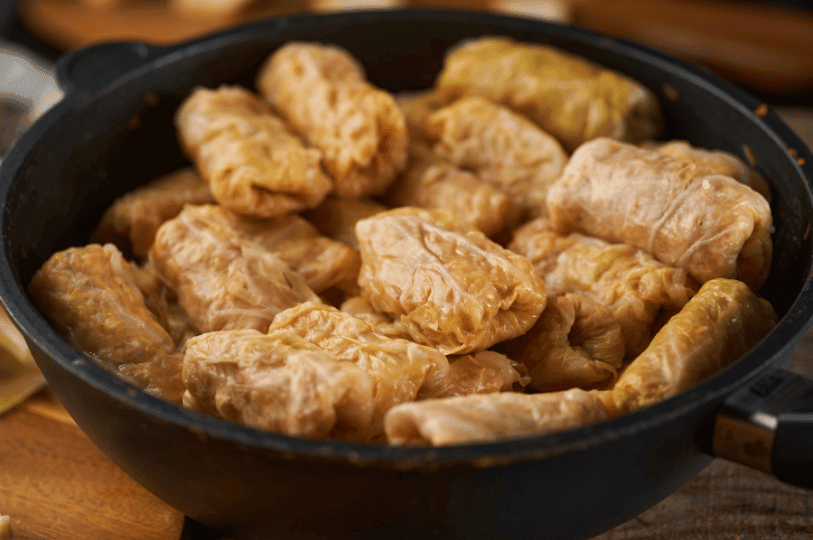
- Taste Your Cabbage: Soured cabbage can vary in saltiness. It is a good idea to taste a piece of a leaf before you season your meat filling. If the cabbage is very salty, you will need less salt in the filling.
- Don't Pack Too Tightly: When you roll the sarmale and arrange them in the pot, keep them snug but leave a little room for the rice to expand as it cooks.
- Patience is Key: The magic of sarmale is in the slow cooking. Do not rush it. The low, slow heat is what breaks down the cabbage and melds all the flavors together.
- They Are Better the Next Day: Like many stews, sarmale somehow taste even better on the second or third day after the flavors have had more time to marry. They reheat beautifully.
Serving and Pairing
The traditional way to serve sarmale is the only way to go.
Prepare a pot of creamy mămăligă (polenta). Spoon some onto a plate. Place two or three hot sarmale next to it. Add a generous dollop of cold, thick sour cream right on top of the cabbage rolls. Finally, place a spicy pickled pepper on the side.
To eat it, you use your fork to get a piece of the sarmale, a bit of the polenta, and a little of the sour cream all in one bite. The combination of the tangy roll, the creamy polenta, and the cool sour cream is absolute perfection. Chase it with a bite of the hot pepper if you dare!
The Comfort of a Cabbage Roll
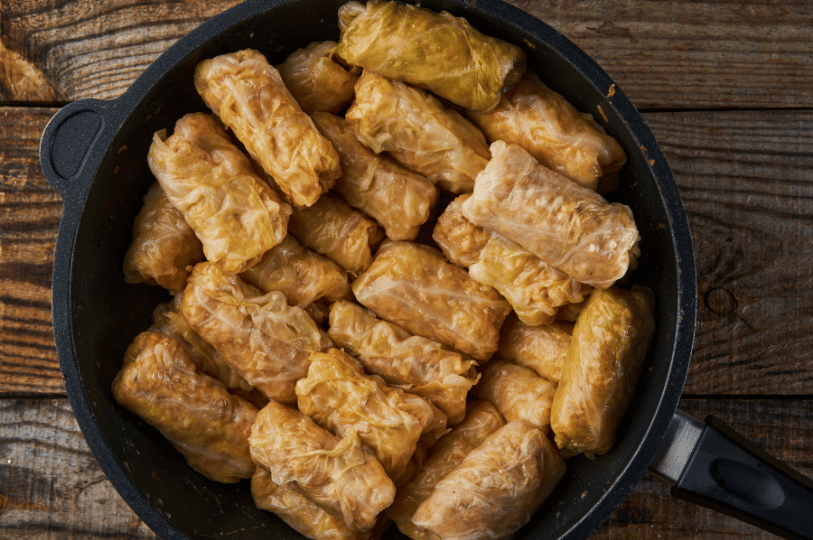
Making sarmale is more than just following a recipe. It is an act of love. It is a slow, meditative process that fills your home with the most incredible, comforting aromas. It is a dish that feels both humble and celebratory at the same time.
It may seem like a big project, but it is one of the most rewarding dishes you can make. So put on some music, clear your afternoon, and get lost in the rhythm of rolling these little parcels of joy. When you finally sit down to a plate of steaming sarmale with creamy polenta and sour cream, you will understand why this dish has stood the test of time.
Poftă Bună!
