

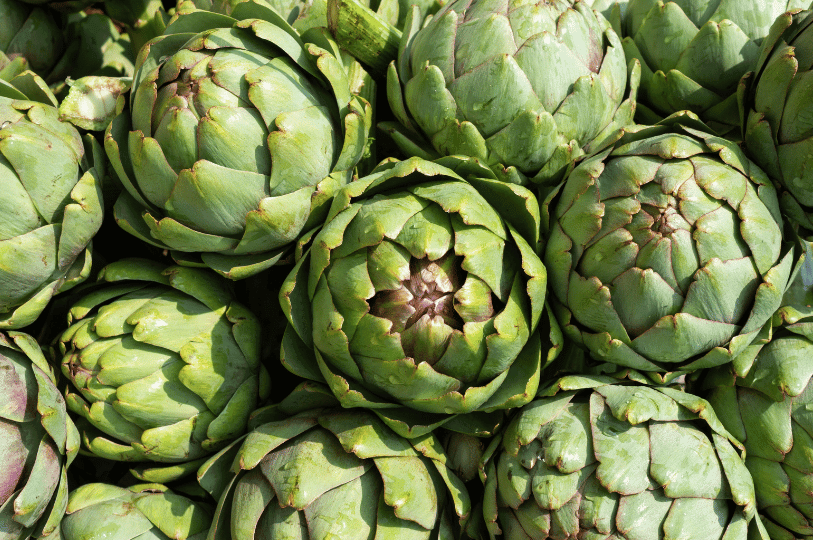
As winter fades and the world awakens, farmers' markets begin to overflow with the vibrant colors of a new season. Among the tender greens and sweet berries, one vegetable stands out with its unique, armored appearance: the spring artichoke. This fascinating thistle, which is actually an edible flower bud, is at its peak during the spring months. Its flavor is unparalleled; a delicate combination of nutty, sweet, and earthy notes that perfectly captures the essence of the season.
For many home cooks, the artichoke can seem intimidating. Its tough exterior and thorny leaves present a culinary puzzle. However, preparing an artichoke is a rewarding kitchen skill that is far simpler than it appears. This guide will demystify the entire process, from selecting the perfect specimen at the market to mastering various cooking techniques. We will walk you through each step, transforming this formidable bud into a tender, delicious centerpiece for your spring table.
How to Select the Best Spring Artichokes
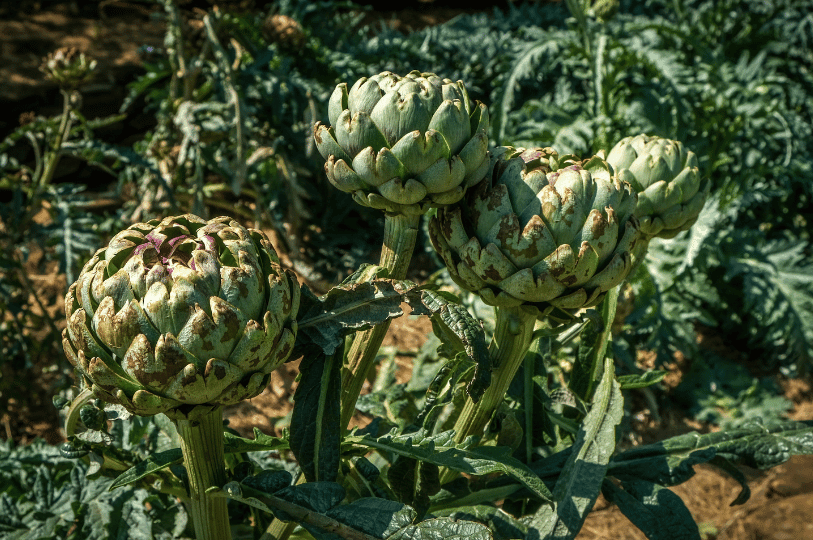
Your journey to a delicious artichoke dish begins at the market. A fresh artichoke will yield a tender, flavorful result, so knowing what to look for is key.
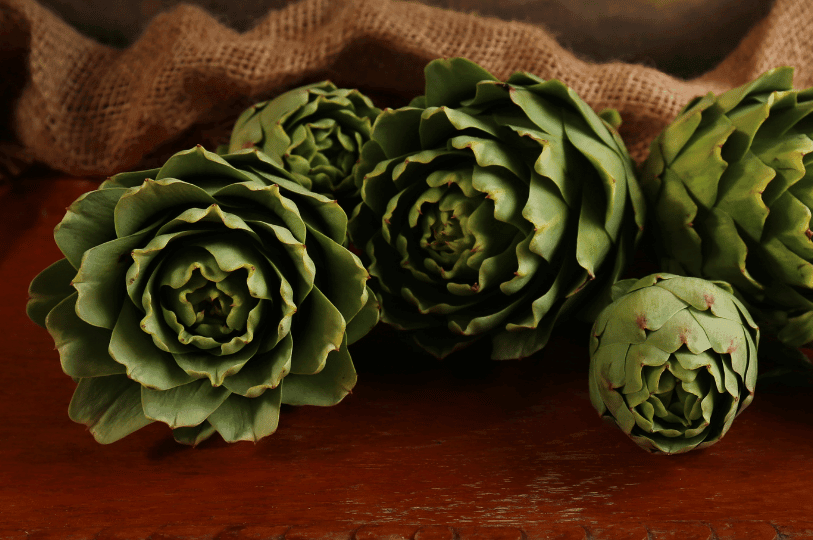
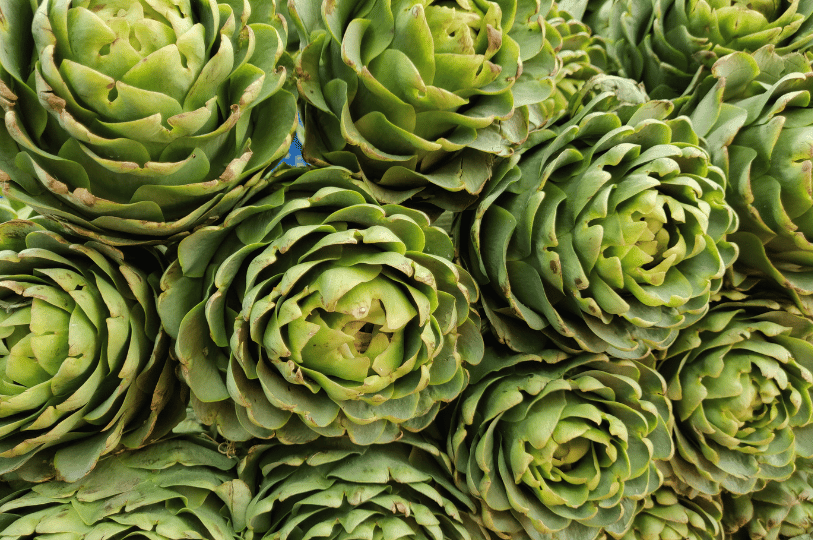
- Look for Tight, Compact Leaves: The leaves, or bracts, should be tightly closed and compact. Artichokes with splayed or open leaves are older and may have a tough texture and a smaller, less desirable heart.
- Feel for Weight: A fresh artichoke should feel heavy for its size. This indicates that it is well-hydrated and has not dried out.
- Listen for a Squeak: Gently squeeze the artichoke. A fresh one will produce a distinct squeaking sound, which is a sign of its moisture content and freshness.
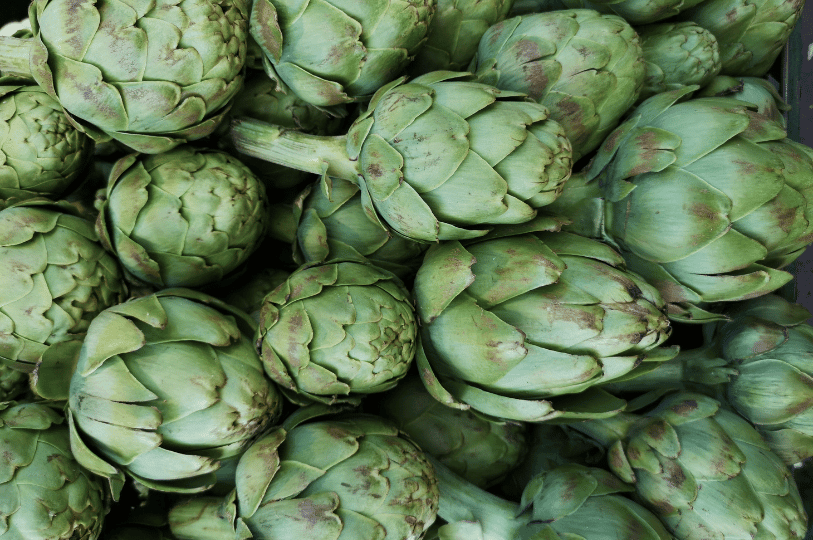
- Check the Color: The color should be a healthy, vibrant green. Some varieties may have a slight purple hue, which is perfectly normal. Avoid artichokes with brown spots, blemishes, or dry-looking leaves.
- Examine the Stem: The stem should look fresh and moist where it was cut, not dry or shriveled. A good portion of the stem is desirable, as it is an extension of the delicious heart.
A Step-by-Step Guide to Trimming an Artichoke
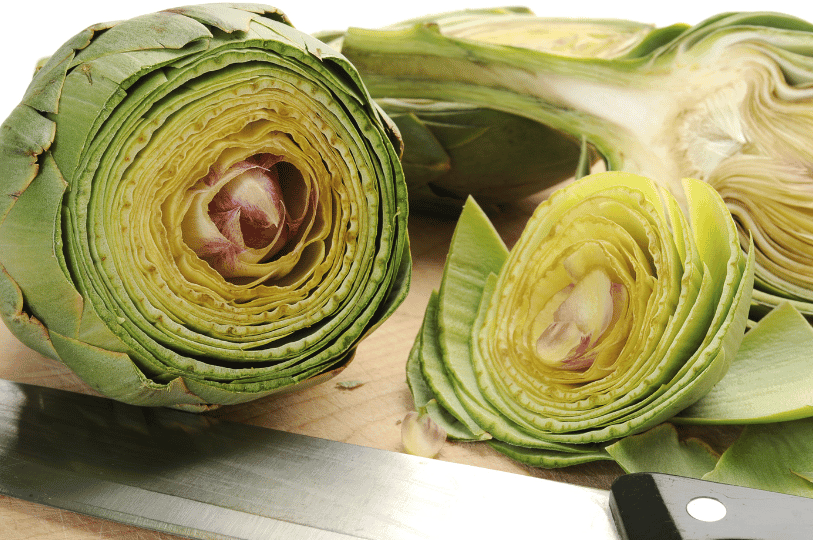
Properly trimming an artichoke prepares it for cooking and makes it easier to eat. Have a bowl of lemon water ready to prevent the cut surfaces from browning.
- Prepare Your Station: Fill a large bowl with cold water and squeeze the juice of one lemon into it. As you trim the artichoke, you will place the finished product in this acidulated water to prevent oxidation.
- Trim the Stem: If the stem is long, trim it down to about one inch. The stem is edible and delicious, so do not remove it entirely. Use a vegetable peeler to peel the tough, fibrous outer layer of the remaining stem.
- Remove the Bottom Leaves: Pull off the small, tough leaves around the base of the artichoke until you start to reach the larger, more tender leaves.
- Snip the Thorny Tips: Using kitchen shears, snip about a quarter-inch off the top of each pointed leaf. This removes the sharp, prickly thorns and improves the artichoke's appearance.
- Cut Off the Top: With a large, sharp serrated knife, slice off the top inch of the artichoke. This exposes the tightly packed inner leaves.
- Rub with Lemon: Immediately rub the cut surfaces of the artichoke with a lemon half to prevent them from turning brown.
- Place in Lemon Water: Place the fully trimmed artichoke into the bowl of lemon water while you prepare the others.
Cooking Methods for Spring Artichokes
Once trimmed, artichokes can be cooked in a variety of ways. Each method brings out a different aspect of their unique flavor and texture.
Steaming
This is the most classic and straightforward method, resulting in a tender, moist artichoke with a pure, clean flavor.
- Instructions: Place a steamer basket in a large pot with a few inches of water, a few lemon slices, a bay leaf, and a couple of cloves of garlic. Bring the water to a boil. Place the trimmed artichokes in the basket, cover the pot, and reduce the heat to a simmer. Steam for 25 to 40 minutes, depending on size. The artichoke is done when a knife inserts easily into the base and an outer leaf pulls away with little resistance.
Roasting
Roasting concentrates the artichoke's flavor, creating a nuttier, slightly caramelized taste.
- Instructions: Preheat your oven to 400°F (200°C). Cut the trimmed artichokes in half lengthwise. Using a spoon, scoop out the fuzzy "choke" from the center. Rub the artichokes all over with olive oil and season with salt, pepper, and minced garlic. Place them cut-side down on a baking sheet and roast for 20 to 30 minutes, or until tender and lightly browned.
Braising
Braising artichokes in a flavorful liquid makes them incredibly tender and infuses them with complementary flavors.
- Instructions: Trim the artichokes and cut them in half. In a large, wide pot or Dutch oven, heat olive oil and sauté some garlic and shallots until fragrant. Place the artichoke halves cut-side down in the pan. Add about an inch of liquid, such as white wine, chicken broth, or vegetable broth. Bring the liquid to a simmer, then reduce the heat to low, cover, and cook for 20 to 30 minutes, until the artichokes are completely tender.
Grilling
Grilling adds a wonderful smoky char that pairs beautifully with the artichoke's natural sweetness.
- Instructions: First, steam or boil the trimmed artichokes until they are almost tender (about 15 to 20 minutes). Drain them well and cut them in half lengthwise, scooping out the choke. Brush them with olive oil and season with salt and pepper. Place them on a preheated grill over medium heat. Grill for 5 to 10 minutes per side, until they have nice char marks and are heated through.
Nutritional Benefits and Flavor Profile
Spring artichokes are not only delicious; they are also packed with nutritional benefits. They are an excellent source of dietary fiber, which is important for digestive health. They are also rich in antioxidants, including cynarin and silymarin, which support liver function. Artichokes provide essential vitamins and minerals, such as Vitamin C, Vitamin K, folate, magnesium, and potassium.
The flavor of a spring artichoke is delicate and complex. It has a mild, nutty taste with sweet undertones and a subtle earthiness reminiscent of asparagus or celery root. The tender heart is the most prized part, offering the most concentrated flavor and a buttery, melt-in-your-mouth texture.
Serving Ideas and Pairings
Artichokes are wonderful on their own, served with a simple dipping sauce. Melted butter, garlic aioli, or a lemon-herb vinaigrette are all excellent choices. They also pair well with a wide range of ingredients:
- Cheese: Parmesan, goat cheese, and feta complement the artichoke’s flavor.
- Herbs: Mint, parsley, and basil add a fresh, bright note.
- Proteins: They are a classic pairing with fish, chicken, and lamb.
- Grains: Toss cooked artichoke hearts into pasta, risotto, or grain salads.
Common Questions and Troubleshooting
- How do I eat a whole cooked artichoke?
Pull off one leaf at a time. Dip the fleshy base of the leaf in your chosen sauce. Place the bottom of the leaf between your teeth and scrape off the tender portion. Discard the rest of the leaf. Continue until you reach the center, then scoop out and discard the inedible fuzzy choke to reveal the delicious heart. - Why did my artichoke turn brown?
Artichokes oxidize and turn brown very quickly once cut. This is a natural reaction that can be prevented by rubbing the cut surfaces with lemon and placing the trimmed artichokes in acidulated water. - Is the fuzzy choke edible?
No, the choke is not edible and should always be removed. It has a fibrous, unpleasant texture and can be a choking hazard.
Embracing the rhythm of the seasons means celebrating ingredients when they are at their absolute best. The spring artichoke, with its unique character and delicate flavor, is a true seasonal delight. We hope this guide inspires you to confidently bring this wonderful vegetable into your kitchen and discover the simple pleasure of preparing and sharing it.
