

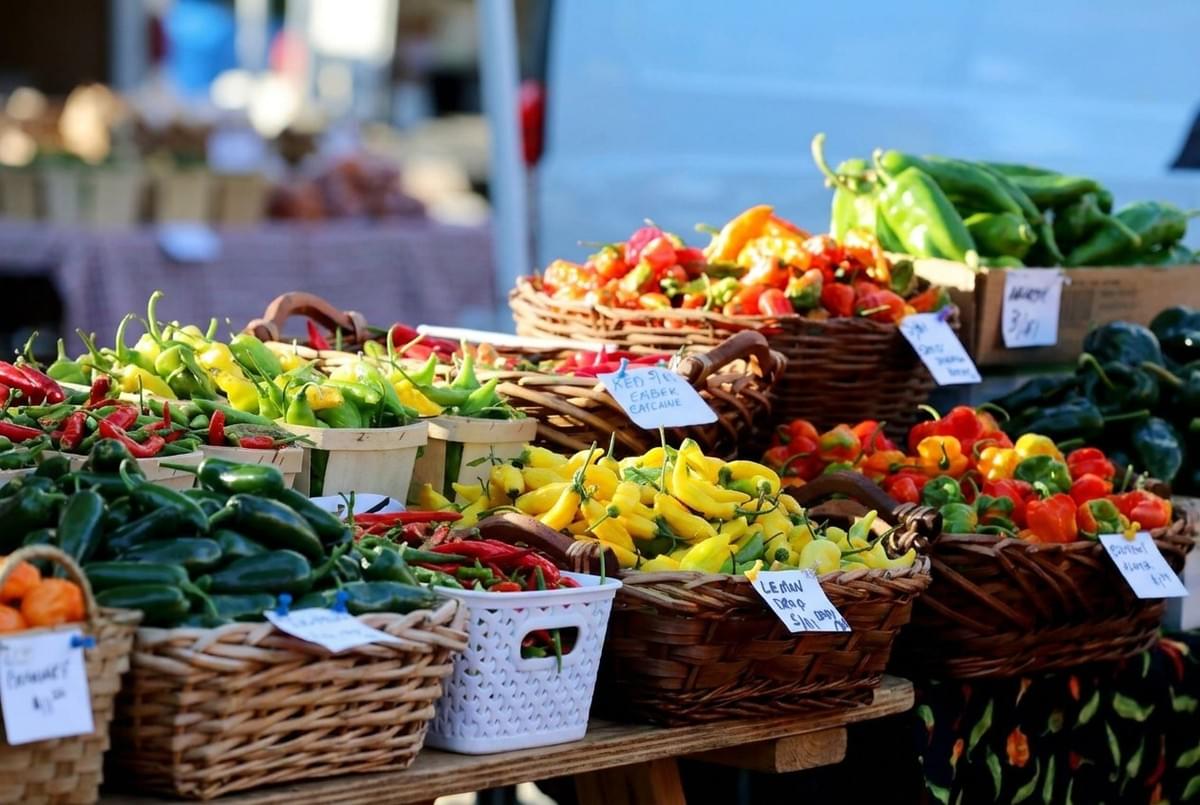
The market table was crowded that morning, but it was the peppers I kept coming back to.
There is something about peppers this time of year. They arrive at their best when the weather is at its hottest, sweet and firm and full of snap. You do not need to do much to them. That is the whole gift.
This is a guide to cooking with fresh peppers through the summer months: how to tell them apart, how to pick and store them, how to prep them without setting your mouth on fire, and how to cook them so they taste like the season. At the center, there is one skillet I make again and again, smoky and sweet, corn and pepper together in a hot pan.
Let's start with knowing what you are holding.
A Quick Pepper Primer
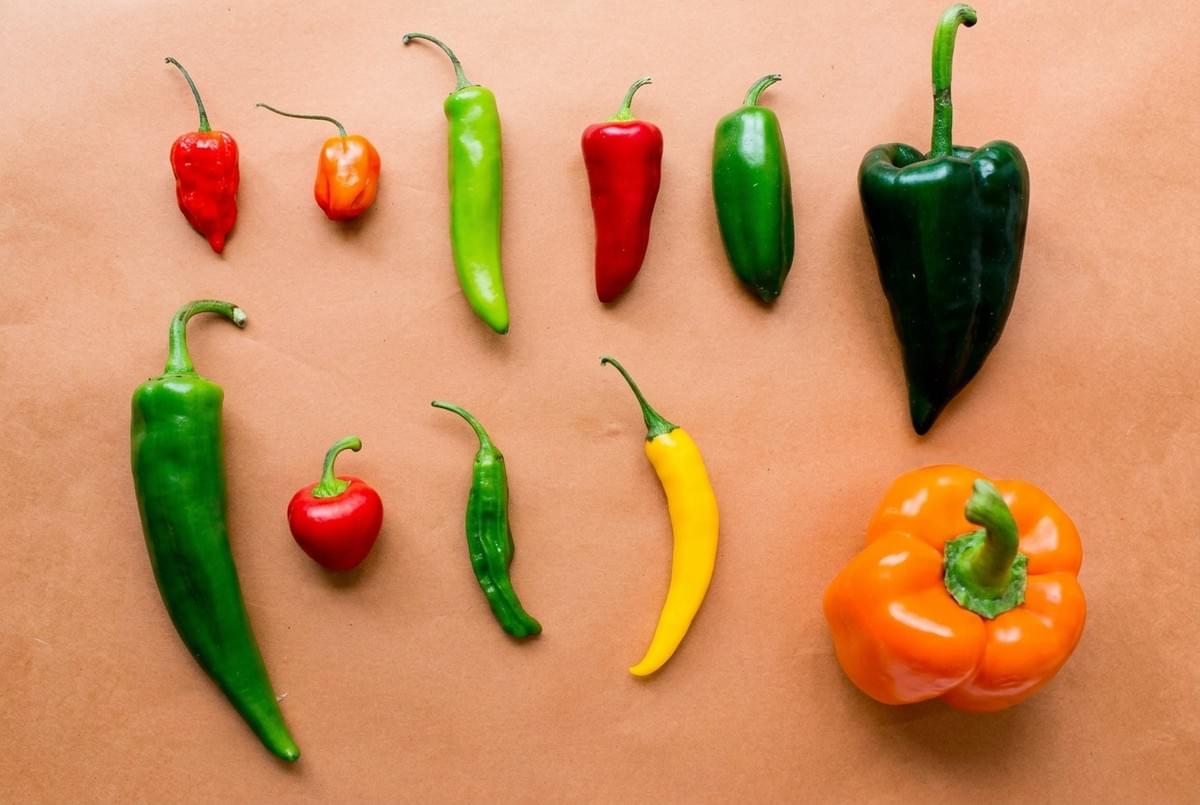
Peppers split into two families: the sweet ones and the hot ones.
Sweet peppers carry almost no heat. They taste bright, grassy, sometimes candy-sweet when cooked down. Bell peppers are the ones most of us know. Shishitos belong here too, mild and blistery, though every so often one surprises you with a little kick.
Hot peppers carry capsaicin, the compound that brings the burn. Poblanos sit at the gentle end. Jalapeños bring a familiar, friendly heat. Serranos climb higher. Habaneros are another world entirely, fruity and fierce.
The Heat, Briefly
Pepper heat gets measured on the Scoville scale. The higher the number, the hotter the pepper. You do not need to memorize the figures. Just know the rough order:
- Bell pepper: no heat
- Shishito: very mild (with the occasional hot one)
- Poblano: mild, earthy
- Jalapeño: medium
- Serrano: hotter than a jalapeño
- Habanero: very hot, handle with care
When a recipe calls for heat and you are unsure, start low. You can always add more. You cannot take it back.
How to Choose Fresh Peppers
Good peppers announce themselves.
- Look for firm, taut skin with a bit of shine. Wrinkles mean age.
- The pepper should feel heavy for its size. That is water and freshness.
- Skip any with soft spots, bruising, or a wet, sunken stem.
- A fresh green stem is a good sign. A dry, brown one is not.
At a market, do not be shy about picking each one up. A pepper tells you a lot in the hand.
How to Store Them
Peppers like to stay cool and dry.
- Keep them whole and unwashed in the crisper drawer of your fridge.
- A loose bag or paper towel helps manage moisture.
- Sweet peppers keep for about a week or more. Hot peppers often last longer.
- Once cut, store them in an airtight container and use within a few days.
If you find yourself with too many, roast and freeze them. More on that soon.
Prepping Peppers Safely
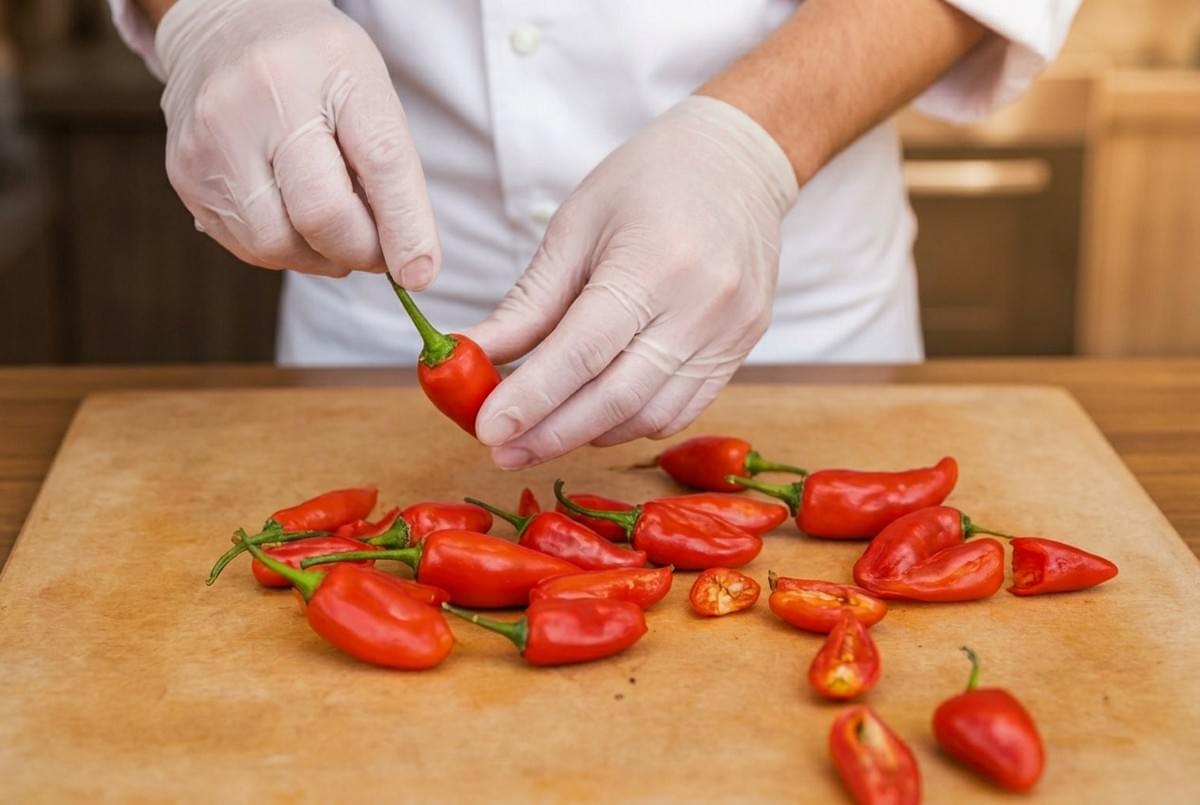
Sweet peppers are easy. Rinse, cut off the top, slice down the sides, and brush away the seeds and white membrane.
Hot peppers ask for more care.
- Wear gloves when handling anything hotter than a jalapeño. The oils cling to skin and linger.
- Do not touch your eyes, face, or anything else while you work. This is the mistake everyone makes once and never forgets.
- Wash your knife, board, and hands with soap and warm water afterward.
Turning the Heat Up or Down
Most of a pepper's heat lives in the seeds and the white membrane, not the flesh.
- For less heat, remove the seeds and membrane completely.
- For more, leave some in.
- If a dish turns out too spicy, dairy is your friend (a spoon of yogurt, a scatter of cheese). A little sugar or acid, like a squeeze of lime, softens the burn too.
Core Cooking Methods
Peppers are generous. They take well to almost any heat.
Grilling
Whole or halved peppers over a hot grill turn smoky and soft.
- Cook over direct heat, turning until the skin chars and blisters, about 8 to 12 minutes.
- The skin will blacken. That is what you want.
- Best for bells, poblanos, and anything you plan to peel and stuff.
Blistering and Char-Roasting
This is the shishito's moment.
- Get a skillet very hot, add a little oil, and toss the peppers until they blister and slump, about 4 to 6 minutes.
- Finish with flaky salt.
- Fast, addictive, and perfect as a plate to pick at.
Sautéing and Stir-Frying
For quick, everyday cooking.
- Slice peppers thin, then cook in a hot pan with a little oil for 4 to 6 minutes, until soft with a bit of bite.
- High heat keeps them from going limp.
- Great for fajitas, noodles, and anything that wants a fast finish.
Roasting in the Oven
For sweetness and depth.
- Roast at 425°F (220°C) for 20 to 30 minutes, until soft and browned at the edges.
- The natural sugars concentrate and deepen.
- Roasted peppers freeze beautifully, so make extra.
Eating Them Raw
Sometimes the best cooking is none at all.
- Crisp, cool, and sweet, raw peppers shine in salads, slaws, and alongside dips.
- Sweet peppers work best here. Cut them thin.
Quick Pickling
A summer trick worth knowing.
- Warm equal parts vinegar and water with a little salt and sugar, then pour over sliced peppers in a jar.
- Ready in an hour, better the next day.
- Bright, tangy, and a fine way to save a glut.
Featured Recipe: Smoky Summer Pepper and Corn Skillet
This is the one I keep returning to. Sweet peppers and corn caramelize in a hot pan, smoky paprika ties it together, and it comes together in the time it takes to set the table.
- Prep time: 15 minutes
- Cook time: 15 minutes
- Total time: 30 minutes
- Servings: 4
Ingredients
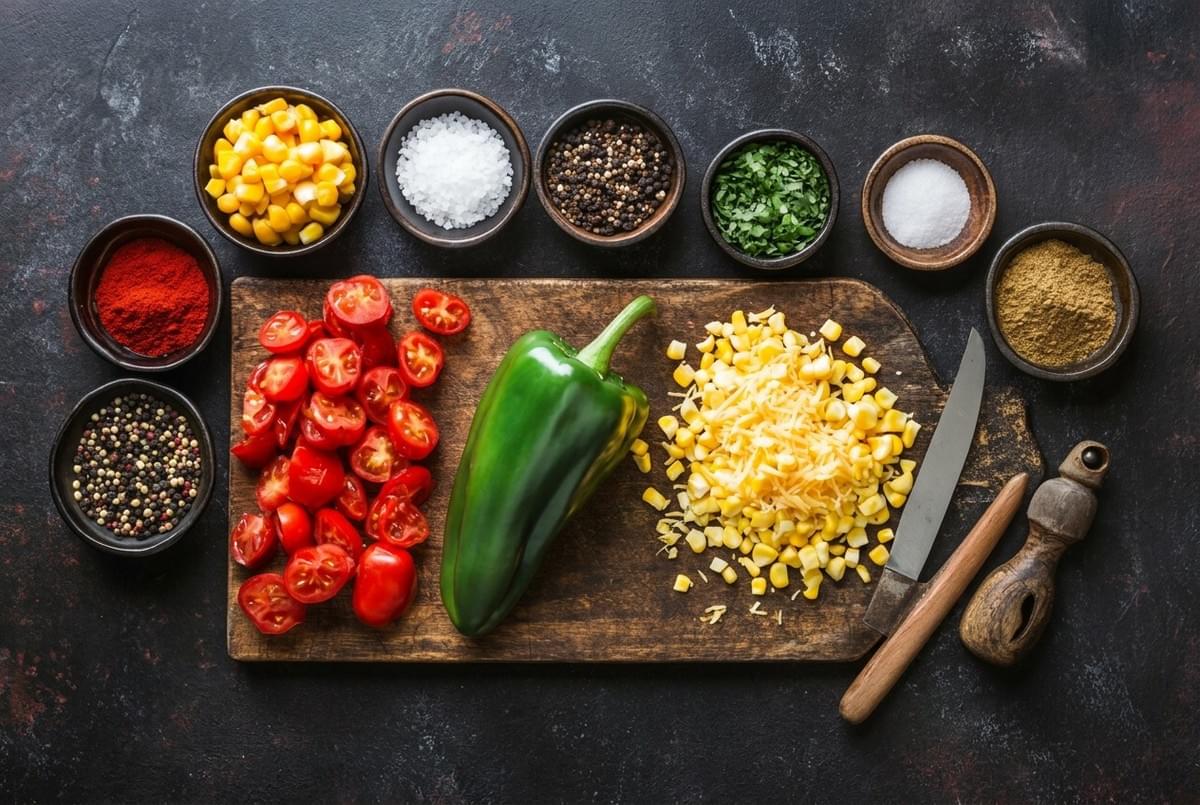
- 2 tablespoons olive oil
- 3 sweet bell peppers (mixed colors), sliced
- 1 poblano pepper, sliced
- 3 ears of corn, kernels cut off (about 2 1/2 cups)
- 1 small red onion, sliced
- 2 garlic cloves, minced
- 1 teaspoon smoked paprika
- 1/2 teaspoon salt, plus more to taste
- Juice of 1 lime
- A handful of fresh cilantro or basil, torn
Instructions
- Heat the olive oil in a large skillet over medium-high until it shimmers.
- Add the onion and cook for 2 minutes, until it begins to soften.
- Add the bell peppers and poblano. Cook for 5 to 6 minutes, stirring now and then, until the edges char a little.
- Stir in the corn and cook for 3 to 4 minutes, letting the kernels catch some color.
- Add the garlic, smoked paprika, and salt. Cook for 1 minute more, until fragrant.
- Pull the pan off the heat. Squeeze in the lime juice and scatter the herbs over the top.
- Taste, adjust the salt, and serve warm.
Variations
- Mild: Skip the poblano and use all sweet peppers.
- Spicy: Add a sliced jalapeño or serrano with the bell peppers, seeds in for more heat.
Serving Ideas
- Spoon it over a grain bowl of rice or farro.
- Pile it into warm tortillas for quick tacos.
- Fold it into scrambled eggs the next morning.
- Toss it through pasta with a little extra oil.
- Pile it onto toast with a smear of soft cheese.
Storage
Keep leftovers in an airtight container in the fridge for up to 3 days. Reheat in a hot skillet to bring back some of the char. It is also lovely cold, straight from the fridge.
Quick Pepper Ideas
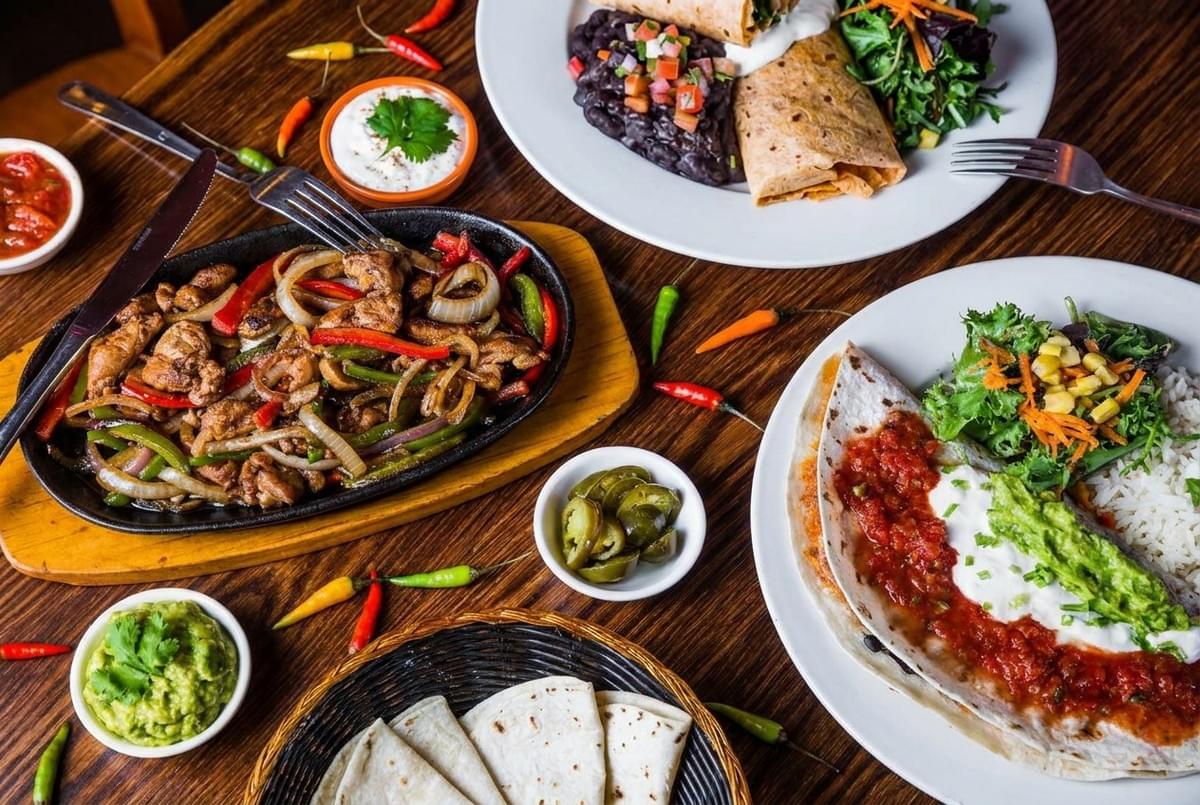
Short on time? Try one of these.
- Blister shishitos and finish with salt and a squeeze of lemon.
- Stuff poblanos with cheese and roast until melting.
- Slice raw bell peppers for dipping into hummus.
- Char-roast peppers, peel, and store in oil for the week.
- Toss thin peppers into fried rice at the last minute.
- Quick-pickle jalapeños for tacos and sandwiches.
- Grill whole peppers and chop into a smoky salsa.
- Add raw pepper strips to a summer slaw for crunch.
Troubleshooting and Substitutions
Too spicy? Add dairy, a pinch of sugar, or a squeeze of acid. Serve alongside rice or bread to mellow the heat.
Can't find shishitos? Use Padrón peppers, or small sweet peppers blistered the same way.
No poblano? An Anaheim pepper works, or a green bell pepper for a milder result.
Peppers turning soggy? Cook them over higher heat and give them room in the pan. Crowding steams them instead of searing. And do not salt too early, since salt draws out water.
One Last Handful
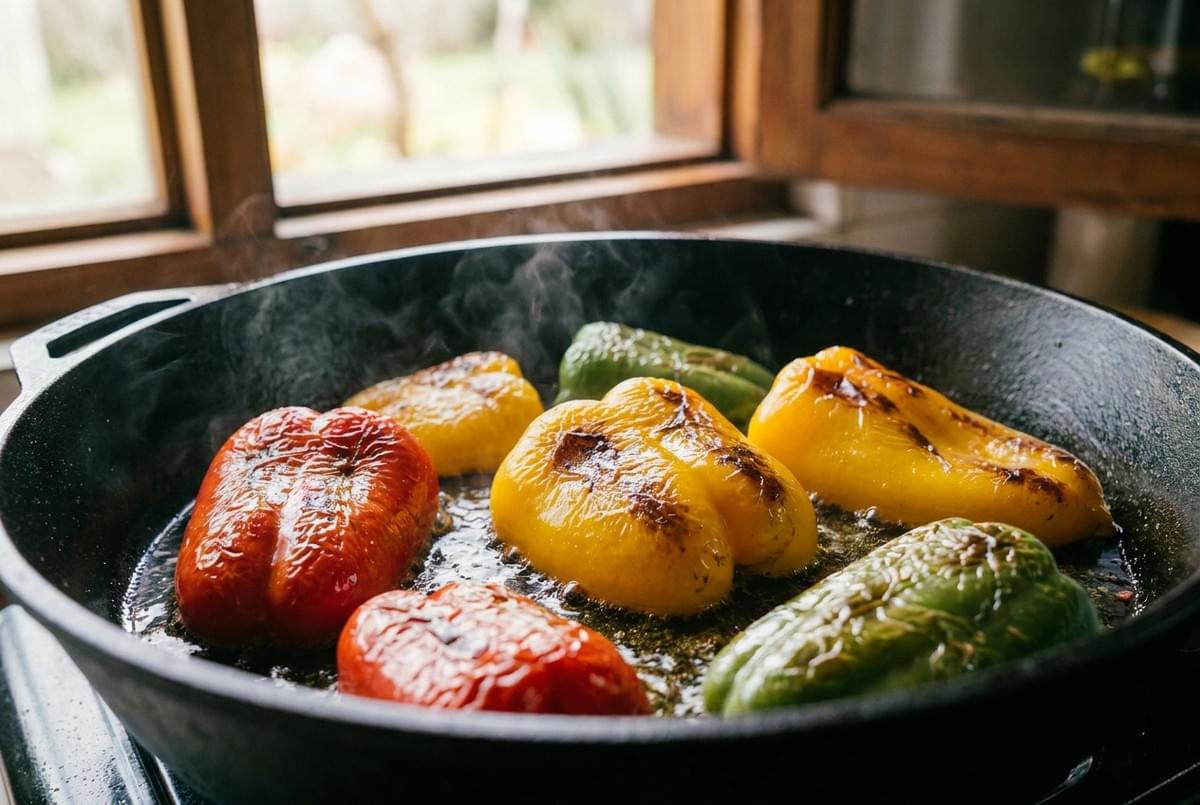
Peppers do not ask for much. A hot pan, a little salt, and a season that already did most of the work.
Buy the ones that catch your eye at the market this week. Blister them, roast them, or pile them into that skillet and eat it straight from the pan. Then come tell us what you made, and which pepper you keep reaching for. We are always glad to hear it.
