

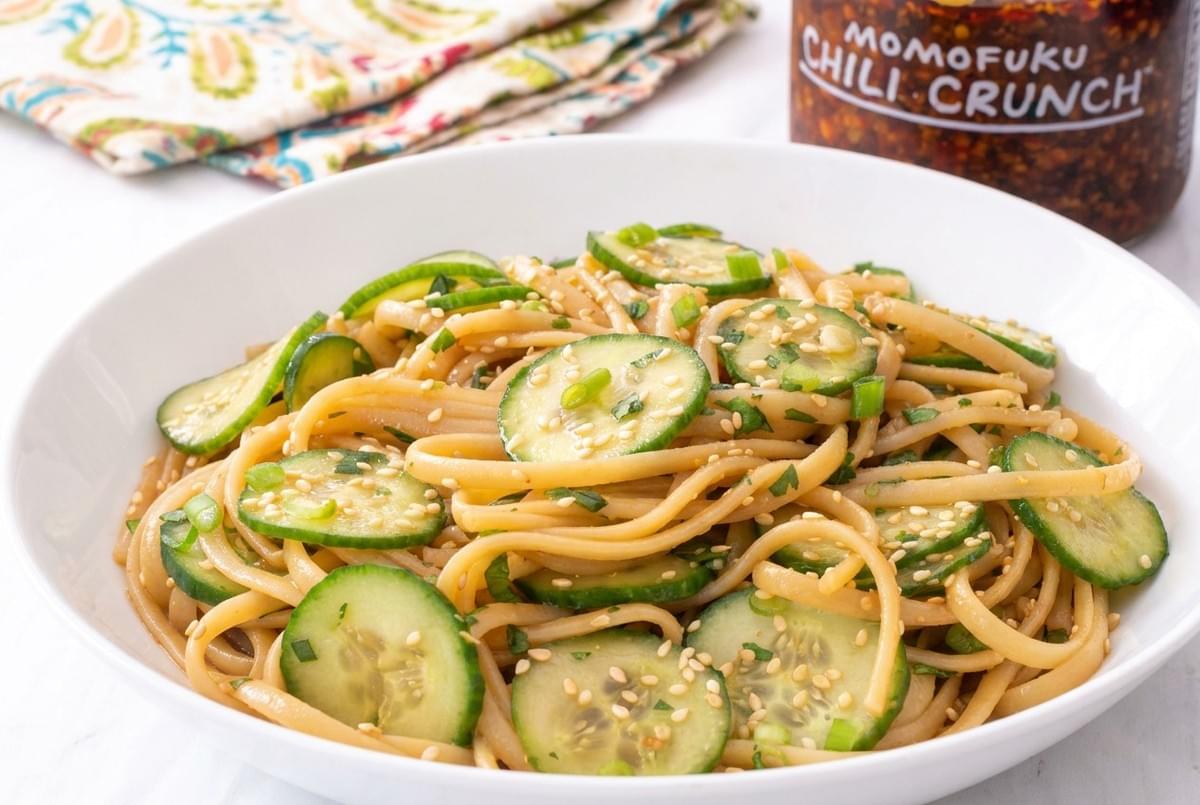
The kitchen is warm. The fridge hums. And you want dinner that tastes cool, bright, and a little bit nutty.
Meet Taiwanese sesame cucumber noodles. Chewy wheat noodles get a slick coat of sesame sauce, sharpened with black vinegar and soy sauce. Smashed cucumbers bring the crunch, and a spoonful of chili oil adds a slow, glowing heat if you want it.
The sauce needs no stove at all. The only thing you cook is the noodles, and that takes minutes.
So grab a bowl, a whisk, and a cucumber you're willing to whack. Dinner has a beat tonight: smash, stir, toss, slurp.
Where Taiwanese Sesame Cucumber Noodles Come From
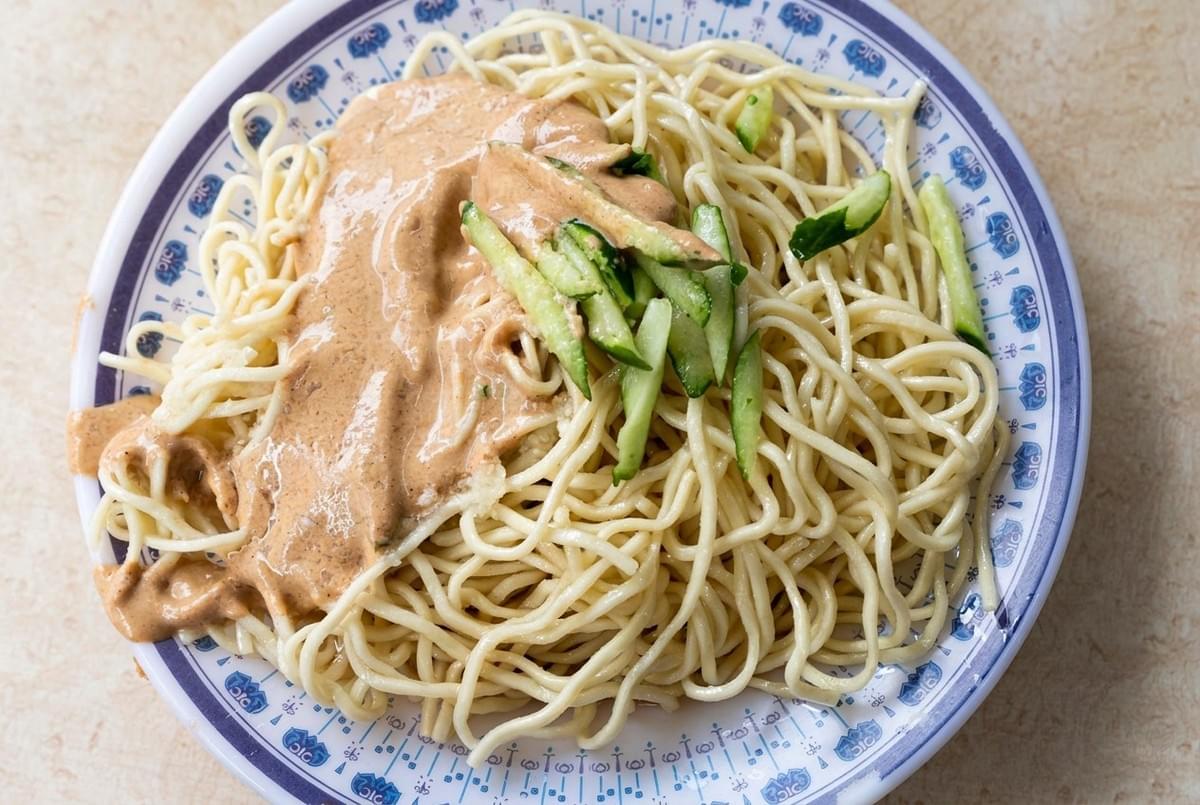
In Taiwan, cold noodles are called liang mian. You'll find them at breakfast shops and small noodle counters, especially when the weather turns hot and sticky. A plastic container, a pile of noodles, a pour of sesame sauce, a tangle of cucumber on top.
The sesame sauce traces back to northern Chinese cooking. It traveled to Taiwan with people who settled on the island in the mid-twentieth century, and over time it became part of everyday Taiwanese eating.
Many stalls top their liang mian with thin cucumber shreds. This version borrows the smashing method from Chinese smashed cucumber salad. Cracking the cucumber opens jagged, uneven edges. Those craggy surfaces drink up the dressing and hold onto sauce in a way neat slices never quite manage.
Why You'll Love This Recipe
- The sauce is no-cook. You whisk it in a bowl while the water boils.
- It's cool on a warm night. Serve it chilled or at room temperature.
- Crunch meets chew. Crisp cucumbers and springy noodles keep every bite interesting.
- You control the heat. Add chili oil by the drop or by the spoonful.
- It packs well. Cold noodles don't mind waiting, which makes them good for lunches.
- The pantry does most of the work. Soy sauce, vinegar, sesame, garlic. That's the band.
Ingredients
Serves: 4
Prep time: 15 minutes
Cook time: 10 minutes
Chill time: 15 to 30 minutes (optional)
Total time: 25 minutes, or about 55 minutes with chilling
For the Cucumbers
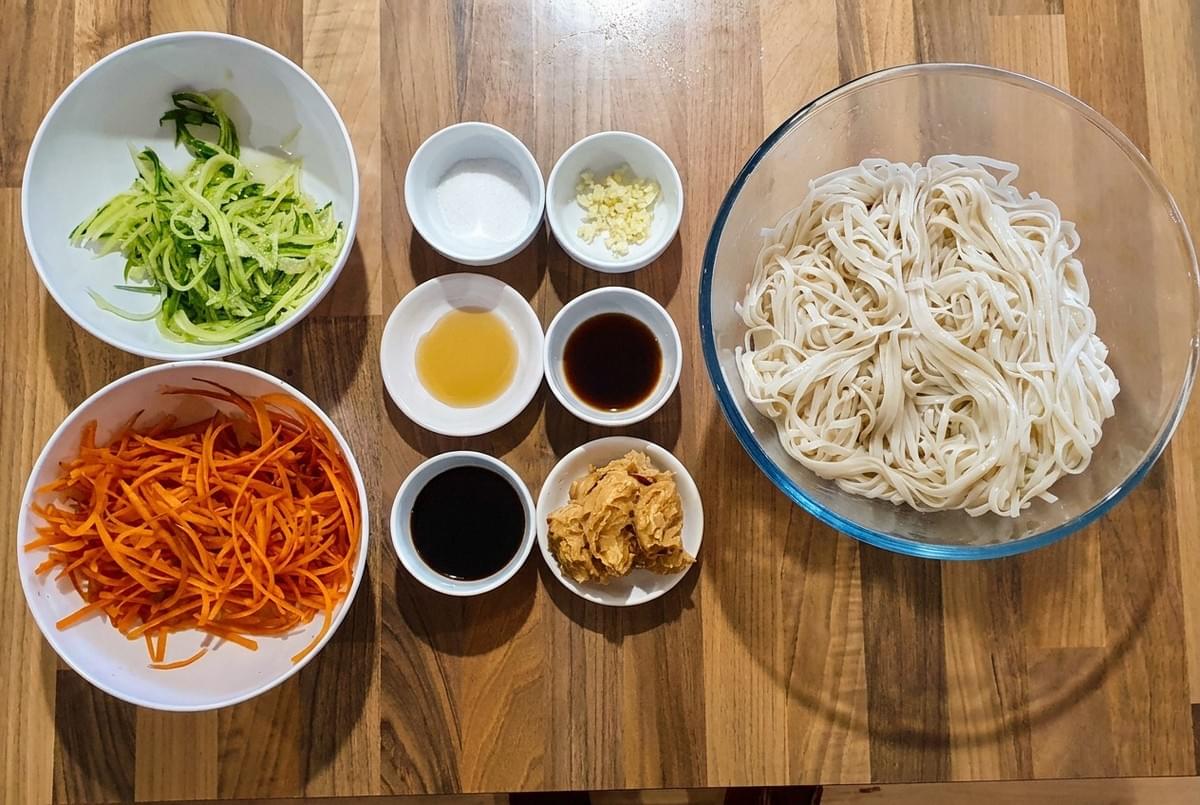
- 2 English cucumbers or 4 Persian cucumbers (about 1 pound)
- 1 teaspoon kosher salt
For the Noodles
- 12 ounces dried thin wheat noodles (or spaghetti, ramen noodles, or fresh lo mein noodles)
- 1 teaspoon toasted sesame oil
For the Sesame Sauce
- 1/4 cup Chinese toasted sesame paste (or 1/4 cup tahini plus 1 extra teaspoon toasted sesame oil)
- 3 tablespoons soy sauce
- 1 1/2 tablespoons Chinese black vinegar (or 1 tablespoon rice vinegar plus 1/2 teaspoon balsamic vinegar)
- 1 tablespoon sugar
- 2 garlic cloves, finely grated
- 1 tablespoon toasted sesame oil
- 3 to 5 tablespoons warm water
- 1 to 2 tablespoons chili oil, optional (or 1/2 teaspoon red pepper flakes stirred into 1 tablespoon warm neutral oil, or chili crisp)
To Finish
- 2 scallions, thinly sliced
- 1 tablespoon toasted sesame seeds
Step-by-Step Instructions
- Smash the cucumbers. Lay a cucumber on a cutting board and place the flat side of a large knife on top. Press down firmly with the heel of your hand until the cucumber cracks open. Repeat along its length.
- Cut into bites. Tear or cut the cracked cucumber into rough 1-inch pieces. Scoop out any very watery seeds if you're using English cucumbers.
- Salt and rest. Toss the cucumbers with the kosher salt in a colander set over a bowl. Let them sit for 15 minutes while you work on everything else. Watch the liquid drip out below.
- Boil the water. Bring a large pot of water to a rolling boil over high heat.
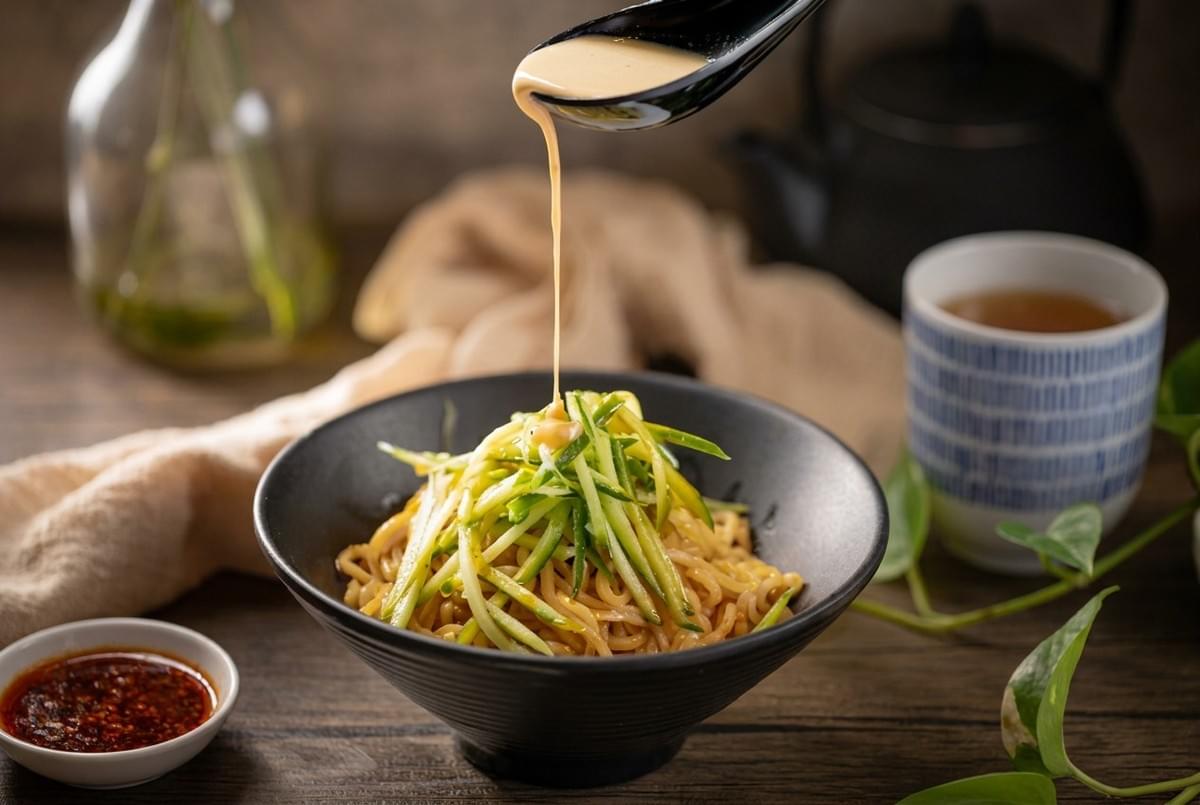
- Whisk the sauce. While the water heats, stir the sesame paste, soy sauce, black vinegar, sugar, garlic, and 1 tablespoon sesame oil in a bowl. It will look thick and stubborn at first. Whisk in warm water one tablespoon at a time until the sauce flows like heavy cream and falls off the spoon in a smooth ribbon.
- Cook the noodles. Add the noodles to the boiling water and cook according to the package, usually 3 to 5 minutes. Stir once or twice so they don't clump. Taste one: it should be tender with a slight springy chew.
- Rinse cold. Drain the noodles and rinse them under cold running water, tossing with your hands, until they feel cool all the way through. Shake off as much water as you can.
- Oil the noodles. Toss the drained noodles with 1 teaspoon sesame oil. This keeps the strands from sticking while they wait.
- Dry the cucumbers. Give the cucumbers a gentle shake in the colander, then pat them dry with a clean towel. Don't rinse them.
- Dress the cucumbers. Toss the cucumbers with 2 tablespoons of the sesame sauce. Keep going until they look glossy and slightly translucent at the edges.
- Bring it together. Add the noodles to a large bowl, pour over the remaining sauce, and toss until every strand is coated and light tan. Add the chili oil now, or save it for drizzling at the table.
- Chill or serve. Serve right away at room temperature, or cover and refrigerate for 15 to 30 minutes for a fully cold bowl. Pile the cucumbers on top, then scatter over the scallions and sesame seeds just before serving.
Tips for the Best Bowl
Salt the cucumbers first. Those 15 minutes pull out extra water. Skip it and the cucumbers keep weeping into the bowl, thinning your sauce as they sit.
Thin the sauce gradually. Sesame paste thickens as it sits and seizes before it loosens. Add warm water a spoonful at a time, and whisk in another splash if it tightens up in the fridge.
Choose noodles with bite. Thin wheat noodles with a little chew work best. Very soft noodles go limp under a heavy sauce.
Don't overcook. Pull the noodles at the first taste of tender. The cold rinse stops the cooking, but it can't bring back lost spring.
Mind the temperature. Fridge-cold noodles taste a little muted. If they've chilled for longer than 30 minutes, let them sit out for 10 minutes and taste again for salt and vinegar.
Taste before you serve. Want more tang? Add vinegar. Flat? A splash of soy sauce. Too sharp? A pinch of sugar.
Variations
Peanut butter swap. Use smooth, natural peanut butter instead of sesame paste. The sauce turns sweeter and rounder, more peanut than sesame, and still very good. Note that this adds a peanut allergen.
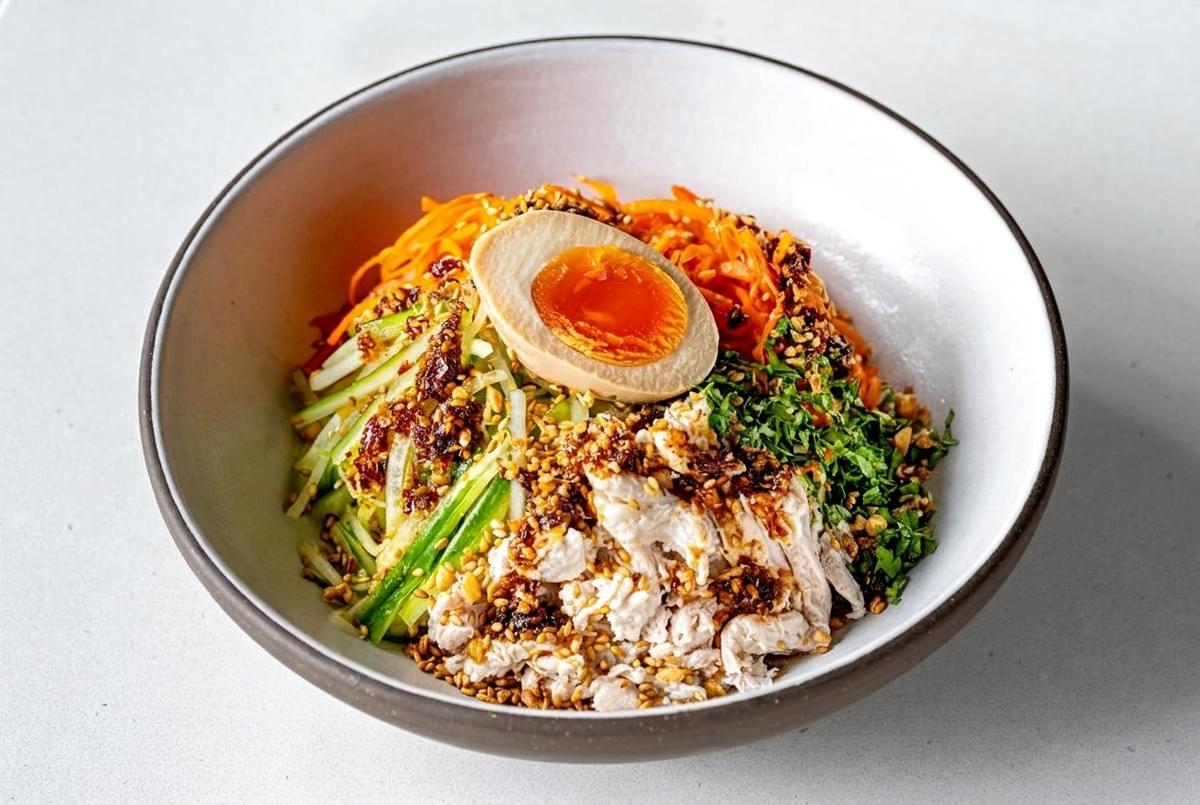
Add some protein. Fold in 2 cups shredded cooked chicken, or cubes of pressed firm tofu. A soft-boiled egg, halved, on top works too.
Turn up the heat. Double the chili oil, add a pinch of ground Sichuan peppercorn to the sauce, or slice a fresh red chili over the top.
Go gluten-free. Swap the wheat noodles for rice noodles or 100% buckwheat soba, and use tamari instead of soy sauce. Most black vinegars contain wheat, so use the rice vinegar substitute or check the label.
Make-Ahead and Storage
You can whisk the sauce up to 3 days ahead. Store it covered in the fridge. It will thicken, so stir in a little warm water before using.
Leftover dressed noodles keep in an airtight container in the fridge for up to 2 days. The cucumbers soften over time, so for the crispest results, store them separately from the noodles.
To revive leftovers, let them sit at room temperature for about 10 minutes. Toss with a tablespoon of warm water and a few drops of black vinegar or soy sauce to loosen the sauce. Then finish with fresh scallions and sesame seeds.
FAQ
Can I use tahini instead of Chinese sesame paste?
Yes. Chinese sesame paste is made from toasted seeds, so it tastes deeper and nuttier. Tahini is usually made from raw or lightly toasted seeds. Add an extra teaspoon of toasted sesame oil to close the gap.
Do I have to smash the cucumbers?
You don't have to, but it helps. Smashing creates rough edges that grab the sauce. If you prefer, slice the cucumbers into thin matchsticks instead. They'll look neater and taste a little less saucy.
Is this dish served cold or at room temperature?
Either works. Room temperature lets the sesame and garlic come through more clearly. Chilled noodles feel crisper and cooler on a hot day. Just avoid serving them straight from a very cold fridge, which dulls the flavor.
Your Turn at the Bowl
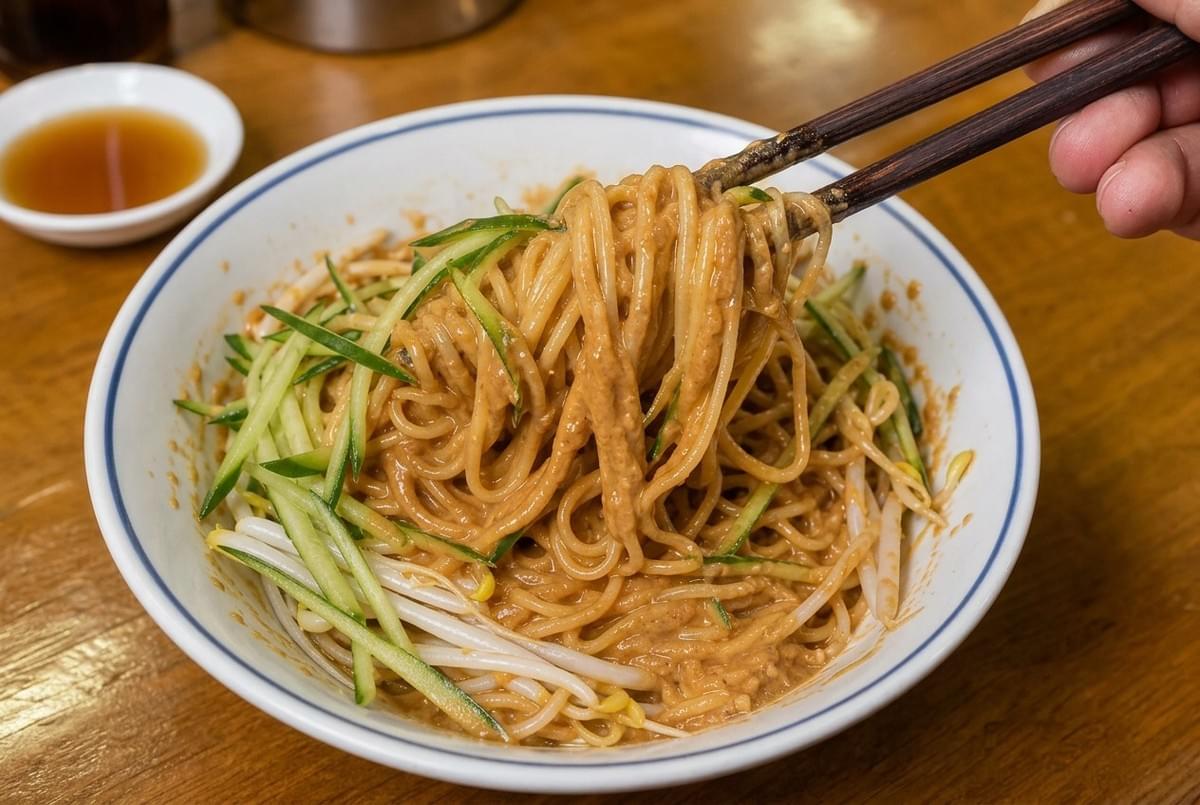
A crack of the knife. A whisk through sesame paste. Cool noodles under cold water, then a quiet slurp at the table.
That's all Taiwanese sesame cucumber noodles ask of you this week. Make a bowl, find your heat level, and tell us how it went in the comments: tahini or sesame paste, a drop of chili oil or a puddle.
