


Most of life in Singapore trains people to expect immediacy.
A table can be booked in seconds. A drink can be picked up on the way somewhere else. Even the places marketed as luxurious are often designed to be consumed quickly, photographed quickly, and folded back into the day with very little friction. Convenience has become so normal that it is easy to assume ease is always a good thing.
At Our Food Rhythms, there is often a return to this same quiet question: what happens to an experience when too much of it is shaped by urgency? Food and drink may still be beautiful, but beauty can thin out when it is constantly being rushed toward the next thing.
So when a place asks for a reservation before anything else, the first reaction is not always warmth. Sometimes it is resistance. Why so formal? Why not just let people drop by? Why make tea feel difficult?
And yet, every now and then, a place makes that question feel too simple.
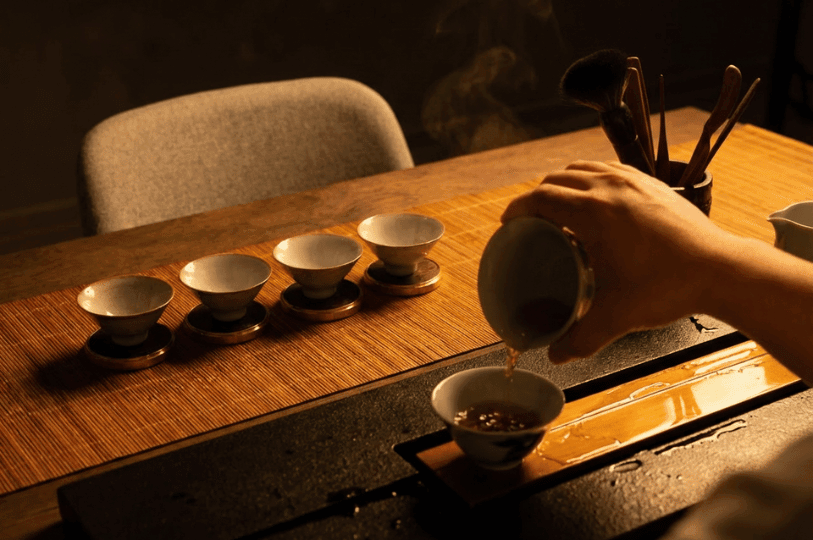
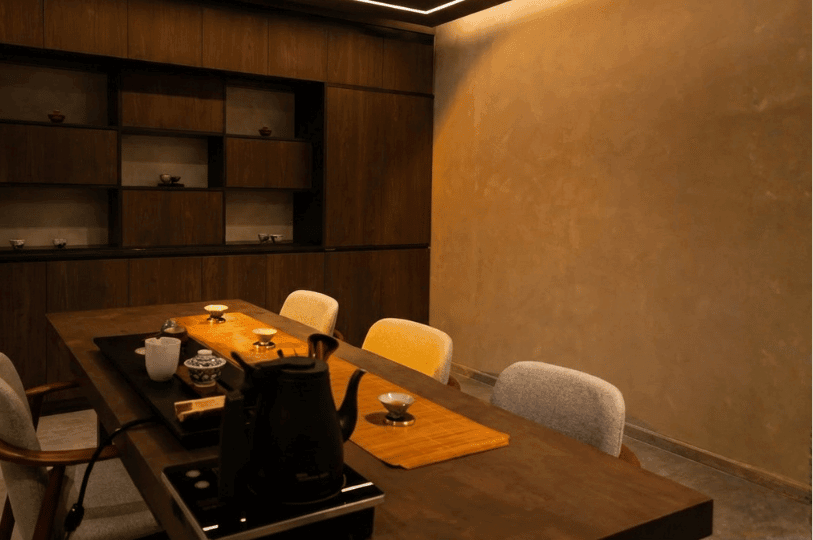
Tea Room by Ki-setsu is one of those places. It is not a walk-in teashop, not a casual stop for something warm between errands, and not the kind of place that seems interested in catching people on impulse. It is a private Chinese tea sanctuary, shaped around advance booking, quiet pacing, and one-to-one attention between guest and tea master.
Not Everything Good Should Be Instantly Available

There is a particular kind of modern tiredness that comes from how available everything has become.
Meals arrive quickly. Messages arrive quickly. Entertainment arrives quickly. Even rest is now sold through the language of speed: quick getaway, easy ritual, instant calm. The promise is always that something meaningful can be slotted neatly into a crowded life without asking much in return.
But some experiences do ask something in return. Not much, perhaps. Just intention.
That is what makes Tea Room by Ki-setsu interesting. Its reservation-only structure does not simply control access. It changes the mood before the tea even begins. To book something in advance is to admit that it matters enough to make room for. It asks the guest to show up differently. Not accidentally. Not while distracted. Not because there happened to be an empty table.
There is something deeply relatable about that, especially now. Many people are not actually craving more access. They are craving experiences that feel protected from the usual rush.
A Closed Door Can Feel More Welcoming Than An Open One
That may sound backwards, but it is not.
Some spaces are open in every practical sense, and still feel emotionally unavailable. They are crowded, noisy, rushed, and always partly distracted by the next customer, the next table, the next task. You are allowed in, but not fully received.
A private tea room works differently. The reservation is not there to create a performance of exclusivity. It is there to protect the shape of the experience. Tea Room by Ki-setsu seems to understand that tea, especially when approached seriously, cannot be separated from conditions. The room matters. The pacing matters. The absence of interruption matters.
Privacy, in that sense, is not about status. It is about attention.
That feels especially true when the tea session can stretch up to two hours and is never meant to feel hurried. In most places, time is managed like a problem. Here, time appears to be part of the hospitality itself.
The Waiting Is Part Of The Experience

There are some things that become flatter the moment they are too easy to get.
When something is always available, it can begin to feel interchangeable. A reservation interrupts that pattern. It creates a pause between wanting and receiving, and that pause gives the experience a different emotional texture.
Anticipation is not an inconvenience in every context. Sometimes it is the thing that sharpens appreciation.
For tea, that feels especially right. Tea is already an art of waiting. Leaves unfurl slowly. Flavour shifts by infusion. Aroma changes with heat, with water, with time. Nothing about serious tea is immediate, so perhaps it makes sense that the experience surrounding it should not be immediate either.
The appeal of Tea Room by Ki-setsu seems to rest partly in that alignment. The structure of the booking reflects the structure of the tea itself. Slow before it begins. Slow while it unfolds. Slow enough for a person to notice what they would normally miss.
This Is Not Tea As Background Noise
There are many ways to drink tea. Some are casual, everyday, comforting, and entirely lovely. But this feels like something else.
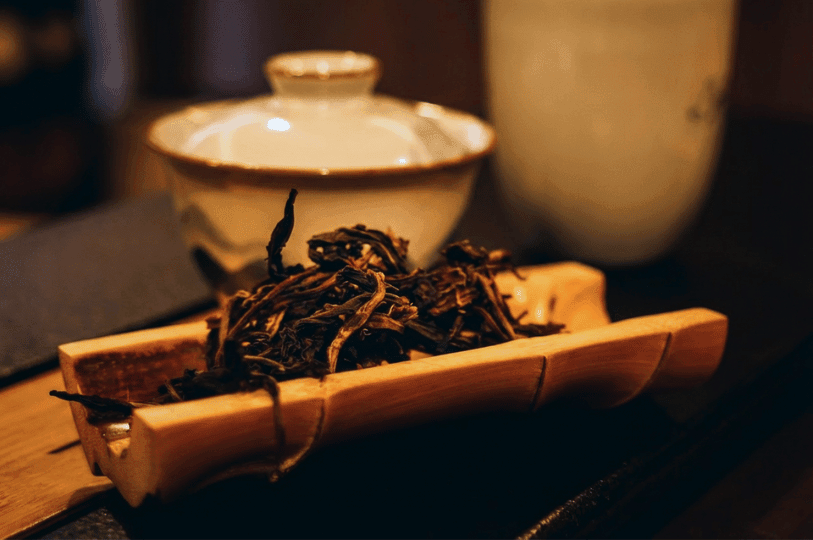
Tea Room by Ki-setsu is built around premium pu-erh, including Huazhu Liang Zhi, Lao Ban Zhang, Gu Shu Hong Cha, Bing Dao, Yi Bang, and Wan Gong. These are not names that suggest broad convenience or a menu designed for quick familiarity. They suggest specificity. A point of view. A tea programme shaped by patience rather than trend.
That sensibility seems to extend to sourcing as well. The founder sources directly from Bulang Mountain and Yiwu in China, with no middleman. That detail matters because it roots the room’s sense of rarity in something more substantial than image. The scarcity does not begin at the booking stage. It begins earlier, in geography, access, trust, and what can actually be brought into the room with integrity intact.
So much hospitality language today uses words like curated and bespoke until they become almost weightless. Here, those ideas feel easier to believe because the experience does not seem built for scale. It seems built for care.
One Tea Master, One Guest, One Unrushed Conversation
Perhaps that is the most relatable part of all.
Beneath the language of tea ceremony and luxury, what many people are really longing for is simpler: to not be rushed through something beautiful. To not feel like an appointment is being squeezed between other appointments. To sit in a room where the experience is not split apart by competing demands.
A private session with only the guest and the tea master offers exactly that kind of focus. It turns tea into something more than a beverage. It becomes conversation, observation, and presence. Not dramatic presence. Not the kind that announces itself. Just the quieter kind, where a person realises, halfway through, that they have stopped thinking in the usual frantic way.
That is a rare feeling. Rarer, perhaps, than the tea itself.
Why This Kind Of Exclusivity Feels Different
Exclusivity is often framed as social. Who gets in. Who knows about it. Who can claim access. But the more compelling kind of exclusivity is not social at all. It is experiential.
Tea Room by Ki-setsu does not feel exclusive because it is trying to produce distance between itself and the public. It feels exclusive because the experience appears difficult to preserve under ordinary conditions. Too many sessions, and the attention thins out. Too much foot traffic, and the quiet breaks. Too much accessibility, and the ritual risks becoming another lifestyle product that is consumed quickly and forgotten just as quickly.
There is something refreshing about a place that seems willing to protect its own pace.
Not every reader will want that. Some people want spontaneity, movement, and a tea break that fits neatly into a shopping afternoon. There is nothing wrong with that. But for those who are beginning to feel worn down by how instantly and noisily everything now arrives, this kind of room may speak to a deeper need.
That same tension appears in other food experiences too. Even in lively settings, there is often a difference between eating or drinking quickly and truly settling into a ritual, much like the slower pleasures explored in this piece on Japanese izakaya culture, where pacing and shared experience matter as much as what is on the table.
Not for more luxury in the flashy sense. For more permission to slow down.
A Different Kind Of Access
Maybe that is the real story here.
The room is not inaccessible in the usual sense. It is accessible through intention. Through planning. Through making space in advance for an experience that is meant to unfold properly. That is a different kind of invitation from the ones most places offer, and perhaps a more generous one than it first appears.
Because what Tea Room by Ki-setsu seems to protect is not just privacy. It is not just rarity. It is not even just tea.
It is the possibility that when something is approached with enough care, it can still feel whole by the time it reaches you.
