

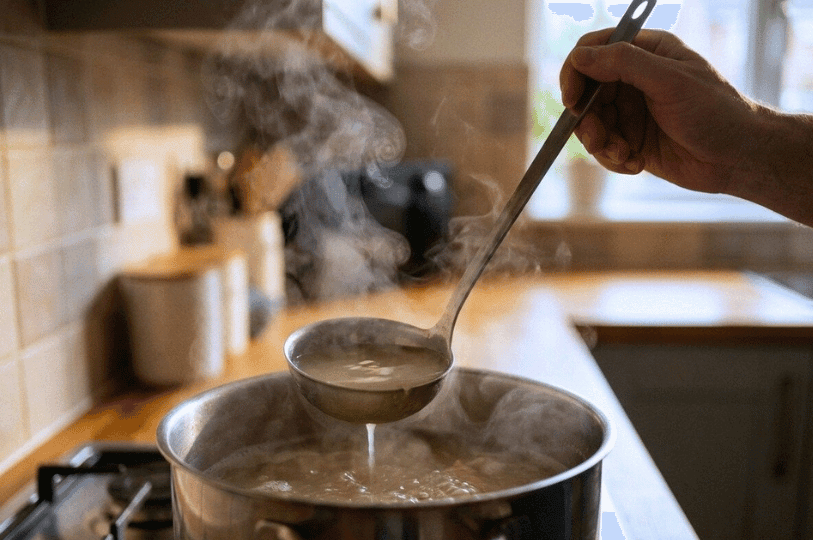
Have you ever finished cooking a beautiful pot of pasta, placed a colander in the sink, and poured all that cloudy, boiling water straight down the drain? If you have, you are certainly not alone. For decades, home cooks have been taught that pasta water is merely a byproduct of boiling noodles, waste to be discarded as quickly as possible. However, professional chefs and Italian nonnas know the truth. That cloudy water is actually "liquid gold." It is the secret ingredient that stands between a good bowl of pasta and a restaurant-quality dish.
Welcome to Kitchen Skills 101. Today, we are going to change the way you look at boiling water. We will explore why that starchy liquid is so valuable, the science behind how it transforms sauces, and practical ways you can use it to elevate your everyday cooking. By the end of this guide, you will never look at a drain the same way again.
What Makes Pasta Water So Special?
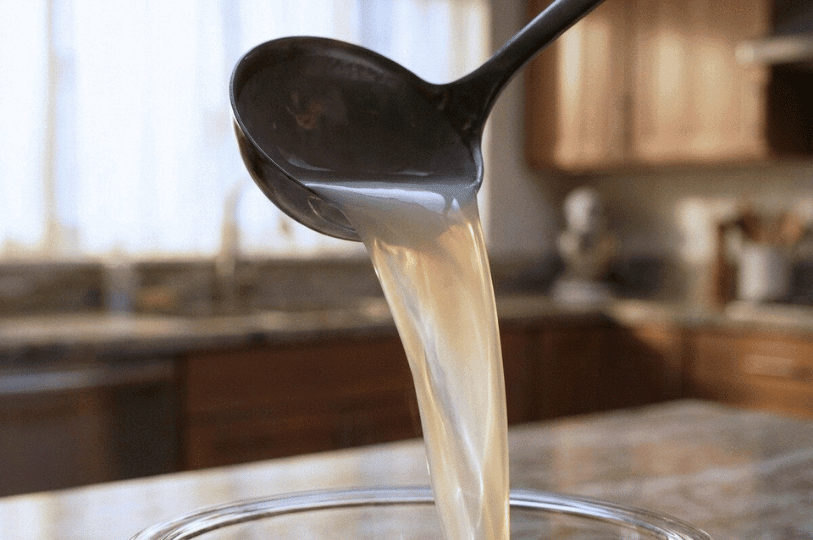
To understand why pasta water is such a powerful tool in the kitchen, we first need to look at what happens inside the pot while your noodles are cooking. It is not just hot water anymore; it has become a complex solution with three key properties.
The Power of Starch
As dried pasta cooks, it rehydrates and expands. During this process, it releases starch granules into the boiling water. This is why the water turns cloudy and slightly white as the pasta cooks. That cloudiness is pure starch. Starch is a natural thickener and binder. Just as you might use cornstarch to thicken a gravy or flour to thicken a stew, the starch in pasta water acts as a thickening agent for your pasta sauce.
The concentration of starch matters. If you cook a small amount of pasta in a massive stockpot filled to the brim, the starch will be diluted. If you cook pasta in a smaller amount of water, the resulting liquid will be starchier, more viscous, and much more effective as an ingredient.
The Importance of Salt
We often hear that pasta water should taste "like the sea." While that might be a slight exaggeration, proper salinity is crucial. Pasta is a bland ingredient on its own. It needs to absorb salt as it cooks to be flavorful from the inside out. When you use this salted water in your sauce, you are not just adding liquid; you are adding seasoned liquid. This helps to integrate the flavors of the dish more harmoniously than adding plain tap water would.
Temperature Control
The third key element is heat. Pasta water is boiling hot. When you add cold water or even room temperature stock to a hot pan of sauce, it can shock the ingredients and lower the cooking temperature, potentially breaking the emulsion or stopping the cooking process. Adding hot pasta water keeps everything moving and cooking at the correct temperature, allowing flavors to meld quickly without losing heat.
The Magic of Emulsification
The most significant benefit of using pasta water is its ability to create an emulsion. In the world of cooking, an emulsion is the successful mixture of two liquids that typically do not want to mix, such as oil and water.
Think about a simple spaghetti aglio e olio (garlic and oil). If you just toss boiled pasta in olive oil, the oil will coat the noodles, but it will eventually pool at the bottom of the bowl. The pasta will feel greasy rather than sauced. This is where pasta water works its magic.
When you add starchy pasta water to the fat (olive oil, butter, or rendered pork fat) in your pan and agitate it vigorously by stirring or tossing, a chemical reaction occurs. The starch molecules get in between the oil droplets and the water molecules. They act as a bridge, preventing the oil from separating.
The result is a creamy, cohesive sauce that clings to every strand of pasta. It creates that luxurious, silky texture that you often find in restaurant dishes but struggle to replicate at home. Even in tomato-based sauces, pasta water helps bind the tomato solids and the olive oil together, ensuring the sauce coats the pasta rather than sliding right off.
Practical Tips for Using Pasta Water
Now that we understand the "why," let us look at the "how." Incorporating pasta water into your routine is simple, but it does require a slight shift in habit.
1. Don't Drain It All
The most critical step is remembering not to dump all the water. Before you take the pot to the sink, take a mug or a heat-proof measuring cup and scoop out about one or two cups of the water. Alternatively, you can use a spider strainer or tongs to lift the pasta directly out of the water and into your sauce pan. This leaves all the water behind in the pot, available if you need it.
2. Time Your Cooking
For the best results, transfer your pasta to the sauce when it is just shy of al dente. It should still have a bit of a raw bite in the center. You will finish cooking the pasta directly in the sauce. This technique allows the pasta to absorb the flavor of the sauce while releasing even more surface starch directly into the pan, further aiding the thickening process.
3. The "Mantecatura"
In Italian cooking, the phase where you toss the pasta with the sauce and fat is called mantecatura. This is an active process. Add a splash of pasta water to your sauce, add the pasta, and then stir vigorously or toss the pan. The agitation is what forces the starch, fat, and liquid to combine into a creamy emulsion. Keep adding pasta water a splash at a time until you reach your desired consistency. The sauce should be glossy and fluid, not dry or sticky.
4. Use Less Water to Boil
To get the most potent "liquid gold," try using less water than the box instructions suggest. You do not need a gallon of water for a pound of pasta. Using just enough water to cover the pasta by an inch or two will result in a higher concentration of starch, making your binding agent even more powerful. Just be sure to stir frequently during the first few minutes of boiling to prevent sticking.
Dishes That Shine with Pasta Water
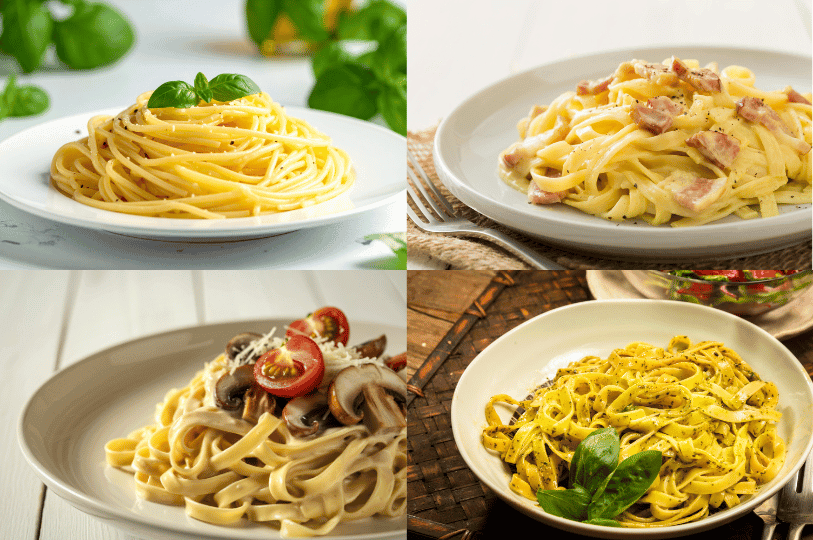
While almost every pasta dish benefits from a splash of starchy water, some recipes rely on it entirely.
Cacio e Pepe
This Roman classic consists of three main ingredients: cheese (Pecorino Romano), black pepper, and pasta. There is no cream in authentic Cacio e Pepe. The creamy sauce is created solely by melting finely grated cheese into hot, starchy pasta water. Without the starch to stabilize the cheese proteins, the cheese would simply clump up and separate into a stringy, oily mess.
Carbonara
Similar to Cacio e Pepe, Carbonara relies on eggs and cheese for its sauce. The heat of the pasta water cooks the eggs gently to create a custard-like consistency. A splash of pasta water is essential to temper the eggs so they don't scramble and to create the fluidity needed to coat the spaghetti.
Fettuccine Alfredo
While American versions often use heavy cream, the original Italian Fettuccine Alfredo uses only butter and Parmesan cheese. The emulsification of butter and cheese with hot pasta water creates the rich, white coating that defines the dish.
Pesto Genovese
Pesto is an oil-based sauce made with basil, pine nuts, garlic, cheese, and olive oil. If you mix it with dry pasta, it can be heavy and oily. Adding a few tablespoons of pasta water loosens the pesto, turning it into a creamy, light green sauce that coats the crevices of pasta shapes like fusilli or trofie perfectly.
Common Mistakes and How to Avoid Them
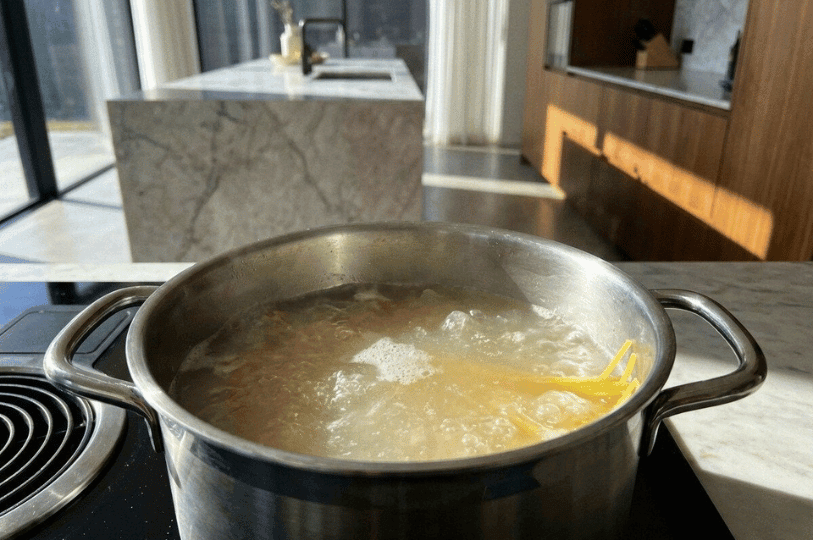
Even with the best intentions, things can go wrong. Here are a few common pitfalls to watch out for as you learn to master this technique.
Mistake 1: Oversalting the Water
Because you will be reducing the pasta water into your sauce, the salt concentration will increase as the water evaporates. If your pasta water is aggressively salty, your final dish might be inedible.
Solution: Salt your water, but be mindful. If you are making a dish with naturally salty ingredients like bacon, anchovies, or Pecorino cheese, use slightly less salt in your boiling water. Taste your pasta water; it should taste pleasantly seasoned, not harsh.
Mistake 2: Rinsing Your Pasta
This is perhaps the biggest crime in pasta cookery. Rinsing cooked pasta under the faucet washes away the starch layer on the outside of the noodle. This starch is exactly what helps the sauce cling.
Solution: Never rinse your pasta unless you are making a cold pasta salad. For hot dishes, transfer the pasta directly from the water to the sauce.
Mistake 3: Adding Too Much Water at Once
If you dump a whole cup of water into your sauce at once, you will end up with soup. It takes time to boil it down, which might overcook your pasta.
Solution: Add the water in small increments, about a quarter cup at a time. Toss and stir. Let the sauce tighten up before deciding if you need more liquid. You can always add more, but you cannot take it out.
Mistake 4: Using Oil in the Boiling Water
Some cooks add oil to the pot to prevent sticking. While this works, it also coats the pasta in a slick layer of oil that prevents the sauce from adhering later.
Solution: Skip the oil in the pot. Prevent sticking by stirring the pasta immediately after dropping it into the boiling water and maintaining a rolling boil.
Beginner-Friendly Guidance
If this feels like a lot of science to digest, do not worry. You can start small. You do not need to master a complex emulsion on your first try.
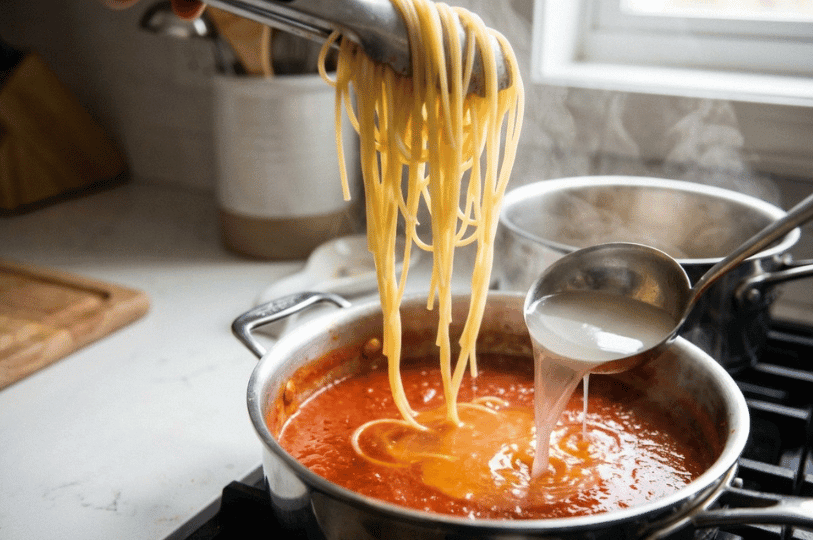
Start with a simple jar of marinara sauce. The next time you heat up a jar of sauce, cook your spaghetti in a separate pot. When the pasta is almost done, use a ladle to move the noodles directly into the saucepan with the marinara. Do not shake them dry; let that little bit of water dripping from the pasta go into the sauce.
Then, add just one small ladle of the water from the pot. Turn the heat up under the sauce and stir the pasta and sauce together for one minute. Notice how the red sauce becomes glossy and orange-tinted? Notice how it sticks to the noodles instead of sliding off? That is the starch working.
Once you see the difference it makes in a simple marinara, you will feel confident enough to try it with oil-based sauces or creamy cheese sauces. It is a forgiving technique that improves with practice.
Conclusion
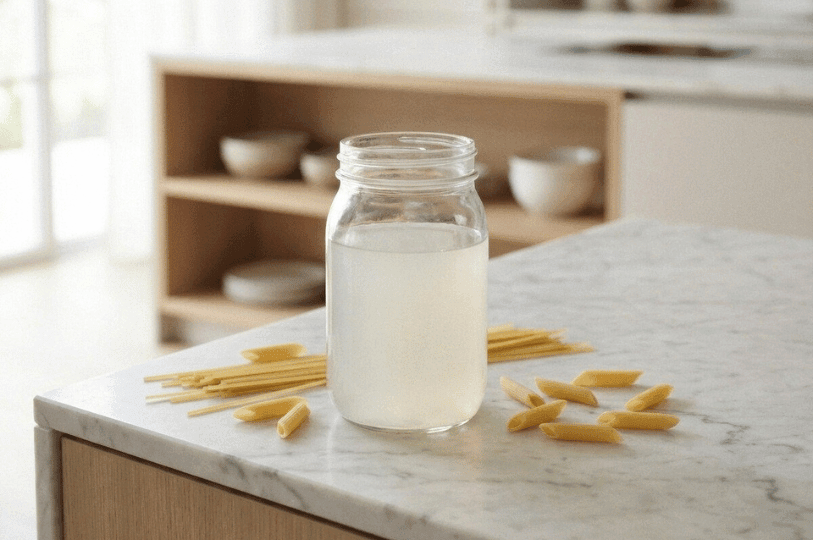
Cooking is often about understanding the hidden potential in the simplest ingredients. Pasta water is the perfect example of this. It is a resource that we have literally been pouring down the drain, yet it holds the key to texture, flavor, and consistency.
By saving that starchy liquid, you are unlocking a new level of control over your food. You are moving away from following a recipe blindly and moving toward cooking by feel and intuition. The next time you boil a pot of linguine or penne, pause before you reach the sink. Grab a mug, scoop out that liquid gold, and watch as your dinner transforms from a simple home-cooked meal into something truly spectacular. Enjoy the rhythm of the kitchen, and happy cooking.
