

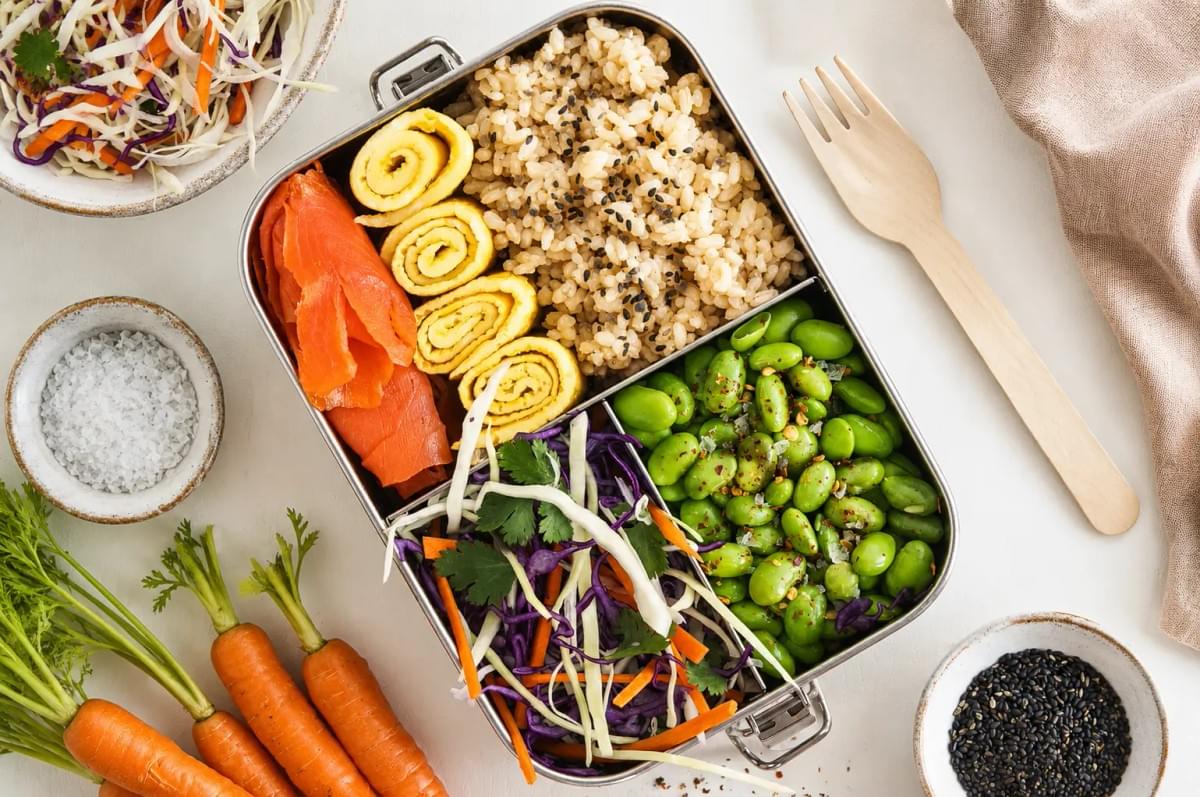
Long before meal prep became a Sunday ritual with matching glass containers, there was the bento. A single box, packed with care, carried to school or work, opened at midday like a small quiet gift.
It is easy to see the appeal now. In a world of batch cooking and portioned tubs, bento already had the answer figured out. A compact meal, balanced and complete, designed to travel well and taste good hours after it was made.
What strikes me most is how modern it feels. Not because it follows a trend, but because it never needed to. The principles behind bento are the same ones any thoughtful meal prepper is reaching for: structure, variety, balance, and very little waste.
Let me walk you through why it works, and how you can bring it into your own kitchen.
What Bento Is (and What It Is Not)
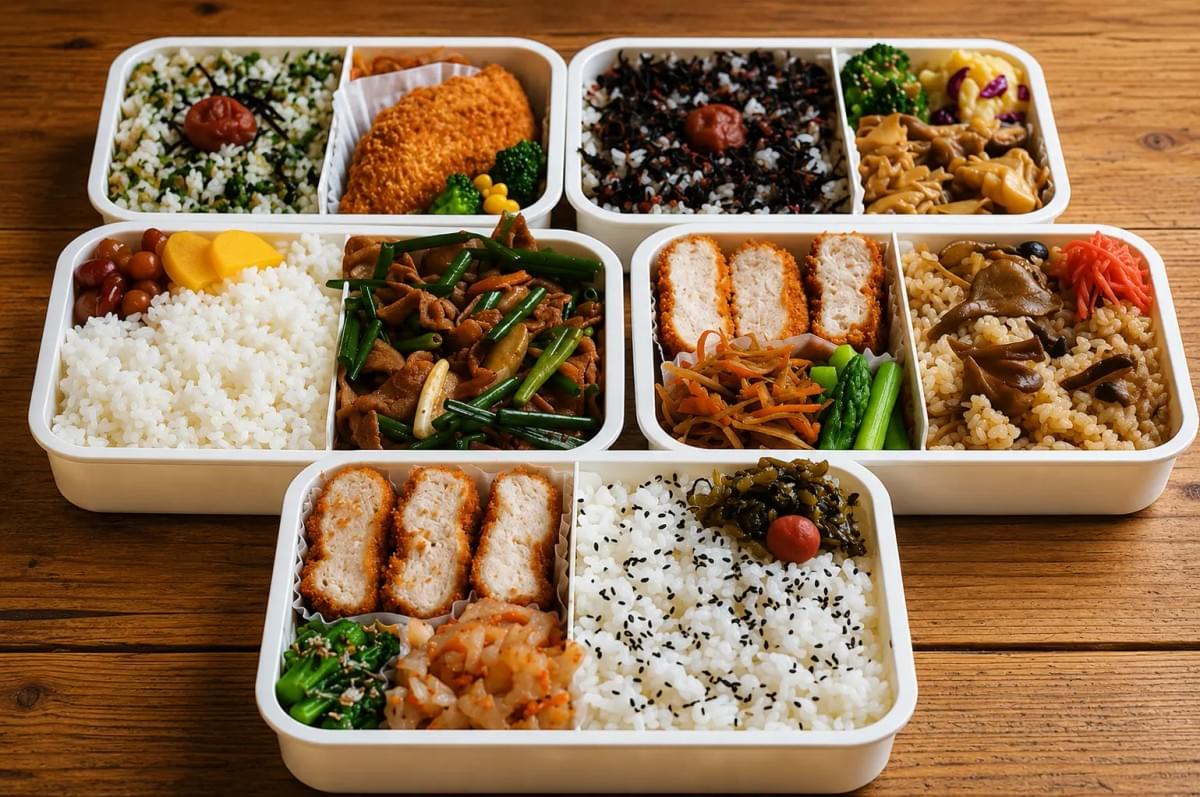
At its simplest, a bento is a single-portion meal packed in a box. In Japan, it can be a homemade lunch (often lovingly assembled in the morning), a beautifully arranged station bento bought for a train journey, or a convenience-store version grabbed on a busy day.
The word covers a wide range. A child's bento might feature rice shaped into a familiar character. A worker's bento could be a tidy grid of rice, grilled fish, and vegetables. A convenience-store bento is a practical, affordable meal designed for speed.
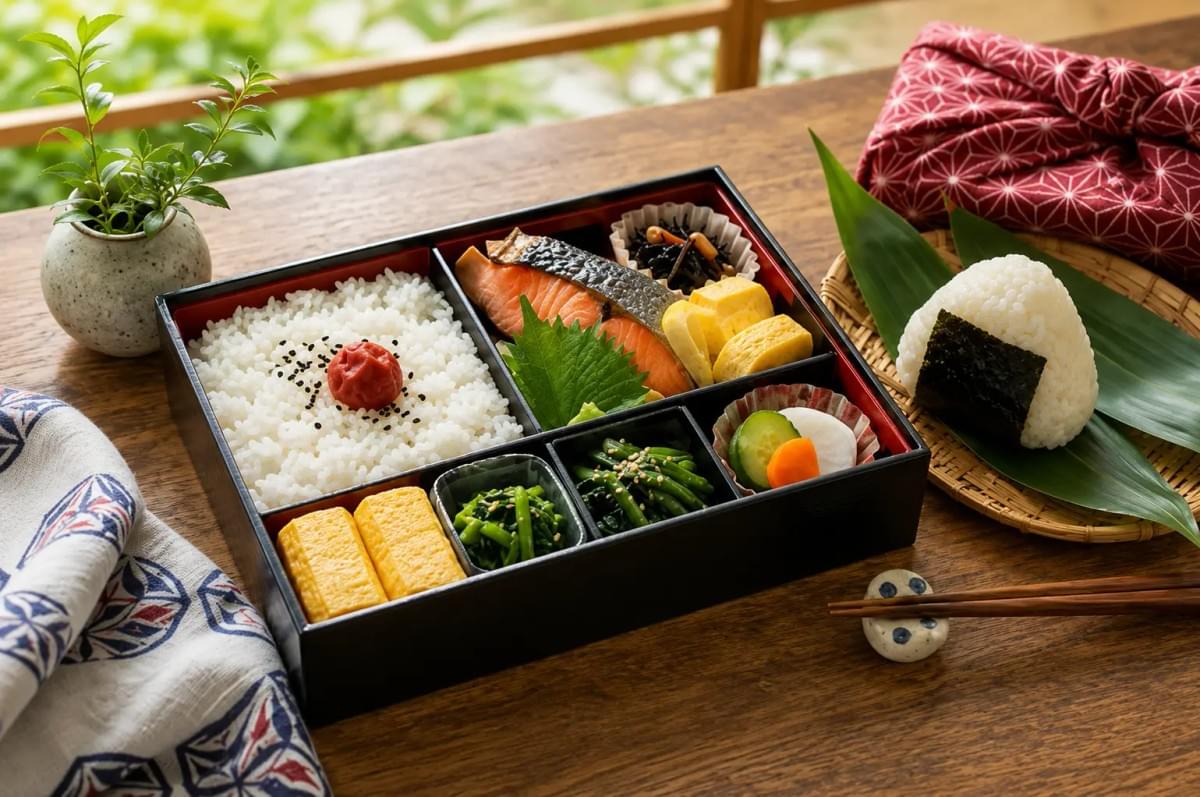
Here is what bento is not. It is not a rigid formula that demands cute shapes or hours of fussing. Those elaborate, decorative boxes you may have seen online represent one expression of bento culture, usually reserved for special occasions. Everyday home bento is far more relaxed. It is leftovers arranged with intention, a little rice, a pickle, something green.
At its heart, bento is a way of thinking about a meal. Complete, balanced, portable, and made with a small measure of care.
The Bento Architecture That Makes Meal Prep Easier
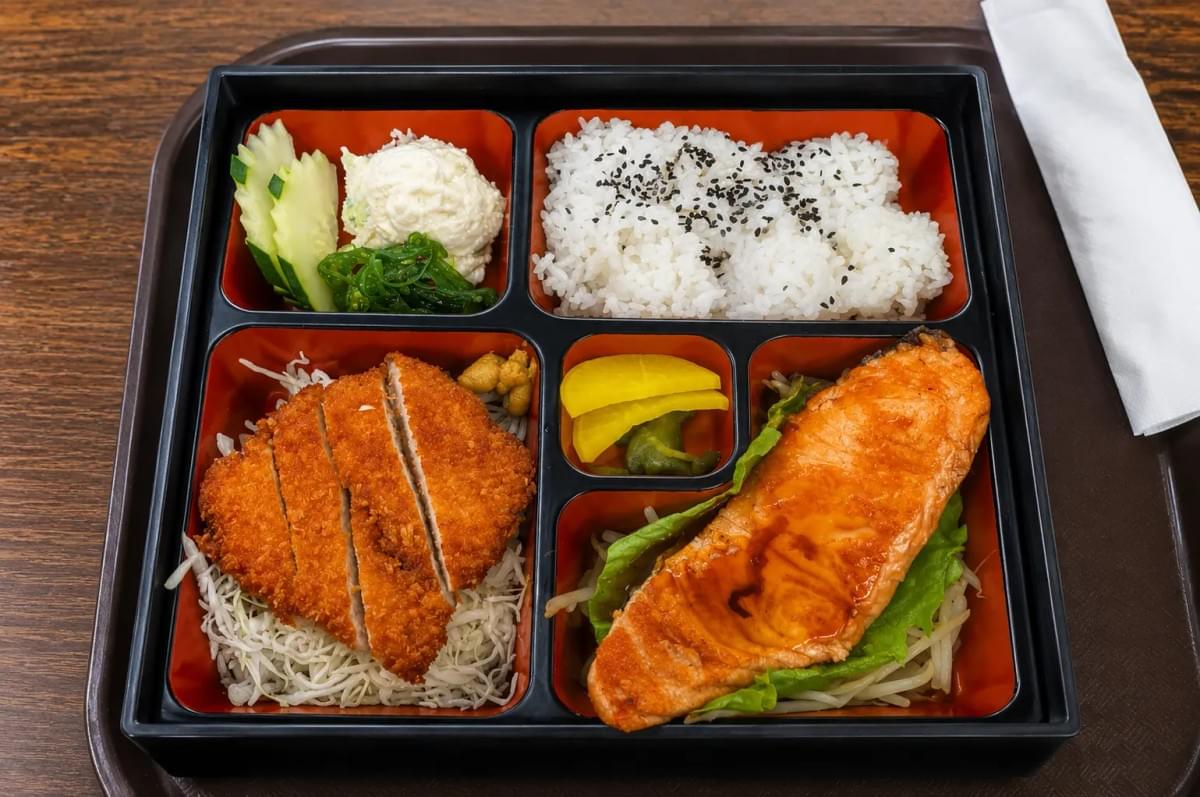
Much of what makes bento so effective comes down to the box itself. A traditional bento box has compartments, or the meal is packed tightly enough that each element keeps to its own space.
This built-in structure does a lot of quiet work.
It portions automatically. The size of the box decides the size of the meal. There is no guessing, no oversized serving that leaves you sluggish. A common guideline in Japan suggests filling roughly half the box with rice or another carbohydrate, a third with protein, and the rest with vegetables. That ratio alone builds a balanced plate without a single calculation.
It keeps flavors distinct. Separating components means your pickled vegetables do not bleed into your rice, and your grilled fish stays away from anything wet. Each bite tastes like itself.
It encourages variety in small amounts. Instead of one large serving of a single dish, a bento invites several smaller ones. A few pieces of protein, a spoonful of simmered vegetables, a bright pickle. Variety without excess.
That last point matters. Meal prep can turn dreary when you eat the same large portion of one thing four days running. Bento sidesteps that fatigue by design.
Balance and Variety: Why Bento Feels Satisfying
A good bento satisfies on more than one level. There is the fullness, of course, but also a sense of completeness that comes from contrast.
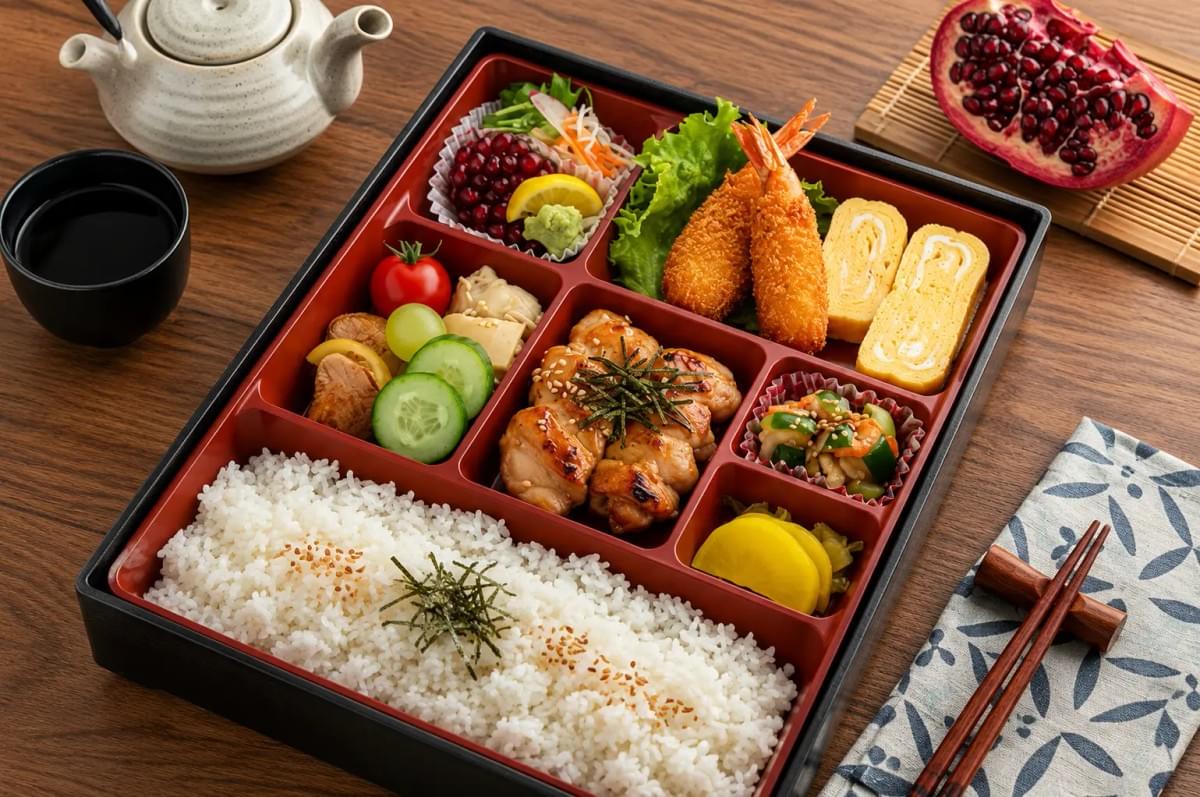
Think about the range in a single box. Warm rice and a cool pickle. Something savory and something faintly sweet. A tender piece of tamagoyaki (rolled omelette) beside crisp vegetables. Soft and crunchy, rich and clean, all in one meal.
Japanese home cooking often reaches for five elements: protein, vegetables, a carbohydrate, something pickled or fermented, and occasionally a little fruit. You do not need to hit every category every time. But keeping them in mind naturally leads to meals that feel nourishing rather than one-note.
This is also where seasonality quietly enters. Traditionally, bento reflects what is fresh, a spring vegetable, a summer fruit, an autumn mushroom. You do not have to be strict about it. Simply cooking with what looks good at the market keeps your bentos changing through the year.
Time-Saving Strategies Borrowed From Bento
The real genius of bento for meal prep is how it treats cooking as a system rather than a series of separate efforts.
Cook once, portion many. Make a batch of rice, a tray of roasted vegetables, and one protein, then distribute them across several boxes. The box handles the portioning for you.
Repurpose last night's dinner. Much of home bento is simply dinner, reimagined. Extra grilled chicken becomes tomorrow's protein. Leftover simmered vegetables slide neatly into a corner of the box.
Keep a few components on rotation. Tamagoyaki, a simple pickle, and steamed rice can anchor countless bentos. Rotate the protein and vegetables around these steady staples, and planning becomes almost effortless.
Prep building blocks, not finished meals. Instead of assembling five identical lunches on Sunday, prepare a handful of components. Then each morning, or the night before, you compose a box in a few minutes. This keeps meals feeling fresh rather than repetitive.
Bento-Friendly Staples for Any Kitchen
You do not need a specialty store to cook bento-style. A well-stocked pantry and a little flexibility go a long way.
Useful staples to keep on hand:
- A cooked grain. Short-grain rice is traditional, but brown rice, quinoa, or couscous all work.
- Eggs, for tamagoyaki or a simple boiled egg.
- A protein you enjoy. Chicken, fish, tofu, or edamame.
- Quick-cooking vegetables like carrots, green beans, broccoli, or spinach.
- Something pickled. Japanese tsukemono if you can find it, or a quick pickle of cucumber and vinegar.
- Pantry seasonings such as soy sauce, mirin, sesame oil, and rice vinegar.
How to Build Your Own Bento Routine
Here is a simple way to start. I like to think of it as a formula rather than a recipe.
The Bento Formula: Half carbohydrate, one-quarter protein, one-quarter vegetables, plus one small extra (a pickle, a piece of fruit, or something pickled).
Step by step:
- Choose your carbohydrate. Rice is the classic base. Cook a batch to cover several days.
- Pick a protein. Grill, bake, or pan-fry something you can portion across boxes. Tofu and edamame are easy plant-based options.
- Add two vegetables. One cooked (roasted or simmered) and one fresh or pickled gives you contrast.
- Include a small extra. A few grapes, a slice of orange, or a spoonful of pickle rounds things out.
- Pack with separation in mind. Keep wet foods away from crisp ones. Use silicone cups or small dividers if your box has no compartments.
For a week of lunches, prepare three or four components on the weekend, then assemble each box the evening before. Rotate proteins and vegetables to keep things interesting, and you will rarely feel like you are eating the same meal twice.
A Few Sample Bento Sets
To make this concrete, here are three realistic combinations you can build at home.
The Classic Box
- Steamed short-grain rice with a sprinkle of sesame seeds
- Tamagoyaki (rolled omelette)
- Karaage (Japanese fried chicken), or baked chicken for a lighter version
- Blanched green beans
- A small portion of pickled cucumber
The Plant-Based Box
- Onigiri (rice balls), plain or with a savory filling
- Pan-seared tofu glazed with soy and a touch of sweetness
- Simmered carrots and mushrooms in a kinpira style
- Edamame
- A few slices of fruit
The Everyday Leftovers Box
- Rice or another grain from last night
- Yesterday's grilled fish or roast, sliced
- Roasted seasonal vegetables
- A quick pickle
- A small piece of fruit
None of these require special skill. They lean on components you can cook in batches and mix as you like.
Food Safety for Packed Lunches
Because bento is often eaten hours after it is made, a little care keeps it safe and pleasant to eat.
- Cool rice and hot foods before sealing the lid. Packing warm food traps steam, which encourages sogginess and, worse, bacteria. Let everything reach room temperature first.
- Refrigerate until you leave, and use an insulated bag with an ice pack if your lunch will sit for several hours.
- Keep wet and dry foods apart. Drain simmered dishes well, and use small cups to contain anything saucy so your rice stays fluffy and your crisp items stay crisp.
- Cook proteins thoroughly, and avoid ingredients that spoil quickly if you cannot keep the box chilled.
These small habits are exactly why bento has traveled so reliably for generations.
The Bigger Lesson
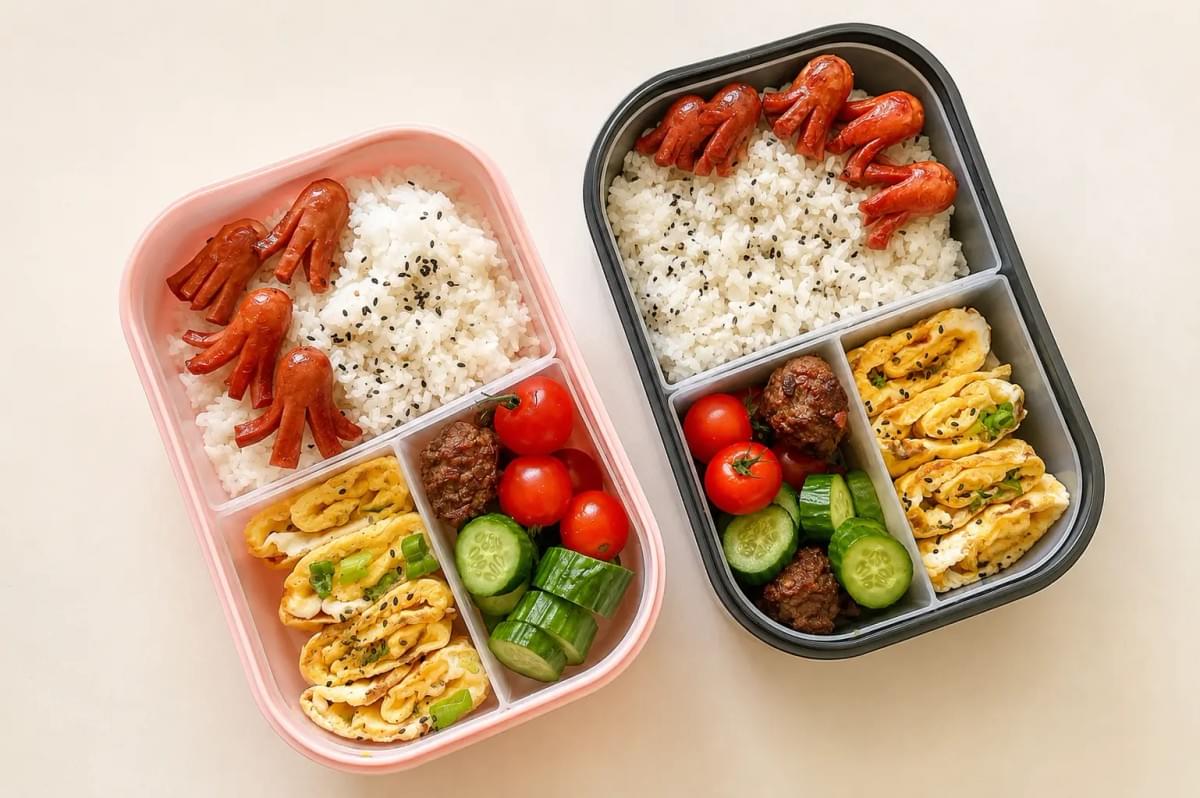
What I keep returning to, the more I cook this way, is that bento was never really about the box. It is about attention. About treating an ordinary lunch as something worth doing well.
That is the quiet wisdom behind it. Balance over abundance. Variety over monotony. A meal made with enough care that opening it, hours later, still feels like a small pleasure.
You do not need the right box or the right ingredients to begin. You only need the willingness to think of your midday meal as complete and considered, rather than an afterthought. Start with rice, a protein, a vegetable, and a pickle. Let the rest grow from there.
If this way of cooking speaks to you, come explore more at Our Food Rhythms. We share recipes, traditions, and ideas from tables around the world, and we would love for you to pull up a chair.
