

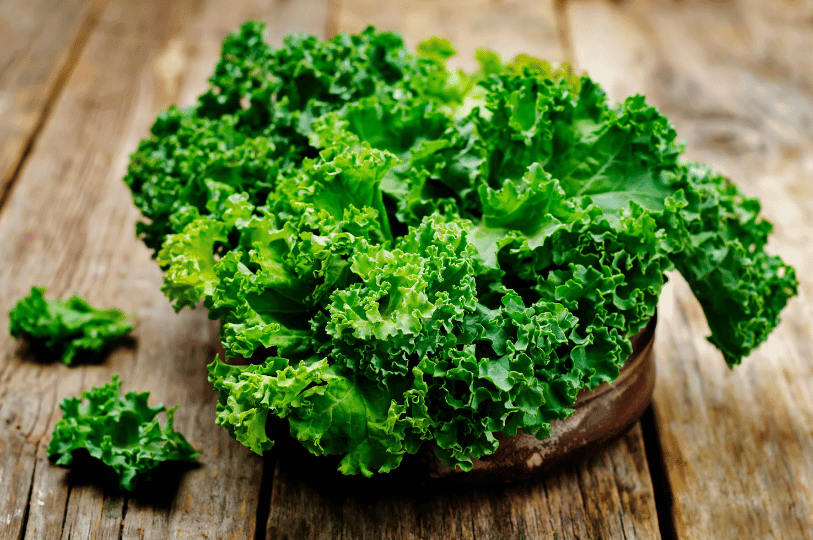
As the days shorten and a distinct chill settles in the air, many of our favorite garden greens retreat until spring. Yet, one remarkable vegetable stands tall against the cold, its ruffled leaves deepening in color and flavor with each passing frost. This is winter kale, a true champion of the cold-season garden and a nutritional powerhouse that brings vibrant life to our kitchens during the darkest months of the year.
While kale has enjoyed immense popularity for its health benefits, winter kale offers something special. It is not just a survivor; it is a thriver, a vegetable that transforms the harshness of winter into a surprising sweetness. For those who celebrate seasonal eating, it is a key ingredient that provides freshness and vitality when local produce is scarce. This guide will explore the unique qualities of winter kale, from its impressive nutritional profile to practical tips for making it a delicious staple on your winter table.
A Nutritional Powerhouse for Winter Wellness
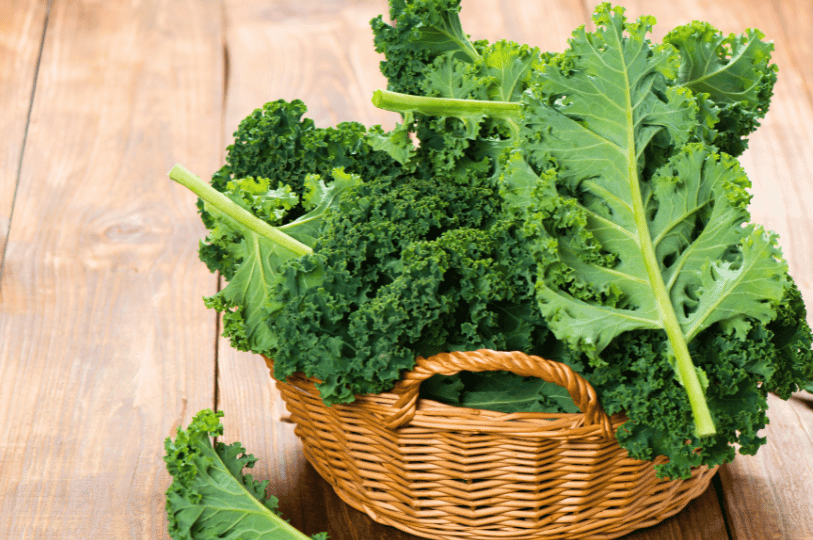
During winter, our bodies often crave nutrient-dense foods to stay healthy and resilient. Winter kale is an exceptional source of essential vitamins and minerals, making it a perfect addition to a seasonal diet.
Key Nutritional Benefits
- Rich in Vitamins: Kale is packed with Vitamin K, which is crucial for bone health and blood clotting. It is also an excellent source of Vitamin A, important for vision and immune function, and Vitamin C, a powerful antioxidant that supports the immune system. A serving of kale can provide a significant portion of your daily needs for these vital nutrients.
- Loaded with Antioxidants: Kale contains powerful antioxidants like beta-carotene, flavonoids, and polyphenols. These compounds help protect your cells from damage caused by free radicals, which can be particularly beneficial during the winter when our bodies are more susceptible to illness.
- Good Source of Minerals: This leafy green provides important minerals such as manganese, copper, calcium, and potassium. Calcium is essential for strong bones, while potassium helps regulate blood pressure.
Consuming kale during the winter is a simple and effective way to boost your nutrient intake, supporting overall health and well-being when fresh options can be limited.
The Magic of Frost: Why Winter Kale is Sweeter
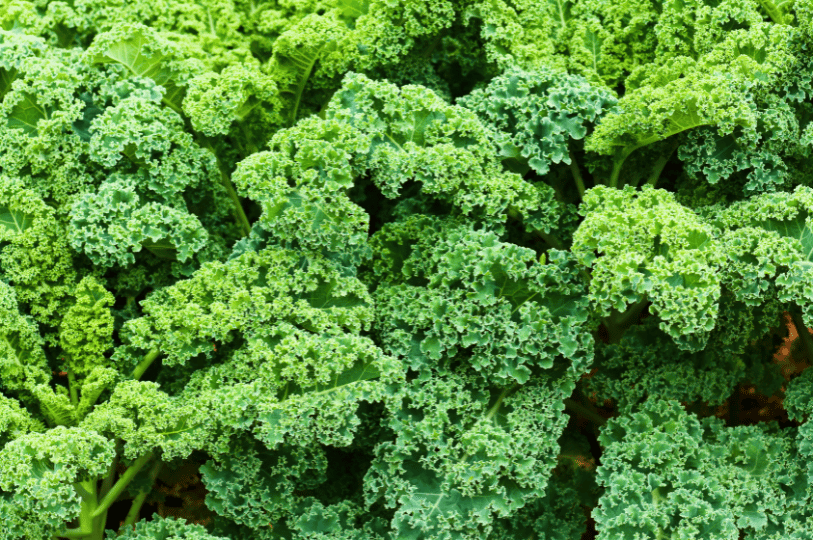
One of the most fascinating aspects of winter kale is its flavor transformation after a frost. Gardeners and chefs know that kale harvested after a cold snap is noticeably sweeter and less bitter than kale grown in warmer weather. This is not just a matter of opinion; it is a matter of plant science.
When temperatures drop near or below freezing, the kale plant activates a natural defense mechanism to protect its cells from ice crystal damage. It begins to convert the starches stored in its leaves into simple sugars. These sugars act as a natural antifreeze, lowering the freezing point within the plant’s cells and preventing them from bursting. For us, this biological process has a wonderful culinary side effect: the leaves become tender and develop a distinctly sweet flavor. This "frost-kissed" sweetness makes winter kale a more palatable and versatile ingredient, even for those who typically find kale too bitter.
Varieties of Winter Kale
While many types of kale can tolerate a light frost, certain varieties are particularly well-suited for winter cultivation and harvesting. These hardy types are bred to withstand colder temperatures, ensuring a reliable crop throughout the season.
- Lacinato Kale (Dinosaur or Tuscan Kale): Known for its dark blue-green, bumpy leaves, Lacinato kale is a popular choice for winter gardens. It has a deep, earthy flavor that becomes sweeter after a frost. Its sturdy leaves hold up well in soups and stews.
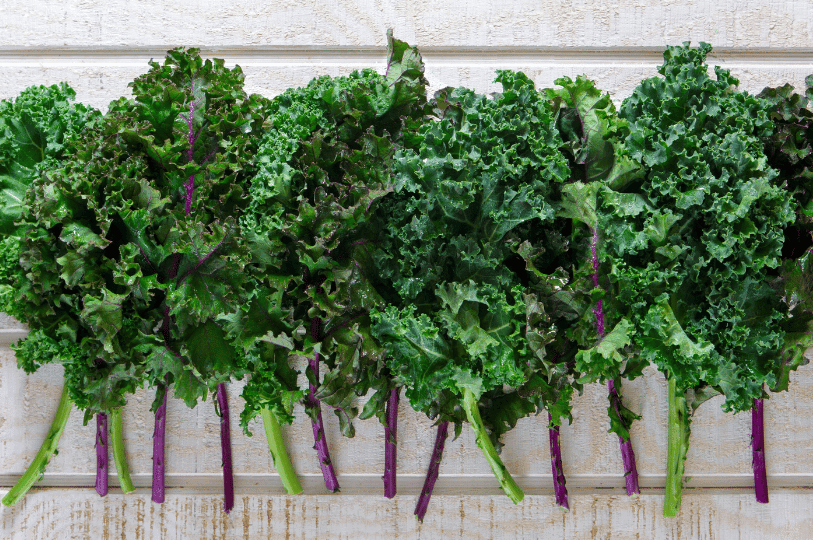
- Red Russian Kale: This variety features flat, oak-leaf-shaped leaves with beautiful purple stems. It is one of the most tender types of kale and has a mild, sweet flavor that is enhanced by the cold.
- Siberian Kale: As its name suggests, Siberian kale is extremely cold-hardy. It has large, frilly, blue-green leaves and a milder flavor compared to other curly kales. It is an excellent choice for northern climates with harsh winters.
- Winterbor Kale: This is a very curly, vigorous variety known for its exceptional cold tolerance. It produces a high yield of crinkly, dark green leaves that are both flavorful and tender.
A Practical Guide: Selecting, Storing, and Preparing Kale
Bringing winter kale into your kitchen is simple. With a few tips, you can ensure it stays fresh and is prepared in a way that highlights its best qualities.
How to Select and Store
When shopping for kale, look for bunches with firm, deeply colored leaves. Avoid any leaves that are wilted, yellowing, or have blemishes. The stems should be moist and strong. To store fresh kale, wrap the unwashed bunch in a paper towel to absorb excess moisture and place it in a plastic bag in the crisper drawer of your refrigerator. It should stay fresh for up to a week.
Simple Preparation
Properly preparing kale is the first step to a delicious dish.
- Wash Thoroughly: Rinse the leaves under cold running water to remove any dirt or grit.
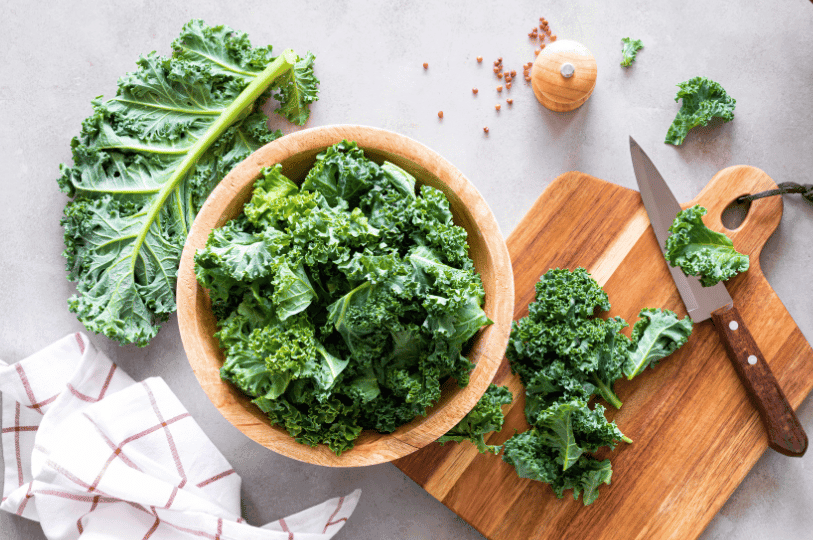
- De-stem the Leaves: The woody stems of kale can be tough and fibrous. To remove them, hold the base of the stem with one hand and firmly pull your other hand along the stem to strip off the leafy parts.
- Chop or Tear: Once the leaves are separated from the stems, you can chop them into ribbons or tear them into bite-sized pieces. Don't discard the stems; they can be finely chopped and sautéed or added to stocks for extra flavor.
Simple Recipe Ideas for Winter Kale
Winter kale's robust texture and sweet flavor make it incredibly versatile. Here are a few simple ways to enjoy it.
- Simple Sautéed Kale: Heat a tablespoon of olive oil in a large skillet over medium heat. Add two cloves of minced garlic and a pinch of red pepper flakes, cooking until fragrant. Add a large bunch of chopped kale and cook, stirring occasionally, until it wilts. Season with salt, pepper, and a squeeze of fresh lemon juice.
- Hearty Kale and White Bean Soup: In a large pot, sauté a chopped onion, two carrots, and two celery stalks until soft. Add four cloves of minced garlic and cook for another minute. Stir in a bunch of chopped kale, a can of drained white beans, six cups of vegetable broth, and a teaspoon of dried thyme. Simmer for 20-30 minutes, until the kale is tender.
- Roasted Kale Chips: Toss torn kale leaves with a small amount of olive oil and a pinch of salt. Spread them in a single layer on a baking sheet and bake at 350°F (175°C) for 10-15 minutes, until the edges are brown and the leaves are crisp.
- Creamy Kale Pasta: While your favorite pasta cooks, sauté chopped kale with garlic in olive oil. Once the kale is wilted, stir in a splash of heavy cream or coconut milk and some grated Parmesan cheese. Toss with the cooked pasta and serve immediately.
Sustainability and Meal Prep
Choosing winter kale is a great way to support local and sustainable food systems. Because it can be grown locally in many regions during the winter, it reduces the food miles associated with produce that is shipped long distances. Farmers' markets and community-supported agriculture (CSA) programs are excellent places to find fresh, locally grown winter kale.
For busy home cooks, kale is also a fantastic ingredient for meal prep.
- Wash and Chop Ahead: Wash, de-stem, and chop a large bunch of kale at the beginning of the week. Store it in a sealed container with a paper towel to keep it fresh. It will be ready to toss into soups, sautés, and smoothies.
- Freeze for Later: You can blanch chopped kale for two minutes, plunge it into ice water to stop the cooking, drain it well, and freeze it in portions. This is perfect for adding to dishes throughout the winter.
Embrace the Heartiness of Winter
Winter kale is more than just a vegetable; it is a symbol of resilience and a source of nourishment during the coldest time of year. Its ability to transform frost into sweetness is a beautiful example of nature's ingenuity. We encourage you to seek out this hardy green at your local market, experiment with it in your kitchen, and discover the simple, profound pleasure of eating in harmony with the seasons.
