


If there is one thing the Belgians know how to do exceptionally well, it is comfort food. They have mastered the art of creating dishes that feel like a warm hug on a cold, rainy day. And sitting right at the top of that cozy throne is Carbonnade Flamande.
Imagine a pot of tender beef slowly simmering away on your stove, filling your kitchen with the deep, malty aroma of dark beer, caramelized onions, and thyme. It is the kind of smell that makes neighbors stop and sniff the air. It is the kind of meal that demands you put on your comfiest socks, pour yourself a glass of something nice, and just settle in.
This isn't just a beef stew. It is a masterpiece of Flemish cuisine. Unlike its French cousin, Beef Bourguignon, which relies on red wine, Carbonnade Flamande leans into the rich, complex flavors of Belgian abbey beer. It is savory, slightly sweet, and incredibly satisfying.
Plus, here is the best part for all you busy folks out there: this dish is an absolute champion of meal prep. In fact, most Belgians will tell you that it tastes even better the next day. The flavors have time to mingle and get to know each other, resulting in a sauce that is deeper and richer than you could imagine. So whether you are planning a Sunday family dinner or looking to sort out your lunches for the week, this recipe is your new best friend.
What Exactly Is Carbonnade Flamande?
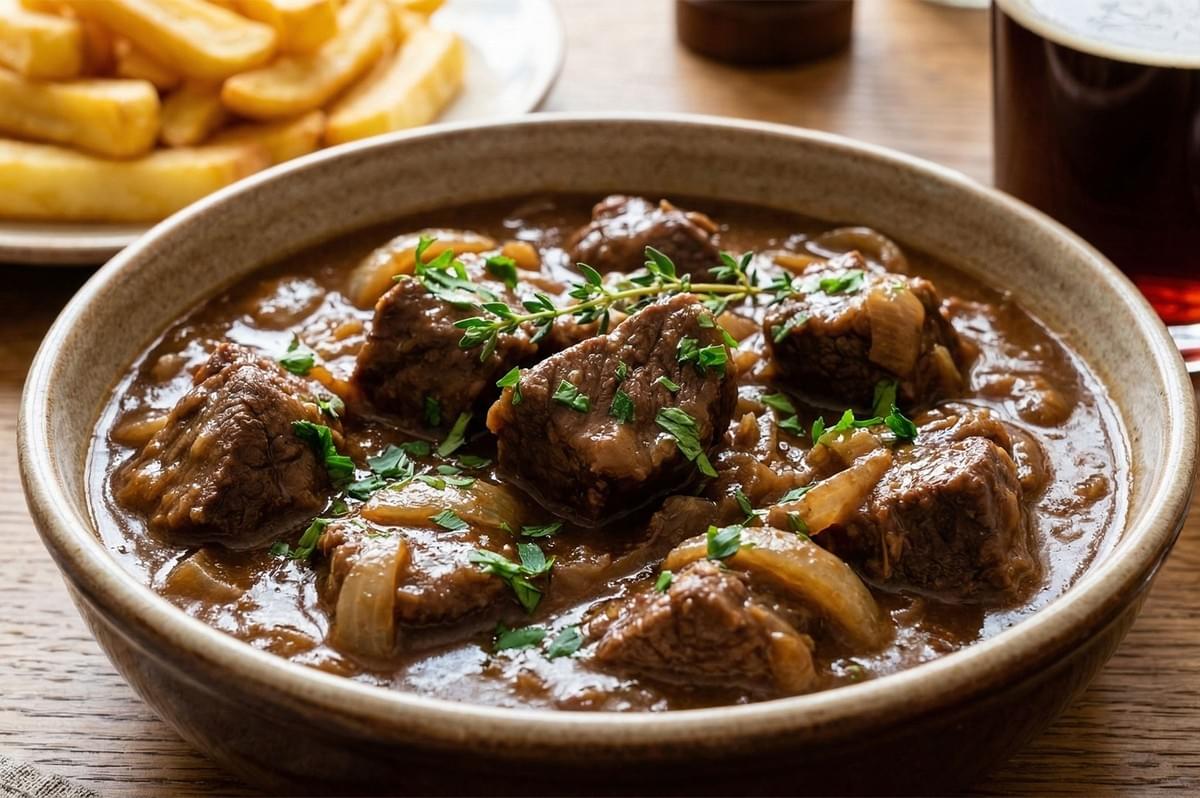
At its heart, Carbonnade Flamande (or Stoofvlees as it is known in Dutch-speaking Flanders) is a sweet-sour beef and onion stew. The name "carbonnade" actually comes from the old French word charbon, meaning coal, because the dish was traditionally simmered for hours over hot coals.
The magic of this stew lies in its simplicity and its reliance on regional ingredients. Belgium is famous for its beer culture, so it makes perfect sense that their national stew uses beer as the primary braising liquid. The specific type of beer used transforms the dish entirely. We are talking about dark, strong ales: Dubbels, Trappist beers, or Oud Bruins, that bring notes of caramel, dried fruit, and malt to the party.
What sets Carbonnade apart from other stews is the balance of flavors. It is not just savory beef broth. It has a distinctive sweet and sour profile. The sweetness comes from the caramelized onions and a touch of brown sugar (or sometimes fruit syrup like Liège syrup), while the sourness comes from a generous smear of mustard and a splash of vinegar. This interplay creates a sauce that is glossy, dark, and utterly addictive.
The Key Ingredients for Authentic Flavor
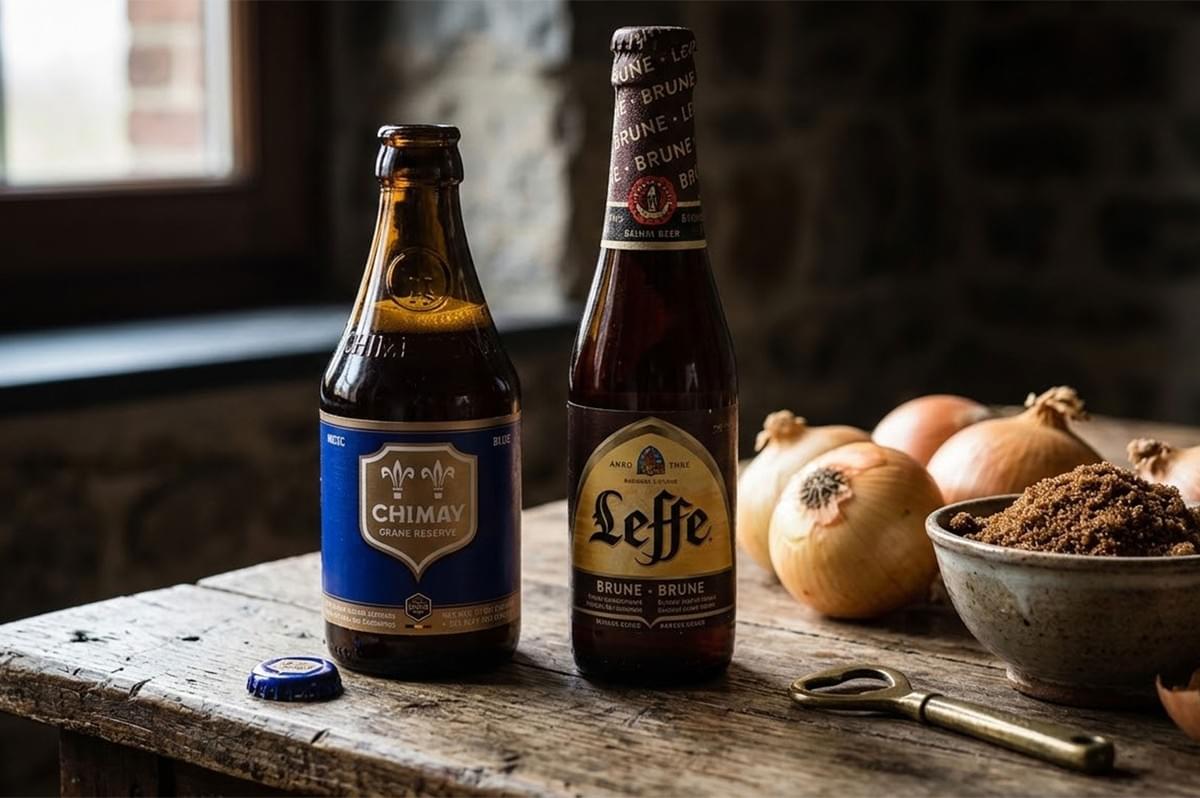
To make a Carbonnade that would make a Belgian grandmother proud, you need to pay attention to your ingredients. It is a simple list, but quality matters here.
1. The Beef:
You want a cut that is tough and marbled with connective tissue. Chuck roast is the gold standard here. As it braises slowly, that collagen breaks down and turns into gelatin, giving you meltingly tender meat and a luscious, thick sauce. Avoid lean cuts like sirloin, as they will just dry out and become tough.
2. The Beer:
This is the soul of the dish. Do not use a light lager or a bitter IPA here. The bitterness will concentrate as the stew reduces and become unpleasant. You want a Belgian dark ale or a brown ale. Brands like Chimay, Leffe Brune, or Westmalle Dubbel are fantastic choices. If you can't find those, a good quality dark brown ale from a craft brewery works too. You are looking for malty, sweet, and low bitterness.
3. The Onions:
You need a lot of onions. Like, a surprisingly large amount. They cook down significantly and provide the base sweetness for the gravy. Don't skimp on them!
4. The Sweetener:
Traditional recipes often use brown sugar. It adds a deep molasses flavor that complements the beer perfectly. Some versions use apple butter or red currant jelly, but dark brown sugar is the most accessible and authentic choice for home cooks.
5. The Flavor Booster (Mustard):
Here is a quirky little trick that is essential to Carbonnade. We take slices of bread (sometimes gingerbread or spiced cake), slather them with sharp mustard, and place them right on top of the stew as it simmers. The bread dissolves into the sauce, acting as a thickener, while the mustard adds that crucial tangy kick.
Step-by-Step Recipe: How to Make Carbonnade Flamande

Ready to get cooking? This recipe serves about 4 to 6 hungry people.
Prep time: 30 minutes
Cook time: 2.5 to 3 hours
Total time: 3.5 hours
Ingredients
- 1.5 kg (3.3 lbs) beef chuck roast, cut into large 1.5-inch cubes
- 4 large yellow onions, thinly sliced
- 2 bottles (330ml each) of Belgian dark beer (Leffe Brune or similar)
- 2 cups beef stock
- 3 tablespoons butter
- 2 tablespoons olive oil
- 2 tablespoons dark brown sugar
- 2 tablespoons cider vinegar
- 3-4 sprigs fresh thyme
- 2 bay leaves
- 3 slices of hearty bread (sourdough or rustic white)
- 3 tablespoons strong Dijon mustard or spicy brown mustard
- Salt and black pepper to fresh taste
- Small handful of chopped parsley for garnish
Instructions
Step 1: Sear the Beef
Take your beef cubes and pat them dry with paper towels. This is crucial! Wet meat steams instead of searing. Season them generously with salt and pepper. Heat 1 tablespoon of butter and 1 tablespoon of oil in a large Dutch oven or heavy-bottomed pot over medium-high heat. Working in batches so you don't overcrowd the pan, sear the beef on all sides until it is deeply browned. Remove the browned beef and set it aside on a plate. Repeat until all the beef is seared.
Step 2: Caramelize the Onions
Lower the heat to medium. Add the remaining butter to the pot. Toss in the sliced onions. You want to cook these slowly, scraping up the delicious browned bits (the fond) from the bottom of the pot as you stir. Cook the onions for about 15 to 20 minutes until they are soft, golden brown, and smelling sweet.
Step 3: Build the Stew
Add the brown sugar and vinegar to the onions. Stir well and cook for another minute until the sugar dissolves. Return the beef and any accumulated juices back into the pot. Pour in the beer and the beef stock. The liquid should just barely cover the meat. Add the thyme sprigs and bay leaves. Bring everything to a gentle simmer.
Step 4: The Bread Trick
Take your slices of bread and spread the mustard generously on one side. Place the bread slices, mustard-side down, directly on top of the stew. It might look strange, but trust the process! Cover the pot with a lid and reduce the heat to low. You want a very gentle simmer, just a few bubbles breaking the surface now and then.
Step 5: The Long Braise
Let the stew simmer for about 2 to 2.5 hours. Check it occasionally to give it a gentle stir. The bread will start to break down and disappear into the sauce, thickening it beautifully.
The stew is done when the beef is fork-tender and falling apart. If the sauce looks too thin, you can remove the lid and simmer for an extra 15 minutes to reduce it. If it gets too thick, add a splash more stock or water.
Step 6: Final Seasoning
Remove the bay leaves and thyme stems. Taste the sauce. This is the most important part! Does it need more salt? A pinch more sugar? A dash more vinegar? Adjust it until it hits that perfect sweet-savory-sour balance. Serve hot, garnished with fresh parsley.
Cooking Tips and Variations

While the classic recipe is hard to beat, there are plenty of ways to tweak Carbonnade to suit your taste or pantry.
The "Day After" Rule:
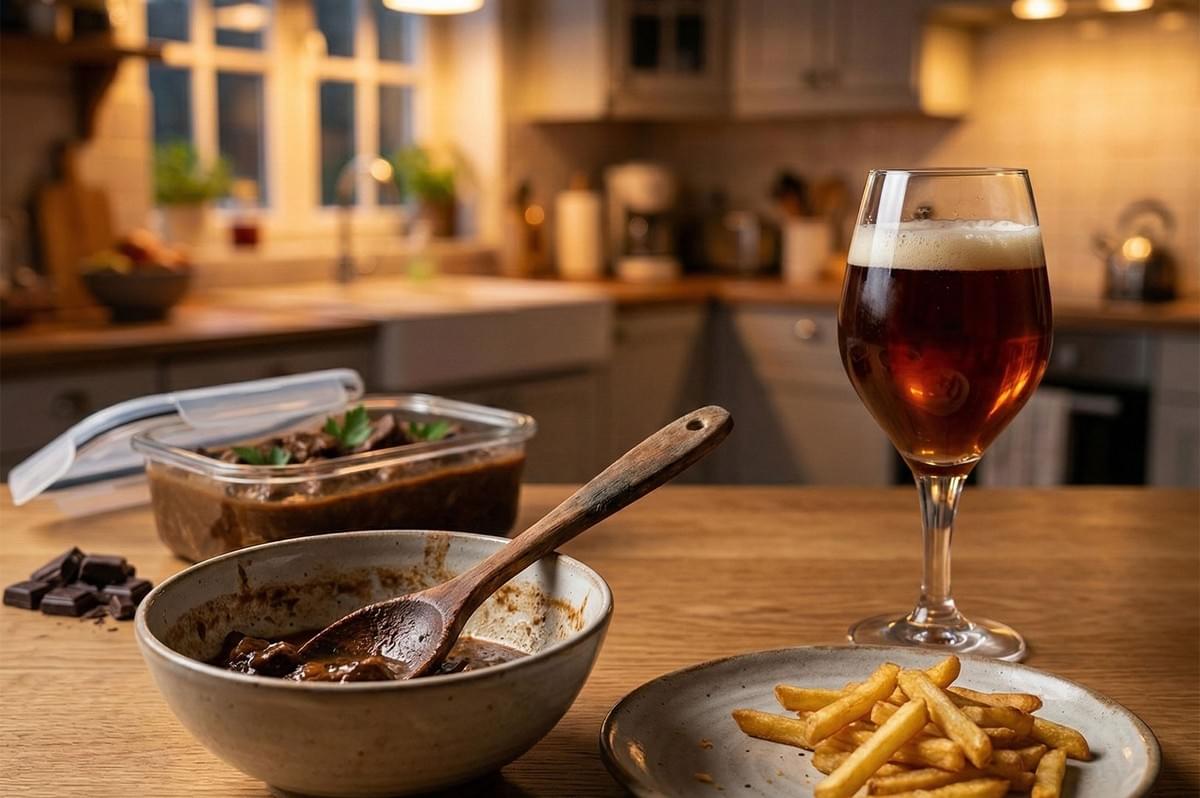
If you have the time, make this stew a day in advance. Let it cool completely and store it in the fridge overnight. When you reheat it the next day, the flavors will have deepened significantly. The smokiness of the beer mellows out, and the beef becomes even more tender.
Gluten-Free Option:
Traditional Carbonnade relies on bread for thickening. To make this gluten-free, simply skip the bread. Instead, stir in a cornstarch slurry (1 tablespoon cornstarch mixed with 2 tablespoons cold water) during the last 15 minutes of cooking to thicken the sauce. Ensure your beer and beef stock are gluten-free as well.
Adding Veggies:
Purists will tell you that Carbonnade is meat and onions only. But hey, this is your kitchen! Feel free to add chunky carrots or mushrooms during the last hour of cooking for extra texture and nutrition.
The Chocolate Secret:
Some Belgian cooks swear by adding a square or two of high-quality dark chocolate right at the end of cooking. It adds a silky texture and enhances the richness of the dark beer without making the dish taste like dessert. Give it a try if you are feeling adventurous!
Oven Method:
If you prefer not to leave a pot on the stove, you can braise this in the oven. After step 4 (adding the bread), cover the pot and place it in a preheated oven at 300°F (150°C) for 2.5 to 3 hours. The oven provides a very steady, gentle heat that is perfect for braising.
Conclusion: Bring a Taste of Belgium Home
There is something deeply satisfying about mastering a dish like Carbonnade Flamande. It connects you to a tradition of slow cooking, of patience, and of appreciating simple, hearty ingredients. It is a reminder that you don't need fancy techniques or expensive cuts of meat to create something truly spectacular.
So next time you see those dark Belgian beers on the shelf, grab a couple of bottles. Pick up a chuck roast and a bag of onions. Clear your schedule for a lazy Sunday afternoon and let the magic happen.
Your kitchen will smell amazing, your belly will be full, and you might just find yourself planning your next trip to Belgium. Until then, grab a fork, dunk a fry in that glorious sauce, and enjoy every bite.
