

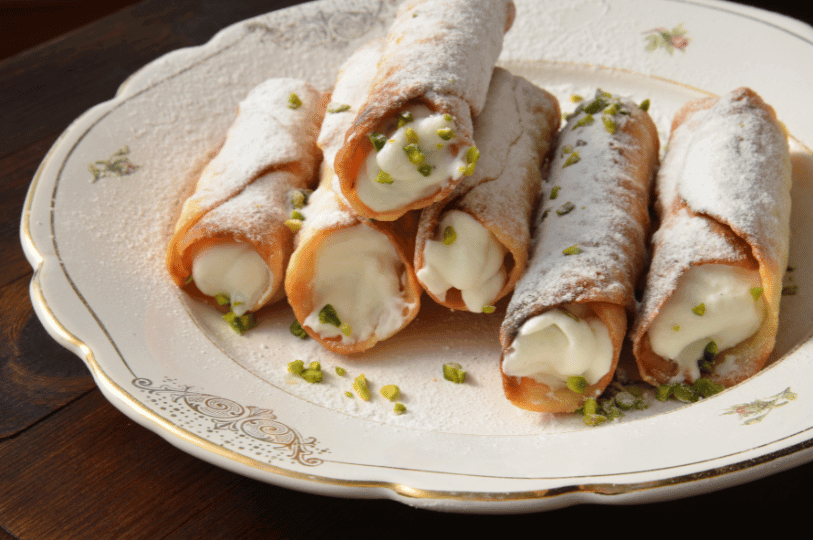
Few desserts capture the spirit of Italian pastry quite like the cannoli. That first bite is a symphony of textures and flavors. You get the satisfying crackle of a delicate, fried shell, followed by a wave of cool, sweet, and creamy ricotta filling. It is a dessert that feels both rustic and elegant, a true masterpiece of simple ingredients transformed into something extraordinary.
Making cannoli from scratch might seem like a project reserved for seasoned Italian grandmothers, but it is a surprisingly achievable and incredibly rewarding experience. This guide is here to demystify the process and show you that yes, you can make authentic, bakery-quality cannoli in your own kitchen. We will walk you through every step, from creating the perfect crispy shell to whipping up a luscious ricotta filling. Get ready to roll, fry, and fill your way to dessert perfection.
A Bite of Sicilian History
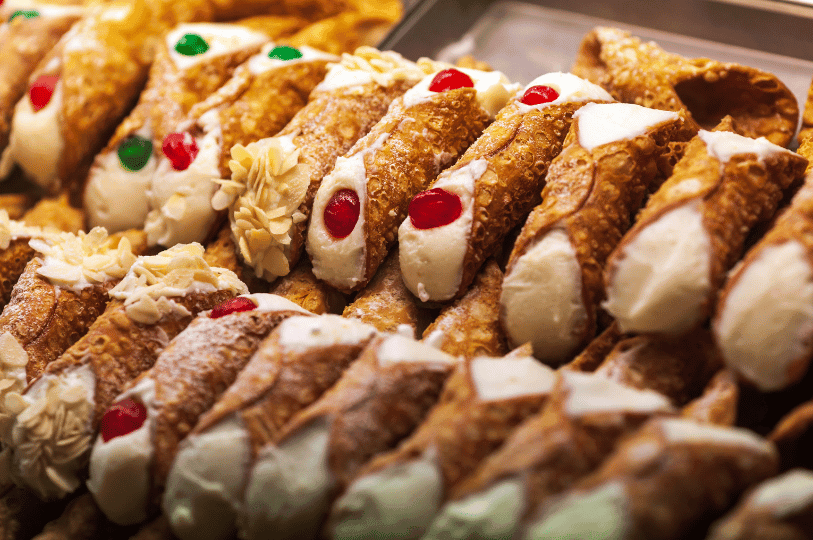
Most food historians trace the dessert back to the city of Caltanissetta, during the time of Arab rule in Sicily between the 9th and 11th centuries. It is believed that cannoli were first created in the harems of the emirs, as a symbol of fertility and celebration. Later, the recipe was passed on to the nuns of the local convents, who perfected it and began making cannoli to celebrate Carnevale, the festive period before Lent. Today, cannoli are a year-round symbol of Sicilian pride, enjoyed at celebrations, holidays, and as a simple daily treat.
The Cannoli Components: Shells and Filling
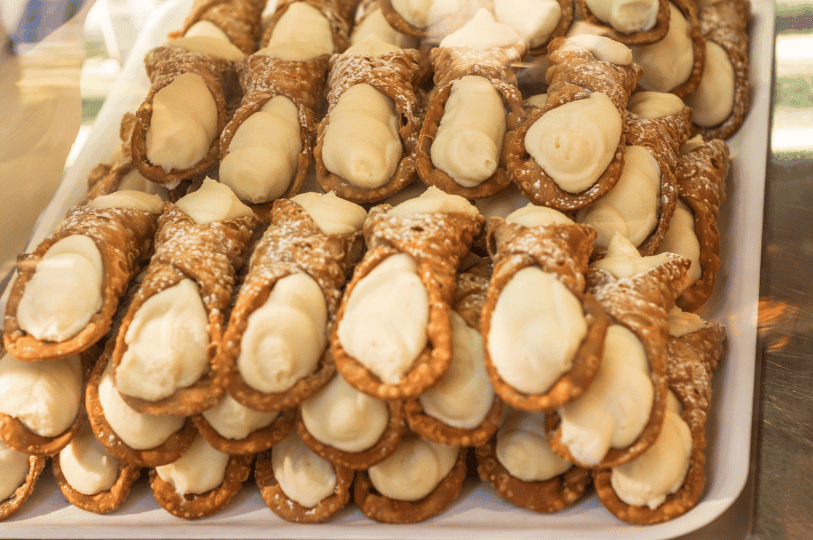
A perfect cannoli is all about balance. The two main components, the shell and the filling, must be made with care to achieve that signature contrast.
The Shells
The shell is a fried pastry dough, traditionally enriched with Marsala wine. The wine not only adds a subtle, complex flavor but also helps create a tender dough that blisters into a bubbly, crispy texture when fried. You will need special metal tubes, called cannoli forms, to shape the shells. These are readily available at kitchen supply stores or online and are a worthwhile investment.
The Filling
The classic filling is made from ricotta cheese, specifically whole milk ricotta. The key to a great filling is draining the ricotta thoroughly to remove excess whey. This step is non-negotiable, as it prevents a watery filling that would make the shells soggy. The drained ricotta is then sweetened with powdered sugar and often flavored with vanilla, citrus zest, or a hint of cinnamon.
The Complete Cannoli Recipe
This recipe will guide you through making about 18-24 cannoli.
Ingredients
For the Crispy Shells:
- 2 cups (250g) all-purpose flour
- 2 tablespoons (25g) granulated sugar
- 1/2 teaspoon salt
- 1/2 teaspoon ground cinnamon
- 2 tablespoons (28g) cold unsalted butter, cubed
- 1 large egg yolk
- 1/2 cup (120ml) dry Marsala wine (or dry white wine)
- 1 large egg white, lightly beaten (for sealing)
- Vegetable or canola oil, for frying (about 4-6 cups)
For the Ricotta Filling:
- 2 lbs (about 900g) whole milk ricotta cheese
- 1 1/2 cups (180g) powdered sugar, sifted
- 1 teaspoon vanilla extract
- 1/2 teaspoon ground cinnamon
- Pinch of salt
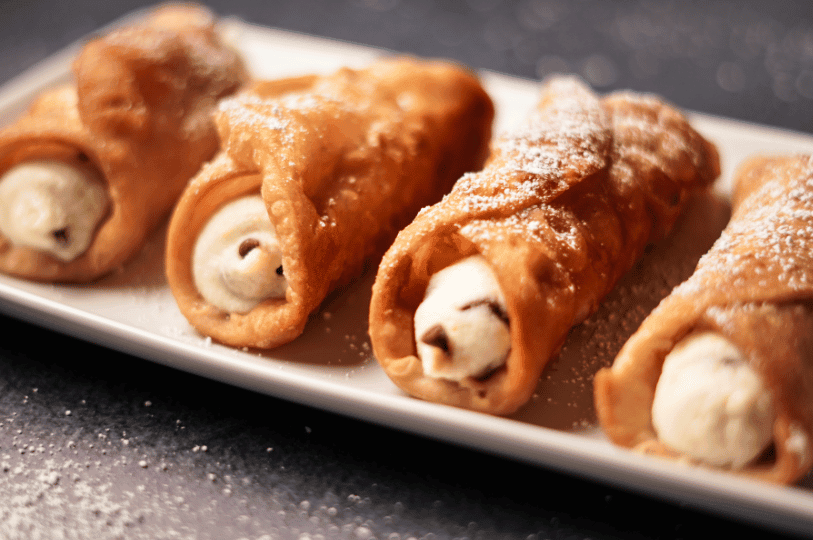
- 1/4 cup mini chocolate chips (optional)
- Zest of one orange (optional)
Step-by-Step Instructions
Part 1: Prepare the Ricotta Filling (Start this a day ahead)
- Drain the Ricotta: This is the most important step for a creamy filling. Line a fine-mesh sieve with a few layers of cheesecloth. Place the ricotta in the sieve, set it over a deep bowl, and cover it with plastic wrap. Refrigerate for at least 12 hours, or overnight. You will be surprised at how much liquid drains out. Discard the liquid.
- Mix the Filling: Transfer the drained, thick ricotta to a large bowl. Using a spatula or stand mixer fitted with a paddle attachment, beat the ricotta until it is smooth and creamy.
- Add Flavor: Add the sifted powdered sugar, vanilla extract, cinnamon, and salt. Mix until everything is well combined and smooth. Be careful not to overmix.
- Fold in Extras: If using, gently fold in the mini chocolate chips or orange zest.
- Chill: Cover the filling and refrigerate it until you are ready to fill the shells. The filling can be made up to 2 days in advance.
Part 2: Make and Fry the Cannoli Shells
- Make the Dough: In a large bowl or the bowl of a food processor, combine the flour, sugar, salt, and cinnamon. Add the cold, cubed butter and cut it in with a pastry blender or pulse in the food processor until the mixture resembles coarse sand.
- Combine Wet and Dry: Add the egg yolk and Marsala wine. Mix until a shaggy dough forms. Transfer the dough to a lightly floured surface and knead for 5-7 minutes, until it becomes smooth and elastic.
- Rest the Dough: Form the dough into a disk, wrap it tightly in plastic wrap, and let it rest at room temperature for at least 1 hour. This allows the gluten to relax, making the dough easier to roll out.
- Roll the Dough: Cut the dough in half. Working with one half at a time, roll the dough out on a lightly floured surface until it is very thin, about 1/16 of an inch (1-2mm). You should almost be able to see through it.
- Cut the Shells: Use a 3 to 4-inch round cutter to cut circles out of the dough.
- Shape the Shells: Gently stretch each circle into a slight oval. Wrap one oval around a cannoli form, overlapping the ends. Dab a small amount of the beaten egg white on the bottom edge and press the top edge over it to seal it firmly. Make sure it is sealed well, otherwise it will open up during frying.
- Fry the Shells: Heat about 3 inches of oil in a heavy-bottomed pot to 360°F (180°C). Carefully lower 2-3 cannoli forms into the hot oil. Do not overcrowd the pot. Fry for 2-3 minutes, turning occasionally, until the shells are golden brown and covered in bubbles.
- Drain and Cool: Using tongs, carefully remove the cannoli forms from the oil. Let them drain on a wire rack set over paper towels. The shells will be extremely hot. Let them cool for a minute or two before attempting to remove them from the forms. To remove, gently slide the shell off the metal tube. Let the shells and the forms cool completely before using the forms again.
- Repeat: Continue rolling, cutting, and frying until all the dough is used. Let all shells cool completely before filling.
Part 3: Fill and Garnish
- Prepare for Filling: Just before you are ready to serve, transfer the chilled ricotta filling to a pastry bag fitted with a large plain or star tip.
- Fill the Shells: Insert the tip of the pastry bag into one end of a cannoli shell and pipe the filling toward the center. Turn the shell around and fill it from the other side to ensure it is filled completely.
- Garnish: Smooth the ends with a small spatula. If you like, you can dip the ends in mini chocolate chips, chopped pistachios, or candied fruit. A light dusting of powdered sugar over the top is also a classic finish.
Tips for Cannoli Success
- Do Not Skip Draining the Ricotta: We cannot say this enough. Watery ricotta means soggy cannoli, which is the ultimate cannoli sin.
- Roll the Dough Thinly: A thin dough is the secret to a delicate, crispy shell. If the dough is too thick, the shells will be tough and doughy.
- Monitor Your Oil Temperature: Use a deep-fry or candy thermometer to ensure the oil is at the correct temperature. If the oil is too cool, the shells will absorb too much oil and be greasy. If it is too hot, they will burn before they cook through.
- Fill Just Before Serving: This is the golden rule of cannoli. The shells are incredibly porous and will start to soften as soon as they are filled. For the best texture, fill them no more than an hour before serving.
Fun Variations and Customizations
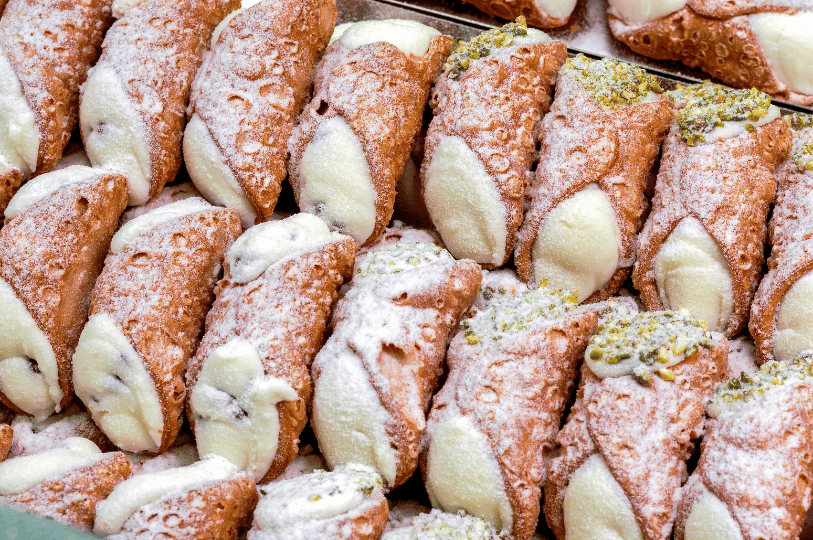
Once you have mastered the classic recipe, feel free to get creative.
- Filling Flavors: Mix in espresso powder for a coffee-flavored filling, or add a splash of amaretto or rum for a boozy kick. You can even make a chocolate version by adding cocoa powder to the ricotta.
- Shell Decorations: Dip the ends of the fried shells in melted dark or white chocolate and let them set before filling.
- Toppings Galore: Besides chopped pistachios and mini chocolate chips, you can use candied orange peel, chopped toasted almonds, or colorful sprinkles to garnish the ends.
Serving and Storing Your Cannoli
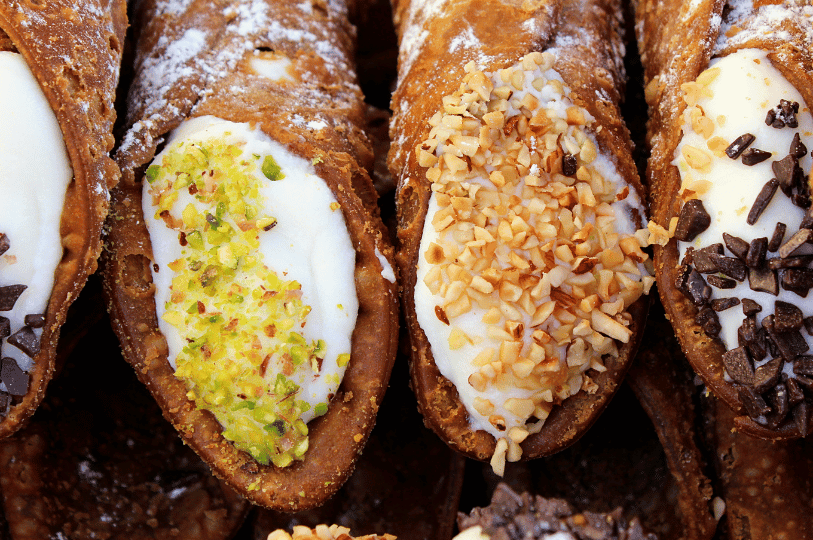
Cannoli are best served immediately after filling to preserve their signature crispy-creamy contrast. They make a stunning dessert platter for parties, holidays, or a special family dinner.
- Storing Unfilled Shells: You can make the shells ahead of time. Store them in an airtight container at room temperature for up to a week. If they lose some crispness, you can refresh them in a 300°F (150°C) oven for a few minutes.
- Storing Filling: The ricotta filling can be stored in an airtight container in the refrigerator for up to 3 days.
- Storing Filled Cannoli: If you absolutely must store filled cannoli, place them in a single layer in an airtight container in the refrigerator. They are best eaten within 24 hours but will not be as crispy as when fresh.
Making cannoli from scratch is a labor of love, but the result is a dessert experience that is truly unforgettable. The process connects you to a rich Italian tradition and fills your kitchen with the incredible aromas of fried pastry and sweet ricotta. So roll up your sleeves, embrace the process, and get ready to enjoy one of the world's most beloved pastries, made by you.
