

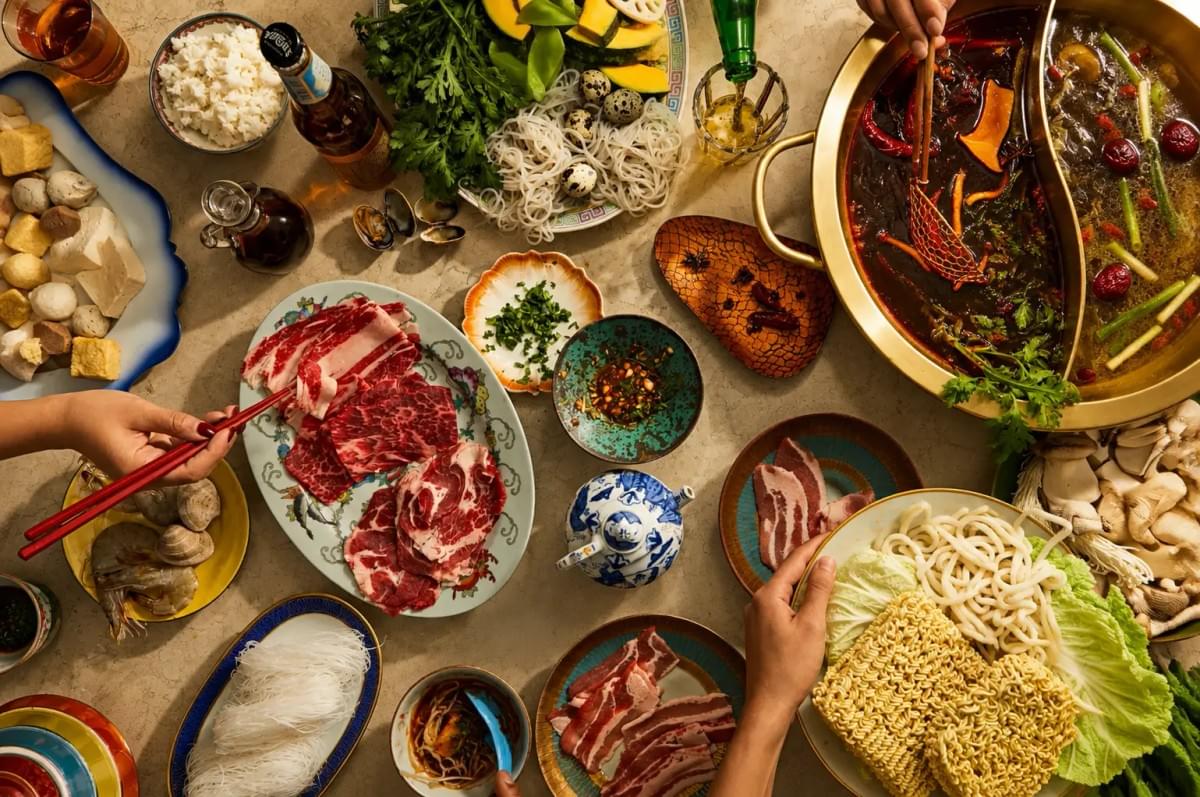
The pot came to the table before the food did.
I remember that most from childhood. The broth would start bubbling first, quiet at the center, and everyone would sit around it with chopsticks in hand, waiting. Nobody rushed. The meal happened slowly, one piece at a time, and the talking never really stopped.
That is the thing about hot pot. It is not a dish you are served. It is a dish you build together, over an hour or two, with the people beside you.
Let me walk you through what it is, where it comes from, and why it still gathers people the way it does.
What Hot Pot Actually Is
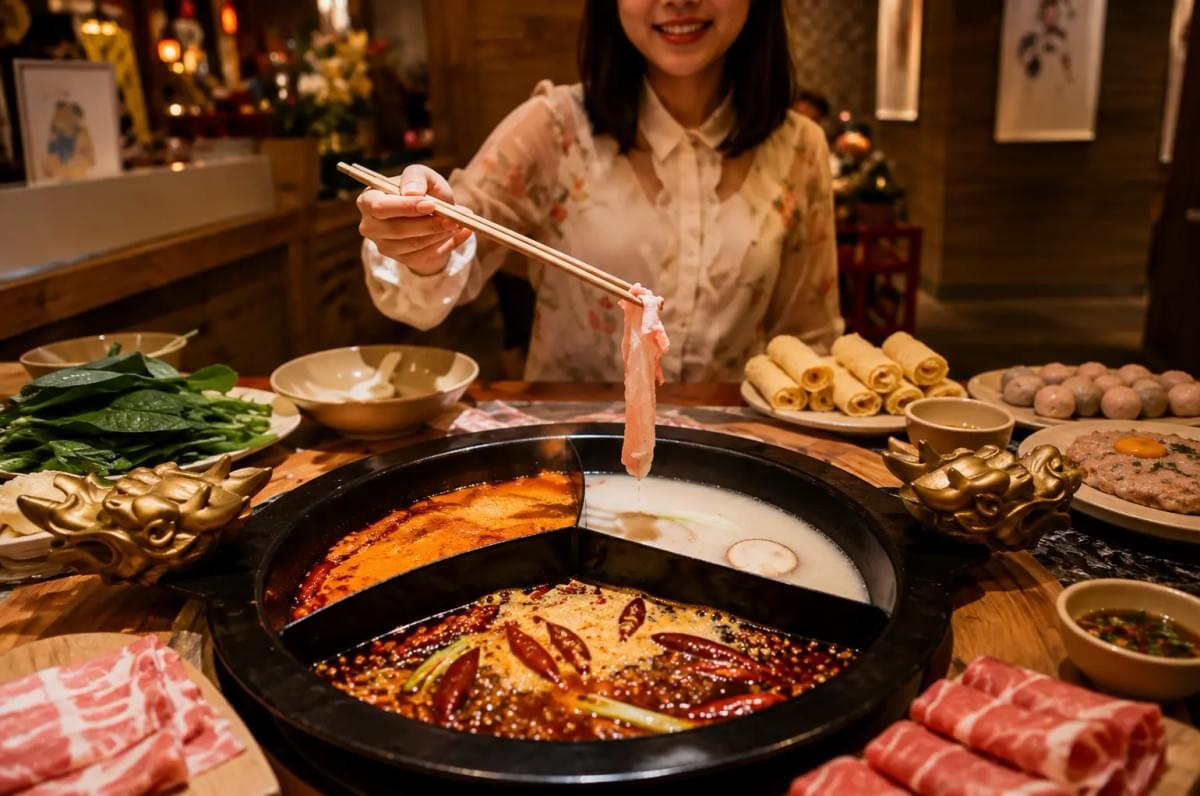
At its plainest, hot pot is a simmering pot of broth set in the middle of the table, kept hot over a burner or an electric base. Around it sits a spread of raw ingredients: thin slices of meat, leafy greens, tofu, mushrooms, noodles, and more.
You cook as you eat. You pick up a slice of beef, swirl it in the broth for a few seconds, dip it in sauce, and eat it warm. Then you reach for something else. There is no fixed course, no single moment when the meal "arrives."
This is what makes hot pot communal in a way few meals are. Everyone shares the same pot. Everyone cooks for themselves, and often for each other. The person across from you drops a handful of greens into the broth, and later you fish them out. The meal belongs to the group, not to any one plate.
Where It Comes From
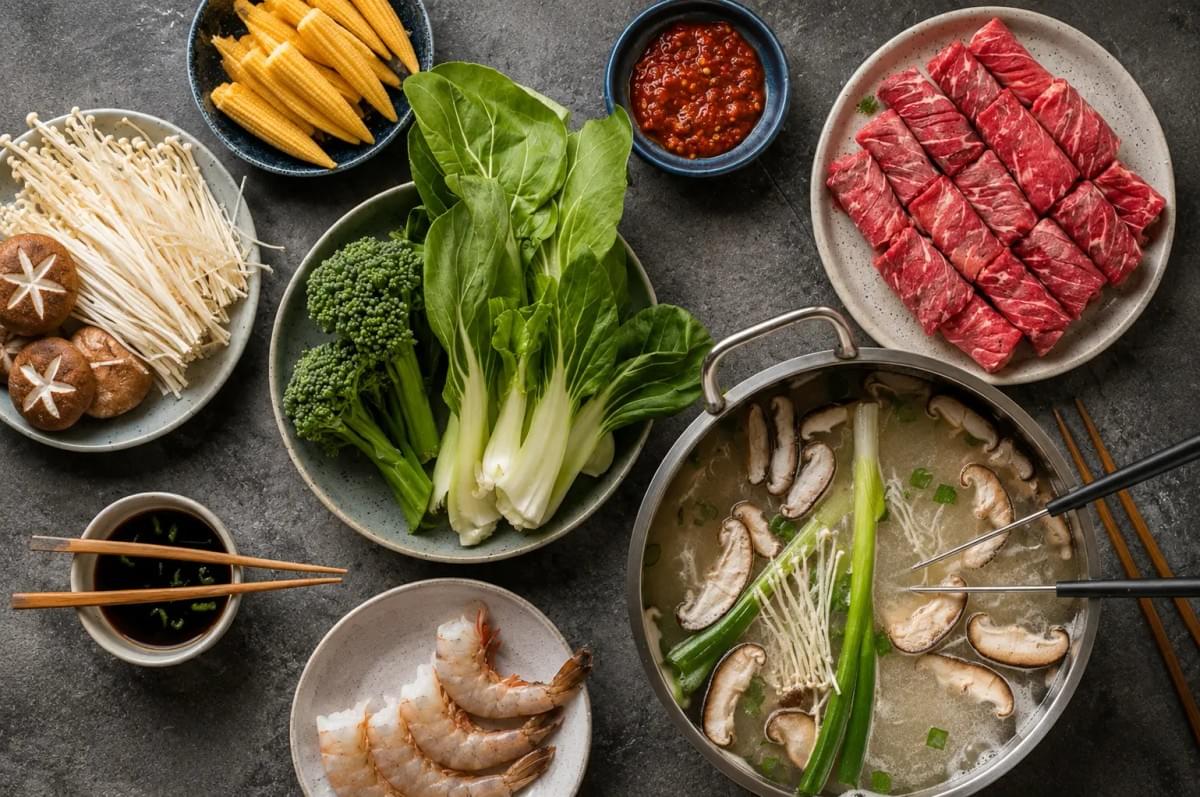
Hot pot has deep roots in China, though the exact origins are debated and vary depending on the source you read.
Some accounts trace the idea of communal simmering back many centuries, pointing to ancient bronze vessels or to soldiers and travelers cooking over shared fires. Others emphasize its spread and refinement during later dynasties. The honest answer is that no single story holds the whole truth. Hot pot did not appear in one place at one moment. It grew, shifted, and took on local character across a very large country and a very long stretch of time.
What is clear is that the format proved durable. A pot, a fire, some broth, and whatever was fresh and available. That simplicity let it travel and adapt, which is exactly why so many regional versions exist today.
Regional Hot Pot Styles
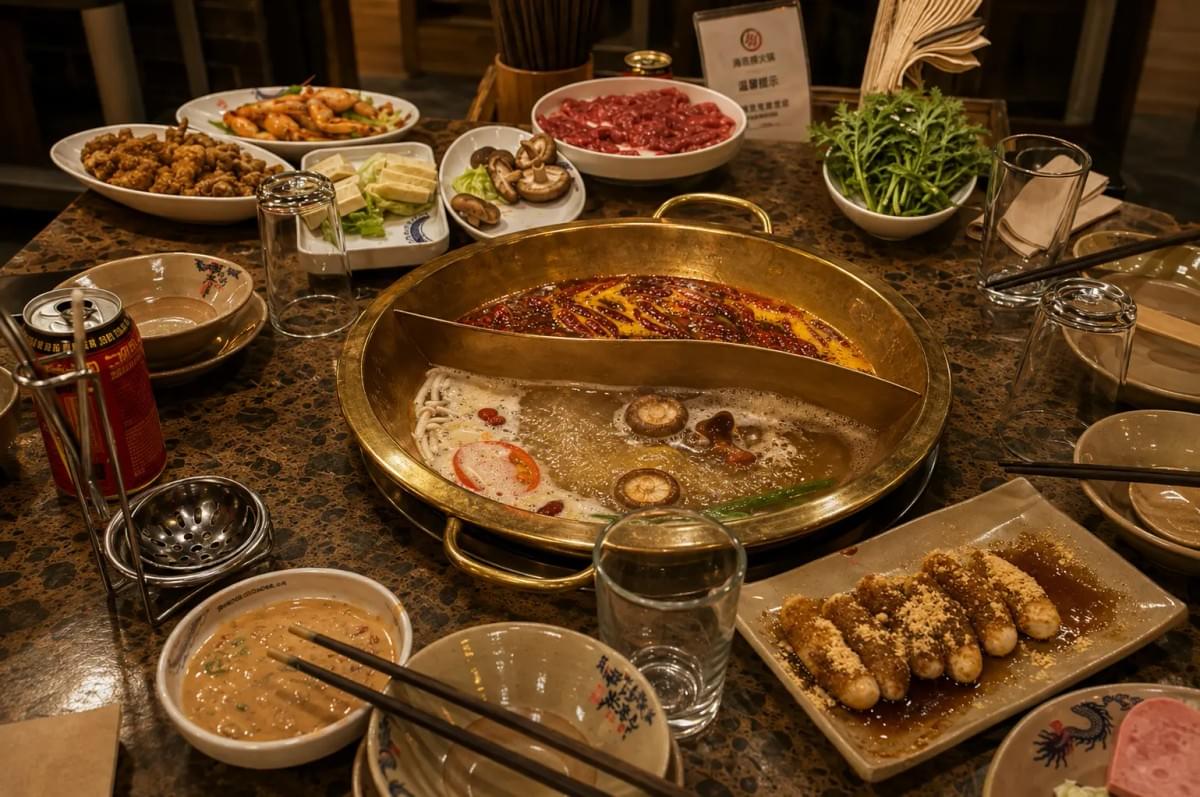
One of the pleasures of Chinese hot pot tradition is how much it changes from place to place. The broth is where the differences live most. None of these regional hot pot styles is better than another. They are simply different expressions of the same idea.
Sichuan Málà
Sichuan hot pot is known for its málà broth, a combination of chili heat and the tingling numbness of Sichuan peppercorns. "Má" is the numbing sensation, "là" is the spice. Together they create a warmth that builds and lingers.
The broth is often deep red, thick with dried chilies, peppercorns, and aromatics. It is bold and unmistakable.
Cantonese and Guangdong Broths
Move south to Guangdong, and the approach turns lighter. Cantonese-style broths tend to be clearer and gentler, often built around seafood, chicken, or herbal ingredients.
Here the goal is to let the freshness of the ingredients speak. A clean broth carries the sweetness of fish or the delicacy of a good chicken stock. It is a quieter table, but no less considered.
Northern Lamb-Focused Styles
In the north, lamb often takes center stage. A well-known example uses a simple broth in a distinctive ring-shaped copper pot, warmed by coals at the center.
The lamb is sliced thin and cooked quickly. The dipping sauce matters greatly here, and sesame-based sauces are a hallmark of the northern table.
Chongqing Intensity
Chongqing hot pot is close kin to Sichuan style, and often even more intense. It leans hard into chili and oil, with a broth that can be fierce.
The ingredients reflect this boldness too, including items with strong texture and character. It is a hot pot for those who want the broth to make a statement.
The Table Experience
Part of what makes a hot pot gathering feel abundant is the sheer range of things you can cook in it. You do not need all of these, but a good spread usually includes a mix.
Proteins
- Thin slices of beef, lamb, or pork
- Seafood such as shrimp, fish slices, and squid
- Fish balls and other springy, texture-focused items
Vegetables and mushrooms
- Leafy greens like napa cabbage, spinach, and watercress
- A variety of mushrooms (enoki, shiitake, king oyster)
- Lotus root, daikon, and corn
Tofu and starches
- Firm tofu, tofu skin, and fried tofu puffs
- Noodles of different kinds
- Dumplings
Some ingredients may be new to first-timers, and they are worth approaching with curiosity. Fish balls are bouncy and mild. Thin beef slices cook in seconds and stay tender. Tripe and similar items offer a firmer, more textured bite, and in Sichuan and Chongqing styles especially, they are prized for exactly that quality. If something is unfamiliar, cook a small piece and taste. That is the whole spirit of the meal.
Dipping Sauces
The sauce is personal. Most hot pot tables set out a small station of ingredients so each person can mix their own. Common elements include:
- Sesame paste, rich and nutty
- Soy sauce for salt and depth
- Black vinegar for brightness
- Minced garlic
- Chili oil for heat
- Chopped scallions and cilantro
There is no correct formula. A northern lamb pot pairs beautifully with a sesame-heavy sauce. A spicy Sichuan broth is often balanced with a cooling sesame oil and garlic mix. You learn your own blend over time.
Hot Pot Etiquette and Rituals
Hot pot has its own quiet rhythms, and understanding basic hot pot etiquette helps a gathering flow.
The host usually manages the pot, topping up broth and keeping the heat steady. Cooking tends to follow a loose order. Items that make the broth richer, like meat, often go in as the meal develops, while quick-cooking greens and thin slices come and go throughout.
A few common courtesies:
- Use serving chopsticks or a strainer for the shared pot when you can, keeping personal chopsticks separate from communal cooking. Hygiene norms vary by household and region, but this care is widely appreciated.
- Do not overcrowd the pot. Cook in small batches so nothing gets lost or overcooked.
- Keep an eye out for others. Fishing out a piece someone dropped, or cooking a batch for the table, is part of the generosity of the meal.
The pacing is unhurried on purpose. You cook, you talk, you wait, you cook again. Conversation fits into the gaps between batches. The meal stretches, and that stretching is the point.
Why These Gatherings Matter
Hot pot shows up at the moments that matter. Family reunions. Friends meeting after a long absence. Cold winter nights when the steam fogs the windows. Birthdays and holidays and ordinary weekends that become something more because everyone gathered around one pot.
There is a reason it feels different from other meals. A slow meal keeps people at the table. You cannot eat hot pot quickly, and you cannot eat it alone very easily. It asks for time and company, and it rewards both.
That is where the sense of belonging comes from. Not from any single ingredient, but from the shape of the meal itself. Everyone leaning in toward the same warm center.
Modern Hot Pot Culture
Hot pot today lives in many forms. Dedicated restaurants have made it a night out, some offering individual pots for each diner, others keeping the large shared pot at the heart of the table.
At home, hot pot has seen a strong resurgence, helped along by affordable electric pots and widely available packaged broth bases. You can now buy a concentrated Sichuan or herbal base, add water, and have a respectable broth in minutes.
As Chinese communities settled around the world, hot pot traveled with them. Diaspora adaptations are natural and often necessary. Cooks work with the ingredients they can find, swapping local greens or seafood into familiar broths. These changes are not a loss of tradition. They are how a living tradition keeps breathing in new places.
How to Host Hot Pot at Home
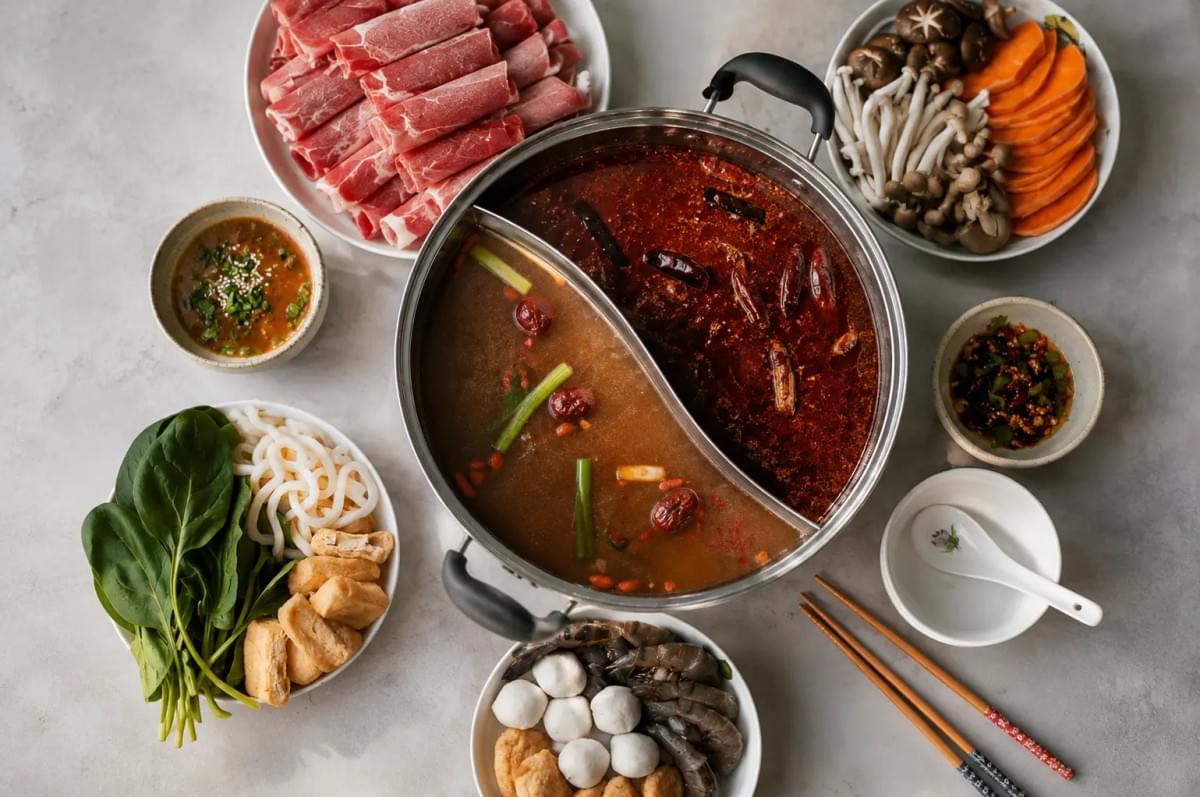
If you have never done it, learning how to host hot pot at home is easier than you might expect.
Equipment
- A portable gas burner or an electric hot pot
- A suitable pot (a divided pot lets you run two broths at once)
- Small strainers or slotted spoons for retrieving food
- Small bowls for each person's sauce
A Simple Shopping List
- A broth base (store-bought is completely fine to start)
- Thinly sliced beef or lamb (often sold pre-sliced and frozen)
- Napa cabbage and one leafy green
- Assorted mushrooms
- Firm tofu and tofu puffs
- Fish balls or shrimp
- Noodles
- Sauce ingredients: sesame paste, soy sauce, black vinegar, garlic, chili oil, scallions
A First-Timer's Ingredient Set
Keep it manageable. One meat, one or two vegetables, mushrooms, tofu, and noodles is plenty for a first try. You can grow the spread once you find your rhythm.
Timing Tips
- Bring the broth to a steady simmer before you start cooking.
- Add longer-cooking items first: corn, lotus root, firm tofu, and dense vegetables.
- Cook thin meat slices last and briefly, just until they change color.
- Leafy greens need only seconds.
- Save the noodles for the end, when the broth has taken on flavor from everything cooked in it. That final bowl is often the best of the night.
A word on care: cook proteins through, and use separate utensils for raw meat and for eating.
A Last Thought
The pots I remember most were never the fanciest ones.
There was one at my grandmother's table, dented and old, that came out every winter. The broth was nothing showy. But we sat around it for hours, cooking slowly, talking, reaching over one another for the last piece of cabbage.
That is what stays with me. Not the recipe, not the broth base, not any single bite. The gathering itself. The way the meal held us in one place, long past the point when the eating was done.
Hot pot has always understood something simple. Food is better when it is shared, and slower, and warm. Set a pot in the middle of a table, and the rest tends to take care of itself.
That is the story worth passing on.
