

Some dishes travel further than the diner ever knows.
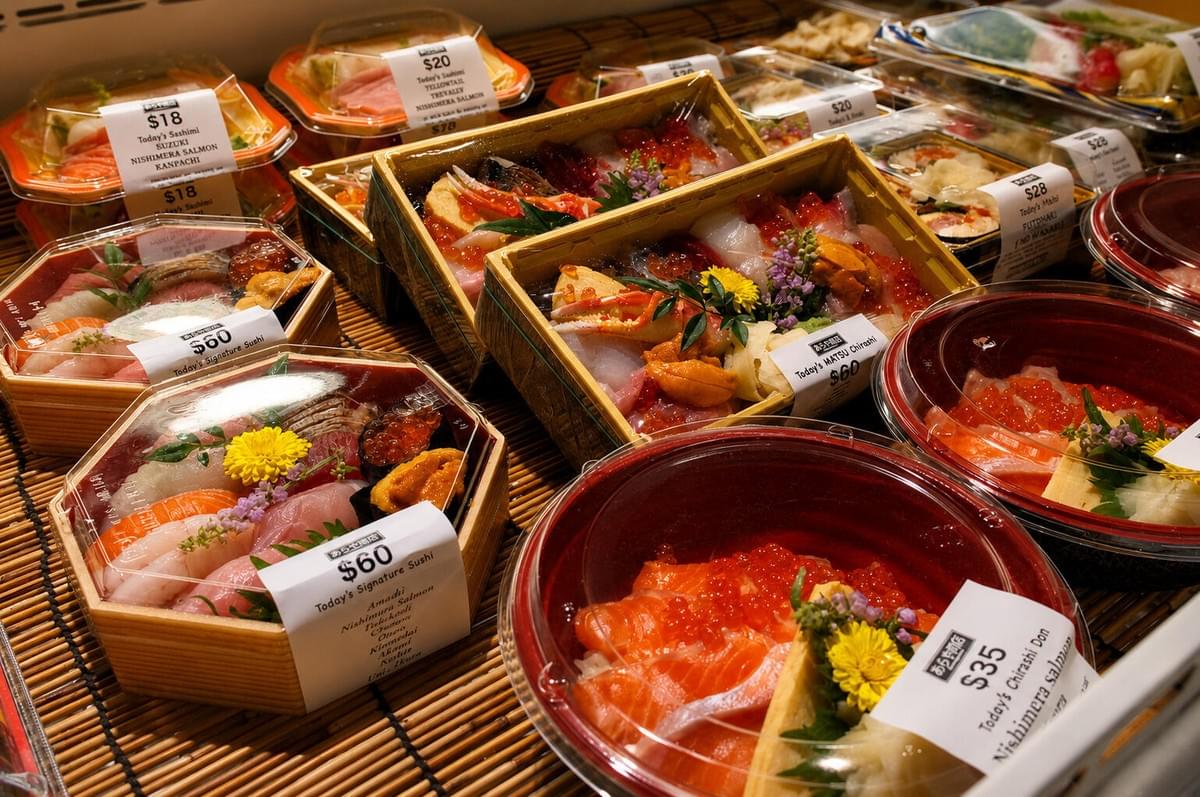
A chirashi bowl looks calm sitting on the counter. Rice, fish, the best sashimi, a scatter of color. Nothing shouts. But underneath that quiet arrangement is a long journey, from cold Japanese waters to a fishmonger's careful hands to the table in front of you.
At Araya Shouten in Singapore, that journey is the whole point. The shop does not treat seafood as product. It treats it as a story still being told, passed from the ocean through people who understand what they are handling. A chirashi don here is the closing chapter, but far from the beginning.
About Araya Shouten
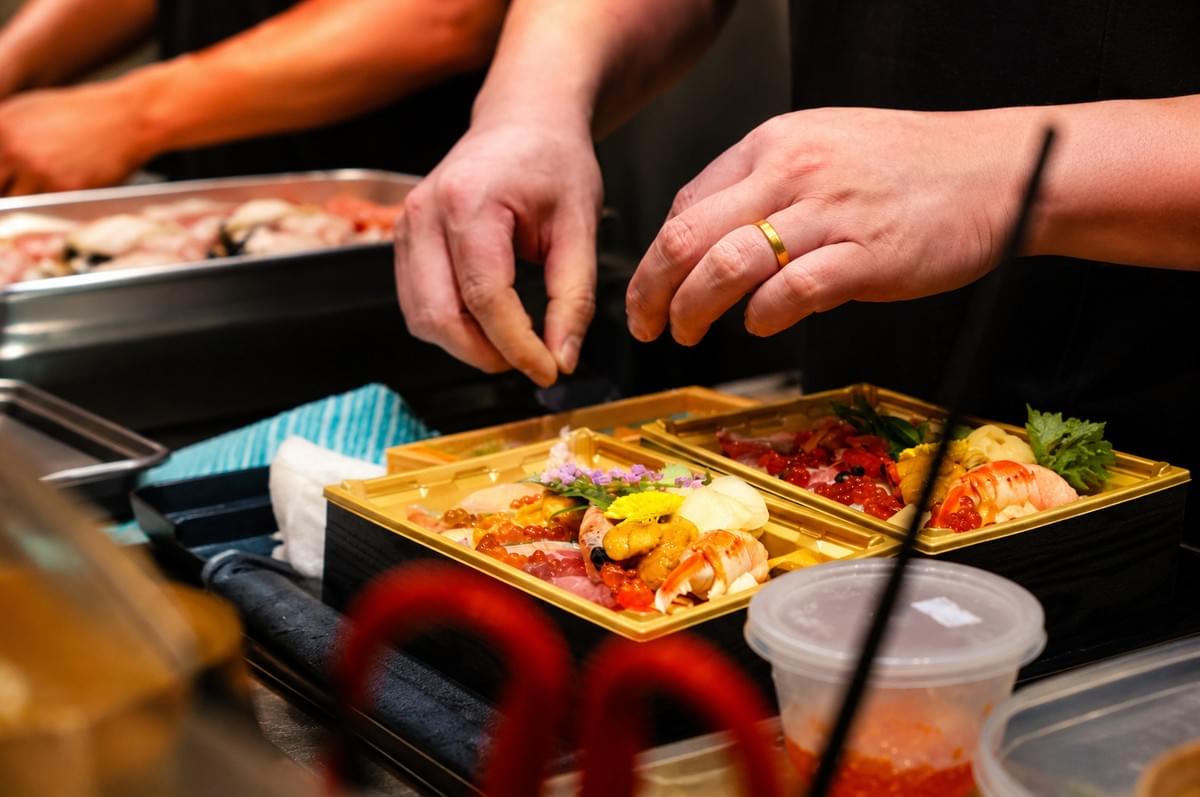
Araya Shouten carries the name of its founder, Araya-san, who grew up in Tomakomai, in southern Hokkaido. Fishing runs deep in his family. His grandfather worked as a commercial fisherman at Kushiro Port, and Araya-san spent his childhood around sashimi-grade seafood, learning by presence rather than instruction.
That early exposure shaped his eye. He knows fish the way some people know a hometown, quietly and completely.
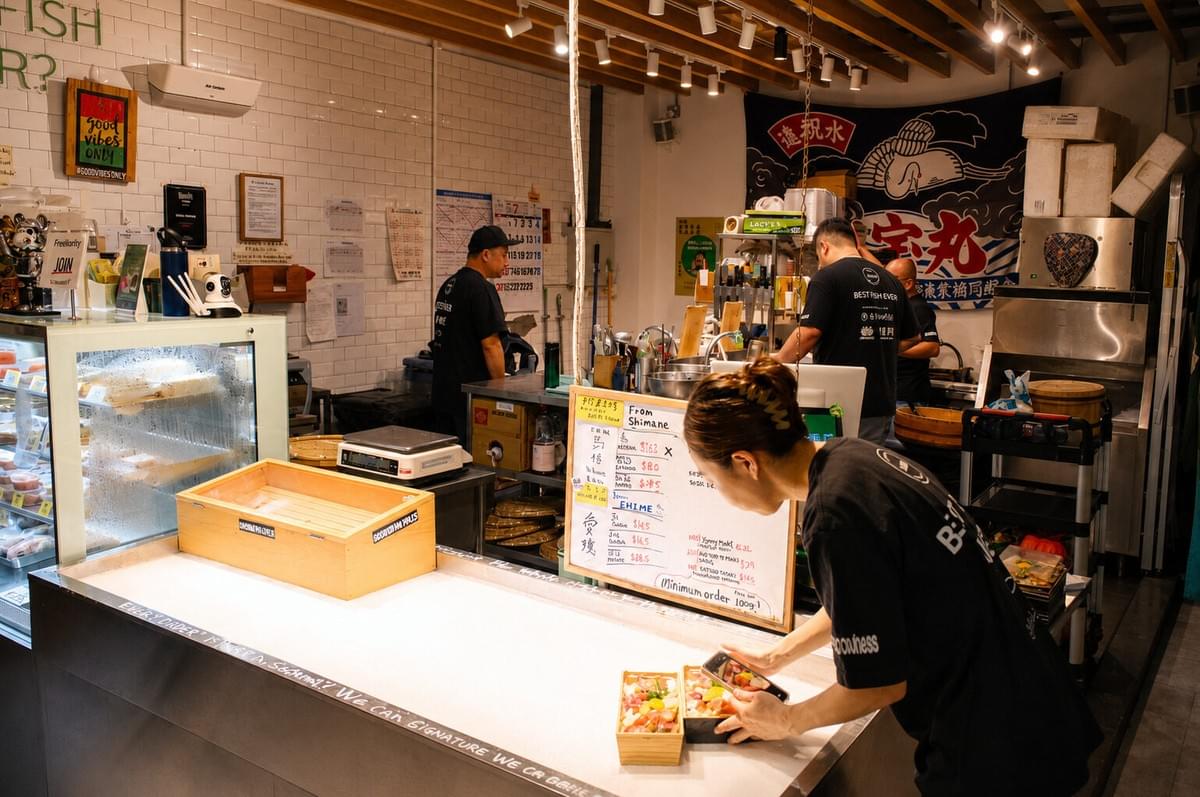
Before opening his own business, he spent around 13 years working in frozen fish logistics and import and export. He understood the routes, the handling, the way seafood moves across the world. Then something shifted. During Covid, he began selling fish directly, first through word of mouth, almost from the boot of a car. Demand grew. That small operation eventually became the shop now standing in Tanglin Mall.
Today, Araya Shouten supplies Michelin-starred Japanese restaurants and builds direct relationships with Japanese fishing ports. It is a Japanese fishmonger acting as a bridge, bringing seafood knowledge to Singapore diners who might otherwise never encounter it.
What Makes Chirashi Don Special?
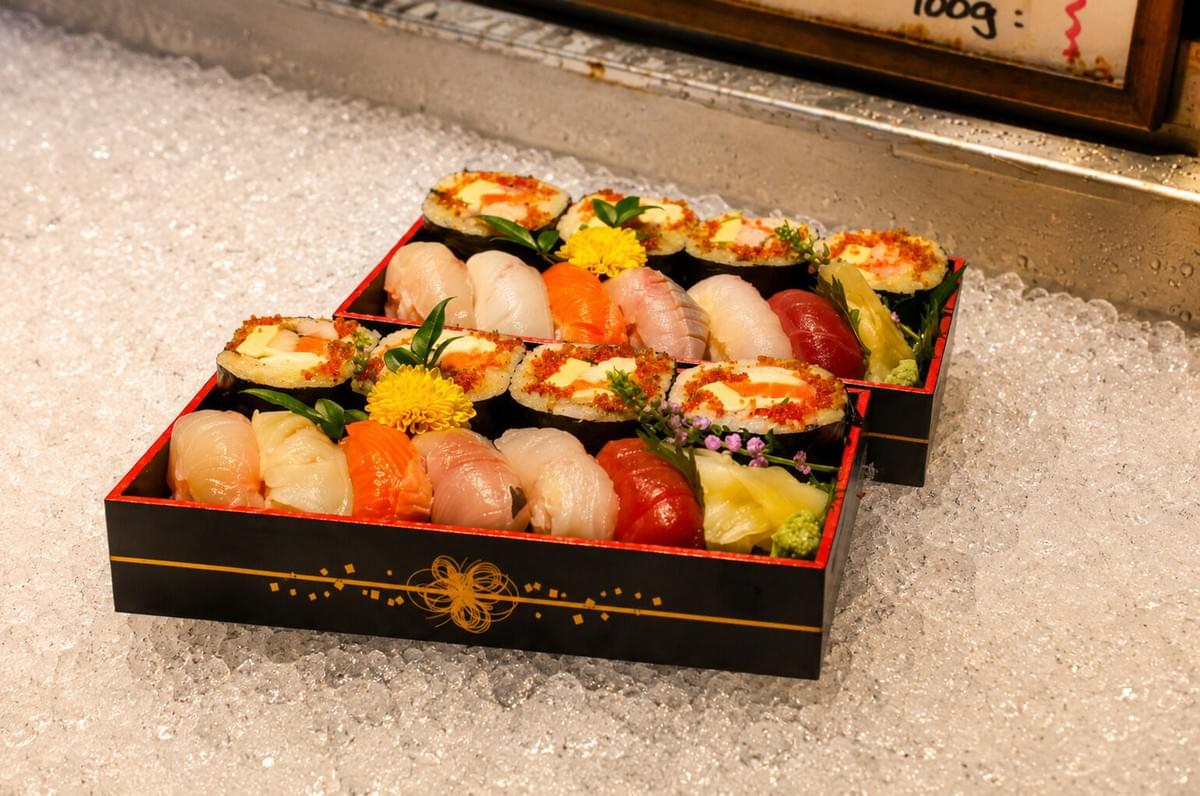
Chirashi means "scattered." A chirashi don is scattered sushi, a bowl of seasoned sushi rice topped with an arrangement of sashimi and other seafood.
It differs from nigiri in spirit. Nigiri is precise, one piece of fish over one shaped mound of rice, eaten in a single considered bite. Chirashi is generous and open. It invites you to wander, to taste one thing, then another, to build your own rhythm across the bowl.
That variety is its gift. In one sitting you can move through several kinds of fish, each with its own texture and season.
But the bowl only works if the rice and seafood respect each other. Sushi rice is not a base to be forgotten. Its warmth, its grain, its vinegar balance all carry the fish. When the two are in tune, the bowl feels whole. This balance sits at the heart of Japanese dining philosophy, where seasonality, ingredient quality, and natural timing matter as much as skill.
From Japanese Fishing Ports to a Singapore Bowl
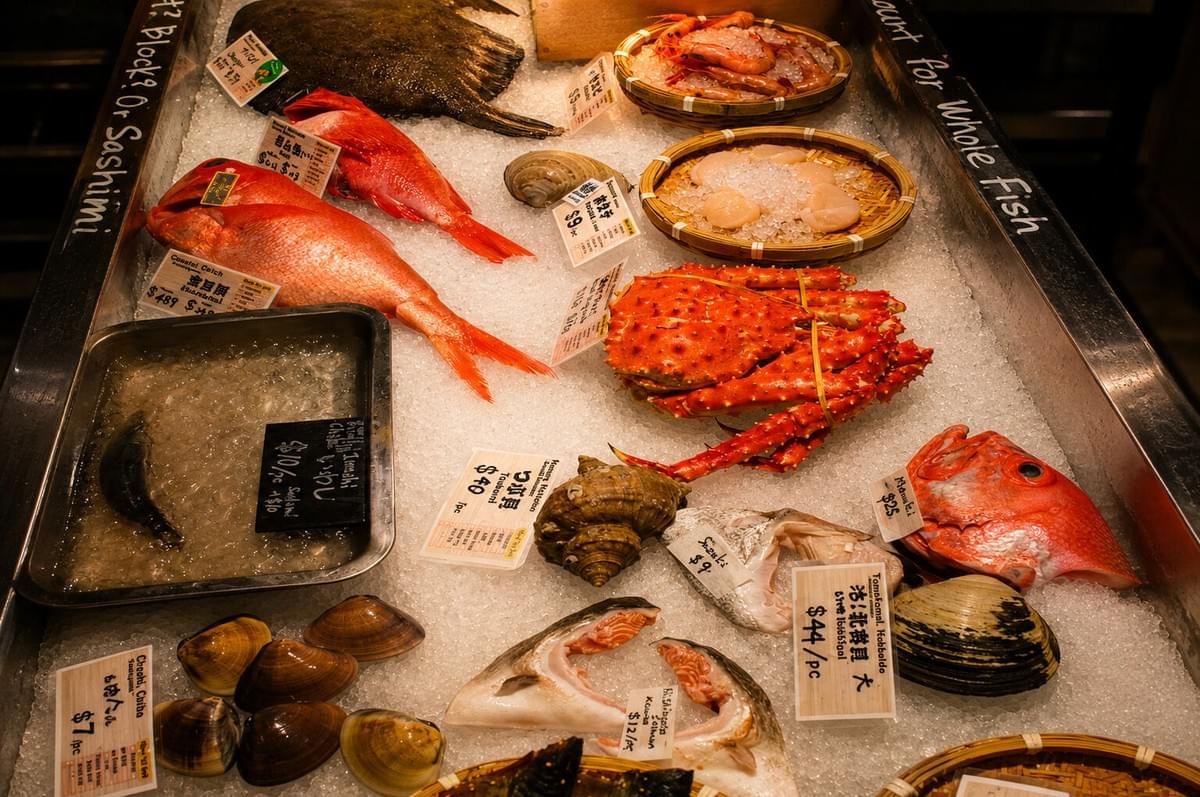
The philosophy at Araya Shouten is simple to say and hard to practice. Good fish begins long before it reaches the plate.
That belief shapes how the shop sources. Rather than relying on a fixed catalogue, Araya Shouten follows the seasonal catch. What arrives depends on what the waters offer, and that changes through the year. Direct relationships with Japanese suppliers make this possible, keeping the line short between port and shop.
Following the ocean means accepting its terms. Some fish will not be available when you want them. Others appear briefly, at their peak, and then are gone. Araya-san treats this not as a limitation but as honesty. The bowl reflects the season it was made in.
This is where Japanese seafood culture lives, in the willingness to let nature set the menu.
The Chirashi Don Experience at Araya Shouten
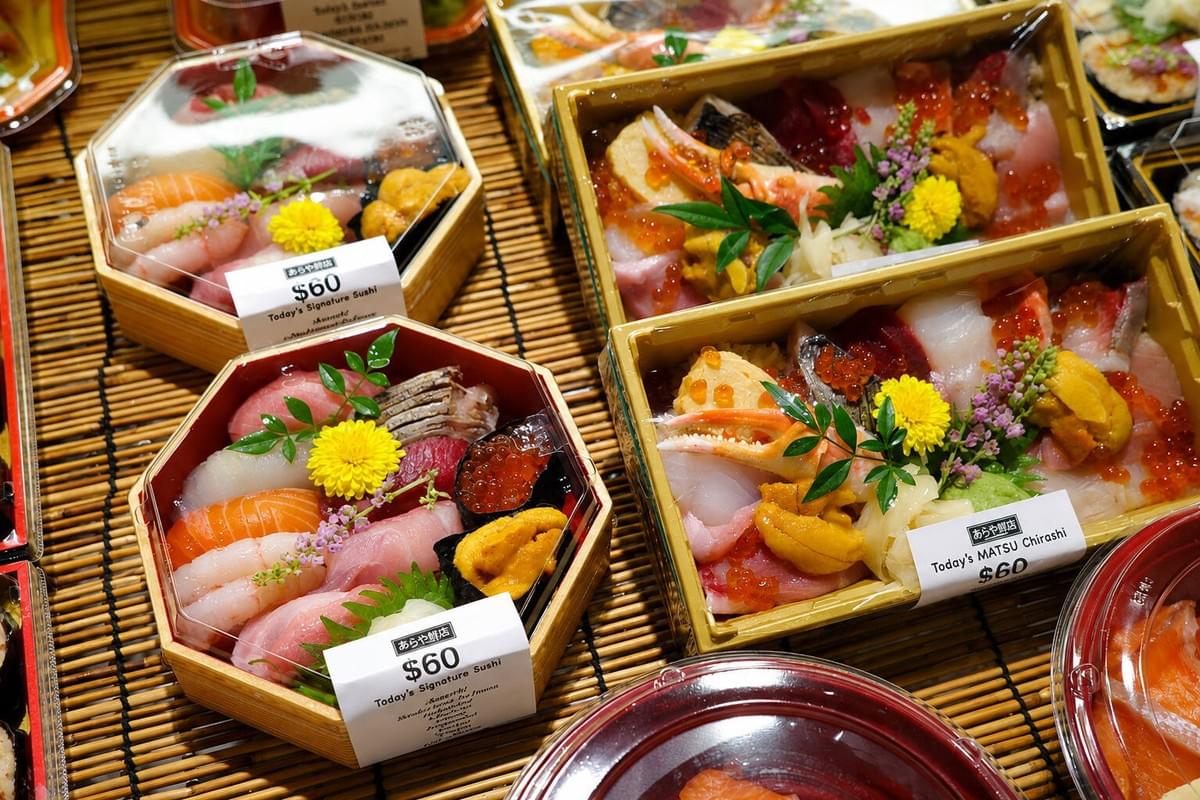
The bowl arrives composed rather than piled. Slices of fish lie in deliberate order, colors set against each other with care. Deep reds, pale pinks, soft translucent whites, the occasional gleam of orange roe. It reads as considered, the kind of arrangement that reflects Japanese attention to detail without asking for applause.
The sushi rice underneath holds its shape, each grain distinct, warm at the center. The vinegar is present but restrained, seasoning the rice without overtaking it. It supports the fish instead of competing.
Then the sashimi. Some pieces are firm and clean, others softer, almost yielding. Fatty cuts melt slower and sit richer on the tongue. Leaner fish stay bright and quick. Moving between them is part of the pleasure, the contrast keeping each bite awake. The freshness is the quiet foundation holding all of it together.
The Fish Behind the Bowl
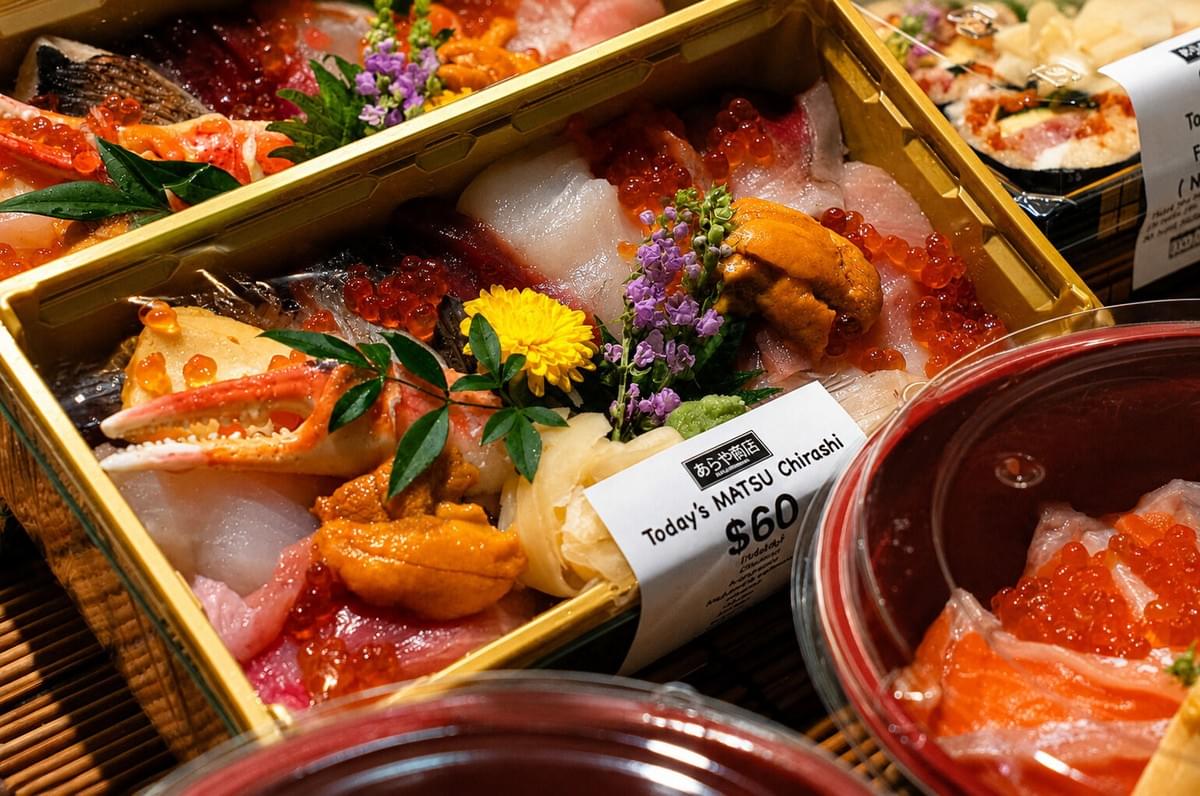
Taste like this does not happen by accident. It comes from how the fish is handled, often in the first minutes after it leaves the water.
Two traditional Japanese techniques matter here.
The first is shinkei jime. A thin spike is inserted along the fish's spinal cord soon after the catch, calming the nervous system. This slows the decline in quality and keeps the flesh firmer and cleaner for longer.
The second is careful blood removal, sometimes called sumotoshiki. Draining the blood promptly keeps the flesh from turning muddy or fishy, preserving a clearer, purer taste.
Neither technique is showy. Both are small, precise decisions made early, and both shape the texture and flavor you meet in the bowl. This is the knowledge Araya-san grew up around, the reason a fishmonger's hands matter as much as a chef's.
More Than a Meal: Preserving Seafood Culture
There is a quieter concern behind all of this.
Traditional fishing communities in Japan are shrinking. Younger generations move away. The old knowledge, held in the bodies of fishermen who have worked the same waters for decades, grows harder to pass on.
Araya-san sees his work as tied to theirs. To preserve the fishermen is to preserve Japanese fish culture. When you choose seafood handled with this kind of care, you are, in a small way, supporting the people and places that made it possible.
A chirashi bowl, then, becomes a thread. It connects a diner in Singapore to a port they may never visit, to hands they will never shake. That connection is easy to miss. It is worth noticing.
Who Should Try Araya Shouten's Chirashi Don?
This bowl speaks most clearly to certain diners.
Sushi lovers who care about ingredient quality will find plenty to sit with. So will those curious about Japanese seafood culture and how it reaches the table. And for anyone meeting a chirashi bowl for the first time, it is a gentle, generous introduction.
One thing helps. Come open to variety, and open to the season. What you taste depends on what the ocean gave that week, and that is part of the experience, not a flaw in it.
Final Thoughts: A Bowl That Connects Two Shores
Food travels differently when you understand where it comes from.
A chirashi don is not only what sits inside the bowl. It is the fishermen, the waters, the techniques, and the small decisions that brought those ingredients together in one place. At Araya Shouten, those choices are visible if you look, folded into every slice of fish and every grain of sushi rice.
We came for a bowl. We left thinking about the distance it had traveled, and the people who made that distance mean something.
For more stories like this one, keep exploring Taste the World with Our Food Rhythms.
