

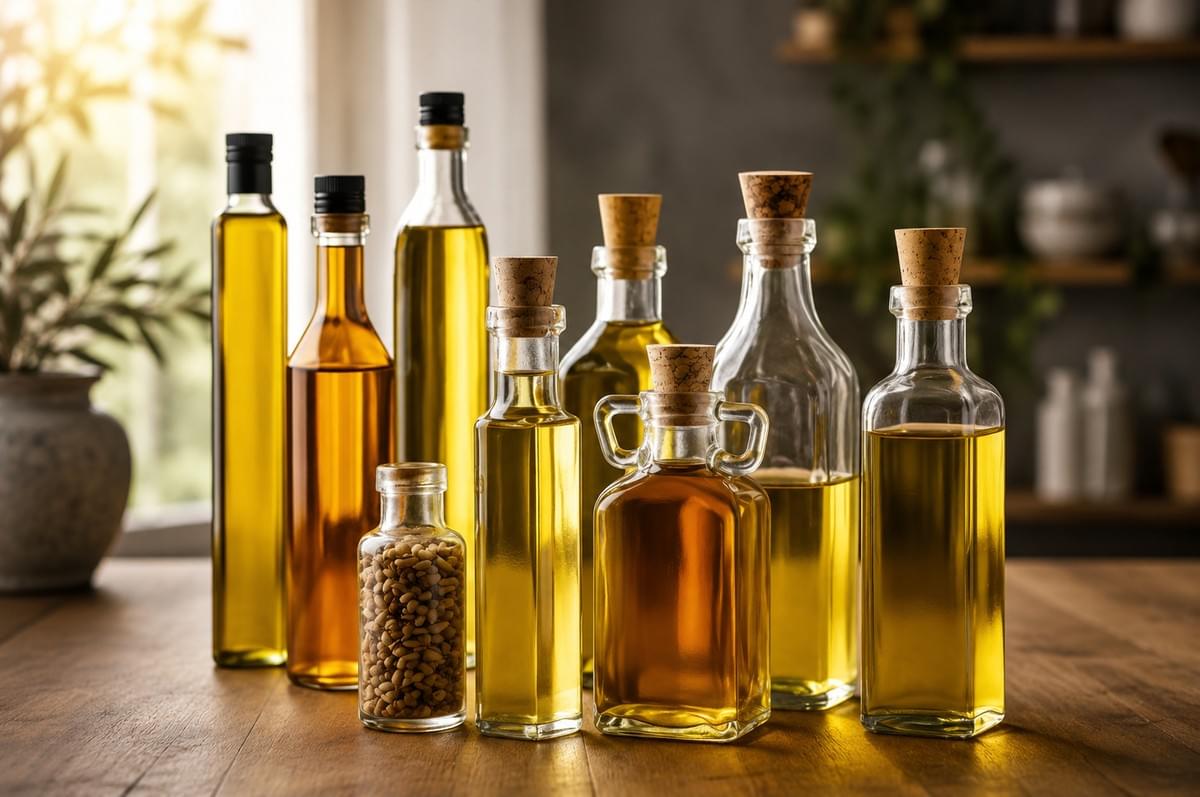
The first oil I ever ruined was a beautiful bottle of extra-virgin olive oil. I was maybe nineteen, learning my way around a pastry kitchen, and I poured it into a screaming-hot pan for something that needed high heat. It smoked. It turned bitter. And an older cook beside me said, gently, "That oil wanted a different job."
I never forgot it.
Oil is one of the quietest decisions in cooking, and one of the most important. It carries flavor, controls texture, and decides whether your food browns beautifully or turns acrid. Choose well, and the oil disappears into the dish. Choose poorly, and it announces itself in all the wrong ways.
This guide will help you match the right oil to the right task. We will walk through smoke points, flavor, and fat types, then move method by method and oil by oil. By the end, you will have a simple framework you can trust without thinking too hard.
A Simple Way to Decide
Before we get technical, here is the mindset I use. When I reach for an oil, I ask four quick questions.
- How hot? High-heat searing needs a different oil than a gentle salad dressing.
- What flavor do I want? Neutral and invisible, or bold and present?
- What method am I using? Frying, roasting, baking, or finishing each favor different fats.
- Any dietary needs? Dairy-free, plant-based, or a particular fat preference can narrow the field.
Answer those, and the choice usually makes itself. Everything below simply fills in the details.
The Key Concepts Worth Knowing
Smoke point
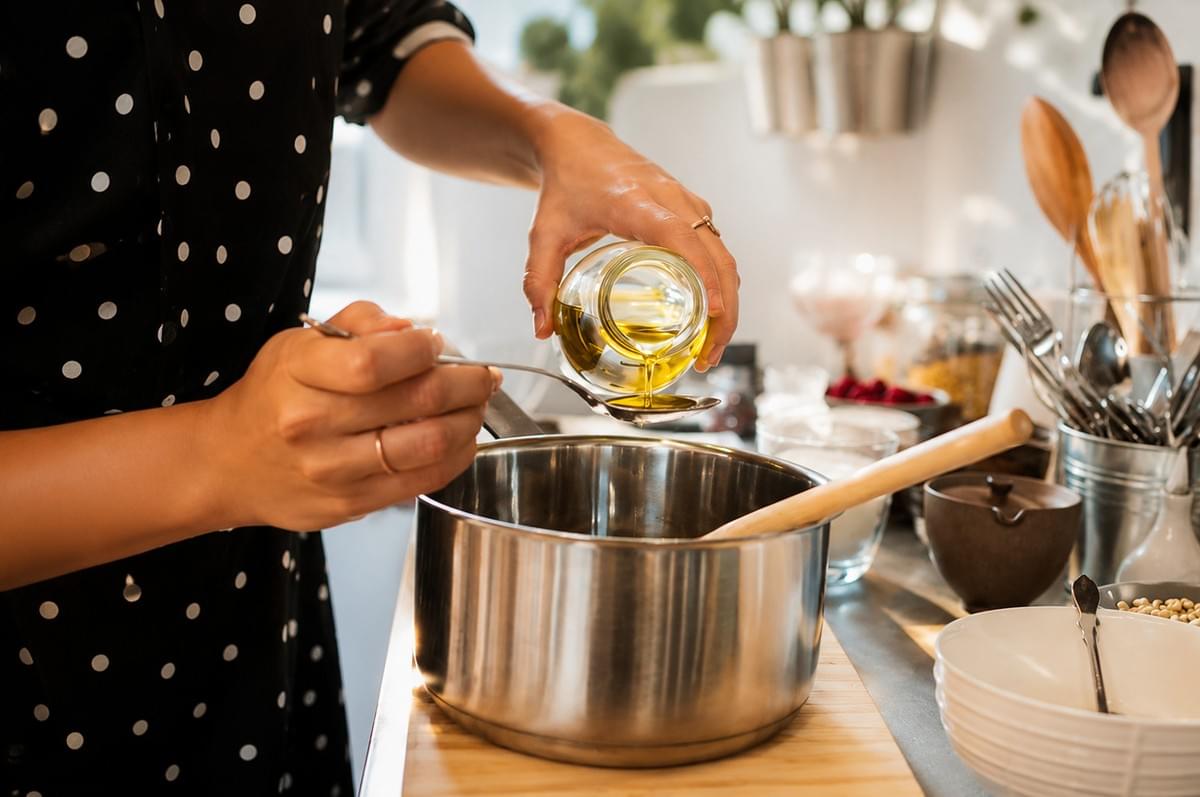
The smoke point is the temperature at which an oil begins to smoke and break down. Past that point, the oil develops harsh flavors and loses its good qualities. For high-heat cooking, you want an oil with a high smoke point. For low, slow, or no-heat uses, smoke point matters far less.
Here is the part many people miss. Refined oils have higher smoke points than unrefined ones. Refining strips out the tiny particles and compounds that burn easily. So refined avocado oil handles more heat than unrefined, and light olive oil takes more heat than extra-virgin. Same fruit, different job.
Flavor intensity
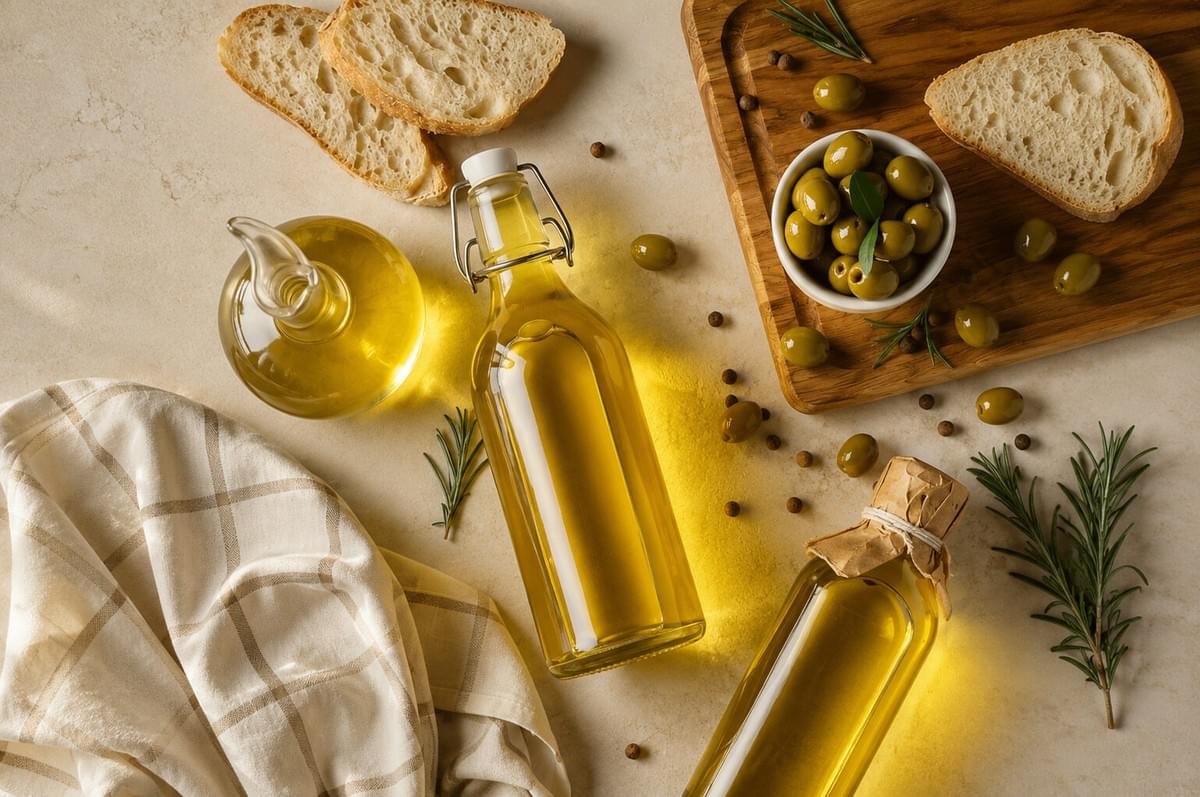
Some oils are neutral. They stay quiet and let the food speak. Canola, vegetable blends, and grapeseed fall here. Others are bold and carry their own character, like extra-virgin olive oil or toasted sesame oil. Match the flavor to the dish. A delicate cake does not want a grassy olive oil singing over the top.
Saturated versus unsaturated fats
In plain terms, saturated fats (found in coconut oil and butter) tend to be solid or semi-solid at room temperature and are more stable when heated. Unsaturated fats (most plant oils) are liquid and generally considered heart-friendlier, though they can be a little less stable. You do not need to memorize chemistry. Just know that stability and heat tolerance are linked.
Oxidation and reuse
Oil breaks down with heat, light, and air, a process called oxidation. This matters most with frying, where you may be tempted to reuse oil. You can reuse frying oil a few times if you strain it and store it well, but each round degrades it further. When it smells off, darkens, or foams, let it go.
Storage and rancidity
Oil has three enemies: light, heat, and time. Store bottles in a cool, dark cupboard, not beside the stove where it looks convenient. Keep lids tight. Buy delicate oils (like walnut or unrefined nut oils) in smaller amounts and use them within a few months. Rancid oil has a stale, crayon-like smell. Trust your nose.
Best Oils by Cooking Method
Searing and high-heat stir-frying
You need a high smoke point and a fairly neutral flavor. Reach for refined avocado oil, peanut oil, or grapeseed oil. These take the heat without smoking, so you get a deep sear rather than a bitter one.
Roasting and oven cooking
Most roasting happens between 375 and 425°F, which is forgiving. Regular olive oil, avocado oil, or canola all work well. I lean on olive oil here for the gentle flavor it lends to vegetables.
Sautéing and pan-frying
Medium heat gives you room to choose. Light olive oil, canola, or avocado oil are steady, everyday options. If you want a little richness, a mix of oil and butter is lovely (the oil raises the butter's tolerance to heat).
Deep-frying
You want a neutral oil with a high smoke point and good stability. Peanut oil, canola, or refined vegetable blends are the classics. Peanut oil in particular is prized for frying because it stays clean-tasting and holds up over batches.
Baking and pastries
This one is close to my heart. For cakes, muffins, and quick breads, use a neutral oil like canola or light vegetable oil so it does not compete with vanilla, chocolate, or fruit. For laminated doughs and flaky pastry, butter is the soul of the thing, both for flavor and for the way it creates layers. Coconut oil can work in certain vegan bakes, but remember it firms up when cold.
Dressings, dips, and finishing oils
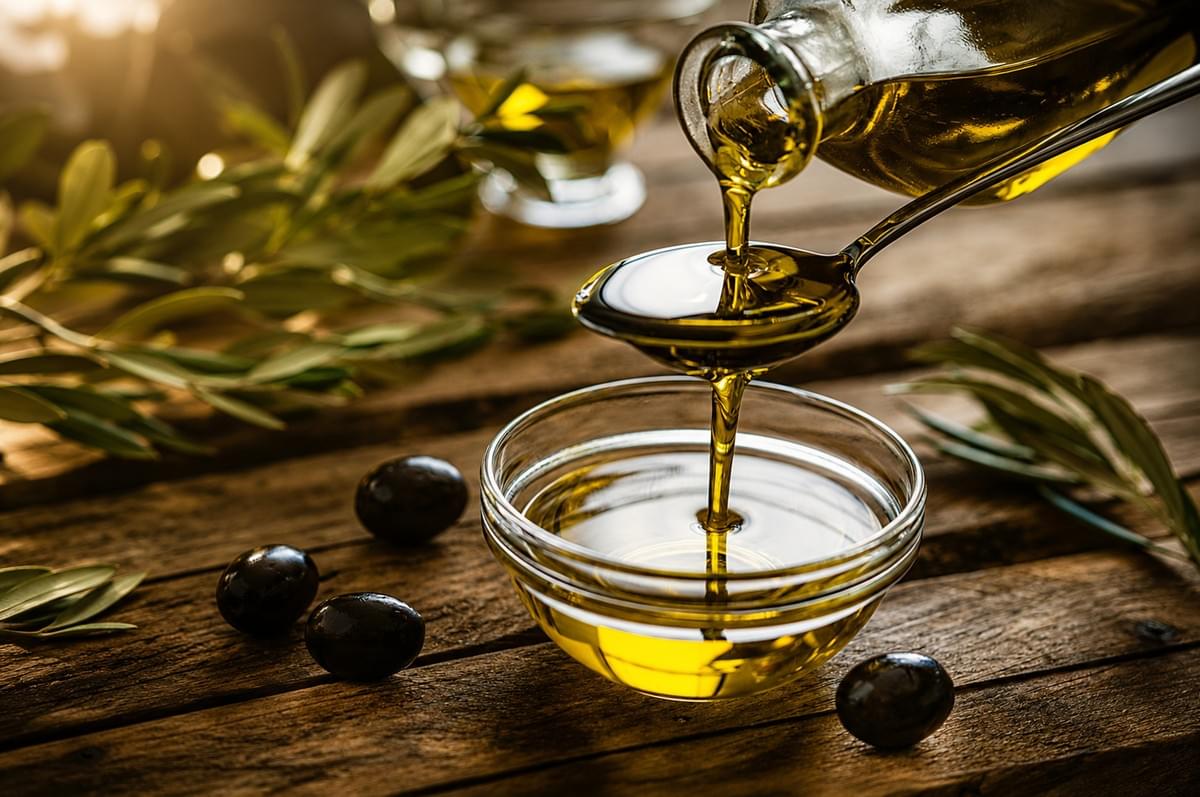
No heat means flavor is everything. This is the moment for your good extra-virgin olive oil, or a nutty toasted sesame oil used in small doses. Save the delicate, expensive bottles for here, where their character actually shows.
Grilling and marinades
High, direct heat calls for a higher smoke point oil like avocado or canola brushed on food or grates. In marinades, oil carries flavor and helps prevent sticking, so a neutral base with plenty of seasoning does the job.
The Oil-by-Oil Guide
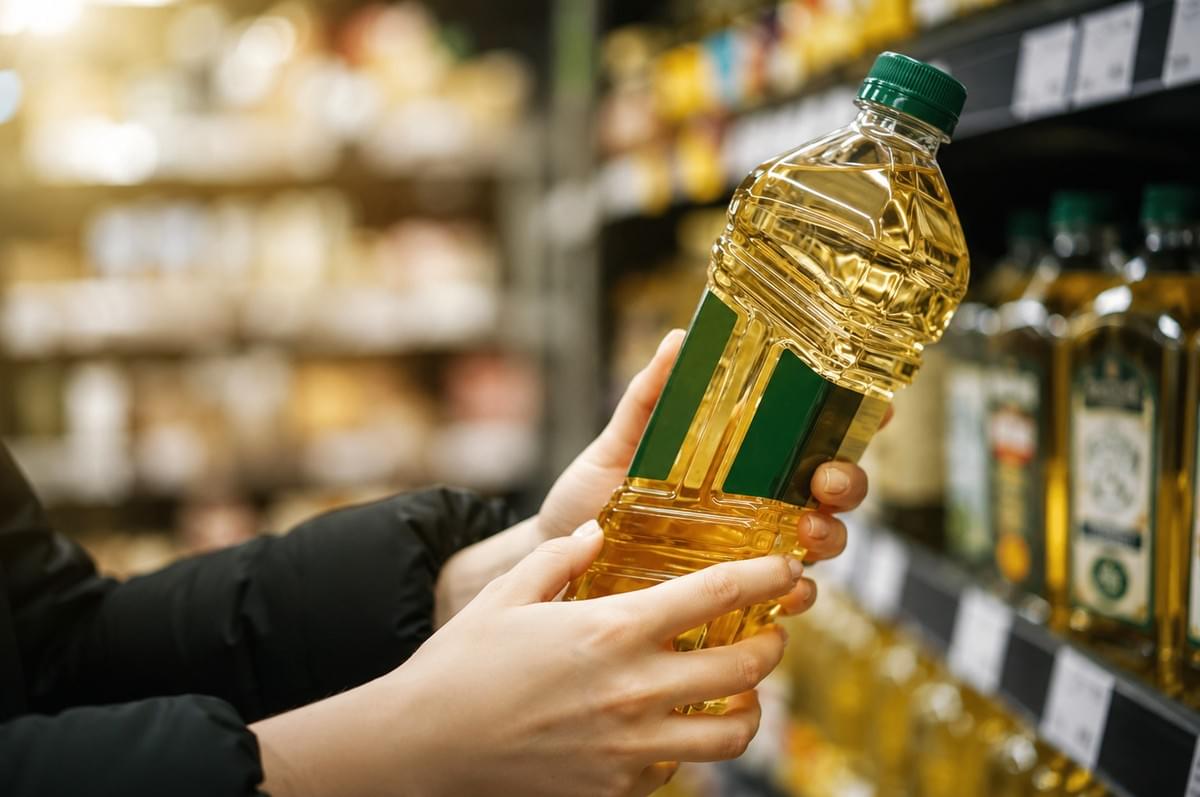
Extra-virgin olive oil (EVOO)
Flavor: fruity, sometimes peppery. Best uses: dressings, finishing, low to medium heat. Heat tolerance: moderate. Caution: do not waste the good stuff in a ripping-hot pan.
Light or refined olive oil
Flavor: mild, nearly neutral. Best uses: sautéing, roasting, gentle frying. Heat tolerance: higher than EVOO. Caution: "light" refers to flavor, not calories.
Avocado oil
Flavor: clean, buttery when unrefined. Best uses: searing, grilling, roasting, frying (refined). Heat tolerance: high. Caution: check the label for refined versus unrefined.
Canola oil
Flavor: neutral. Best uses: baking, frying, all-purpose cooking. Heat tolerance: high. Caution: a true workhorse, just keep it fresh.
Vegetable oil blend
Flavor: neutral. Best uses: frying, baking, everyday cooking. Heat tolerance: high. Caution: blends vary, so smoke points differ by brand.
Peanut oil
Flavor: mild, faintly nutty. Best uses: deep-frying, stir-frying. Heat tolerance: high. Caution: an allergen, so note it when cooking for others.
Grapeseed oil
Flavor: clean, light. Best uses: sautéing, high-heat cooking, dressings. Heat tolerance: high. Caution: can go rancid quickly, so store carefully.
Sunflower or safflower oil
Flavor: neutral. Best uses: frying, sautéing, baking. Heat tolerance: high (refined). Caution: unrefined versions have lower smoke points.
Coconut oil
Flavor: distinct, coconut-forward (virgin) or neutral (refined). Best uses: certain bakes, medium-heat cooking. Heat tolerance: medium to high. Caution: solid at room temperature, and the flavor carries.
Sesame oil (toasted vs regular)
Regular sesame oil is light and takes moderate heat. Toasted sesame oil is dark, intense, and meant as a finishing oil, not a cooking oil. Best uses: a few drops at the end of a stir-fry, or in dressings. Caution: never fry in toasted sesame, it will scorch and turn bitter.
Butter vs ghee (cooking fats)
Butter brings unmatched flavor but burns easily because of its milk solids. Ghee is butter with those solids removed, so it has a much higher smoke point and a nutty depth. Use butter for finishing, gentle cooking, and pastry. Use ghee when you want that buttery flavor at higher heat.
Common Mistakes to Avoid
- Frying with toasted sesame oil. It is a finishing oil. High heat destroys it.
- Overheating extra-virgin olive oil, again and again. For repeated high-heat work, choose a refined oil and save EVOO for finishing.
- Storing oil next to the stove. Heat and light shorten its life. Move it to a cool, dark cupboard.
- Assuming expensive means best for the job. A pricey artisanal oil poured into a deep fryer is money burned, literally.
- Reusing frying oil too many times. Strain it, watch for off smells and dark color, and know when to stop.
- Ignoring the label. Refined and unrefined versions of the same oil behave very differently under heat.
A Checklist to Remember
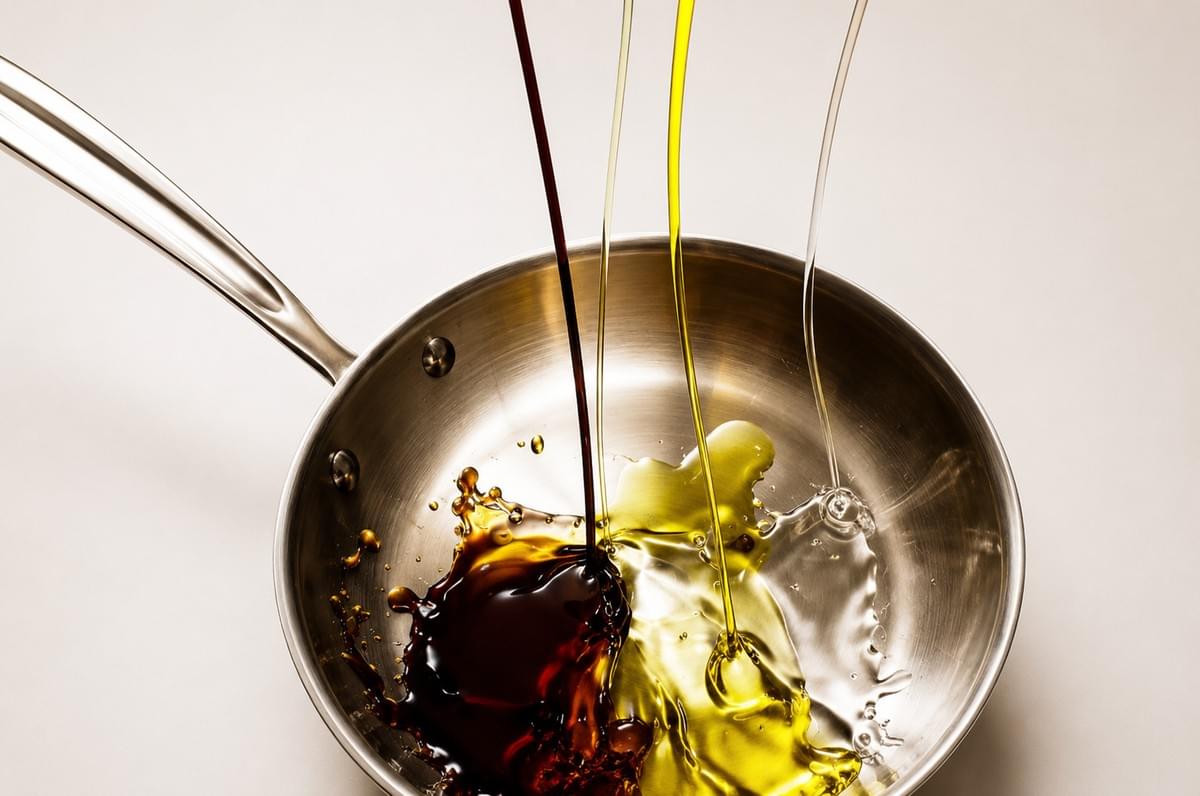
When you are standing in front of the shelf, or the stove, run through this.
- Match heat to smoke point. High heat wants a refined, high-smoke-point oil.
- Decide flavor first. Neutral to stay quiet, bold to be tasted.
- Let method guide you. Frying, baking, and finishing each have a natural fit.
- Save the good bottles for no heat. EVOO and toasted sesame belong at the finish.
- Store it right. Cool, dark, sealed, and used before it turns.
- Trust your senses. If oil smokes too soon or smells stale, listen to it.
Every oil, like that bottle I ruined years ago, wants a certain job. Give it the right one, and it will quietly make your cooking better. The more you match oil to task, the less you will think about it, and the more your food will simply taste the way you meant it to.
For more foundational kitchen guidance, come cook alongside us at ourfoodrhythms.com.
