

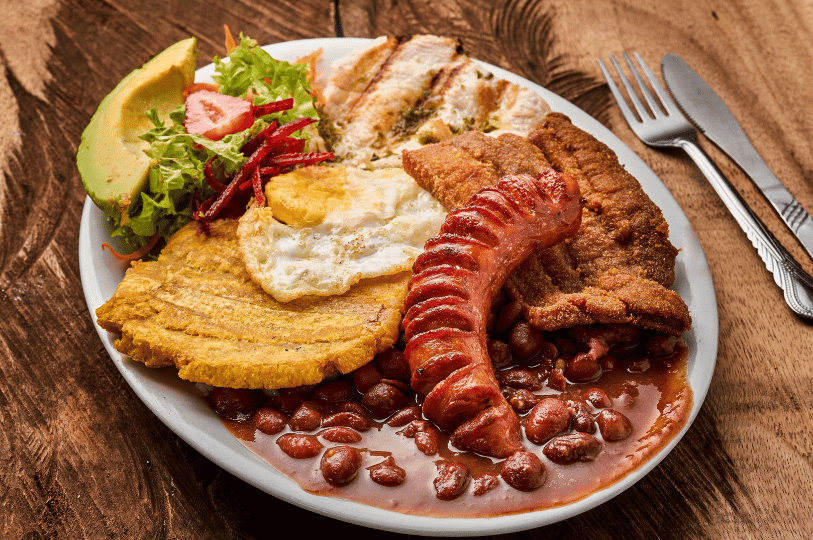
If you have ever looked at a dinner plate and thought, "This just isn't quite enough food," then allow us to introduce you to the heavyweight champion of Colombian cuisine. We are talking about the Bandeja Paisa.
This is not just a meal. It is an event. It is a challenge. It is a glorious, mountain-sized celebration of abundance that makes other mixed platters look like light snacks. "Bandeja" translates to "platter," and "Paisa" refers to the people from the Antioquia region of Colombia. So, quite literally, this is the Platter of the Paisa People.
Imagine a single dish that combines savory red beans, white rice, ground meat, chorizo, fried pork belly, a fried egg, sweet plantains, an arepa, and a slice of avocado. Yes, you read that correctly. All of that goes on one plate. Or, more accurately, it goes on a platter because a standard dinner plate simply cannot handle the structural integrity of this feast.
Making a Bandeja Paisa at home is a labor of love. It involves juggling a few different pots and pans, but the result is spectacular. It is the ultimate comfort food for a lazy Sunday when you have nowhere to be and plenty of appetite to spare. Let's dive into the rhythm of Colombian cooking and learn how to construct this edible masterpiece.
A Dish Born of Hard Work
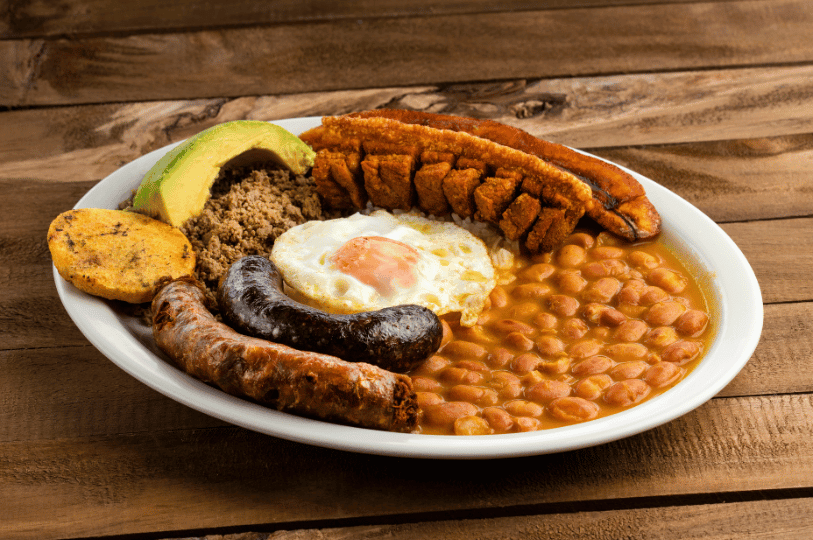
While the Bandeja Paisa looks like a feast fit for a king, its roots are humble and practical. It originated in the Andean departments of Colombia, specifically Antioquia, where coffee growers and farmers spent long days traversing steep mountains.
These workers needed a meal that would sustain them through hours of grueling physical labor. They needed protein, carbohydrates, and fats in generous quantities. The Bandeja Paisa was the answer. It was fuel. It was energy.
Over time, this peasant meal evolved into a cultural icon. It became a symbol of Paisa hospitality and generosity. Serving someone a Bandeja Paisa is a way of saying, "I want you to be full, happy, and well taken care of." Today, it is arguably Colombia's national dish, beloved by locals and tourists alike who want to experience the true heart of the country's culinary tradition.
The Anatomy of the Platter
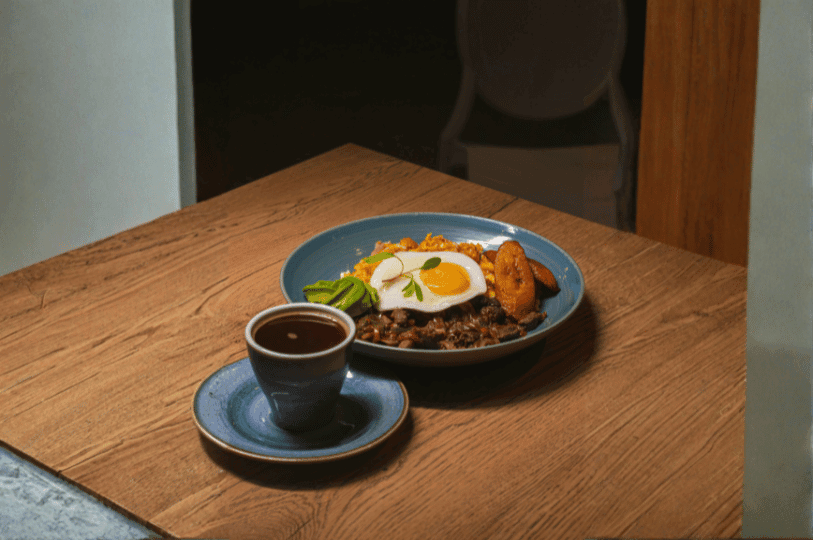
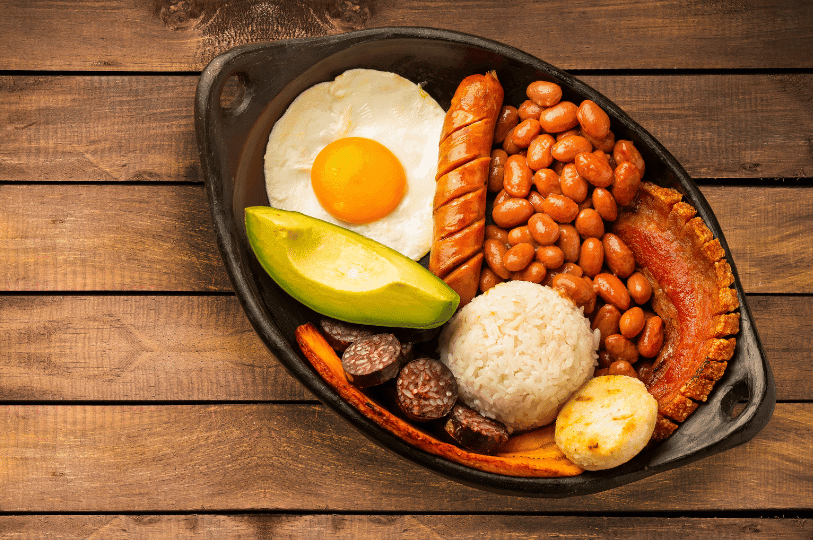
Before we start cooking, we need to understand the roster. A traditional Bandeja Paisa is a non-negotiable assembly of specific components. While you can tweak things here and there, the classic lineup includes nine essential players.
- Frijoles (Red Beans): These are the soul of the dish. They are usually cooked with pork hocks or bacon for a smoky, rich flavor.
- Arroz Blanco (White Rice): A simple, fluffy bed for the beans and meats.
- Carne Molida (Ground Meat): Traditionally, this is "carne en polvo" or powdered beef, which is steak that has been boiled, dried, and ground. For home cooks, a flavorful ground beef mixture is a delicious and accessible alternative.
- Chicharrón (Fried Pork Belly): Crispy skin, tender meat, and incredibly savory. This is often the favorite part of the platter.
- Chorizo: A flavorful Colombian sausage, usually grilled or fried.
- Huevo Frito (Fried Egg): Served sunny-side up so the yolk can run into the rice and beans.
- Tajadas (Fried Sweet Plantains): These add a crucial touch of sweetness to balance the savory, salty meats.
- Arepa: A small, round corn cake. In this dish, it is usually a simple white corn arepa, served plain as a bread alternative.
- Avocado: A slice of fresh avocado provides creamy coolness to cut through the richness.
Ingredients Checklist
Because there are so many components, we will break the ingredients list down by section. This serves about 4 very hungry people.
For the Beans:
- 2 cups dry red beans (Cargamanto or Kidney beans), soaked overnight
- 1 pork hock or 4 strips of thick-cut bacon, chopped
- 1 large carrot, grated
- 1 onion, finely chopped
- 2 cloves garlic, minced
- 1 teaspoon cumin
- Salt and pepper to taste
For the Meats:
- 1 lb ground beef (lean works best here)
- 1 onion, finely chopped
- 2 cloves garlic, minced
- 1 tomato, diced
- 1 teaspoon cumin
- 1 lb pork belly strips (for chicharrón)
- 1/2 teaspoon baking soda (optional, helps crisp the pork skin)
- 4 Colombian chorizos (or any mild, raw pork sausage)
For the Sides:
- 2 cups long-grain white rice
- 2 ripe plantains (the skin should be mostly black)
- Vegetable oil for frying
- 4 large eggs
- 4 small white corn arepas (store-bought or homemade with pre-cooked cornmeal)
- 2 ripe avocados, sliced
- Fresh cilantro for garnish
For the Hogao (The Sauce):
- 2 tomatoes, chopped
- 3 green onions, chopped
- 1 clove garlic, minced
- Salt and pepper
Step-by-Step Instructions
Cooking a Bandeja Paisa is all about timing. We will start with the things that take the longest and finish with the quick frying tasks.
Part 1: The Beans (Start This First!)
- Drain and Rinse: Take your soaked beans and rinse them well.
- The Pressure Cooker Method: Place the beans in a pressure cooker or Instant Pot. Add the chopped pork hock or bacon, the grated carrot, and enough water to cover the beans by about two inches. Cook on high pressure for about 30 to 40 minutes.
- The Stovetop Method: If you do not have a pressure cooker, place the ingredients in a large heavy pot. Cover with plenty of water. Bring to a boil, then reduce to a simmer. Cook for 1.5 to 2 hours until the beans are tender. You may need to add more water as they cook.
- Seasoning: Once the beans are soft, remove the pork hock (if used). In a separate pan, sauté the onion, garlic, and cumin in a little oil until soft. Stir this mixture into the pot of beans. Simmer for another 15 minutes to thicken the sauce. Season with salt and pepper.
Part 2: The Rice and Ground Beef
- Cook the Rice: Prepare the white rice according to your package instructions. You want it fluffy and separate, not sticky. Keep it warm.
- Make the Beef: In a skillet, heat a tablespoon of oil. Sauté the onion and garlic until fragrant. Add the ground beef and cook until browned, breaking it up into very small crumbles.
- Add Flavor: Stir in the diced tomato and cumin. Cook for another 5 to 10 minutes until the tomato breaks down and the mixture is mostly dry, not saucy. Season generously with salt.
Part 3: The Chicharrón and Chorizo
- Prep the Pork Belly: Cut the pork belly into long strips. Make small cuts along the meat side (but not through the skin) to help it cook evenly and curl up nicely. Rub the strips with salt and a little baking soda if you want extra crispy skin.
- Fry or Bake: You can deep fry these until golden and crispy, which takes about 15 minutes. Alternatively, for less mess, roast them in the oven at 400°F (200°C) for 30 to 40 minutes, flipping halfway through.
- Cook the Chorizo: In a frying pan with a little water, cook the chorizos until the water evaporates. Then, let them fry in their own fat until the skin is browned and crispy.
Part 4: The Hogao (Sauce)
- Sauté: In a small saucepan, sauté the chopped tomatoes and green onions with a little oil.
- Simmer: Let it cook down on low heat for 10 minutes until it forms a thick, savory sauce. Season with salt. This is usually spooned over the beans or the arepa.
Part 5: The Final Fry-Up (Just Before Serving)
- Plantains: Peel the ripe plantains and slice them diagonally into long ovals. Fry them in hot oil until they are deep golden brown and caramelized. Drain on paper towels.
- Arepas: Grill or pan-fry the arepas until they are warm and have a slightly crispy crust.
- Eggs: In a non-stick pan, fry the eggs sunny-side up. You want the whites set but the yolks still runny.
How to Assemble the Ultimate Platter
Now comes the fun part. You need your biggest plates or serving platters.
Imagine the plate is a clock face.
- Center: Place a generous mound of white rice in the middle.
- Top: Ladle the beans over the rice or place them in a small bowl on the side if you prefer to keep them separate.
- Sides: Arrange the ground beef, chorizo, and chicharrón around the rice.
- Garnish: Lay the fried plantain slices and the arepa on the edges. Place the avocado slice freshly cut so it stays green.
- The Crown: Carefully slide the fried egg right on top of the rice.
- Finish: Spoon a little hogao sauce over the beans or serve it on the side. Sprinkle with fresh cilantro if you like.
Tips for Success and Variations

Managing this many components can be tricky for a beginner. Here are some tips to keep your rhythm in the kitchen steady.
Shortcuts are Okay
If soaking and cooking dried beans feels like too much work, you can absolutely use canned red kidney beans. Drain and rinse them, then simmer them with the sautéed onion, garlic, carrot, and bacon to infuse flavor. It saves hours of time and still tastes delicious.
The "Carne en Polvo" Hack
Traditional powdered beef is very dry and fine. To mimic this texture with ground beef, use a potato masher while cooking the beef in the pan. Mash it repeatedly as it browns to get that super-fine, crumbly texture that is characteristic of the dish.
Oven Management
Use your oven to keep things warm! Set it to the lowest temperature (usually around 170°F or 75°C). As you finish cooking the meats, rice, and plantains, place them on baking sheets in the warm oven. This ensures that everything is hot when you are ready to assemble the platters.
Vegetarian Options
Believe it or not, you can make a vegetarian Bandeja Paisa. Swap the beef and pork for a plant-based ground meat alternative. Use soy chorizo. Skip the chicharrón or use fried cheese instead. The beans, rice, plantain, egg, arepa, and avocado are already meat-free and provide plenty of substance.
Serving Suggestions
A meal this size requires the right beverage pairing.
Refajo: This is the traditional Colombian drink to accompany a heavy meal. It is a cocktail made by mixing beer (usually a lager) with Colombiana soda, which is a champagne cola. If you cannot find Colombiana soda, you can mix beer with a cream soda or just a splash of sprite. It is refreshing and helps cut through the heaviness of the meat.
Panela Water: For a non-alcoholic option, Agua de Panela is perfect. It is made by dissolving panela (unrefined cane sugar blocks) in water and adding lime juice. It is served cold and is incredibly refreshing.
Hot Sauce: Colombians are not huge on spicy food, but a simple aji (hot sauce) made with vinegar, chili, cilantro, and onion is often served on the side for those who want a kick.
Take the Challenge
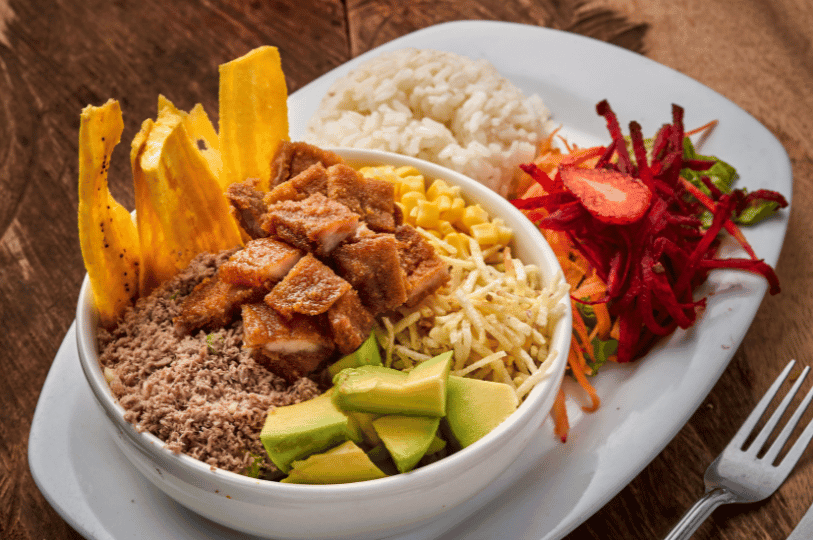
The Bandeja Paisa is not just food. It is an experience that brings people together. It is about sharing stories while you try to conquer the mountain of food on your plate. It is about the contrast of textures; the crunch of the pork belly against the soft avocado, the sweet plantain mixing with the salty rice.
Do not be intimidated by the long ingredient list. Invite some friends or family over, put on some music, and turn the cooking process into a party. Assign someone to watch the plantains, someone else to fry the eggs, and enjoy the chaos of a busy, happy kitchen.
Once you sit down and take that first bite, combining a bit of bean, a bit of rice, and a piece of crispy chicharrón, you will understand why this is the ultimate platter. It is Colombian hospitality on a plate, and it is waiting for you to try it.
