


If you could bottle the feeling of a warm, comforting hug, it would probably taste a lot like Dal Bhat. In Nepal, this dish is more than just a meal. It is a way of life. It is the fuel that powers trekkers up Himalayan peaks and the humble, nourishing dinner that families gather around every single day. The saying "Dal Bhat power, 24 hour" is a popular refrain for a reason. This simple combination of lentil soup and rice is deeply satisfying, incredibly nutritious, and profoundly comforting.
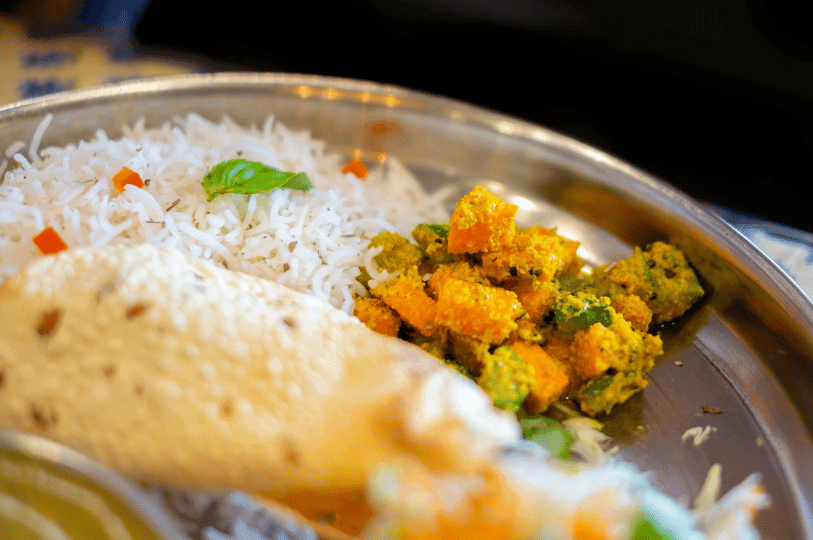
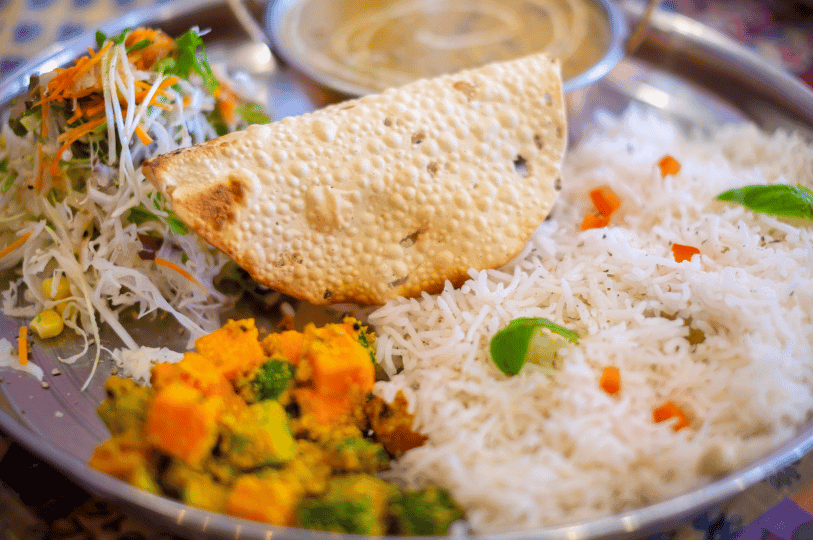
At its core, Dal Bhat is the definition of simple, beautiful food. It consists of two main components: dal, a fragrant, spiced lentil soup, and bhat, which simply means steamed rice. But it is often served as a thali, a platter featuring small portions of other dishes like a vegetable curry (tarkari), a tangy pickle (achar), and maybe some greens (saag).
What I love most about Dal Bhat is that it is the ultimate budget-friendly meal. It relies on pantry staples like lentils and rice, and you can use whatever seasonal vegetables are fresh and affordable at your local market. It is proof that you do not need expensive ingredients to create a meal that is bursting with flavor and rich in tradition.
So, let's get into the rhythm of the Nepali kitchen. We are going to make a soul-soothing dal that will fill your home with the most incredible aromas. It is the perfect recipe for a chilly evening or any time you need a little extra comfort in your life.
What is Dal Bhat?
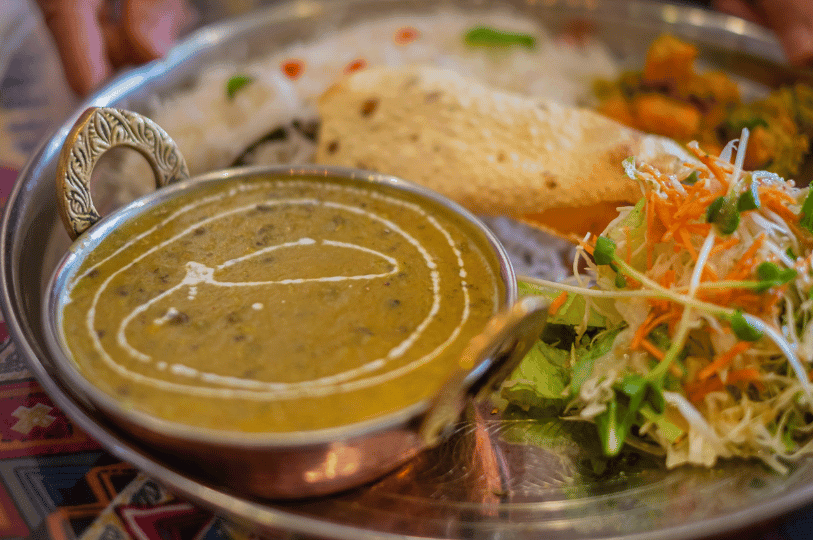
As we mentioned, Dal Bhat is the quintessential Nepali meal. It is eaten at least once, if not twice, a day by people all across the country. The components can vary slightly from region to region and household to household, but the heart of the dish always remains the same: a comforting bowl of lentil soup served with a mountain of fluffy rice.
The dal itself is what makes the dish so special. It is not just boiled lentils. It is a symphony of spices, gently bloomed in hot oil or ghee to unlock their full potential. This technique, known as tarka or chaunka, is where the magic happens. Aromatic spices like cumin, coriander, and turmeric are sizzled with garlic and ginger, then poured over the cooked lentils at the very end. The sound of that sizzle is the sound of flavor being born.
This dish is a powerhouse of nutrition. The combination of lentils and rice creates a complete protein, providing all the essential amino acids your body needs. It is naturally vegetarian (and easily made vegan), packed with fiber, and wonderfully gentle on the stomach. It is the kind of food that makes you feel good from the inside out.
Ingredients You Will Need
This recipe is incredibly flexible, but here are the core components to get you started. We are focusing on the dal, which is the heart of the meal.
Prep time: 15 minutes
Cook time: 40-50 minutes
Servings: 4-6
For the Dal (Lentil Soup):
- Lentils: 1 cup of red lentils (masoor dal) or yellow lentils (moong dal). These cook quickly and break down into a creamy consistency. You can also use a mix.
- Water: 4-5 cups of water or vegetable broth.
- Onion: 1 medium onion, finely chopped.
- Tomatoes: 2 ripe tomatoes, finely chopped. Using fresh, local tomatoes when they are in season makes a huge difference.
- Ginger and Garlic: 1 tablespoon of freshly grated ginger and 2-3 cloves of garlic, minced. This aromatic duo is non-negotiable!
- Turmeric Powder: 1 teaspoon. This gives the dal its beautiful golden color and earthy flavor.
- Salt: To taste.
For the Tarka (The Flavor Bomb):
- Ghee or Oil: 2 tablespoons of ghee (clarified butter) or a neutral oil like vegetable or sunflower oil. Ghee adds a nutty richness that is incredible, but oil works perfectly for a vegan version.
- Cumin Seeds: 1 teaspoon.
- Coriander Powder: 1 teaspoon.
- Asafoetida (Hing): A small pinch (optional, but authentic). It has a unique savory, onion-like flavor.
- Dried Red Chilies: 1-2 whole dried red chilies (optional, for a little heat).
- Fresh Cilantro: A generous handful, chopped, for garnish.
For Serving (The Bhat and Friends):
- Rice: Steamed basmati or jasmine rice.
- Side Vegetables: A simple stir-fry of seasonal greens like spinach or kale (saag), or a mixed vegetable curry (tarkari).
- Pickle: A spoonful of your favorite pickle or chutney (achar).
Step-by-Step Instructions
Let's make some delicious dal. The process is simple and very rhythmic.
Part 1: Cooking the Lentils
- Rinse the lentils: Place your lentils in a fine-mesh sieve and rinse them under cold water until the water runs clear. This removes any dust and excess starch.
- Boil the base: In a large pot or Dutch oven, combine the rinsed lentils, 4 cups of water, the chopped onion, grated ginger, minced garlic, and turmeric powder.
- Simmer away: Bring the mixture to a boil over high heat, then reduce the heat to low, cover the pot, and let it simmer. You want a gentle, steady simmer. Let it cook for about 20-25 minutes. Skim off any foam that rises to the surface during the first few minutes of cooking.
- Add the tomatoes: After 20-25 minutes, the lentils should be getting soft. Stir in the chopped tomatoes and continue to simmer for another 10-15 minutes. By now, the lentils should be very tender and starting to break down, creating a thick, soupy consistency.
- Mash it up: Use the back of your spoon or a whisk to gently mash some of the lentils against the side of the pot. You are not looking for a perfectly smooth puree, just a creamier texture. If the dal seems too thick, add another cup of water. Season with salt to taste. Keep the dal on very low heat while you prepare the tarka.
Part 2: The Magical Tarka
This is the final, crucial step that brings all the flavor to the party. Do not skip it!
- Heat the ghee or oil: In a small frying pan, heat the ghee or oil over medium heat.
- Sizzle the spices: To test if the oil is hot enough, drop in one cumin seed. If it sizzles immediately, you are ready. Add the cumin seeds and the whole dried red chilies (if using). Let them sizzle for about 30 seconds until they become fragrant and the cumin seeds turn a shade darker.
- Add the powders: If you are using asafoetida, add the pinch now, followed by the coriander powder. Swirl the pan and cook for just another 10 seconds. Be careful not to burn the powdered spices.
- The Grand Finale: Immediately and carefully pour the hot, sizzling tarka mixture into the pot of cooked lentils. It will sputter and sizzle gloriously! This is the sound of flavor infusion.
- Garnish and serve: Stir the tarka into the dal. Garnish with a generous handful of fresh, chopped cilantro.
How to Serve Your Dal Bhat

Serving Dal Bhat is all about abundance and variety. The traditional way to serve it is on a large metal plate called a thali.
Start by spooning a large mound of fluffy steamed rice onto one side of the plate. Ladle a generous amount of the hot dal into a small bowl and place it next to the rice. You can also pour the dal directly over the rice if you prefer.
Then, add your side dishes. A small portion of sautéed greens (saag), a simple vegetable curry (tarkari), and a dollop of a spicy, tangy pickle (achar) create a wonderful balance of flavors, textures, and temperatures. It is a complete, satisfying meal all on one plate.
Tips and Variations for Your Kitchen
The beauty of Dal Bhat is its adaptability. Every household in Nepal has its own subtle variation. Here are some ways you can play with the recipe.
- Mix your lentils: Feel free to use a combination of lentils. Yellow split peas (toor dal) or a mix of five lentils known as panchratna dal can add different textures and flavors.
- Make it creamier: For an even richer dal, you can add a splash of coconut milk at the end of cooking.
- Add more veggies: You can add chopped carrots, spinach, or zucchini directly to the dal during the last 15 minutes of simmering to make it a one-pot meal.
- Spice it up: If you like more heat, add a finely chopped green chili along with the ginger and garlic at the beginning. You can also add a pinch of garam masala to your tarka for a warmer spice profile.
- Lemon is your friend: A fresh squeeze of lemon or lime juice right before serving can brighten up all the flavors beautifully.
The Rhythm of Simple, Good Food

In a world that often feels complicated, there is something profoundly grounding about making a pot of Dal Bhat. It is a slow, gentle process that encourages you to connect with your ingredients. It is a reminder that you can create something incredibly delicious and nourishing from the simplest things.
This dish celebrates the rhythm of the everyday. It is not fancy. It is not complex. But it is honest, hearty, and full of soul. It is the perfect meal to share with family and friends, a dish that warms you from the inside out and leaves you feeling completely content.
So give it a try. Let the fragrant steam of the dal fill your kitchen, and find your own rhythm in the simple act of making and sharing good food.
