

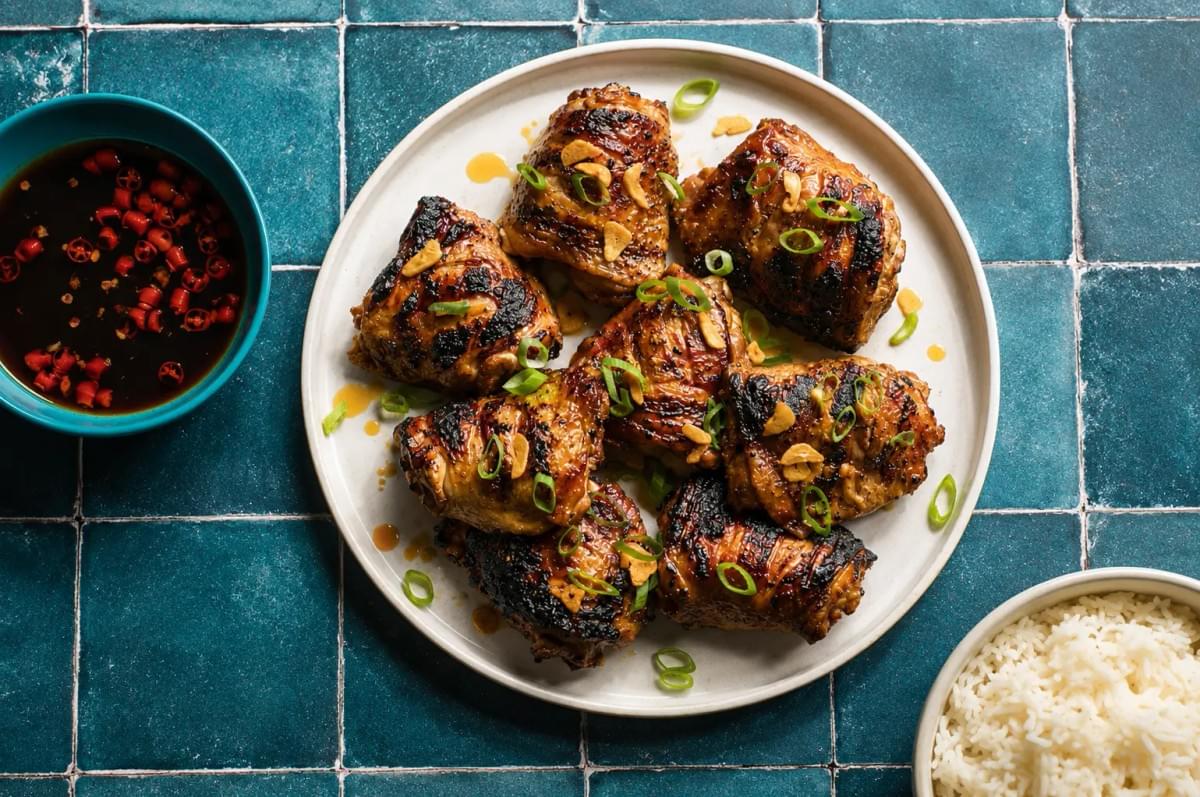
The first thing you notice is the color. That deep, glowing orange, almost sunset-toned, painted onto the skin as it hisses over the coals.
Then the smell hits. Garlic, char, and something sour and bright cutting through the smoke. Your stomach answers before your brain does.
That is Chicken Inasal, and once you taste it, you understand why people line up for it in the Philippines. Smoky. Tangy. Garlicky. Juicy right down to the bone, with a little sweetness where the basting sauce caught the fire.
The good news is you do not need to fly anywhere to have it. You can make this at home, in your backyard or even on the stovetop, and it comes out honest and delicious every time. Let me show you how.
What Is Chicken Inasal?
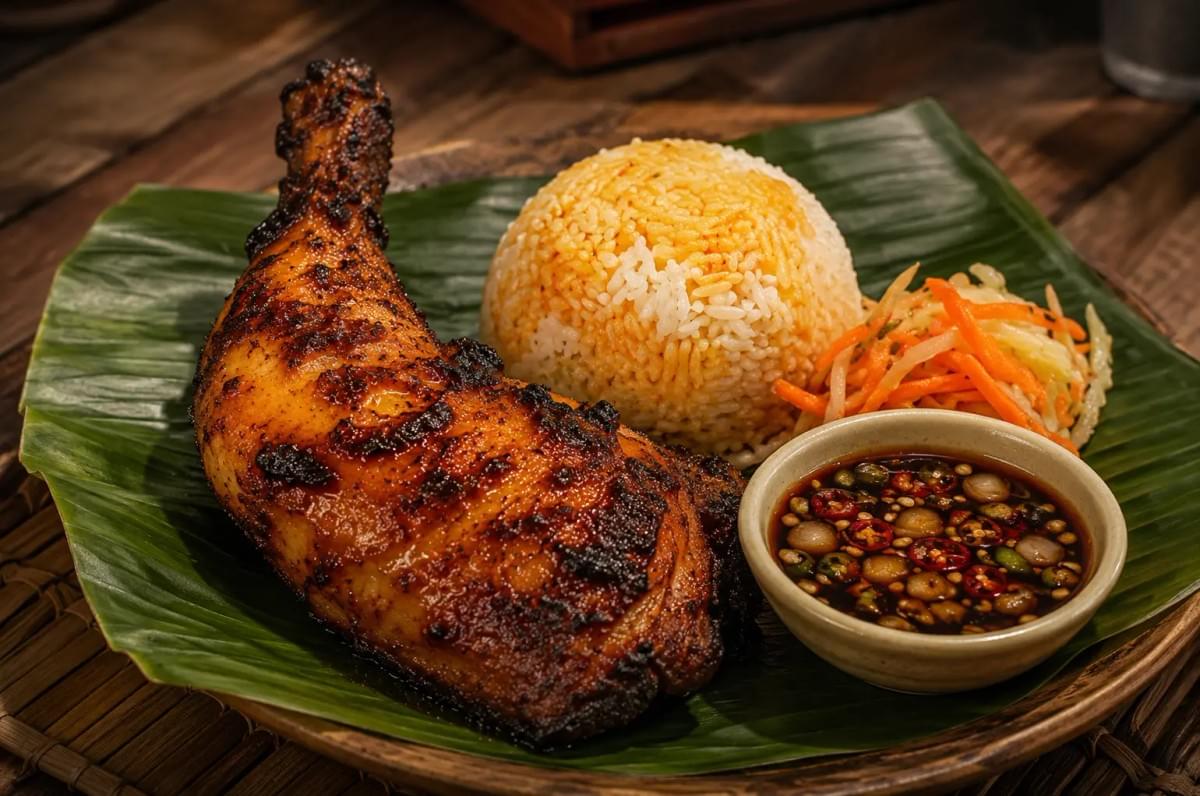
Chicken Inasal is a Filipino grilled chicken, most closely tied to the city of Bacolod on the island of Negros. Ask anyone from there and you will likely get a story: a favorite stall, a family recipe, a Sunday spent picking meat off the bone with rice and a dipping sauce close by.
What sets it apart is the marinade. It leans on calamansi, a small Filipino citrus that tastes like a cross between lime and orange, along with vinegar, garlic, ginger, and lemongrass. That mix soaks deep into the chicken and gives it a sour-savory backbone.
The signature color comes from annatto, also called atsuete, a seed that stains oil a warm orange-red. The chicken gets basted with annatto oil as it grills, which is where that beautiful glow comes from.
It is not fancy food. It is the kind of dish made to be eaten with your hands, over rice, with sauce dripping down your fingers. That is the whole point.
Why You Will Love This Version
- It is built around simple, findable ingredients (with easy swaps if you cannot find calamansi or annatto).
- The marinade does most of the work while you go about your day.
- It works on charcoal, gas, a grill pan, or in the oven, so you are covered no matter your setup.
- The flavor is bold and bright, but nothing about the cooking is complicated.
- Leftovers, if you have any, make an excellent next-day lunch.
Ingredients
For the Chicken
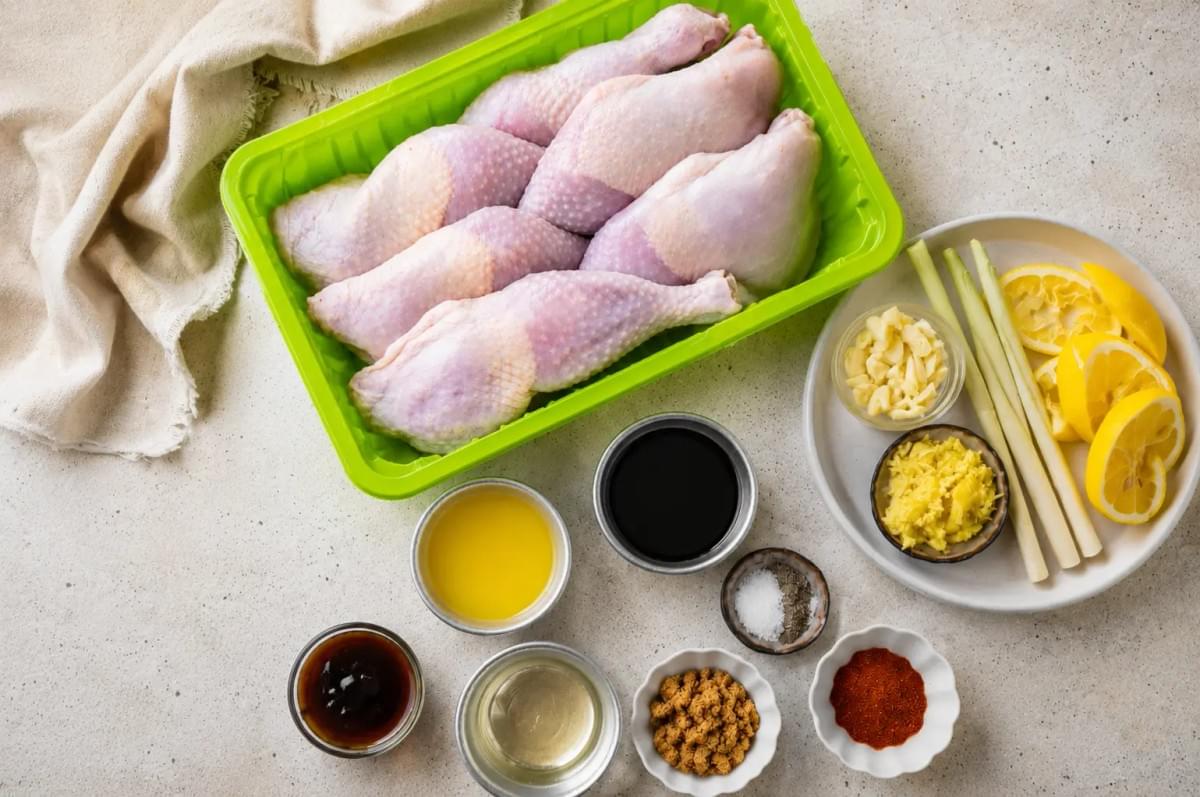
- 3 to 3.5 pounds (about 1.5 kg) chicken, cut into pieces (thighs and legs are ideal for juiciness)
Bone-in, skin-on pieces give you the best flavor and stay moist over the heat. Chicken thighs are the most forgiving cut here, so if you are new to grilling, start there.
For the Marinade
- 1/2 cup calamansi juice (or substitute: 1/3 cup lime juice plus 2 tablespoons orange juice)
- 1/2 cup cane vinegar (white or apple cider vinegar works too)
- 8 cloves garlic, minced
- 2 tablespoons ginger, grated
- 2 stalks lemongrass, bruised and finely chopped (use the pale bottom part)
- 1 tablespoon brown sugar
- 1 tablespoon salt
- 1 teaspoon black pepper
The citrus and vinegar are the heart of the whole thing. They tenderize the meat and deliver that unmistakable tang.
For the Basting Sauce
- 1/4 cup neutral oil
- 2 tablespoons annatto (atsuete) seeds
No annatto? Warm the oil with 1 teaspoon each of paprika and turmeric instead. You will get a similar warm color and a mild, earthy note.
- 2 tablespoons of the marinade
- 1 tablespoon melted butter (optional, for richness)
For Serving
- Steamed rice (garlic rice is the classic move)
- Calamansi or lime wedges
- A dipping sauce of soy sauce, vinegar, chopped chili, and a squeeze of citrus
Equipment
- A charcoal or gas grill (charcoal gives the best smoky flavor)
- A grill pan or cast-iron skillet, if cooking indoors
- Or a baking sheet and oven, or an air fryer, as backups
- A basting brush
- A meat thermometer (worth it for perfectly cooked chicken)
- A large bowl or zip-top bag for marinating
How to Make Chicken Inasal
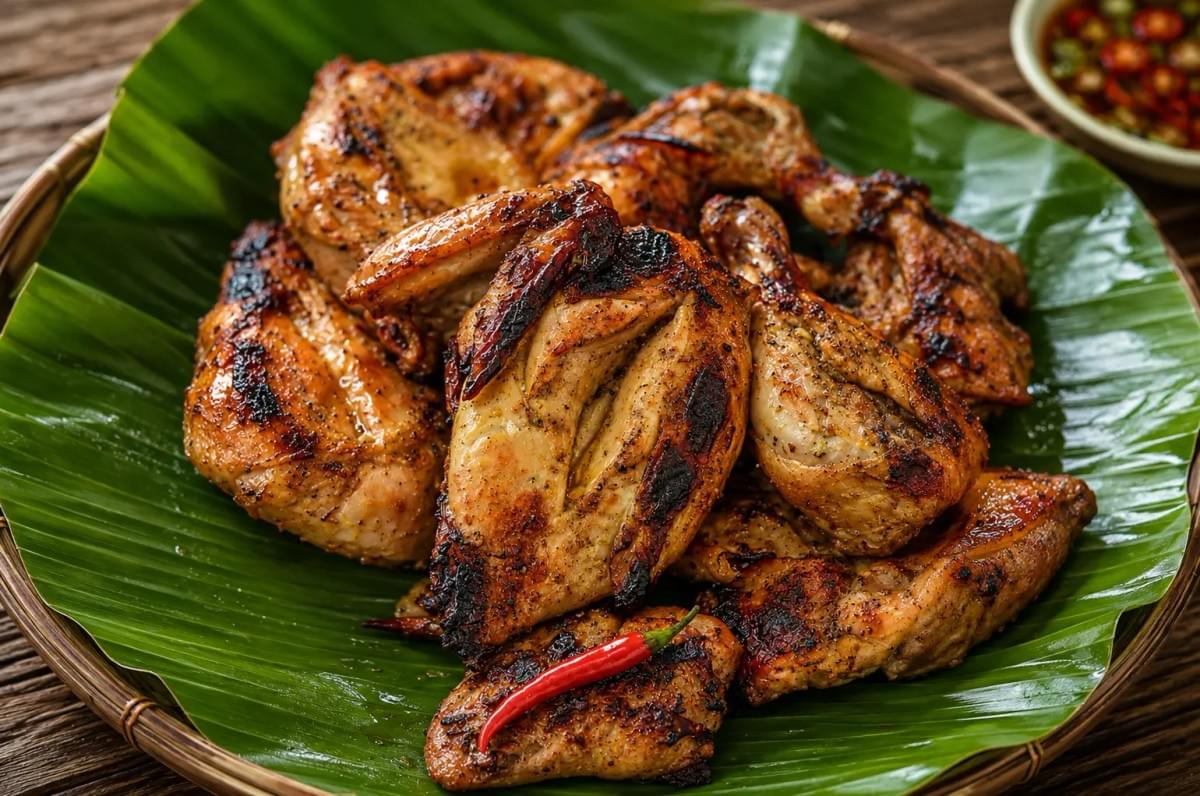
Read through once before you begin. The flow is easy: marinate, make the annatto oil, grill, baste, rest.
- Make the marinade. In a large bowl, whisk together the calamansi juice, vinegar, garlic, ginger, lemongrass, brown sugar, salt, and pepper.
- Marinate the chicken. Add the chicken pieces and turn them to coat well. Cover and refrigerate. Minimum marinating time is 2 hours, but 6 to 8 hours (or overnight) is where the flavor really settles in. Longer is better here, up to about 24 hours.
- Make the annatto oil. In a small pan over low heat, warm the oil with the annatto seeds for 3 to 4 minutes, until the oil turns a deep orange. Do not let it smoke. Strain out the seeds, then stir in 2 tablespoons of the marinade and the melted butter if using. This is your basting sauce.
- Prep your heat. For charcoal, build a medium-hot fire with a cooler zone on one side. For gas, heat to medium. For a grill pan, medium heat with a light coat of oil. Take the chicken out of the fridge about 20 minutes before cooking so it is not fridge-cold.
- Start grilling. Lay the chicken skin-side down over medium heat. Grill for about 6 to 8 minutes per side, turning as needed. You are looking for a good sear and gradual char, not a rush. If flare-ups happen, move the pieces to the cooler zone.
- Baste as it cooks. Once the chicken has some color, start brushing on the annatto oil each time you flip. This builds that glossy orange finish. Save the basting for the second half of cooking, since the sugar can burn if applied too early.
- Check for doneness. Chicken is ready at an internal temperature of 165°F (74°C) at the thickest part, near the bone but not touching it. If you do not have a thermometer, cut into a thick piece. The juices should run clear and the meat should no longer be pink.
- Rest before serving. Pull the chicken off and let it rest for 5 minutes. This lets the juices settle back into the meat so your first bite is juicy, not dry.
Grilling Tips for Juicy, Flavorful Results
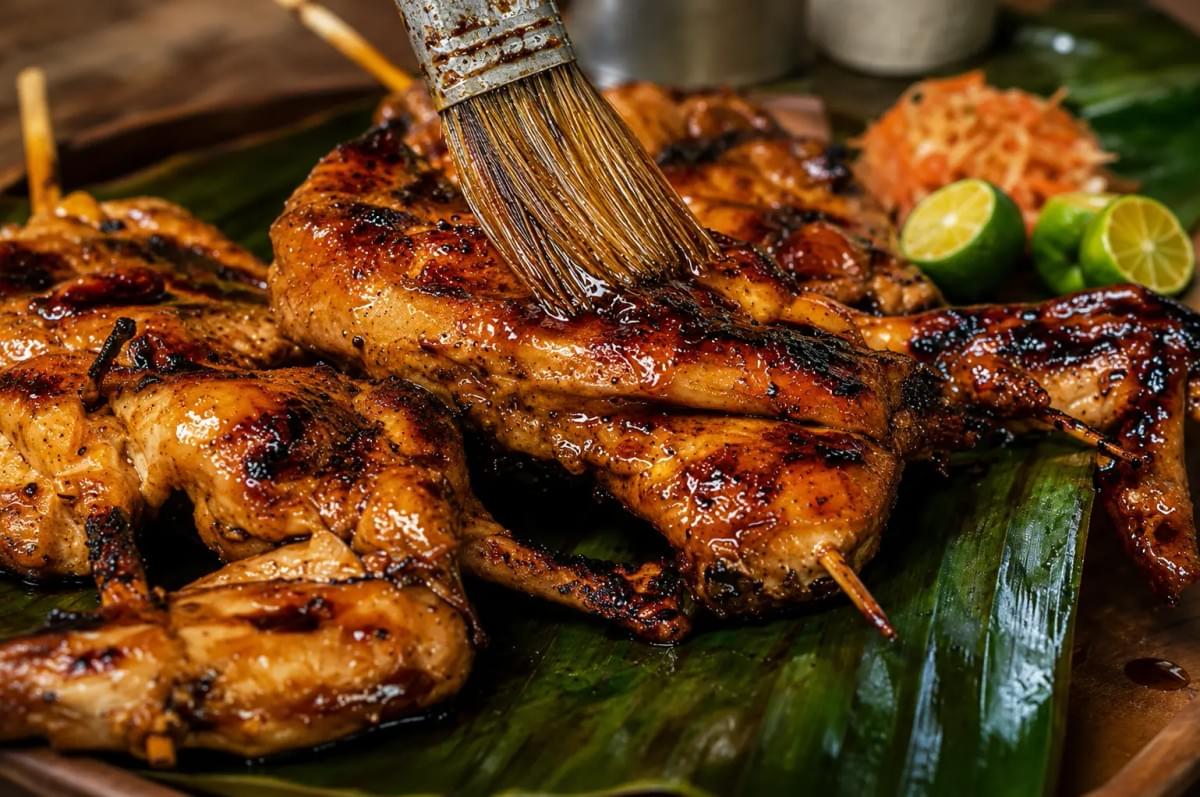
A few small things make a big difference.
- Use two heat zones. A hotter side for searing and a cooler side to finish cooking gives you char without burning. This is your best friend on a charcoal grill.
- Do not flip too often. Let each side develop color before you turn it. Constant flipping keeps the chicken from browning properly.
- Baste late, not early. The sugar in the marinade and basting sauce browns fast and burns faster. Hold off until the chicken is more than halfway done.
- Watch for flare-ups. Drips of oil and marinade will catch flame. Keep a cooler zone ready and move pieces over when the fire jumps.
- Always rest the meat. Five minutes off the heat makes the difference between juicy and dry.
Storage and Reheating
Let the chicken cool, then store it in an airtight container in the fridge for up to 4 days.
To freeze, wrap the pieces well and keep them for up to 2 months. Thaw overnight in the fridge before reheating.
The best way to reheat and keep the meat juicy is a low oven, around 325°F (160°C), covered loosely with foil, until warmed through. A quick pass on a hot grill or pan afterward brings back a little of that char. Avoid blasting it in the microwave, which tends to dry out the chicken.
One Last Bite
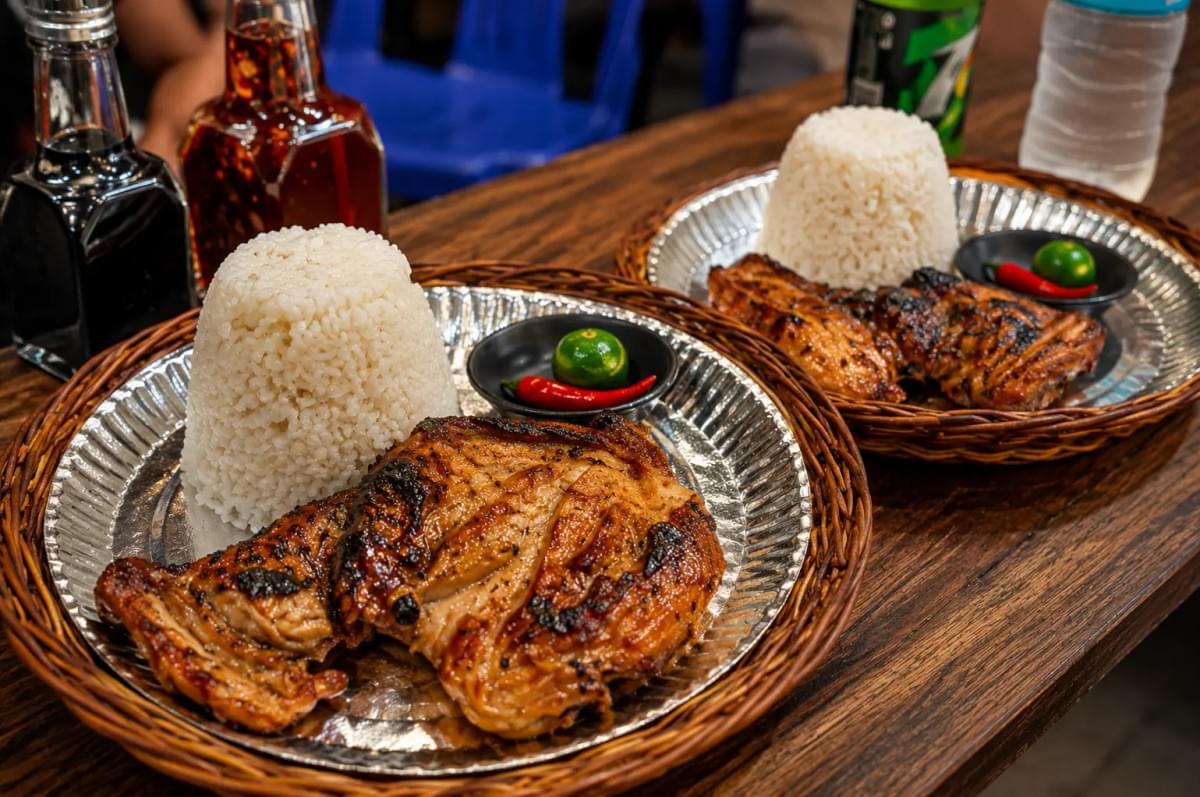
Here is how you know you got it right: the skin is glossy and orange, the meat pulls easily from the bone, and every bite carries that tug of sour citrus behind the smoke and garlic.
Eat it with your hands if you can. Pile the rice high. Squeeze a little more citrus over the top and dip each piece in that sharp, salty sauce.
Chicken Inasal is not about looking perfect. It is about the char, the tang, and the quiet satisfaction of good food eaten without much fuss. Give it a try this week, and I think it will earn a spot at your table. Happy cooking, friends.
Want more recipes like this?
If you loved the bright, smoky flavors of Chicken Inasal, you’ll find plenty more weeknight-friendly recipes, cooking tips, and fresh inspiration on our homepage.
Visit Our Food Rhythms here: https://www.ourfoodrhythms.com/ — and come back anytime you’re hungry for your next favorite dish.
