

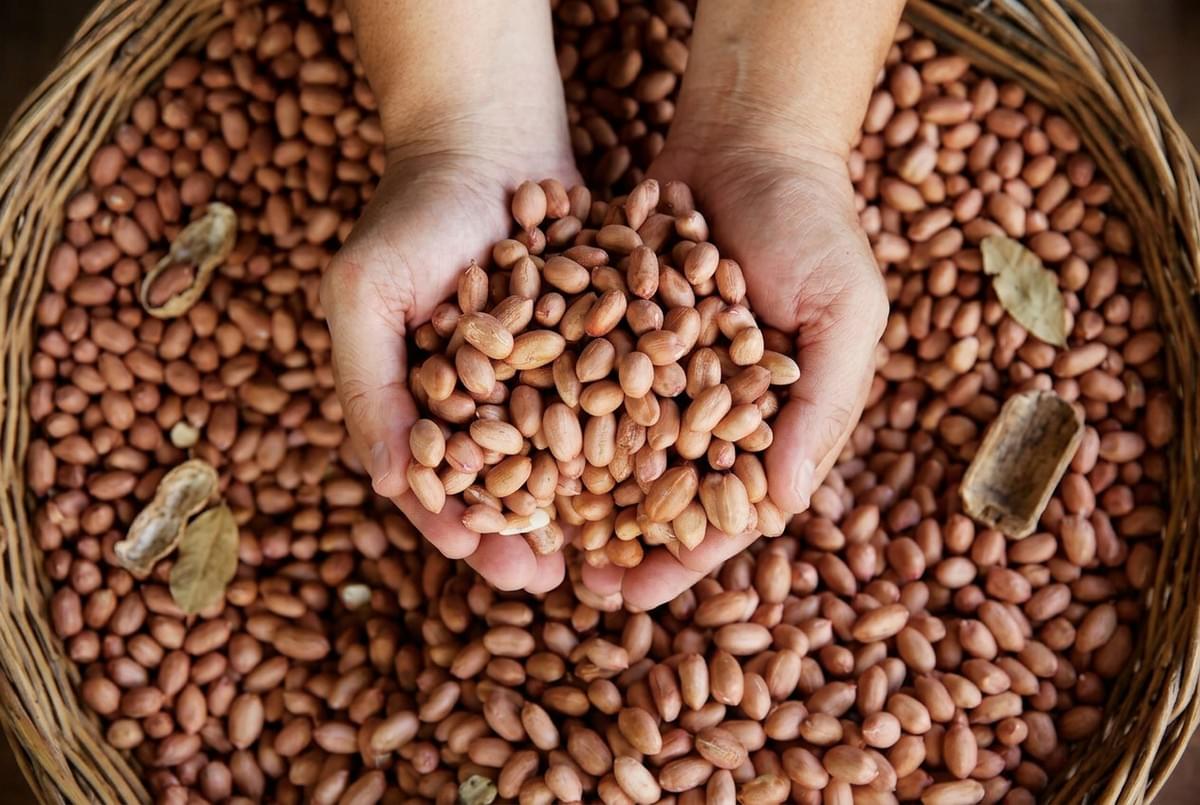
The first time I saw fresh peanuts at a market stall, I almost walked past them.
They were sitting in a wide basket, still dusted with soil, shells pale and soft instead of the dry beige I knew. A woman beside me scooped up a whole bag without hesitation. I asked her what she did with them. She looked at me like I had asked how to breathe. "Boil them," she said. "With salt. That's all."
So I did. And that pot of peanuts, simmering slowly on a warm afternoon, turned into one of my favorite small rituals of late summer.
If you have only ever known peanuts as roasted, salted, or ground into butter, fresh peanuts will feel like meeting an old friend you never really knew. Let me walk you through them.
What Are Fresh Peanuts?
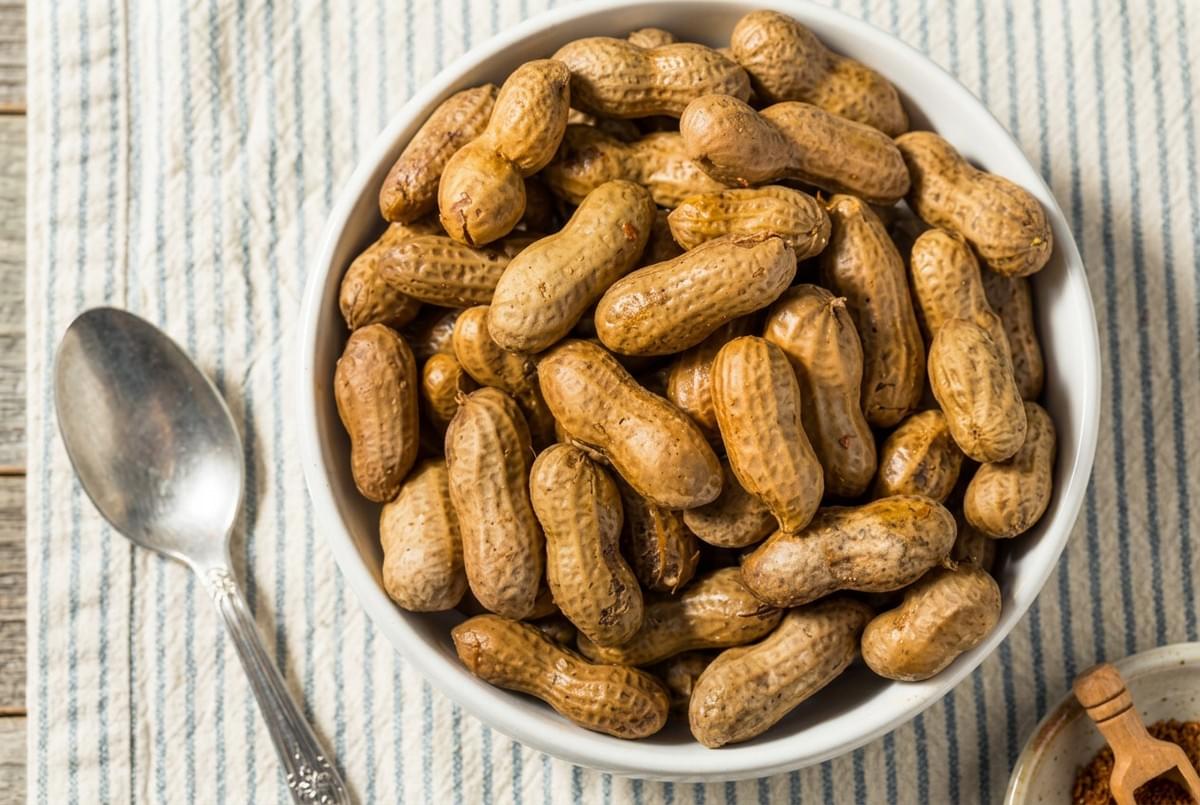
Fresh peanuts (sometimes called green peanuts) are simply peanuts that have not been dried.
They are pulled from the ground and sold soon after, still holding their natural moisture. That is the whole difference, and it changes everything.
Dried peanuts, the kind most of us grew up with, have been cured and left to lose their water content. That is what makes them shelf-stable and gives them that firm, snappy crunch. Fresh peanuts skip all of that. Inside the soft shell, the nut is tender, a little creamy, and mild in a way that is closer to a bean than a snack nut.
Here is the catch. Because they still hold moisture, fresh peanuts do not keep. They can turn or grow mold within a few days. So once you bring them home, plan to cook them soon. This is seasonal eating in its truest form: here for a moment, then gone until next year.
That short window is part of why they feel special.
How to Buy Fresh Peanuts
Fresh peanuts show up in late summer and early fall, right around harvest time.
Look for them at:
- Farmers markets, often near the produce stands
- Asian and Southern grocery stores
- Roadside stands in peanut-growing regions
- The occasional well-stocked farm shop
What to look for:
- Shells that feel firm and slightly damp, not brittle or dry
- A clean, earthy smell (a sour or musty scent means skip them)
- Little to no dark spots or soft patches on the shell
- A bit of clinging soil, which is a good sign of freshness
How much to buy: A pound or two is a friendly starting amount. They shrink a little as they cook, and you will probably eat more than you expect. If you fall for them, buy extra and freeze the rest.
How to Store and Prep
Fresh peanuts are impatient. Treat them like fresh produce, not pantry staples.
- Fridge: Keep them loosely bagged in the crisper and cook within 2 to 3 days.
- Freezer: For longer storage, freeze raw peanuts in a sealed bag. They hold well for a few months, and you can boil them straight from frozen.
Before cooking:
- Rinse them well under cool water, rubbing off the soil with your hands.
- Sort out any that feel hollow, cracked open, or smell off.
- No peeling needed. They cook right in the shell.
A quick word on soaking. You do not have to soak fresh peanuts, since they still hold moisture. A short soak (an hour or so) can help them cook a touch faster, but it is optional. I usually skip it.
The Recipe: Boiled Fresh Peanuts
This is the dish that started it all for me. Soft, salty, warm, and made for slow eating with your hands.
Boiled peanuts are humble food. There is no plating, no fuss. Just a pot, some salt, and time. That time is the only real ingredient that matters, so settle in and let them go.
Ingredients
- 1 lb (450 g) fresh peanuts, in the shell
- 1/4 cup (60 g) salt, plus more to taste
- Water, enough to cover the peanuts by a couple of inches (about 8 cups / 2 liters)
That is genuinely it. The variations come later, but this plain version is worth making at least once.
Equipment
- A large pot with a lid
- A plate or heatproof bowl (to weigh the peanuts down)
- A colander
Instructions
- Rinse and sort. Wash the peanuts and toss any that seem off. Give them a good scrub so the broth stays clean.
- Fill the pot. Add the peanuts to a large pot and cover with water by about two inches. They float, so this matters.
- Salt the water. Stir in the salt. It should taste noticeably salty, like a well-seasoned soup, because the flavor soaks in slowly through the shell. Start moderate. You can add more later.
- Weigh them down. Set a heatproof plate or bowl on top of the peanuts to keep them submerged. Floating peanuts cook unevenly.
- Simmer low and slow. Bring to a boil, then lower to a gentle simmer. Cover and cook for 2 to 4 hours. Fresh peanuts take a while, so do not rush them. Check the water level now and then, adding more hot water if it dips too low.
- Taste and check. Start tasting around the 2-hour mark. This is where the magic is. Crack one open and try it.
Taste and texture checkpoints:
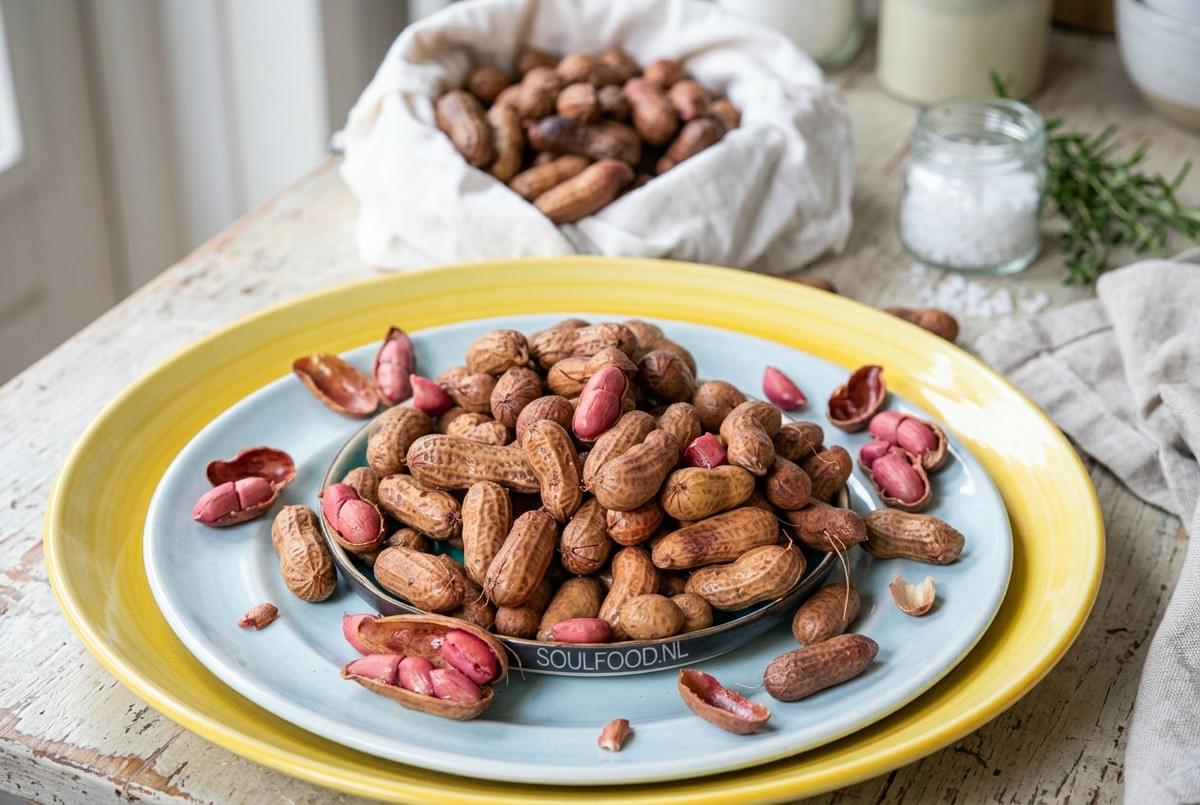
- Shell: Softened and easy to split with your fingers.
- Interior: Tender and creamy, closer to a cooked bean than a crunchy nut. No raw, chalky bite in the center.
- Salt: Present but not harsh. If it tastes flat, stir in a little more salt and simmer another 20 to 30 minutes.
- Let them rest (optional but worth it). Turn off the heat and let the peanuts sit in the salty water for 30 minutes to an hour. They keep absorbing flavor as they cool, and honestly, they taste better for the wait.
- Drain and serve. Scoop them out warm, or leave them in the brine until you are ready. Eat them with your hands, cracking the soft shells and pinching out the nuts inside.
A gentle note on salt: it is easier to add than to take away. Season moderately at the start, taste as you go, and let the resting time do some of the work.
Flavor Variations
Once you know the plain version, the pot becomes a canvas. Add these to the boiling water at the start.
- Cajun-style: A few tablespoons of Cajun seasoning, plus a little extra salt. Warm, savory, with a slow heat.
- Garlic and bay leaf: A whole crushed head of garlic and 3 or 4 bay leaves. Quietly aromatic and comforting.
- Ginger-scallion: A thumb of sliced ginger and a bundle of scallions. Clean, fragrant, and a little soothing.
- Chili-lime: Dried chilies and a few squeezes of lime, added near the end. Bright and lively.
- Star anise and cinnamon: A couple of star anise pods and a cinnamon stick. Gently spiced, almost warming.
- Five-spice soy: A splash of soy sauce and a spoonful of five-spice powder for a deeper, savory bowl.
- Smoky and spicy: Smoked paprika and a pinch of cayenne for something cozy with a kick.
Mix and match as you like. There is no wrong answer here.
Serving Ideas
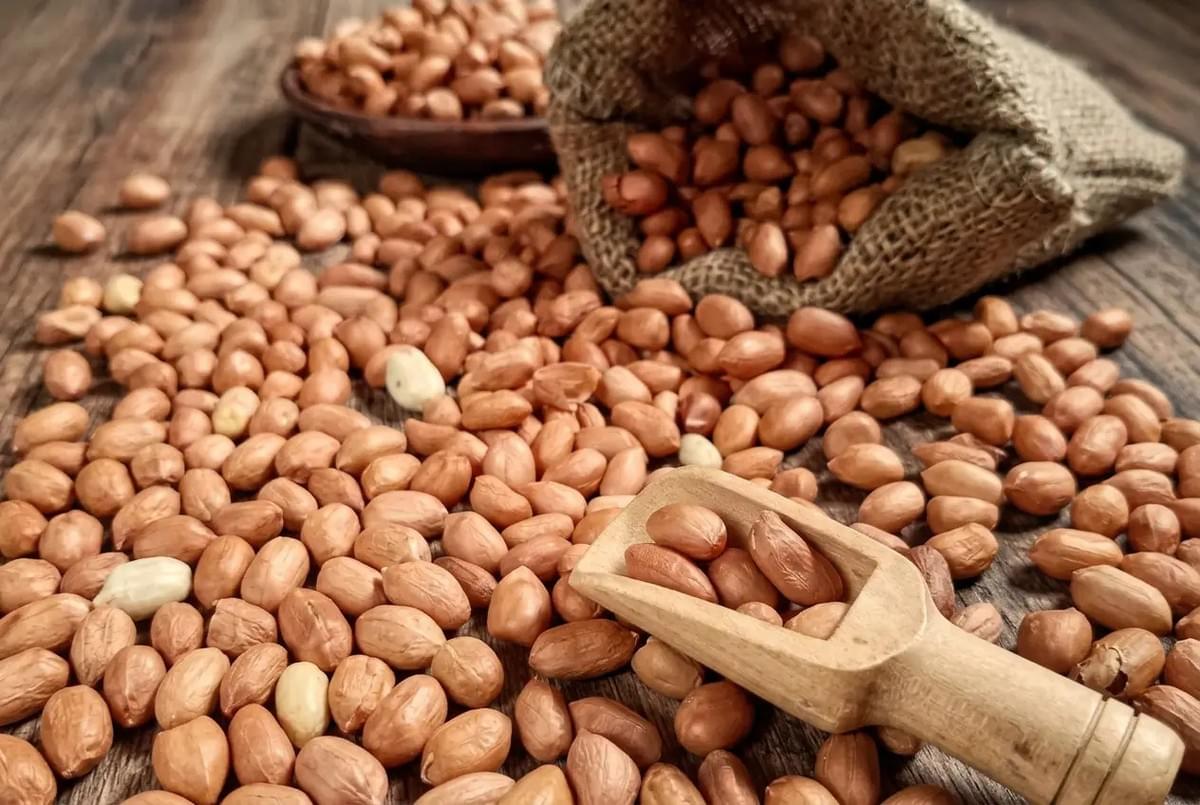
Boiled peanuts are easygoing. A few ways I love them:
- As a warm snack on their own, straight from the pot
- Piled into a bowl for a picnic or lazy afternoon
- Set out on game day, next to cold drinks
- Shelled and scattered over a rice bowl for creamy texture
- Tossed into a salad for a soft, savory bite
- Added to a snack board, alongside pickles and cheese
Keep a bowl nearby for the empty shells. Things get happily messy.
Storage and Reheating
Cooked boiled peanuts keep well, which is a small mercy after all that simmering.
- Fridge: Store them in their brine in an airtight container for up to a week. The brine keeps them moist and flavorful.
- Freezer: Freeze cooked peanuts (drained or in a little brine) for up to 3 months.
To reheat: Warm them gently in a pot with a splash of their brine or fresh salted water, just until heated through. A quick spin in the microwave works too, though the stovetop keeps them softer.
FAQ
Do I need to soak fresh peanuts first?
No. They still hold moisture, so soaking is optional. A short soak can shave off a little cooking time, but it is not necessary.
Are fresh peanuts raw? Can I eat them uncooked?
They are technically raw and best cooked before eating. Boiling makes them tender, safe, and far more enjoyable.
How salty should the water be?
Aim for something like a well-seasoned soup. The salt soaks in slowly, so a plain-tasting broth will give you bland peanuts. Start moderate and adjust.
Can I make these in an Instant Pot or pressure cooker?
Yes. Cover the peanuts with salted water, weigh them down if you can, and cook on high pressure for about 60 to 90 minutes, with a natural release. Check for tenderness and add time if needed.
Are boiled peanuts safe for kids?
They are, once fully cooked and cooled a bit. As with any whole nut, watch young children closely, since peanuts can be a choking hazard for the very little ones.
Why are my peanuts still firm after hours of cooking?
Fresh peanuts vary, and some simply take longer. Keep simmering and check every 20 to 30 minutes. They will get there.
Can I reuse the brine?
You can use it to reheat the same batch, but I would not save it much longer than that. Make a fresh pot next time.
One Last Handful
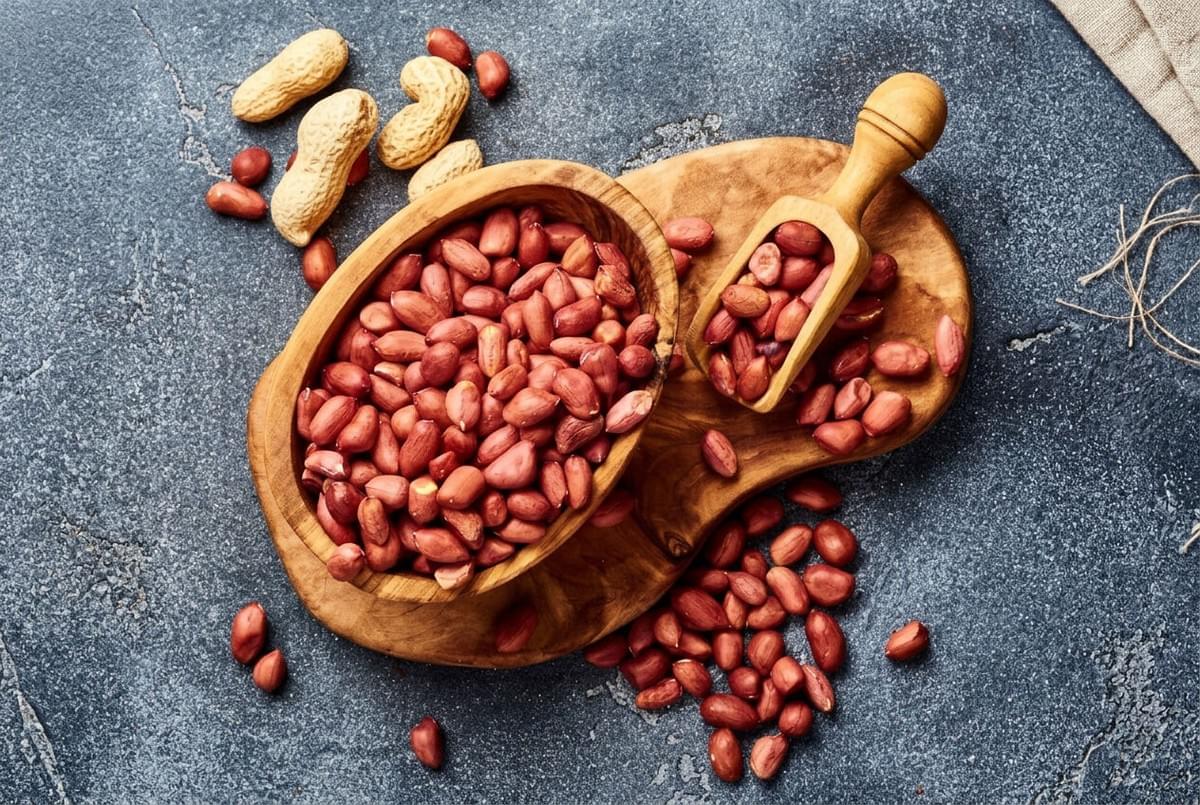
Some foods ask you to slow down. Boiled peanuts are one of them.
You cannot rush the pot. You cannot eat them quickly, not with all that cracking and pinching. They pull you into the pace of a late-summer afternoon, when the light goes soft and there is nowhere in particular to be.
So if you spot a basket of fresh peanuts, still dusted with soil, do not walk past. Take some home. Set a pot to simmer. Let the kitchen fill with that warm, earthy smell, and give yourself an hour or two to do very little.
If you try them, come tell us about it over at Our Food Rhythms. I would love to know which seasonings you reached for, and whether you, too, forgot to stop eating.
