

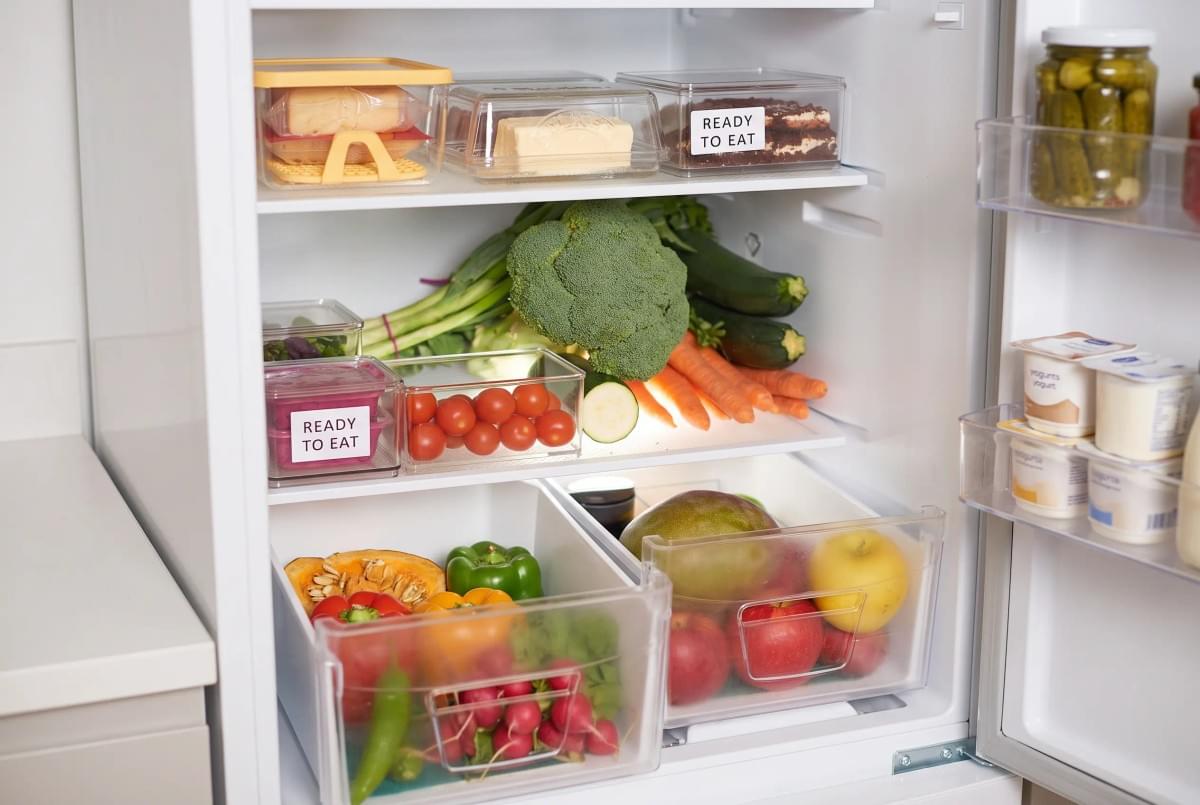
Most produce does not spoil because of bad luck. It spoils because it is still alive.
Fruits and vegetables keep breathing after harvest. They release moisture, ripen, and slowly break down, and how you store them either slows that process or speeds it along. A little knowledge changes a great deal here. It means fewer soft tomatoes forgotten in the fridge, fewer bags of slimy greens, and less money quietly lost to the compost bin.
Before we begin, three ideas worth holding onto: Not everything belongs in the refrigerator. Moisture control matters. Some items should never be stored side by side. Keep those in mind, and the rest becomes practical.
Let's walk through it.
The Science in Plain Language
You do not need a food science degree to store produce well. You only need to understand a few forces at work.
Respiration and ripening
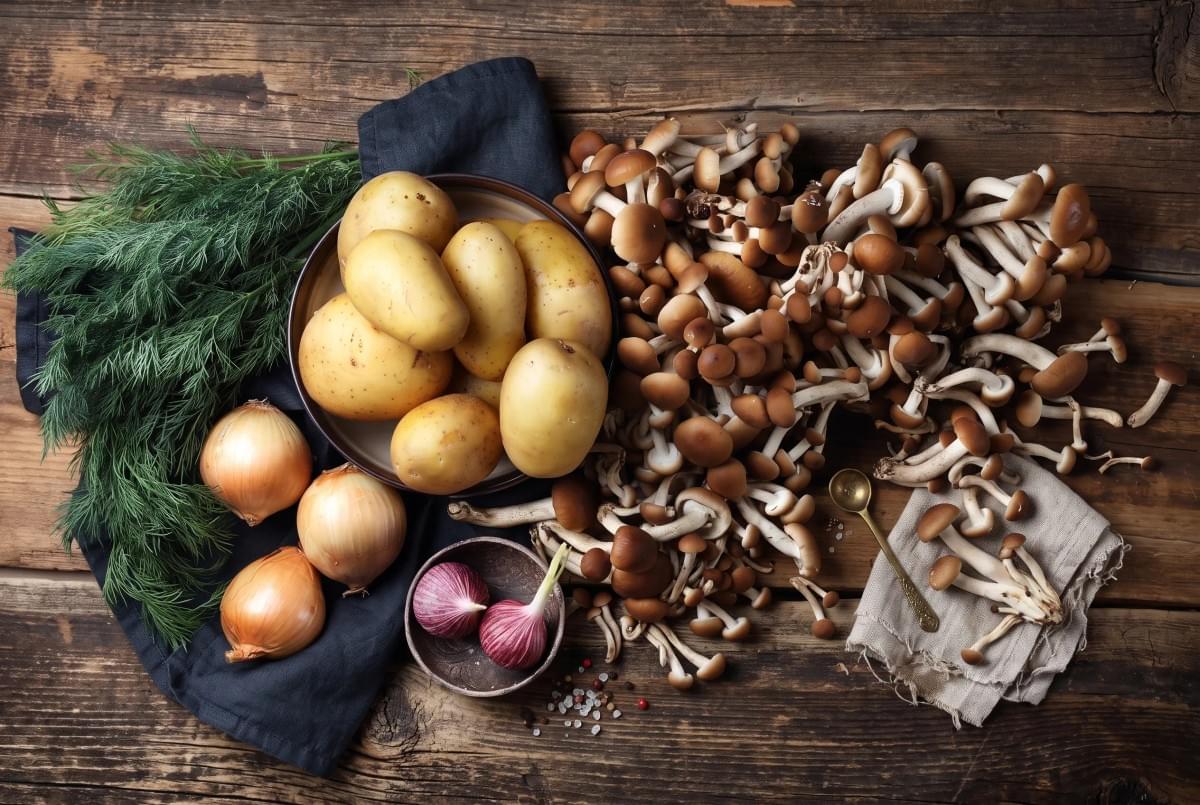
After harvest, produce continues to respire, drawing in oxygen and giving off carbon dioxide and moisture. Faster respiration means faster aging. Leafy greens and mushrooms respire quickly, which is why they fade fast. Potatoes and onions respire slowly, so they keep for weeks. Cooler temperatures slow respiration, which is the main reason refrigeration helps.
Ethylene gas
Some fruits release ethylene, a natural gas that triggers ripening. This is useful when you want an avocado to soften, and troublesome when that same gas ages the lettuce sitting next to it. Ethylene producers include apples, bananas, tomatoes, and stone fruit. Ethylene-sensitive items include leafy greens, broccoli, and cucumbers. Keeping the two groups apart is one of the simplest ways to extend shelf life.
Moisture, condensation, and mold
Water is a balancing act. Too little, and greens wilt and roots turn rubbery. Too much, and you invite mold and slime. The goal is steady, moderate humidity, with any excess water wicked away. Trapped condensation inside a sealed bag is a common culprit behind early spoilage.
Temperature and chilling injury
Cold is not always kind. Some produce, especially items from warm climates, suffers chilling injury in the refrigerator. Tomatoes turn mealy, basil blackens, and potatoes convert their starch to sugar. These belong at room temperature. Knowing which items dislike the cold prevents a lot of quiet damage.
Before You Store: Prep Rules
What you do in the first few minutes after shopping matters as much as where things end up.
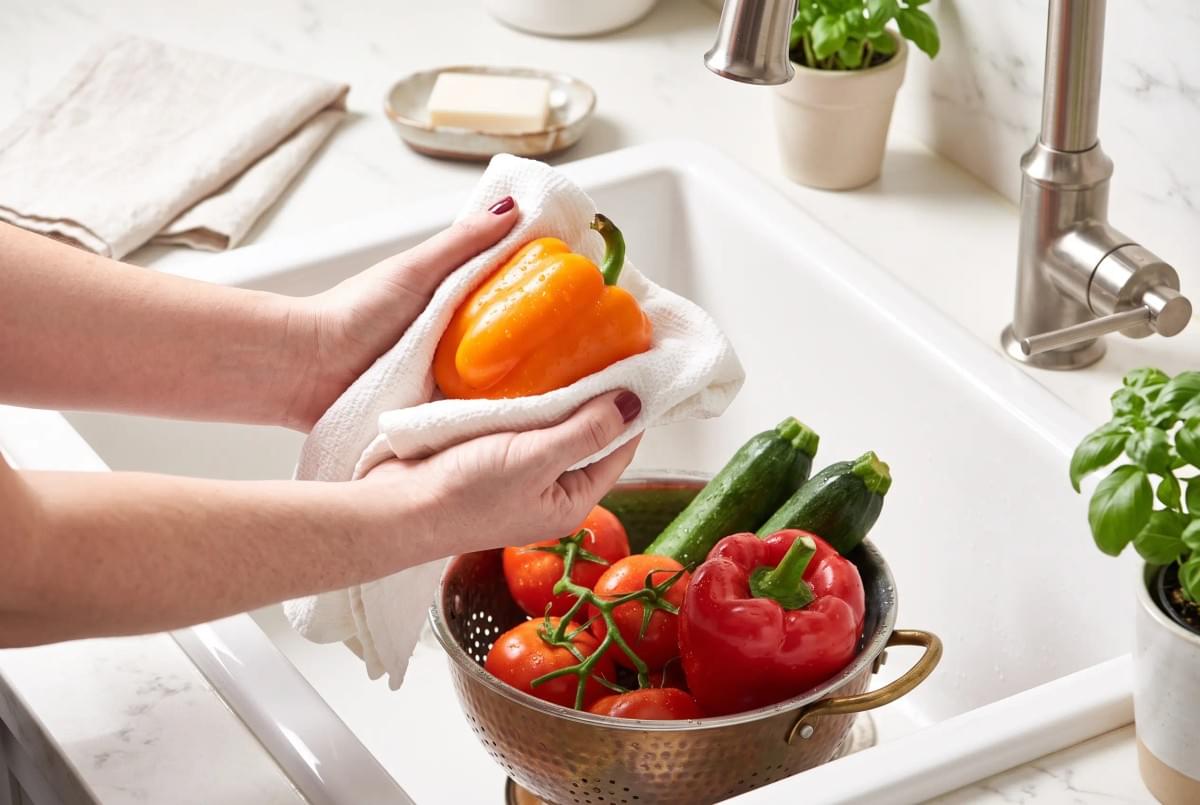
Wash right before eating, not before storing. This is the general rule. Surface moisture accelerates decay, so most produce keeps longer when stored dry and rinsed only when you are ready to use it. A few exceptions, like leafy greens you plan to prep in advance, can be washed early as long as they are dried thoroughly.
Dry everything completely. If you do wash something, spin or pat it dry. Lingering water is the enemy of shelf life.
Remove rubber bands, ties, and damaged pieces. Tight bands bruise stems, and one moldy berry or bruised leaf spreads quickly. Sort as you unpack and set aside anything that needs eating first.
Choose the right container. Breathable storage suits most produce, allowing air flow while holding gentle humidity. Airtight containers work for certain cut items and delicate berries, but for whole produce, a little air is usually better than none.
Use the paper towel method. Line a container or bag with a dry paper towel for greens and berries. The towel absorbs excess moisture and keeps condensation from pooling, which noticeably slows sliminess and mold.
Fridge Zones That Matter
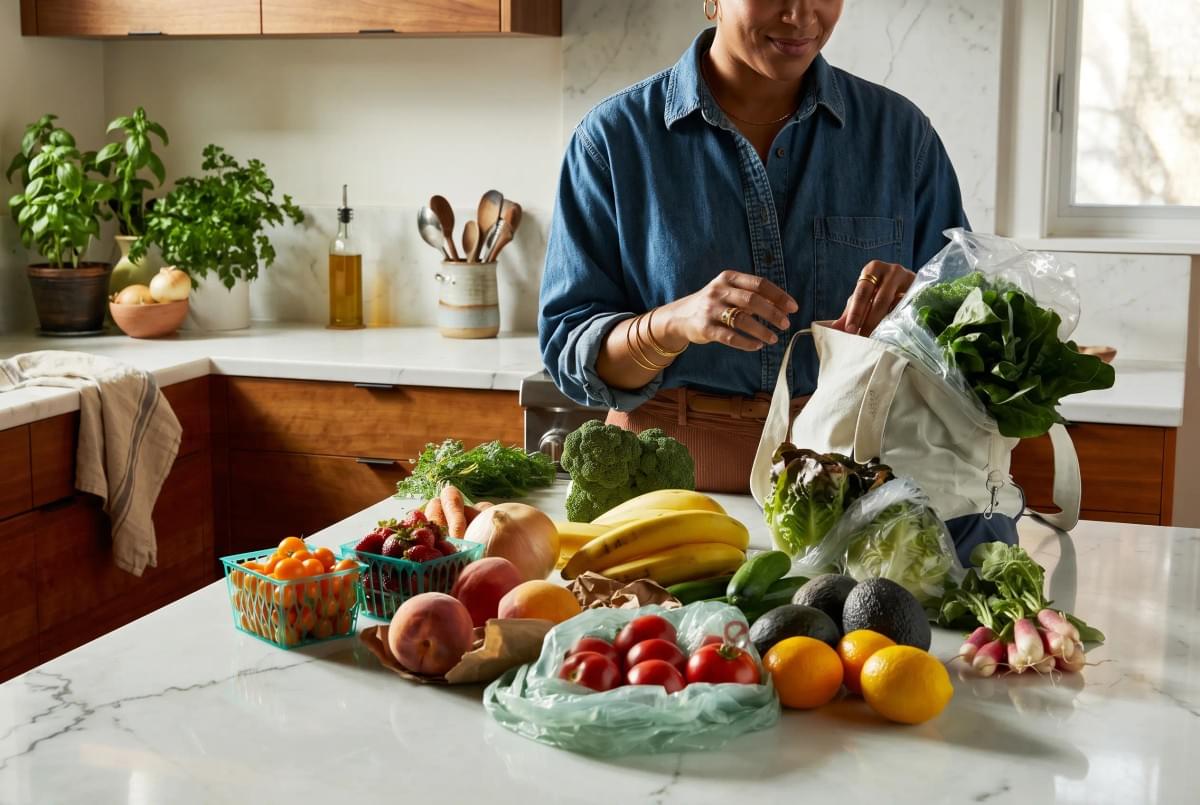
Your refrigerator is not one uniform box. Different zones behave differently, and using them well makes a real difference.
Crisper drawer humidity. Most crispers have an adjustable vent. High humidity (vent closed) suits items that wilt, such as leafy greens, herbs, carrots, and broccoli. Low humidity (vent open) suits items that rot or over-ripen, such as apples, pears, and other ethylene producers. A simple habit: leafy things in the high-humidity drawer, fruit that gives off gas in the low-humidity drawer.
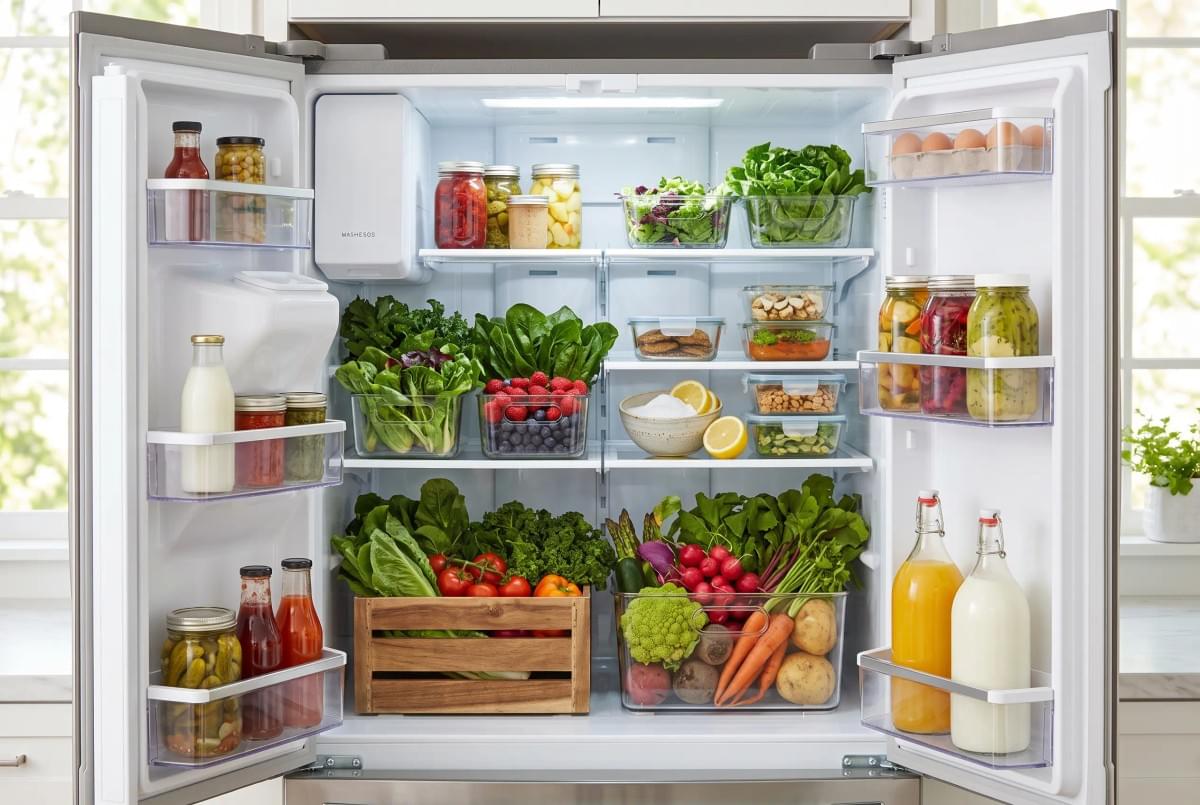
Door versus back. The door is the warmest, most temperature-variable part of the fridge, best reserved for condiments rather than perishable produce. The back and lower shelves stay coldest and most stable.
Ideal temperature. Keep your refrigerator at or below 40°F (4°C) for food safety, with the sweet spot around 37°F (3°C). A fridge thermometer is a small investment that pays off.
Produce-by-Produce Storage Guide
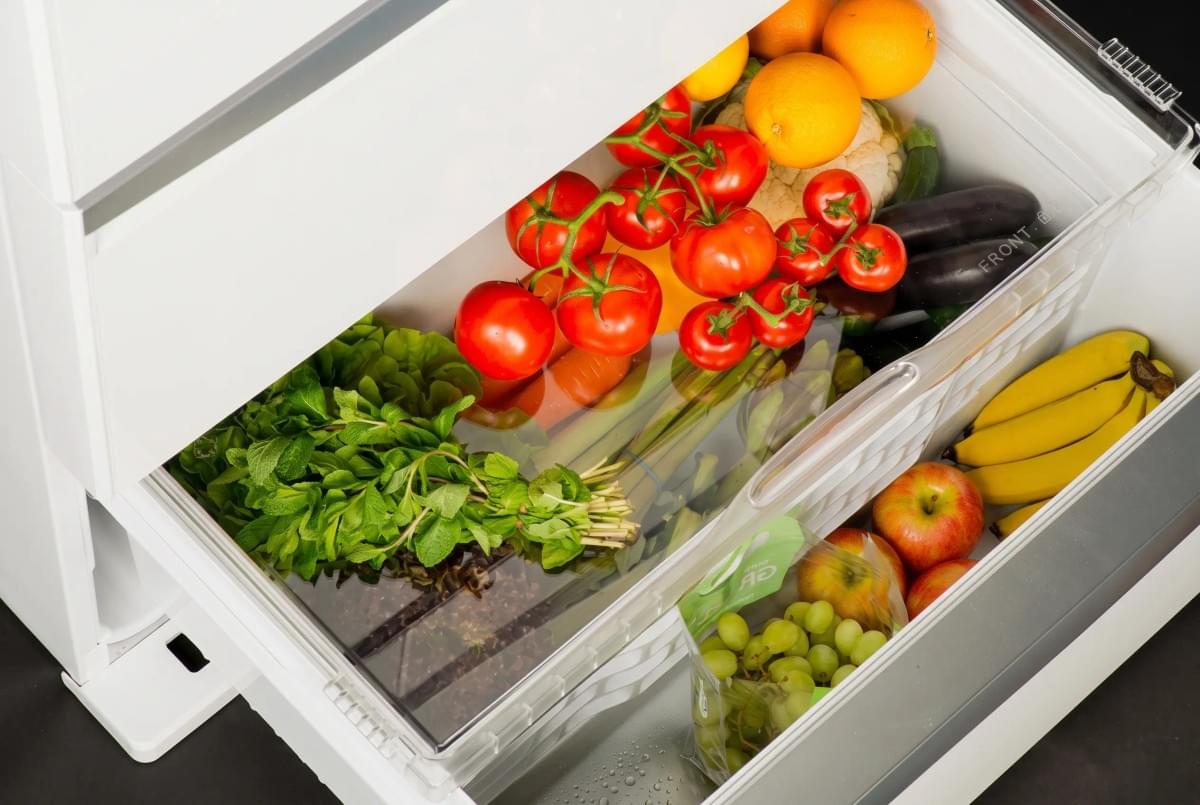
Here is the practical heart of it, item by item.
Leafy greens (lettuce, spinach, herbs)
Store at: Fridge, high-humidity drawer.
Packaging: Loosely wrapped or in a container lined with a paper towel.
Moisture: Dry leaves, damp towel to buffer humidity.
Tender herbs like cilantro and parsley do well stood upright in a jar with a little water, loosely covered. Basil is the exception and prefers room temperature, since cold turns it black.
Common mistake: Sealing wet greens in a tight bag, which leads to slime within days.
Berries (strawberries, blueberries, raspberries)
Store at: Fridge.
Packaging: Original vented container or a towel-lined box, unwashed.
Moisture: Keep dry until eating.
Common mistake: Washing berries before storing. Rinse only what you are about to eat.
Citrus
Store at: Room temperature for a week, or the fridge for longer.
Packaging: Loose, with air flow.
Moisture: Keep dry to prevent mold at the peel.
Common mistake: Bagging citrus tightly, which traps moisture and encourages soft spots.
Bananas
Store at: Room temperature.
Packaging: Loose, on the counter.
Moisture: No special handling.
Bananas are strong ethylene producers, so keep them away from other fruit unless you want everything to ripen fast. Wrapping the stems in a little plastic can slow ripening slightly. Once ripe, refrigerating slows things down, though the peel will darken.
Common mistake: Storing bananas in the fruit bowl with everything else, which ages the whole bowl.
Avocados
Store at: Room temperature to ripen, then fridge to hold.
Packaging: Loose.
Moisture: None needed.
Ripen firm avocados on the counter, and move them to the fridge once they yield to gentle pressure. To speed ripening, tuck one in a paper bag with a banana.
Common mistake: Refrigerating rock-hard avocados, which can stall ripening entirely.
Stone fruit (peaches, plums, nectarines)
Store at: Room temperature to ripen, then fridge.
Packaging: Loose, in a single layer.
Moisture: Keep dry.
These are ethylene producers, so store them away from sensitive vegetables.
Common mistake: Piling ripe stone fruit into a bowl, where the weight bruises the lower layer.
Tomatoes
Store at: Room temperature, always.
Packaging: Loose, stem side down, out of direct sun.
Moisture: None.
Cold ruins tomato texture and flavor, turning the flesh mealy.
Common mistake: Refrigerating whole tomatoes. Leave them on the counter.
Cucumbers and zucchini
Store at: Fridge, though cucumbers are mildly cold-sensitive.
Packaging: Loosely wrapped in the crisper.
Moisture: Dry, with a little air flow.
Keep both away from ethylene producers, which soften them quickly.
Common mistake: Storing cucumbers next to tomatoes or apples, which shortens their life.
Bell peppers
Store at: Fridge, crisper drawer.
Packaging: Loose or in a breathable bag.
Moisture: Keep dry.
Common mistake: Sealing peppers in a wet bag, which brings on soft, wrinkled skin.
Mushrooms
Store at: Fridge.
Packaging: A paper bag, or their original box with the plastic loosened.
Moisture: Absorb excess, never seal tightly.
Mushrooms breathe quickly and need air. A paper bag wicks moisture and keeps them firm.
Common mistake: Storing mushrooms in a sealed plastic bag, which turns them slimy fast.
Root vegetables (carrots, celery, beets)
Store at: Fridge, high-humidity drawer.
Packaging: Breathable bag, greens trimmed.
Moisture: They like humidity.
Remove leafy tops from carrots and beets, since the greens pull moisture from the root. Celery keeps well wrapped snugly in foil.
Common mistake: Leaving the tops on, which drains and softens the root within days.
Onions and garlic
Store at: Cool, dark, dry room, never the fridge.
Packaging: Open basket or mesh bag with air flow.
Moisture: Keep dry.
Refrigeration and humidity make these sprout and soften. Store them away from potatoes, which release moisture that hastens sprouting.
Common mistake: Keeping onions and potatoes in the same bin.
Potatoes and sweet potatoes
Store at: Cool, dark, dry spot, not the fridge.
Packaging: Paper bag or ventilated basket.
Moisture: Keep dry.
Cold converts potato starch to sugar, affecting taste and texture. Keep them out of the light to prevent greening.
Common mistake: Storing potatoes in the refrigerator.
Winter squash
Store at: Cool, dry room.
Packaging: Loose, with air flow.
Moisture: None.
Whole winter squash keeps for weeks, even a month or more, in a cool pantry.
Common mistake: Refrigerating whole squash, which is unnecessary and can shorten storage.
Fresh corn
Store at: Fridge.
Packaging: Husks on, loosely bagged.
Moisture: Keep cool to preserve sweetness.
Corn's sugar turns to starch quickly at room temperature, so refrigerate it and eat it soon.
Common mistake: Husking corn before storing, which dries out the kernels.
Cut produce
Store at: Fridge, always.
Packaging: Airtight container.
Moisture: Store dry, though cut apples and avocados benefit from a squeeze of lemon to slow browning.
Once produce is cut, its protective skin is gone and bacteria can grow, so cold storage becomes a food safety matter, not just a freshness one. Use cut fruits and vegetables within three to five days, and trust your senses.
Common mistake: Leaving cut melon or greens at room temperature. Refrigerate promptly.
Ethylene Separation Cheat Sheet
Making breadcrumbs from day-old bread is not a clever trick or a trend. It is an old, sensible habit, the kind that treats bread with the respect it deserves and wastes as little as possible.
There is quiet satisfaction in it too. You control the texture, from fine to coarse. You decide the seasoning, or leave it plain for whatever comes next. And a loaf that might have gone in the bin becomes something useful, waiting in a jar for the next meal.
Save your heels and ends. Dry them, grind them, and keep them close. You will find, as I did, that you reach for them far more often than you expected.
