

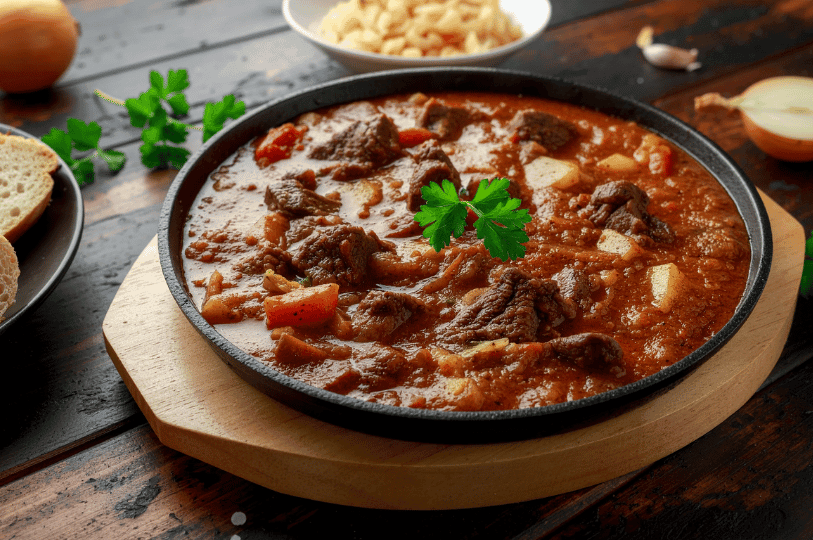
There are few dishes in the culinary canon that evoke a sense of warmth and heartiness quite like Hungarian goulash. It is the quintessential comfort food, a steaming bowl of rich, red broth filled with tender chunks of meat and vegetables that seems designed to ward off the chill of a damp autumn day or a freezing winter night. Yet, beyond its reputation as a simple stew, goulash is a dish of immense cultural pride and history. It tells the story of a nation, its landscape, and its people through deep flavors and humble ingredients.
As our Recipe of the Week, we are exploring the depths of this iconic dish. We will look past the watered-down versions often found in international cafeterias and return to the roots of authentic Gulyás. This is a guide to understanding the soul of Hungarian cuisine, mastering the art of paprika, and creating a meal that is both incredibly budget-friendly and rich enough for a king.
From the Puszta to the World: A History
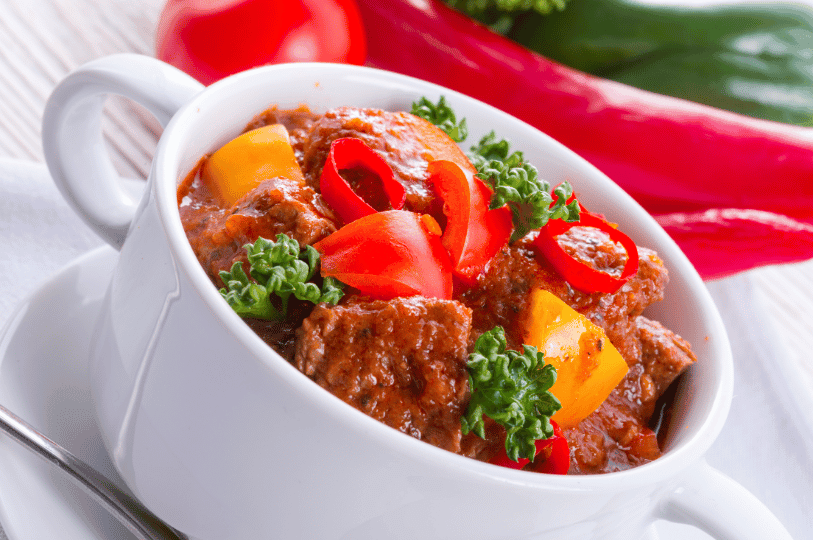
The history of goulash is inextricably linked to the history of the Magyar people. The word itself comes from the Hungarian gulyás, which means "herdsman" or "cowboy." It originated on the Great Hungarian Plain, known as the Puszta, centuries ago. Hungarian herdsmen would drive their cattle across these vast plains to markets in Europe. To sustain themselves on these long journeys, they needed food that was hearty, easy to prepare, and made from ingredients that wouldn't spoil.
Originally, goulash was not a stew in the way we think of it today but rather a soup. The herdsmen would cook beef in large cauldrons, known as bogrács, over open fires. They used wild onions and other simple ingredients available to them. Interestingly, the earliest versions did not contain paprika. The pepper plant was brought to Europe from the Americas and didn't become a staple in Hungarian cuisine until the 16th and 17th centuries during the Ottoman occupation. Once the two met, however, a culinary identity was born. The combination of beef, onions, and the vibrant red spice became the backbone of Hungarian cooking.
By the 19th century, goulash had moved from the campfire to the tables of the nobility and eventually became a symbol of national identity during the rise of Hungarian nationalism against the Habsburg dynasty. Today, it stands as one of the most recognizable dishes in the world, though authentic preparation remains a point of serious pride for Hungarians.
Hungarian Goulash: Ingredients, Preparation, and Serving
Key Ingredients and Their Roles
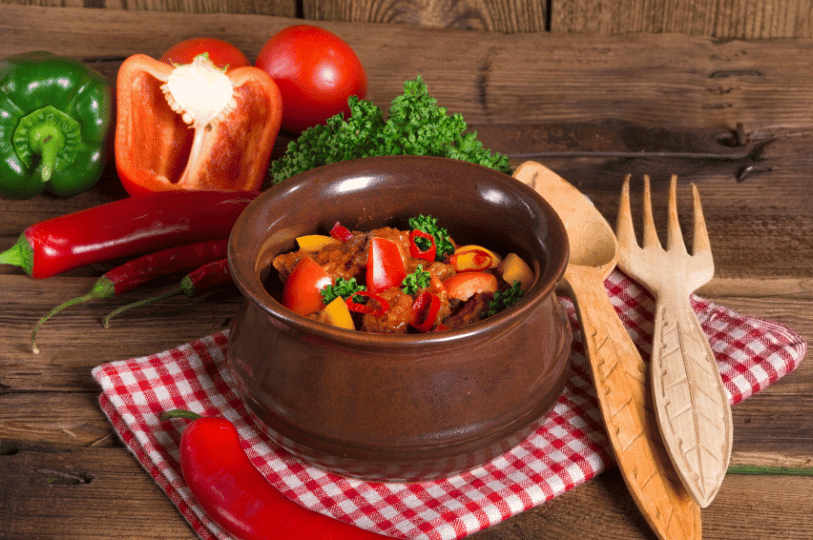
A truly authentic Hungarian goulash is built on three essential components: quality meat, plenty of onions, and vibrant Hungarian paprika. Each ingredient plays a critical role in creating the dish’s robust flavor and signature texture.
Beef: Opt for well-marbled, tough cuts such as shin, shank, shoulder, or chuck. These cuts are rich in collagen, which slowly breaks down into gelatin during cooking, lending the stew a silky, substantial mouthfeel and exceptionally tender bites of meat. Pork or mutton are sometimes used, but beef remains the classic choice.
Onions: Yellow onions form the backbone of goulash, providing sweetness and natural thickness to the broth. Use a generous quantity (almost equal weight to the meat itself) and chop them finely. Slow cooking in fat transforms the onions into a soft foundation that binds the broth without the need for flour or other thickeners.
Hungarian Paprika: Seek out fresh, sweet Hungarian paprika (édes) for its bold red color and complex, aromatic flavor. This spice defines the character of the dish, delivering both color and subtle sweetness without overwhelming heat. Add extra heat with hot paprika (erős) or sliced fresh chili to taste.
Additional Ingredients: Other essentials include garlic, root vegetables (carrots, parsnips or parsley root), potatoes, bay leaves, salt, and black pepper. Traditional goulash also features csipetke: small, pinched egg noodles or dumplings added near the end of cooking for texture.
Step-by-Step Traditional Preparation
1. Prepare the Ingredients
- Cut beef into 1–1.5 inch cubes. Peel and finely chop the onions. Gather diced carrots, parsley root, and potatoes.
- If making csipetke dumplings: mix flour and egg with a pinch of salt into a stiff dough. Pinch off tiny pieces and set aside, uncovered.
2. Sweat the Onions
- In a large, heavy-bottomed pot or Dutch oven, heat pork lard or smoked bacon fat (or oil) over medium heat.
- Add the chopped onions and a pinch of salt. Cook gently, stirring often, until the onions are soft and translucent but not browned; about 10–15 minutes.
3. Bloom the Paprika
- Remove the pot from the heat. Stir in a generous amount of sweet Hungarian paprika, mixing to coat the onions. Immediately add a splash of water to prevent the paprika from burning and turning bitter. (Paprika’s flavor and color best develop when dissolved in fat off direct heat.)
4. Brown the Beef
- Add the meat cubes to the onion-paprika mixture. Stir well to coat and lightly brown the meat on all sides.
- Add minced garlic, bay leaves, black pepper, and a small amount of caraway seeds if desired.
5. Simmer Slowly
- Add just enough water (or beef broth) to cover the meat. Bring to a gentle simmer and cook, uncovered or partially covered, over low heat.
- After about an hour, when the meat is softening, add diced carrots and parsley root. Continue to simmer gently.
6. Add Potatoes and Dumplings
- When the meat nears fork-tender, add the diced potatoes. Simmer until almost cooked through.
- About 10 minutes before serving, drop in the prepared csipetke dumplings. They will cook quickly and absorb the flavors of the broth.
7. Adjust Seasoning
- Taste and adjust salt, pepper, or paprika as needed. The finished goulash should have a rich, brick-red broth and a deeply aromatic, slightly spicy flavor.
Serving Suggestions and Pairings
- Bread: Serve the goulash piping hot in large bowls, accompanied by slices of rustic, crusty white bread; perfect for soaking up the flavorful broth.
- Garnishes: Top with a light sprinkling of chopped fresh parsley for color. At the table, offer hot paprika paste (Erős Pista) or fresh chili slices for guests who enjoy extra heat.
- Sides: For a true Hungarian experience, serve alongside pickled vegetables or a crisp cucumber salad to add a refreshing, bright contrast.
- Beverages: Pair goulash with a robust Hungarian red wine (like Egri Bikavér or Kékfrankos) or a crisp lager to complement the hearty flavors.
Hungarian goulash is best enjoyed with friends or family, allowing time for flavors to deepen and conversations to linger. This soup-stew is as warming to the spirit as it is to the body; a timeless celebration of honest ingredients and the rhythms of the Hungarian kitchen.
One of the most beautiful aspects of goulash is its accessibility. It is a prime example of peasant cuisine, which focuses on taking humble, inexpensive ingredients and transforming them into something magnificent through time and technique.
This dish is inherently budget-friendly because it demands the cheaper, tougher cuts of meat. You do not need an expensive steak; in fact, expensive cuts would ruin the dish by drying out during the long cook time. Root vegetables like onions, carrots, and potatoes are among the most affordable produce items available year-round.
Furthermore, goulash is an excellent meal for batch cooking. Like many stews and soups, it tastes even better the next day after the flavors have had time to meld and deepen. A large pot made on a Sunday can provide affordable, nutritious lunches or dinners throughout the week, making it a smart choice for families or anyone looking to meal prep on a budget.
Regional Variations and Cultural Context
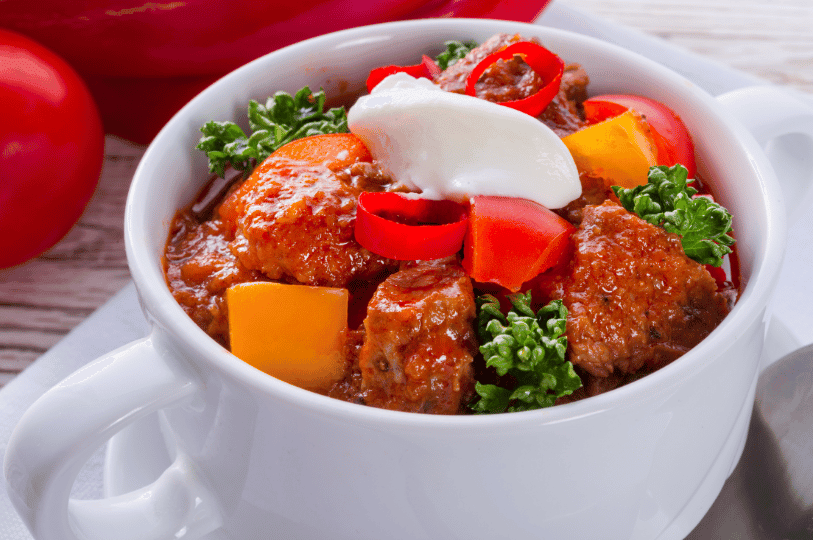
While the version described above (Gulyásleves) is the standard, the concept of paprika-spiced meat dishes extends throughout Hungarian cuisine in various forms.
- Pörkölt: This is what many non-Hungarians often confuse with goulash. Pörkölt is a boneless meat stew, cooked with less liquid, resulting in a much thicker, richer sauce. It is typically served over dumplings (nokedli) or pasta, rather than eaten as a soup.
- Paprikás: Similar to Pörkölt, but finished with sour cream (tejföl) to create a creamy, lighter-colored sauce. Chicken Paprikash is the most famous example of this style.
- Székely Gulyás: A variation that incorporates sauerkraut and sour cream, often made with pork. It is a tangier, heartier version that is particularly popular in the winter.
Culturally, these dishes represent the heart of Hungarian hospitality. Food is a love language in Hungary, and serving a guest a bowl of rich, red soup is a gesture of welcome and care. The specific balance of flavors (savory, sweet from the onions and paprika, and perhaps a little spicy) reflects the country's position at the crossroads of Eastern and Western culinary traditions.
Bringing the Rhythm of Hungary Home
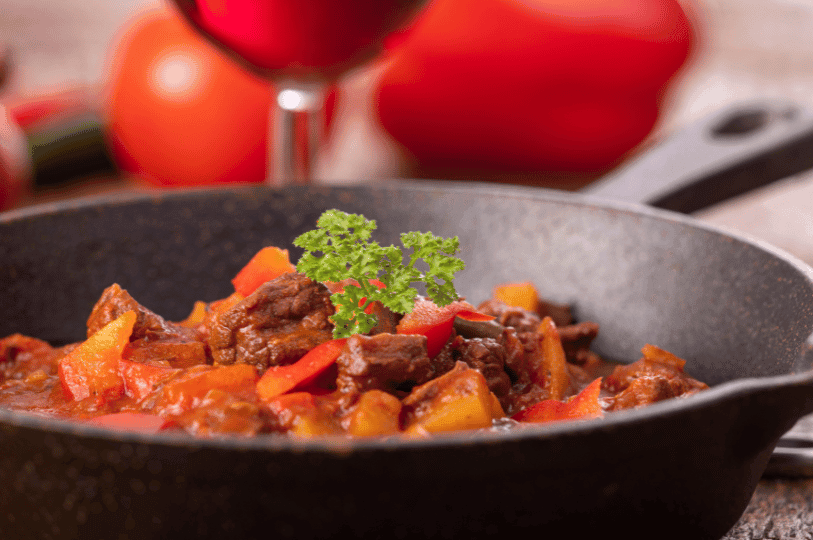
Making Hungarian goulash is an exercise in patience and respect for ingredients. It is not a dish to be rushed. The rhythm of chopping the onions, the sizzle of the fat, the aroma of the paprika blooming, and the gentle bubble of the pot over a low flame; this is cooking as therapy.
We encourage you to embrace this slow process. Find a rainy afternoon, buy a humble cut of beef and a bag of good paprika, and let the alchemy of the pot take over. By the time you sit down to eat, you will have created more than just a budget-friendly dinner. You will have created a bowl of history, a taste of the Hungarian plains, and a deeply comforting meal that warms you from the inside out.
Whether you are feeding a hungry family or prepping for a busy week ahead, Hungarian goulash is a recipe that delivers on every level. It proves that you do not need luxury ingredients to create luxury flavors; you only need time, care, and perhaps a little bit of Hungarian spirit. Jó étvágyat! (Bon appétit!)
