

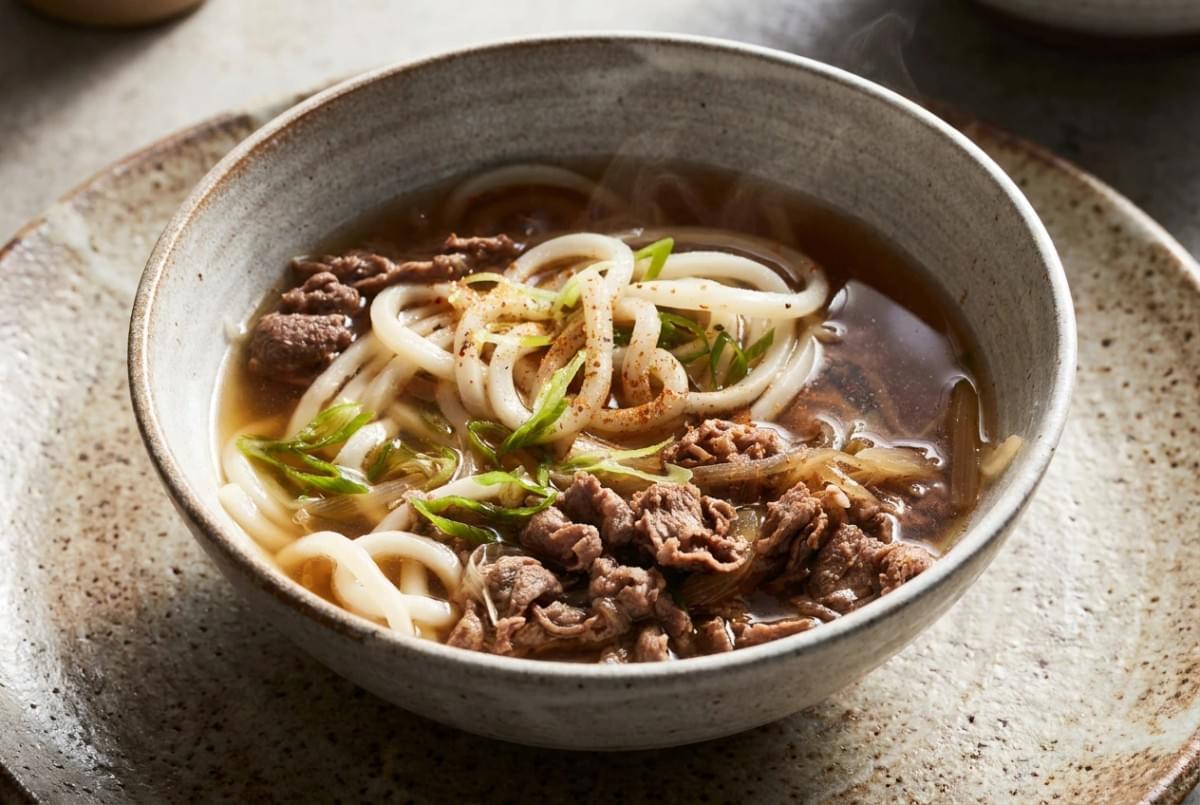
There is a certain kind of evening this dish was made for.
The light has gone soft. You are a little tired, a little hungry, and you want something warm to hold. You lift the lid off the pot, and steam rises with it. Underneath, a broth the color of amber, thin ribbons of beef gone tender and sweet, and thick noodles waiting to be slurped.
That first slurp is the whole reason you cooked.
Niku udon is quiet food. It does not need garnishes stacked to the ceiling or a perfect swirl of scallion. It just needs to taste like something you would make on a Tuesday and remember on a Friday. And the good news is, it is genuinely simple. If you can boil water and warm a pot, you can make this.
Let's cook.
A Quick Background: What Is Niku Udon?
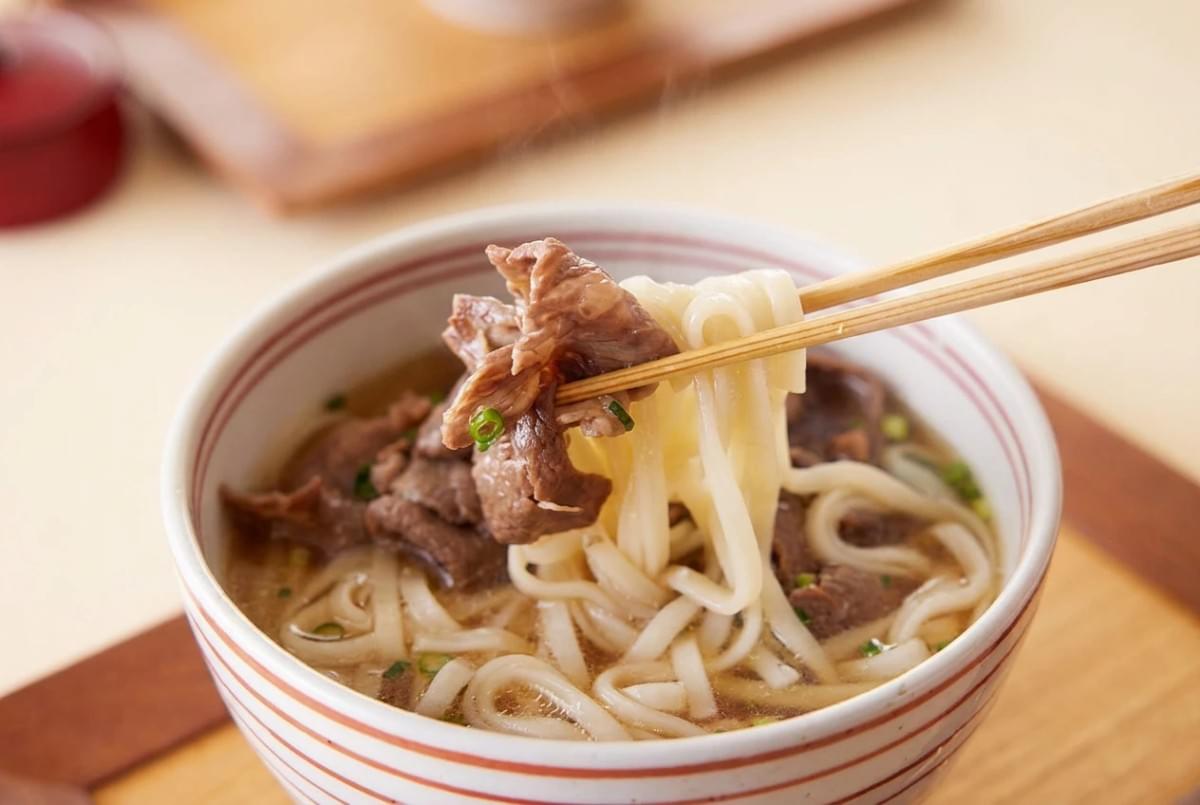
The name tells you most of it. "Niku" means meat (here, beef), and "udon" are those thick, chewy wheat noodles you have probably slurped before.
Put them together and you get a bowl of udon in a light dashi broth, topped with thinly sliced beef that has been simmered in a sweet and savory sauce. Dashi, if it is new to you, is the gentle stock at the heart of so much Japanese cooking. It carries that deep, savory hum people call umami.
Niku udon is everyday comfort in Japan, the kind of thing eaten at noodle shops and home kitchens alike. Nothing fancy. Just warm, honest food that fills you up.
What You'll Love About This Recipe
- The beef turns out sweet, savory, and meltingly tender in minutes.
- The broth is light but deeply flavored, easy to sip to the last drop.
- It comes together fast enough for a weeknight.
- It bends to your fridge, so toppings are yours to choose.
- One pot, one bowl, minimal fuss.
- Ingredients Overview
Ingredients Overview
Here is what goes in, with a few notes to help you shop.
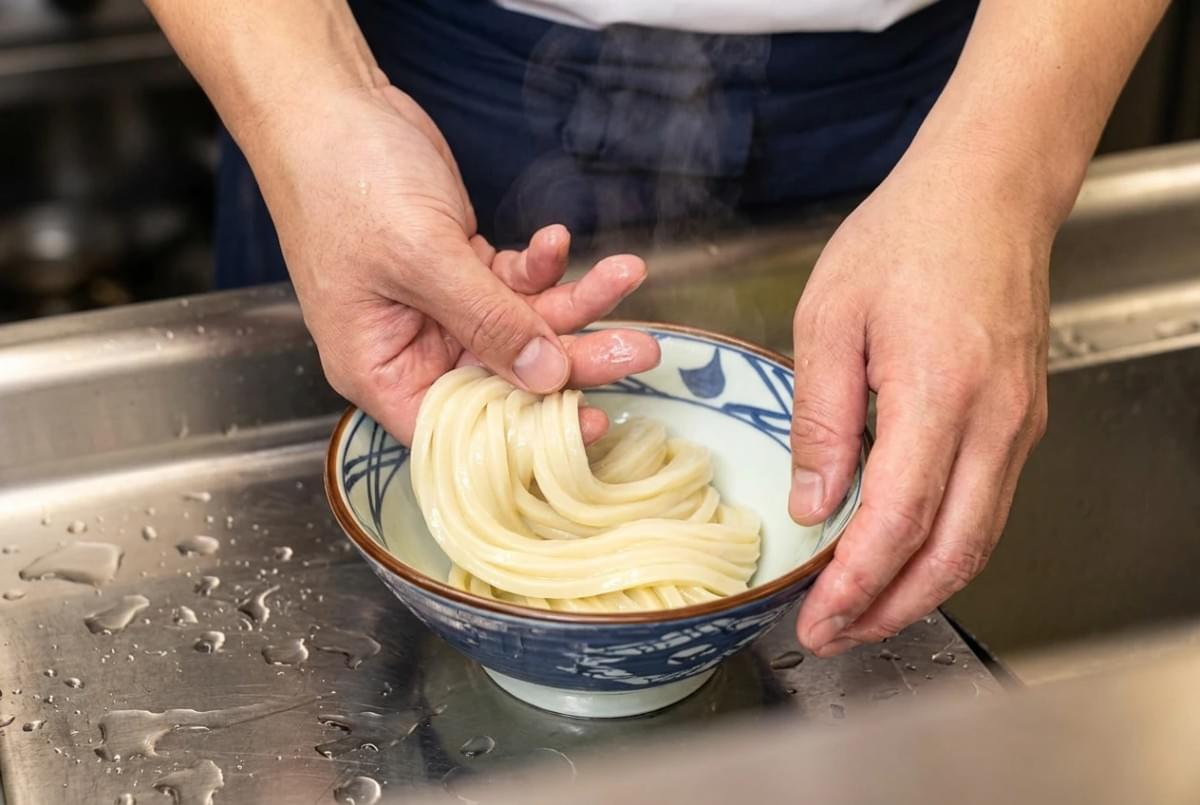
Udon noodles
Fresh, frozen, or dried all work. Frozen udon has the springiest chew and reheats beautifully, so it is my quiet favorite. Fresh is lovely too. Dried is fine in a pinch, just cook it carefully so it stays bouncy.
The beef
You want beef sliced very thin, almost see-through. Look for shabu-shabu or hot pot slices at an Asian grocery. Thin slices cook in seconds and stay soft. Fattier cuts like ribeye or chuck bring the most flavor.
The broth base
This is where the magic lives.
- Dashi (about 4 cups / 960 ml), your savory foundation
- Soy sauce, for salt and depth
- Mirin, a sweet rice wine that adds shine and gentle sweetness
- A little sugar, to round the beef into that sweet-savory place
Aromatics and toppings
- Green onions, sliced
- Spinach or other tender greens
- A soft-boiled egg, if you like
- Kamaboko (fish cake) for a classic touch
- A pinch of chili, for those who want a little warmth
Step-by-Step: How to Make Niku Udon
Read through once, then let's go. It moves quickly, so have everything close.
1. Prep everything first
Slice your green onions, rinse your greens, and have the beef ready. Thin beef cooks in a blink, so you want it waiting, not the other way around.
2. Make the broth
In a pot, bring the dashi to a gentle simmer. Stir in the soy sauce and mirin, then taste. It should taste savory and slightly sweet, like a broth you could happily sip on its own. Adjust with a little more soy sauce for salt, or mirin for sweetness.
3. Simmer the beef gently
Push the broth down to a low simmer. Add a small spoonful of sugar and lay the beef slices in, separating them as you go. Cook just until they lose their pink, about 1 to 2 minutes. The moment they turn from red to soft brown, they are done. Lift them out and set them aside so they stay tender.
4. Cook and warm the udon
Cook the noodles in a separate pot of water according to the package. Frozen udon takes only a minute or two. Drain them well. Cooking them apart keeps your broth clean and clear, not cloudy and starchy.
5. Assemble the bowls
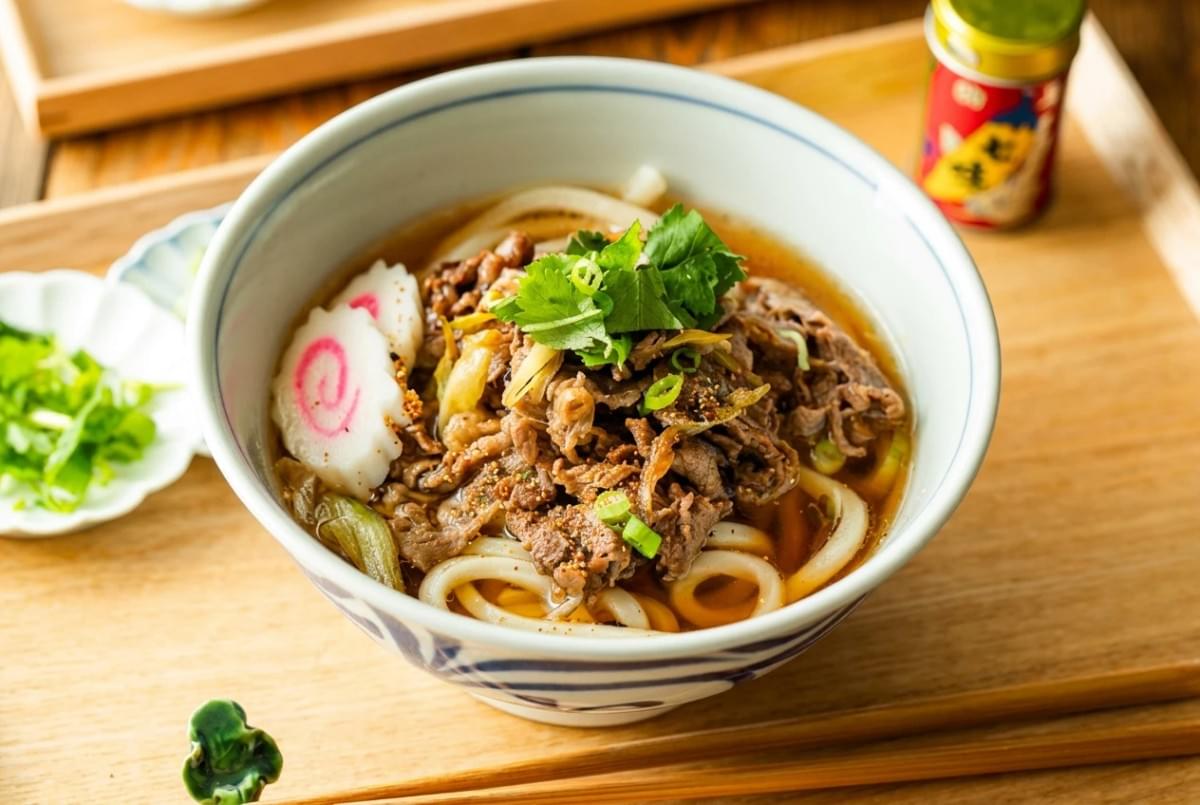
Divide the warm udon into bowls. Ladle the hot broth over the top. Pile on the beef, then finish with green onions, greens, and any toppings you love. Serve steaming, and slurp with pride.
Pro Tips for Tender Beef and a Clear Broth
- Do not overcook the beef. Thin slices go from silky to tough fast. Pull them the second they turn color.
- Keep the simmer gentle. A hard boil clouds the broth and toughens the meat. Soft, lazy bubbles are what you want.
- Taste, then adjust. Soy sauce brings salt, mirin brings sweetness. Nudge each until the broth tastes right to you.
- Cook noodles separately. Starchy noodle water muddies the broth. Keep them in their own pot for a clean bowl.
- Warm your bowls. A quick rinse with hot water keeps everything piping through the last bite.
Topping Ideas
Make it your bowl.
- Soft-boiled egg with a jammy center
- Slices of kamaboko (fish cake)
- Wilted spinach or napa cabbage
- Thinly sliced raw green onion
- A sprinkle of shichimi togarashi or a few chili flakes
- Toasted sesame seeds
- A little grated ginger for brightness
Serving Suggestions
Niku udon is filling on its own, so keep the sides light.
- A cool cucumber salad
- A small dish of edamame
- A few crisp gyoza on the side
- Japanese pickles for a sharp, bright bite
Storage and Reheating
Store the broth and noodles separately when you can. Noodles left sitting in broth drink it up and turn soft, and you want them springy.
Both keep in airtight containers in the fridge for 2 to 3 days. Reheat the broth gently on the stove, warm the noodles briefly, then bring them together just before eating. Go easy so the noodles stay bouncy and the beef stays tender.
Freezing is not ideal here, since the noodles lose their texture. This one is happiest fresh.
FAQ
Can I make it without dashi?
You can. A light chicken or vegetable stock will stand in, though the flavor shifts a little. Add a splash more soy sauce to deepen it.
What beef is best?
Thinly sliced fatty cuts like ribeye or chuck give the richest flavor. Shabu-shabu slices from an Asian grocery are perfect and cook in seconds.
Can I use dried udon?
Yes. Cook it carefully according to the package so it stays springy, then drain well before adding to your bowl.
How do I keep the noodles springy?
Cook them separately from the broth, drain them well, and combine everything just before serving.
Is niku udon spicy?
Not by default. It is gentle and savory. Add chili flakes or shichimi togarashi at the table if you want a little heat.
Can I make it vegetarian?
Absolutely. Use a kombu and shiitake dashi, and swap the beef for seared mushrooms or tofu.
Why did my broth turn cloudy?
Usually a hard boil, or noodles cooked in the broth. Keep the simmer gentle and cook the noodles apart.
Recipe Card
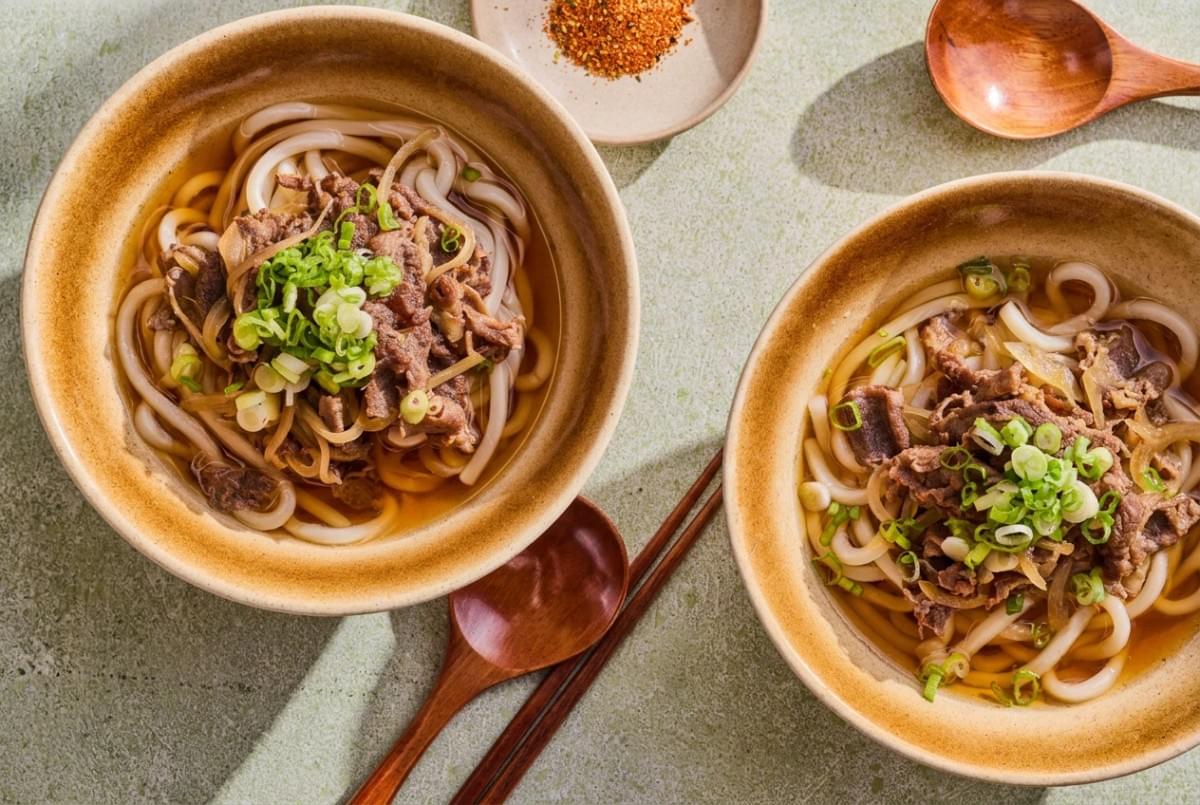
Japanese Niku Udon
- Yield: 4 servings
- Prep time: 10 minutes
- Cook time: 15 minutes
- Total time: 25 minutes
Ingredients
- 400 g (14 oz) udon noodles (fresh, frozen, or dried)
- 300 g (about 10 oz) thinly sliced beef (shabu-shabu, ribeye, or sirloin)
- 4 cups (960 ml) dashi
- 3 tablespoons soy sauce
- 2 tablespoons mirin
- 1 tablespoon sugar
- 2 green onions, sliced
- A handful of spinach
- Optional: soft-boiled egg, kamaboko, chili flakes, sesame seeds
Instructions
- Prep all ingredients before you begin.
- Bring the dashi to a gentle simmer, then stir in the soy sauce and mirin. Taste and adjust.
- Lower the heat, add the sugar, and simmer the beef slices just until they turn from pink to soft brown, about 1 to 2 minutes. Lift out and set aside.
- Cook the udon separately according to the package, then drain well.
- Divide the noodles into bowls, ladle the broth over, and top with the beef, green onions, greens, and any extras.
Notes
- Keep the simmer gentle for tender beef and a clear broth.
- Store broth and noodles separately, and use within 2 to 3 days.
- Swap in tamari and gluten-free noodles for a gluten-free bowl.
- For a meat-free version, use kombu-shiitake dashi and seared mushrooms or tofu.
One Last Slurp
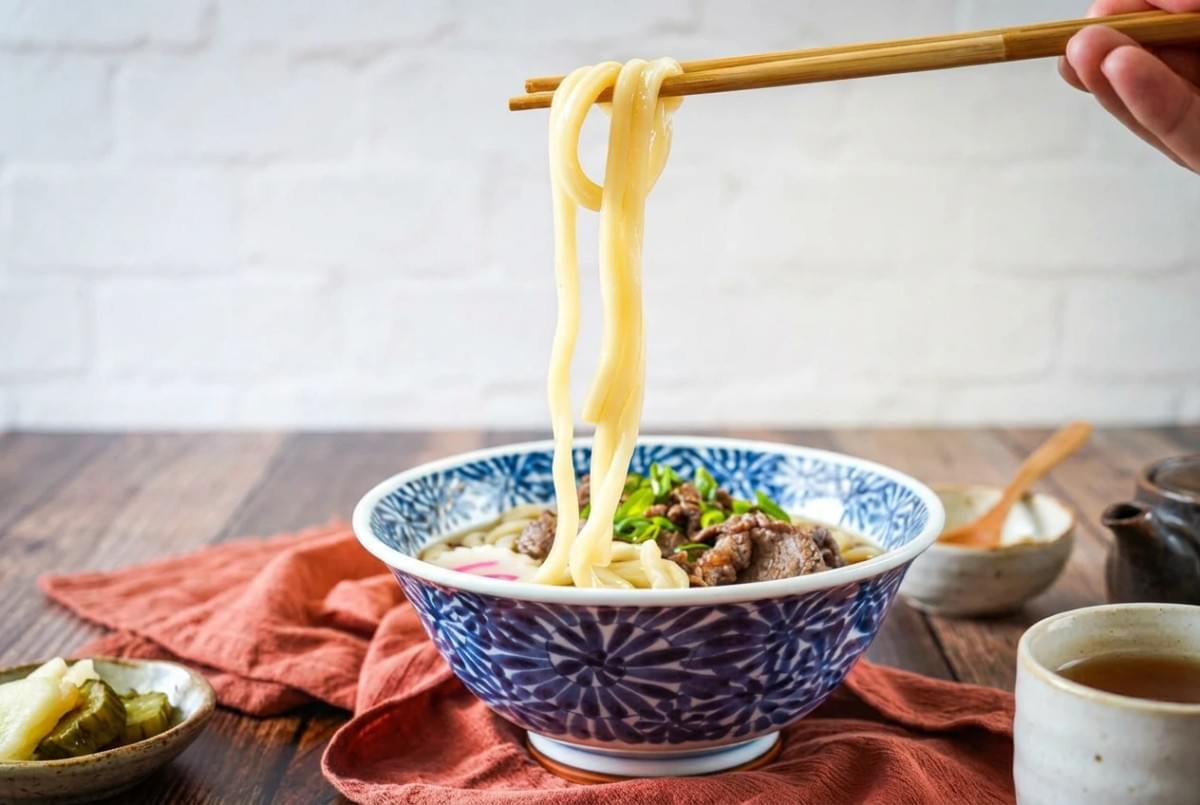
Some dinners you make to impress. This one you make to feel better.
Niku udon does not ask much of you. A gentle pot of broth, a few slices of beef, and the patience to keep the heat low. In return, you get a bowl that steams, comforts, and disappears faster than you expect.
Make it your own. Add the egg, or don't. Reach for the chili, or leave it be.
Want more cozy, weeknight-friendly recipes like this? Visit Our Food Rhythms for fresh ideas, and come tell us how your niku udon turned out. We would love to know which toppings you piled on, and whether you slurped it standing up at the stove before it even reached the table.
