

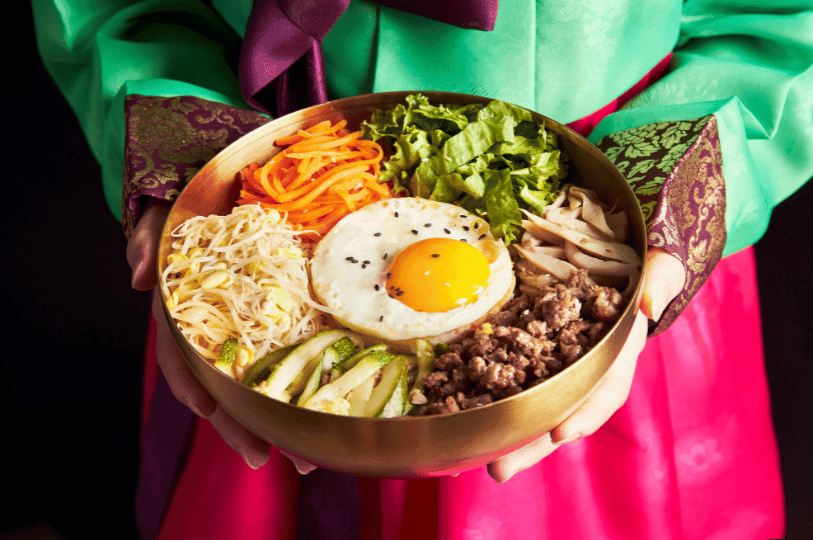
Few dishes are as visually stunning and nutritionally balanced as Korean bibimbap. The name itself, which translates to "mixed rice," perfectly describes this beloved dish: a beautiful bowl of warm rice topped with an artful arrangement of seasoned vegetables, savory meat, a glistening egg, and a dollop of spicy-sweet gochujang sauce. It is a symphony of colors, textures, and flavors that represents the heart of Korean home cooking.
More than just a meal, bibimbap is a customizable and interactive culinary experience. It is a perfect solution for a quick weeknight dinner, a fantastic way to use up leftover vegetables, and a brilliant introduction to the vibrant flavors of Korean cuisine. This comprehensive guide will walk you through every step of creating this iconic dish at home, offering tips to make it budget-friendly and adaptable to your taste.
Understanding the Key Ingredients
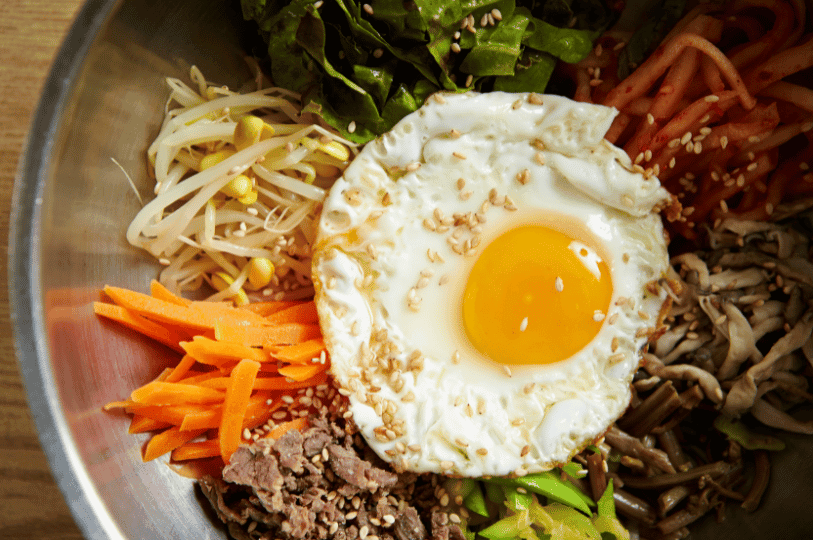
Bibimbap is all about the harmony between its various components. While highly customizable, a few key ingredients are essential for achieving its authentic flavor.
- Rice: The foundation of the dish. Short-grain white rice is traditional, as its slightly sticky texture is ideal for mixing with the other ingredients.
- Vegetables (Namul): A variety of seasoned vegetables are artfully arranged on top of the rice. Common choices include spinach, bean sprouts, carrots, zucchini, and shiitake mushrooms. Each is typically blanched or stir-fried separately and seasoned lightly with sesame oil, garlic, and salt.
- Protein: Thinly sliced, marinated beef (bulgogi) is a classic choice. However, you can easily substitute it with ground beef, chicken, pork, or tofu for a vegetarian option.
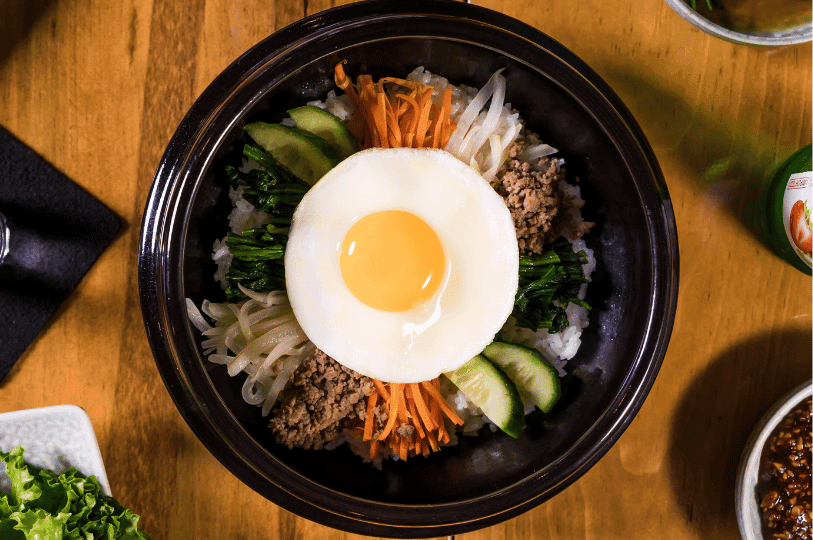
- Egg: A sunny-side-up or fried egg with a runny yolk is the crowning glory of bibimbap. When mixed into the hot rice, the yolk creates a rich, creamy sauce that binds everything together.
- Gochujang Sauce: This is the soul of bibimbap's flavor. Gochujang, a fermented Korean chili paste, is mixed with other ingredients like sesame oil, sugar, and vinegar to create a savory, spicy, and slightly sweet sauce that ties the whole dish together.
The Heart of the Dish: Gochujang Sauce
Gochujang is a staple in Korean cooking, known for its complex flavor that is simultaneously spicy, savory, and a little sweet. For bibimbap, this paste is thinned out to create a pourable sauce. Making your own bibimbap sauce is simple and allows you to control the level of spice and sweetness.
A basic sauce combines:
- Gochujang: The main ingredient, providing heat and depth.
- Sesame Oil: Adds a nutty, aromatic fragrance.
- Sugar or Honey: Balances the spice and saltiness.
- Rice Vinegar: Provides a slight tang to brighten the flavors.
- Minced Garlic: Adds a pungent, savory note.
Step-by-Step Bibimbap Recipe
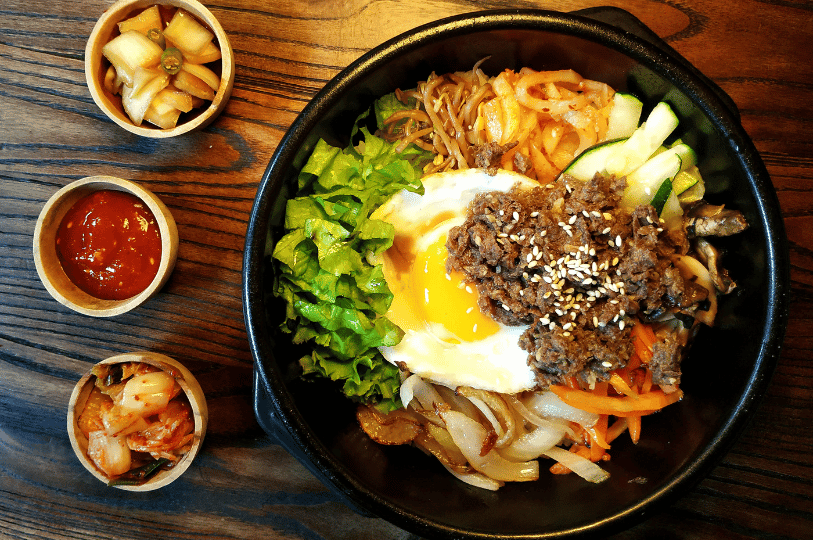
This recipe is designed to be a template. Feel free to swap the vegetables or protein based on what you have available.
Ingredients:
For the Rice:
- 2 cups short-grain rice, cooked
For the Vegetables:
- 5 oz spinach
- 4 oz bean sprouts
- 1 large carrot, julienned
- 1 small zucchini, julienned
- 4-5 dried shiitake mushrooms, rehydrated and sliced
- 4 teaspoons sesame oil, divided
- 2 cloves garlic, minced and divided
- Salt to taste
For the Beef:
- 1/2 lb sirloin steak, thinly sliced
- 1 tablespoon soy sauce
- 1 teaspoon sesame oil
- 1 teaspoon minced garlic
- 1/2 teaspoon sugar
For the Bibimbap Sauce:
- 3 tablespoons gochujang
- 1 tablespoon sesame oil
- 1 tablespoon sugar or honey
- 1 tablespoon water
- 1 teaspoon rice vinegar
- 1 teaspoon minced garlic
For Assembly:
- 4 large eggs
- Toasted sesame seeds for garnish
Instructions:
- Prepare the Rice: Cook the rice according to package directions. While the rice cooks, prepare the other components.
- Marinate the Beef: In a small bowl, combine the sliced beef with soy sauce, sesame oil, minced garlic, and sugar. Set aside to marinate for at least 15 minutes.
- Prepare the Vegetables:
- Spinach: Blanch the spinach in boiling water for 30 seconds. Drain and rinse with cold water. Squeeze out all excess moisture. In a bowl, toss the spinach with 1 teaspoon of sesame oil, a pinch of minced garlic, and a pinch of salt.
- Bean Sprouts: Blanch the bean sprouts in boiling water for 1-2 minutes. Drain, rinse with cold water, and gently squeeze out excess moisture. Toss with 1 teaspoon of sesame oil and a pinch of salt.
- Carrots and Zucchini: In a skillet over medium-high heat, add 1 teaspoon of sesame oil. Sauté the julienned carrots for 2-3 minutes until slightly tender. Season with salt. Remove from the pan. Repeat the process with the zucchini.
- Mushrooms: In the same skillet, add the remaining 1 teaspoon of sesame oil. Sauté the sliced shiitake mushrooms with a pinch of minced garlic until cooked through.
- Cook the Beef: Add the marinated beef to the hot skillet and cook until it is no longer pink and slightly caramelized.
- Make the Gochujang Sauce: In a small bowl, whisk together all the sauce ingredients: gochujang, sesame oil, sugar, water, rice vinegar, and minced garlic. Adjust sweetness or spice to your liking.
- Fry the Eggs: In a non-stick skillet, fry the eggs sunny-side up, keeping the yolks runny.
- Assemble the Bowls: Divide the cooked rice among four bowls. Artfully arrange small portions of each prepared vegetable and the cooked beef on top of the rice in separate sections. Place a fried egg in the center of each bowl. Garnish with toasted sesame seeds and serve immediately with the gochujang sauce on the side.
To eat, add your desired amount of sauce, then use a spoon and chopsticks to vigorously mix everything together before taking your first bite.
Budget-Friendly and Quick-Meal Tips
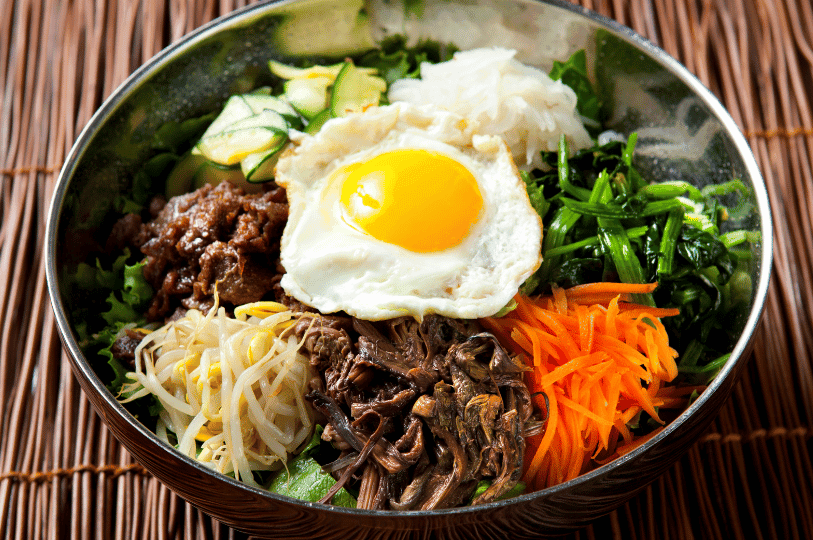
Bibimbap is an inherently budget-friendly and adaptable dish.
- Use Seasonal Vegetables: Choose vegetables that are in season and locally available. Cabbage, bell peppers, and cucumbers are all great options.
- Go Meatless: Omit the meat and add pan-fried tofu or an extra serving of mushrooms to make the dish vegetarian and lower the cost.
- Utilize Leftovers: Bibimbap is the perfect way to use up leftover rice and small amounts of vegetables from other meals.
- Quick Prep: To save time, use a food processor with a julienne blade for the vegetables. You can also buy pre-shredded carrots from the store.
Nutritional Information and Health Benefits
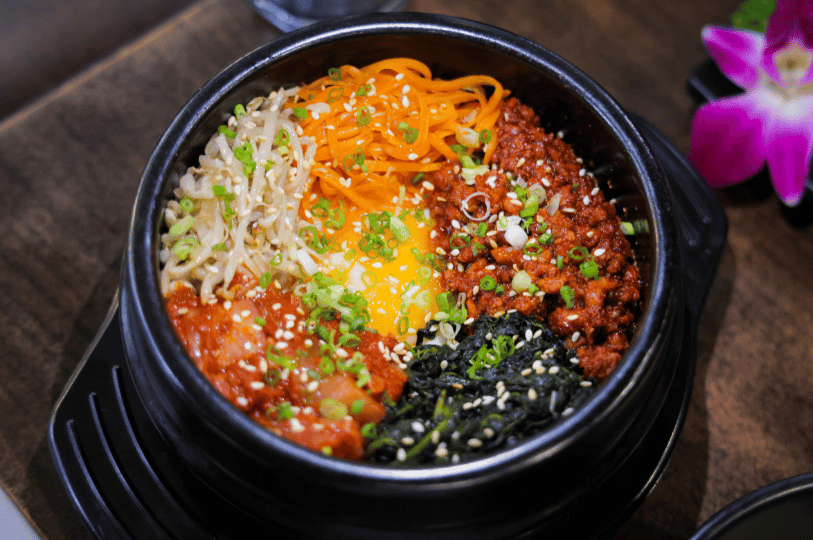
Bibimbap is a wonderfully balanced and nutritious meal. It provides a healthy mix of carbohydrates from the rice, protein from the meat and egg, and a wide array of vitamins and minerals from the colorful assortment of vegetables. The fermentation process used to make gochujang also introduces beneficial probiotics that can support gut health. By controlling the amount of oil and sauce, you can easily create a light yet satisfying meal.
Variations and Customization
The beauty of bibimbap is its versatility.
- Dolsot Bibimbap: For a restaurant-style experience, serve the dish in a preheated stone bowl (dolsot). The hot bowl creates a delicious crispy layer of rice at the bottom.
- Seafood Bibimbap: Substitute the beef with cooked shrimp or squid.
- Spicy Pork: Use ground pork seasoned with gochujang and ginger instead of beef.
- Dietary Needs: For a gluten-free version, use tamari instead of soy sauce. For a low-carb option, serve the toppings over a bed of quinoa or cauliflower rice.
Storage and Meal Prep
Bibimbap is an excellent candidate for meal prepping.
- Prepare Components Ahead: You can cook the rice and prepare all the vegetable and meat toppings in advance. Store each component in separate airtight containers in the refrigerator for up to 4 days.
- Quick Assembly: When ready to eat, simply reheat the rice and toppings, fry a fresh egg, and assemble your bowl. The gochujang sauce can also be made ahead and stored in the fridge for a week.
Bibimbap is more than a recipe; it is a concept. It is a celebration of balance, flavor, and the joy of creating a meal that is uniquely yours. We encourage you to embrace its customizable nature, fill your bowl with the ingredients you love, and enjoy the simple, satisfying pleasure of mixing it all together.
