

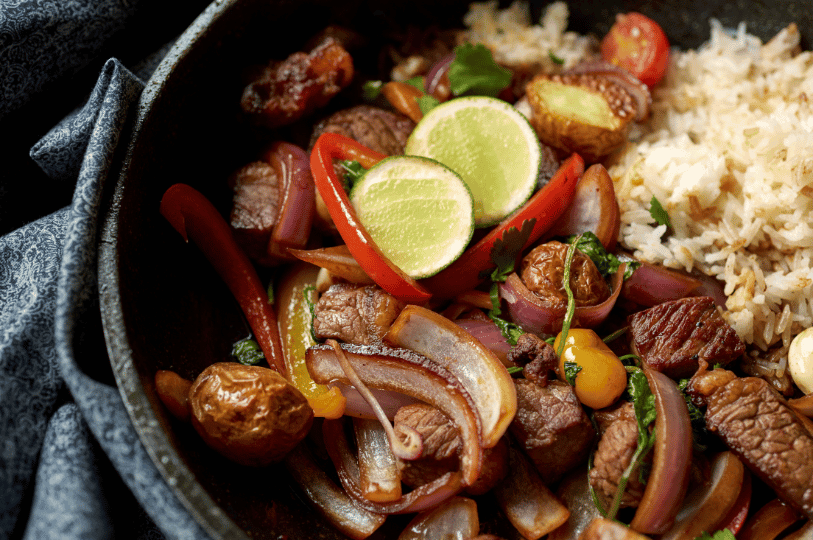
In the vibrant landscape of global cuisine, some dishes tell a story not just of flavor, but of history, migration, and cultural exchange. Peruvian Lomo Saltado is one such dish. At first glance, it appears to be a hearty beef stir-fry, but a closer look reveals a brilliant fusion of South American and East Asian culinary traditions. This iconic Peruvian meal, featuring succulent strips of beef, flame-kissed onions, juicy tomatoes, and crispy french fries, is a delicious testament to the country's diverse heritage.
As this week’s featured recipe, we delve into the world of Lomo Saltado, a dish that perfectly captures the spirit of Chifa cuisine, the unique blend of Chinese and Peruvian cooking. It is a meal that is both comforting and exciting, uniting the familiar sizzle of a stir-fry with the beloved potato, a staple of the Andes. This guide will explore its fascinating origins, break down its key components, and provide you with the knowledge to recreate this celebrated dish in your own kitchen.
A Delicious Collision of Cultures
The story of Lomo Saltado begins in the mid-19th century with the arrival of Chinese immigrants in Peru. These laborers, primarily from the Canton region, came to work on coastal plantations and in railroad construction. They brought with them their culinary traditions, including stir-frying techniques using a wok, soy sauce, and rice.
As these communities settled, they began to integrate local Peruvian ingredients into their cooking. They adapted their methods to incorporate potatoes, tomatoes, and the fiery aji amarillo pepper. This blending of cultures gave rise to a new style of cooking known as Chifa, a term derived from the Mandarin phrase "chi fan," meaning "to eat rice." Lomo Saltado, which translates to "salted loin," is arguably the most famous and beloved dish to emerge from this tradition. It represents a beautiful culinary dialogue between two continents, a dish that is proudly Peruvian yet deeply influenced by Chinese heritage.
Understanding the Key Ingredients
Lomo Saltado is a dish defined by its harmonious contrast of flavors and textures. The quality of its ingredients is essential for achieving an authentic result.
- Beef: The star of the dish is traditionally lomo fino, or beef tenderloin. This cut is prized for its tenderness, which allows it to be cooked quickly at a high temperature without becoming tough. Sirloin steak is an excellent and more budget-friendly alternative.
- Aji Amarillo: This Peruvian yellow chili pepper is the soul of many Peruvian dishes. It provides a unique fruity heat that is more flavorful than it is overwhelmingly spicy. It is most often used in paste form in Lomo Saltado.
- Soy Sauce: A direct contribution from Chinese cuisine, soy sauce provides the dish's savory, umami-rich base.
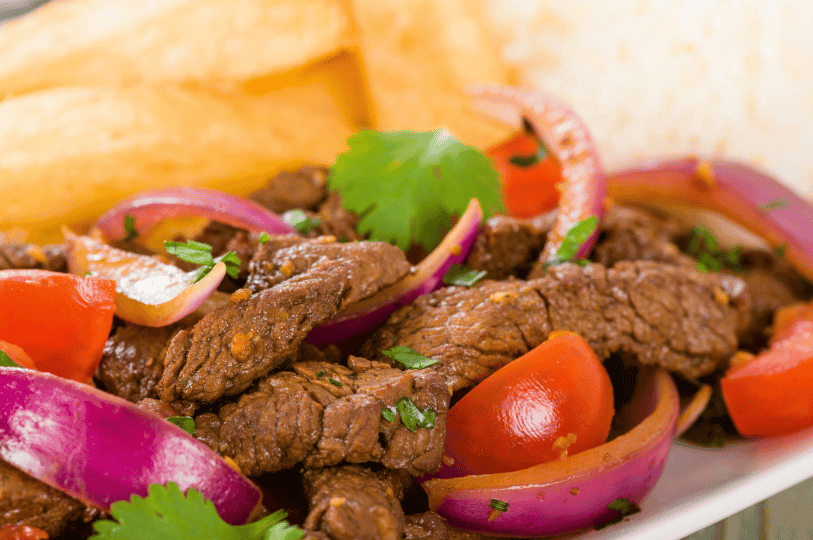
- Onions and Tomatoes: Thickly sliced red onions and juicy tomato wedges are added towards the end of cooking. They are stir-fried just long enough to be heated through while retaining their shape and a slight crunch, providing freshness and acidity.
- French Fries: Perhaps the most surprising ingredient, thick-cut fried potatoes are a non-negotiable part of classic Lomo Saltado. They can either be tossed with the stir-fry just before serving or served alongside, ready to soak up the delicious sauce.
- Vinegar: A splash of red wine vinegar adds a crucial element of acidity, cutting through the richness of the beef and the saltiness of the soy sauce.
The Art of the Sizzle: Cooking Techniques
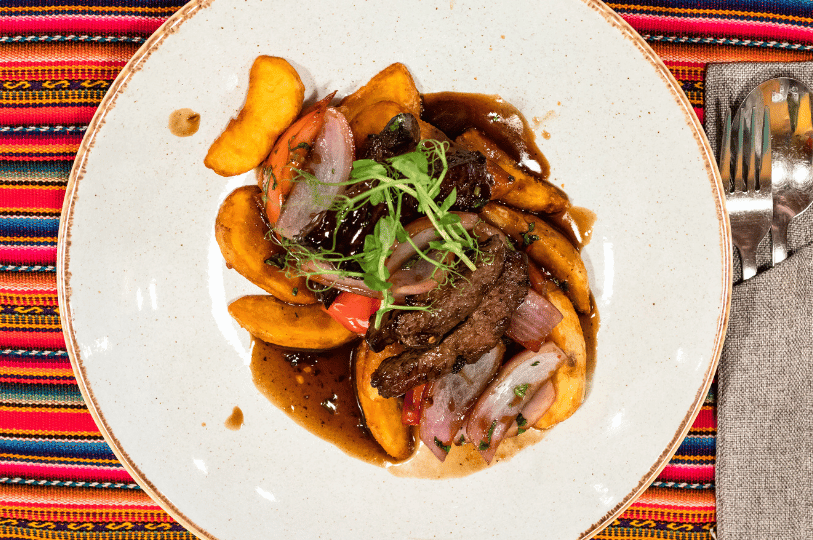
The secret to great Lomo Saltado is high heat and speed. The goal is to achieve a salteado, a stir-fry that quickly sears the ingredients, giving them a smoky flavor while keeping them tender.
Tips for Authentic Flavor
- High Heat is Essential: Use a wok or a large, heavy-bottomed skillet and get it screaming hot before you add any ingredients. This ensures the beef sears quickly, creating a flavorful crust without overcooking the inside.
- Do Not Crowd the Pan: Cook the beef in batches if necessary. Overcrowding the pan will lower the temperature, causing the beef to steam instead of sear. This is crucial for developing the dish's signature flavor.
- Prepare Everything in Advance: A stir-fry comes together in minutes. Have all your ingredients chopped, measured, and ready to go before you start cooking. This practice, known as mise en place, is essential for a smooth process.
- The Flame-Kissed Finish: In Peru, chefs often create a dramatic flare-up by adding pisco or another spirit to the hot wok. While not necessary for home cooks, this step adds a smoky essence. You can achieve a similar effect by ensuring your pan is extremely hot.
Variations and Modern Adaptations
While the classic beef version is king, Lomo Saltado is a versatile concept that has been adapted in many ways.
- Chicken or Pork: Substitute the beef with bite-sized pieces of chicken breast or pork loin for a different take, often called Pollo Saltado.
- Seafood Version: Shrimp or mixed seafood can be used for a lighter, coastal-inspired variation.
- Vegetarian Saltado: Create a hearty vegetarian version by using firm tofu or a medley of mushrooms as the main component.
- Tacu Tacu con Lomo Saltado: A popular and incredibly satisfying variation involves serving the Lomo Saltado over tacu tacu, a pan-fried patty of leftover rice and beans.
Serving Suggestions and Pairings
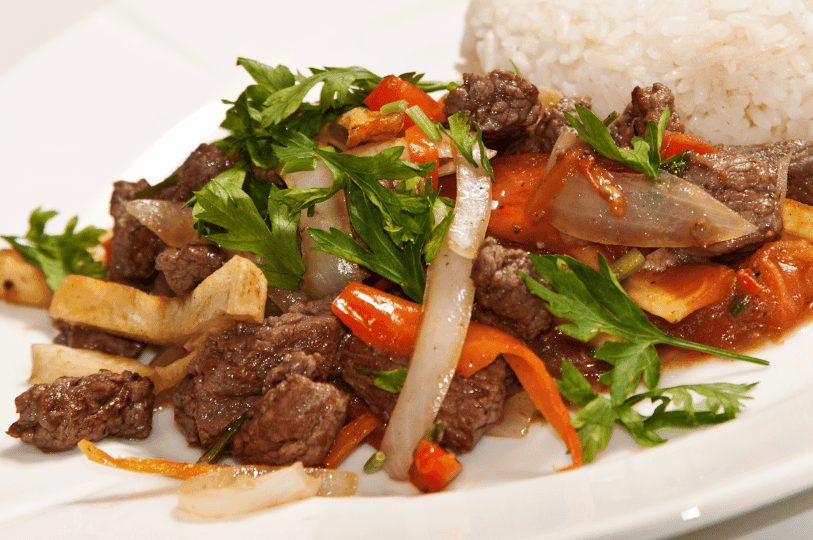
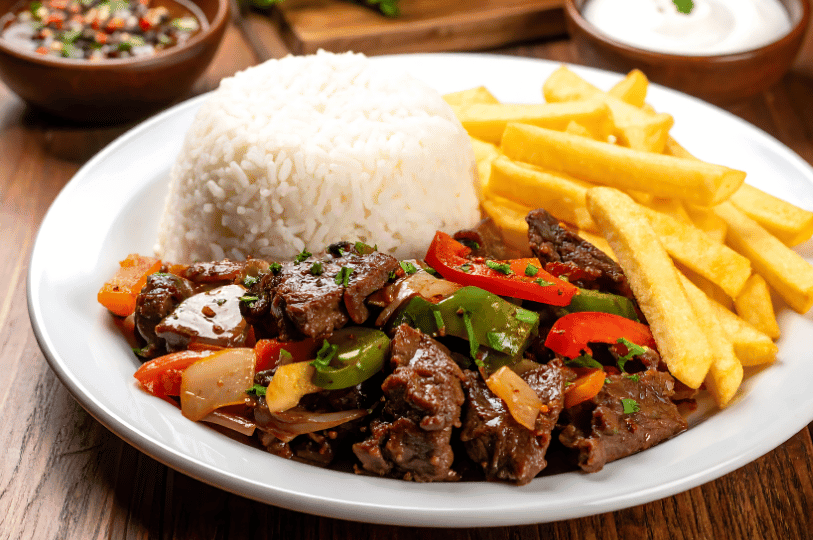
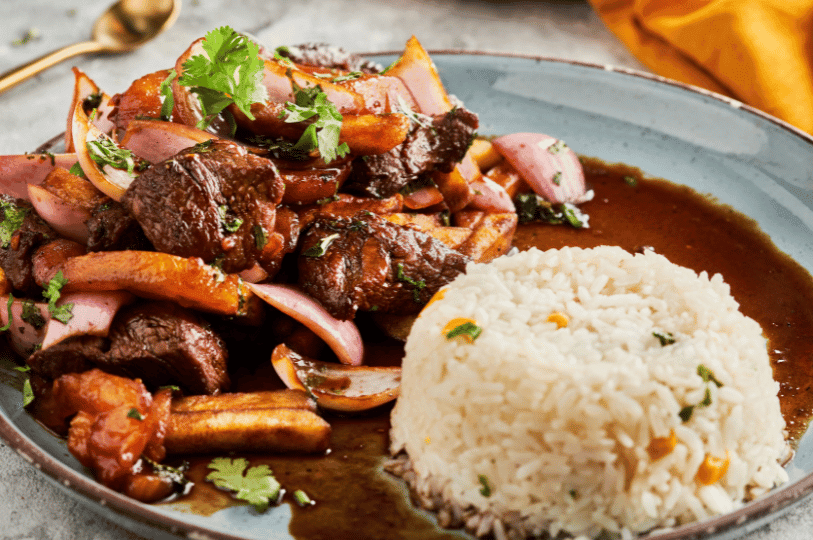
Lomo Saltado is traditionally served as a complete meal in a single bowl, showcasing its unique fusion. It is almost always accompanied by a side of plain white rice, which serves as the perfect neutral base to absorb the rich, flavorful sauce. The combination of stir-fried meat and vegetables, french fries, and rice is a carb-lover's dream and a deeply satisfying meal.
To drink, a glass of Inka Kola, the iconic Peruvian soft drink with a bubblegum-like flavor, is a classic pairing. For an adult beverage, a light lager beer or a Pisco Sour, Peru's national cocktail, would complement the dish beautifully.
Meal Prep for Lomo Saltado
While Lomo Saltado is best enjoyed fresh, you can certainly prepare some components ahead of time to make weeknight cooking faster.
- Pre-chop Vegetables: The onions and tomatoes can be sliced ahead of time and stored in airtight containers in the refrigerator.
- Marinate the Beef: You can slice the beef and marinate it in the soy sauce mixture for a few hours before cooking.
- Prepare the Sauce: The sauce components (soy sauce, vinegar, aji amarillo paste) can be mixed and stored in a jar.
- Potatoes: You can use high-quality frozen french fries to save time, or peel and cut your potatoes ahead of time and keep them submerged in cold water until you are ready to fry.
Lomo Saltado is so much more than a stir-fry. It is a delicious narrative of Peruvian history, served in a bowl. It represents the beautiful outcome of cultural exchange, a dish that honors its roots while creating something entirely new and exciting. We encourage you to try your hand at this iconic recipe and experience the vibrant, soulful flavors of Peru for yourself.
