

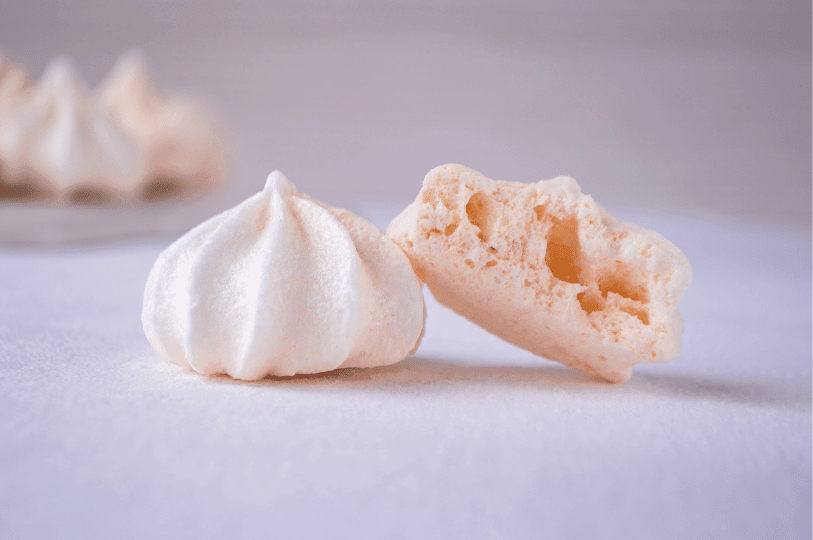
There is a unique and simple magic in transforming egg whites and sugar into something as ethereal and delightful as a meringue cookie. These delicate confections are impossibly light, crisp on the outside, and often have a soft, marshmallowy center. They melt in your mouth, leaving behind a whisper of sweetness. Meringue cookies are a testament to the power of culinary science, showing how a few humble ingredients can create something truly elegant.
While their delicate appearance might seem intimidating, making meringue cookies at home is a rewarding and accessible process for any baker. This comprehensive guide will demystify the art of meringue, from its fascinating history to the scientific principles that give it its structure. We will explore the different types of meringue, troubleshoot common issues, and inspire you with creative flavor variations, giving you the confidence to master these light-as-air pastries.
A Brief History of Meringue
The story of meringue is rooted in European culinary history, with its exact origins being a topic of sweet debate. One popular legend attributes the invention to a Swiss pastry chef named Gasparini, who created it in the small town of Meiringen in the late 17th or early 18th century. However, earlier recipes for similar egg white and sugar confections have been found in English and French cookbooks.
Regardless of its precise birthplace, meringue gained immense popularity in the courts of Europe. It was famously adored by Queen Marie Antoinette of France, who reportedly enjoyed making the treats herself. Over the centuries, pastry chefs refined the technique, leading to the development of the three distinct meringue methods we know today.
The Three Types of Meringue
Understanding the different types of meringue is key to expanding your baking skills. While all are based on egg whites and sugar, the method of incorporating the sugar creates different levels of stability.
French Meringue
This is the simplest and most common type, making it perfect for beginner-friendly cookies. It involves gradually beating raw granulated or superfine sugar into egg whites until stiff, glossy peaks form. French meringue is the least stable of the three, so it should be baked immediately after preparing.
2. Swiss Meringue
This method involves a gentle heating step that creates a much more stable and dense meringue. Egg whites and sugar are whisked together over a double boiler until the sugar has completely dissolved and the mixture is warm to the touch. The mixture is then whipped at high speed until it is cool, thick, and glossy. Swiss meringue is excellent for decorative piping and stable icings.
3. Italian Meringue
This is the most stable and most complex meringue to make. It involves whipping egg whites while slowly streaming a hot sugar syrup into them. The heat from the syrup cooks the egg whites, resulting in a very smooth, firm, and glossy meringue that is safe to eat without further baking. It is often used for buttercream frostings, mousses, and the topping for lemon meringue pie.
For this guide, we will focus on the classic French method, as it is the most straightforward for making simple, delicious meringue cookies.
The Essential Ingredients
The beauty of meringue lies in its simplicity. Only a few basic ingredients are needed, but each one plays a crucial scientific role.
- Egg Whites: This is the foundation of the meringue. The proteins in egg whites are what create the structure. When whipped, these proteins unfold and trap air bubbles, creating the foam. For the best results, use fresh egg whites at room temperature, as they whip up with more volume.
- Sugar: Sugar serves two purposes. It adds sweetness and, more importantly, it stabilizes the egg white foam. The sugar dissolves and interacts with the protein strands, strengthening the structure and preventing the air bubbles from collapsing. Superfine or caster sugar is ideal because it dissolves more easily than granulated sugar.
- Acid: A small amount of acid, such as cream of tartar, lemon juice, or white vinegar, is a critical addition. Acid helps to stabilize the egg whites, allowing them to whip up to their full volume and preventing them from being over-whipped.
- Flavoring: Vanilla extract is a classic choice, but you can use any oil-free extract to flavor your meringue.
Step-by-Step Instructions for Perfect Meringue Cookies
This recipe uses the French meringue method. The key to success is patience and a completely clean, grease-free environment.
Ingredients:
- 4 large egg whites, at room temperature
- 1/2 teaspoon cream of tartar
- 1 cup superfine (caster) sugar
- 1 teaspoon vanilla extract
- A pinch of salt
Instructions:
- Preparation: Preheat your oven to a low temperature, around 225°F (110°C). Line two baking sheets with parchment paper. It is essential that your mixing bowl, whisk, and any other utensils are completely clean and free of any grease or fat, as even a tiny trace of oil can prevent the egg whites from whipping properly.
- Start Whipping: In the clean bowl of a stand mixer fitted with the whisk attachment, or using a hand mixer, beat the egg whites and cream of tartar on medium speed until they become foamy and opaque.
- Add Sugar Gradually: With the mixer still running, begin adding the superfine sugar one tablespoon at a time. This slow addition is crucial. Wait about 30 seconds between each addition to allow the sugar to dissolve into the egg whites.
- Whip to Stiff Peaks: Once all the sugar has been added, increase the mixer speed to high. Add the vanilla extract and pinch of salt. Continue to whip for 5-8 minutes, or until the meringue is very thick, glossy, and holds stiff, upright peaks when the whisk is lifted. To check if the sugar is dissolved, rub a small amount of meringue between your fingers; it should feel smooth, not gritty.
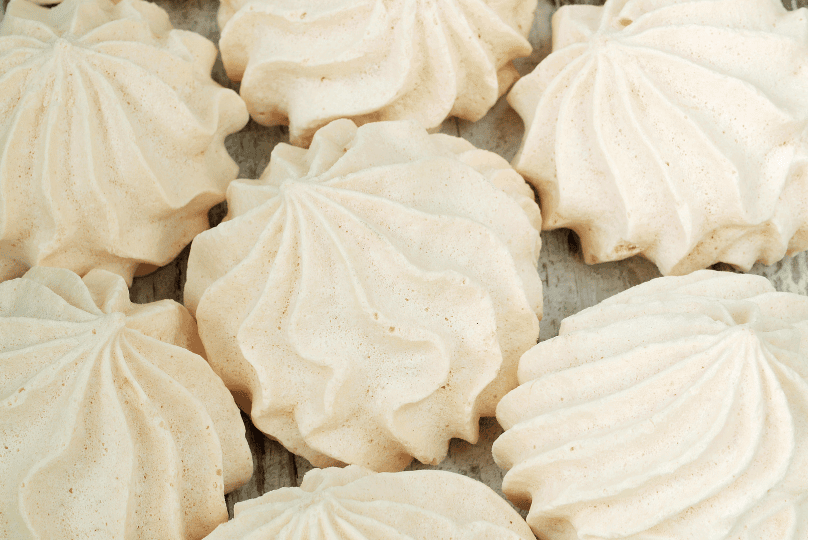
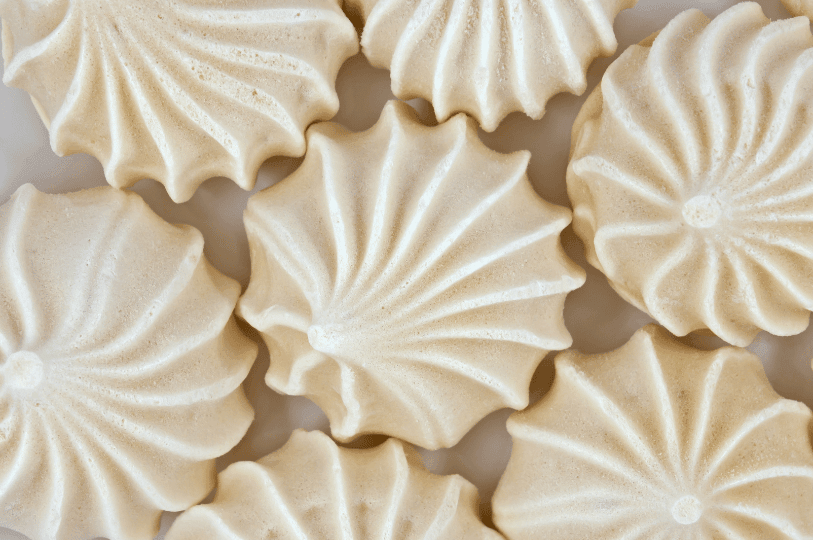
- Pipe the Cookies: Transfer the meringue to a piping bag fitted with a star tip or other desired nozzle. Pipe small mounds or rosettes onto the prepared baking sheets, leaving about an inch between each cookie.
- Bake Low and Slow: Place the baking sheets in the preheated oven. Bake for 60 to 90 minutes. The goal is to dry out the meringues rather than to bake them. They are done when they are dry and crisp to the touch and can be easily lifted off the parchment paper.
- Cool Completely: Turn off the oven and let the cookies cool completely inside the oven with the door slightly ajar. This slow cooling process helps prevent them from cracking.
Common Mistakes and How to Avoid Them
- Meringue Will Not Whip: This is almost always caused by traces of grease or egg yolk in the bowl or on the utensils. Ensure everything is immaculately clean.
- Weeping Meringue: If you see beads of sugary syrup on your baked meringues, it means the sugar did not fully dissolve. Use superfine sugar and add it very slowly.
- Cracked Cookies: This can be caused by an oven that is too hot or by cooling the meringues too quickly. A low temperature and a slow cool-down in the oven are essential.
- Chewy or Sticky Meringues: This is usually due to humidity. Meringue is very susceptible to moisture in the air. Avoid making meringue on a rainy or humid day if possible. If they are sticky after baking, they may need more time in the oven at a low temperature to dry out.
Flavor Variations and Add-Ins
Once you master the basic recipe, you can experiment with different flavors.
- Chocolate: Gently fold in a few tablespoons of unsweetened cocoa powder at the end, or fold in finely chopped chocolate for a speckled cookie.
- Citrus: Add a teaspoon of lemon, orange, or lime zest for a fresh, bright flavor.
- Coffee: Dissolve a teaspoon of instant espresso powder in the vanilla extract before adding it to the meringue.
- Nutty: Fold in finely chopped pistachios, almonds, or pecans after the meringue reaches stiff peaks.
Storage and Serving Suggestions
Proper storage is key to keeping meringue cookies crisp.
- Storage: Store the completely cooled cookies in an airtight container at room temperature for up to two weeks. Because they can be made well in advance, they are excellent for meal prep before a party or holiday. Do not refrigerate them, as the moisture will make them soft and sticky.
- Serving: Meringue cookies are wonderful on their own with a cup of coffee or tea. They can also be crumbled over ice cream or yogurt, used to decorate a cake, or sandwiched together with chocolate ganache or lemon curd.
A Sweet and Simple Delight
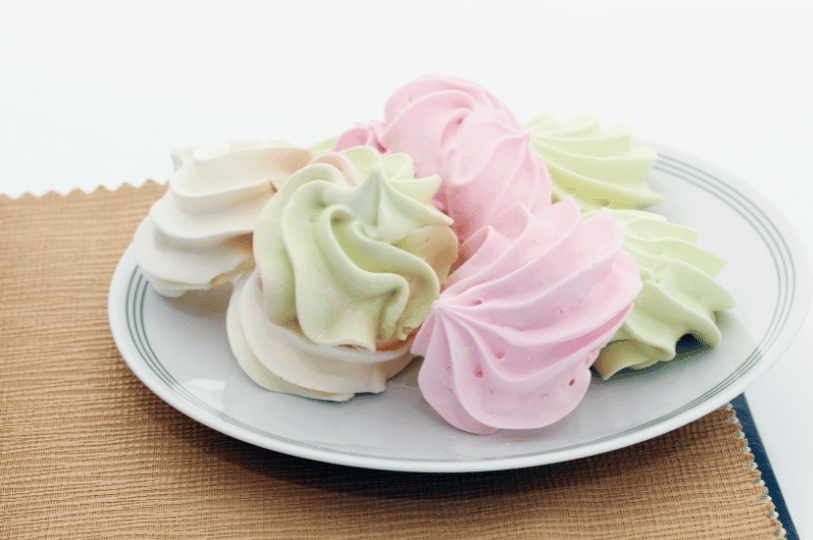
Meringue cookies are a beautiful exercise in culinary transformation. They teach patience, precision, and the remarkable potential of simple ingredients. We hope this guide has inspired you to try your hand at these elegant, airy treats. With a little practice, you will be whipping up perfect batches to share, enjoy, and celebrate with.
