

Melted chocolate and butter swirl together in a warm bowl. The cinnamon goes in, and the kitchen smells like a cup of hot cocoa on a cold night. Then a small pinch of cayenne, and you lean in a little closer.
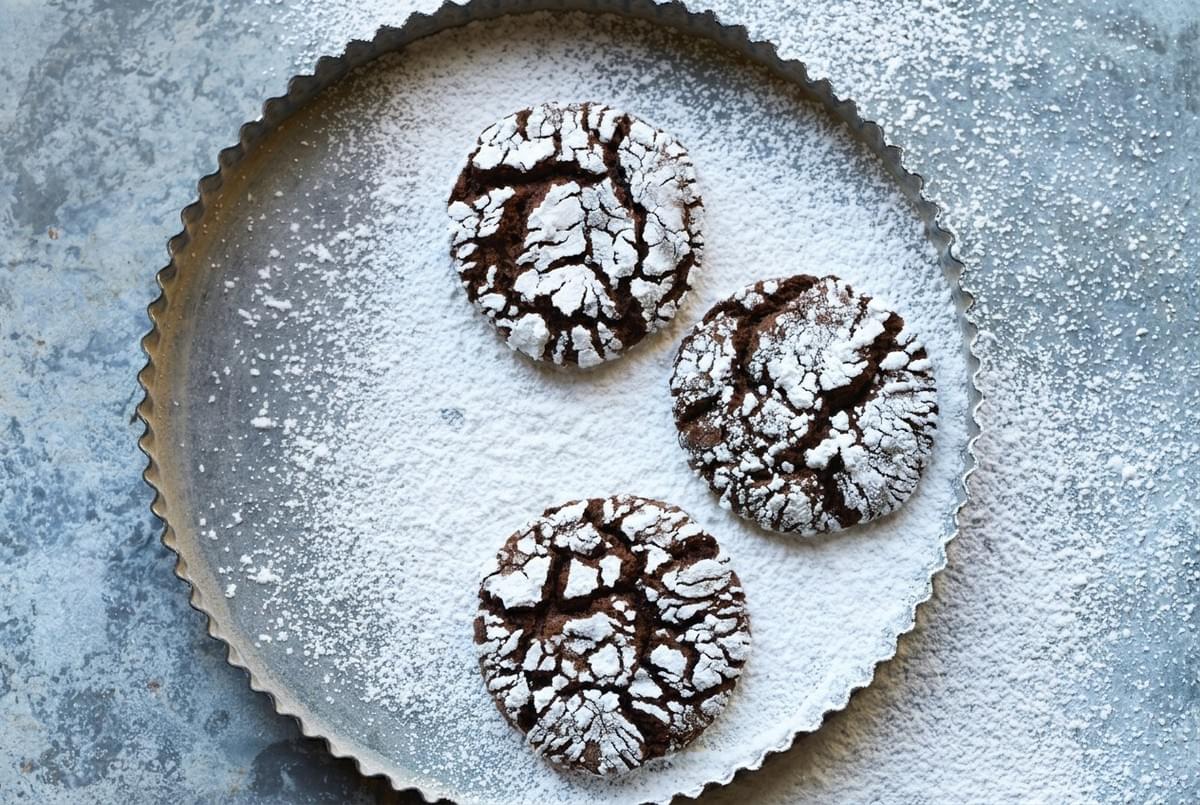
These are Mexican chocolate crinkle cookies: dark, fudgy, and cracked across the top like snow on dry earth. Each one tastes of deep cocoa first, then warm cinnamon, then a quiet heat that arrives late.
My favorite part happens in the oven. The cookies puff, the sugar coating splits, and the dark dough shows through.
Chill, roll, bake, crack. That's the whole beat.
A Little Background on Crinkle Cookies 🍫
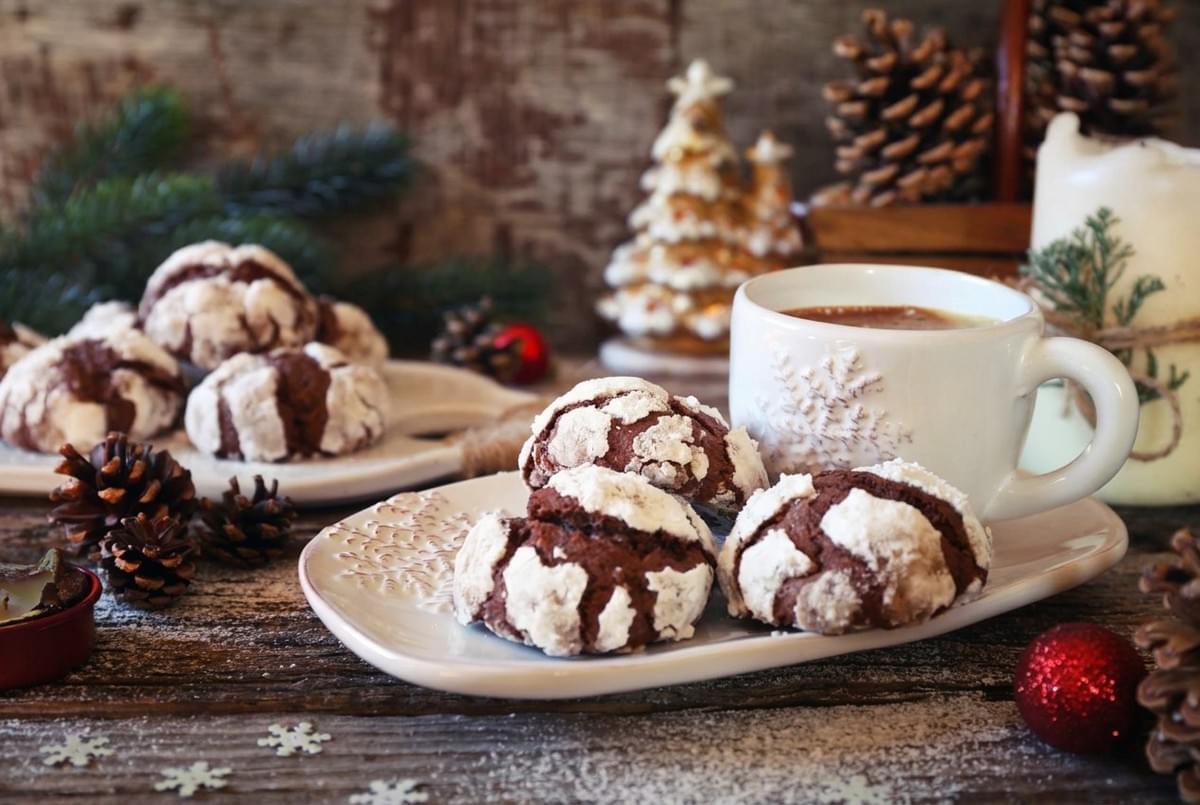
Crinkle cookies became popular in American home baking during the twentieth century, especially at holiday time. Their exact origin isn't clearly documented. They usually appear as a soft chocolate dough rolled in powdered sugar, the kind of cookie that turns up on a plate at a family gathering.
Why the Tops Crack
The cracks come from a small tug-of-war. The sugar coating pulls moisture from the surface of each dough ball, so the outside dries and sets quickly in the heat. Inside, the dough is still soft and rising.
As the center expands, the dry outer layer splits apart. White sugar stays on the pieces. Dark dough fills the gaps.
What Makes Mexican Chocolate Different
Chocolate has deep roots in Mexico, where cacao was used long before it reached Europe. Today, Mexican chocolate often means tablets of chocolate ground with sugar and cinnamon, usually melted into hot drinks. It has a slightly grainy, rustic texture.
Chocolate and chile also share a long history in Mexican cooking. These cookies borrow those flavors: cinnamon, a gentle heat, and a deep, toasted cocoa flavor. Think of them as a cookie inspired by Mexican chocolate, not a traditional Mexican recipe.
Recipe Summary ⏱️
- Prep time: 20 minutes
- Chill time: 2 hours
- Bake time: 20 to 24 minutes (two batches of 10 to 12 minutes)
- Total time: about 2 hours 45 minutes, plus cooling
- Yield: about 24 cookies
- Oven temperature: 350°F (175°C)
Ingredients
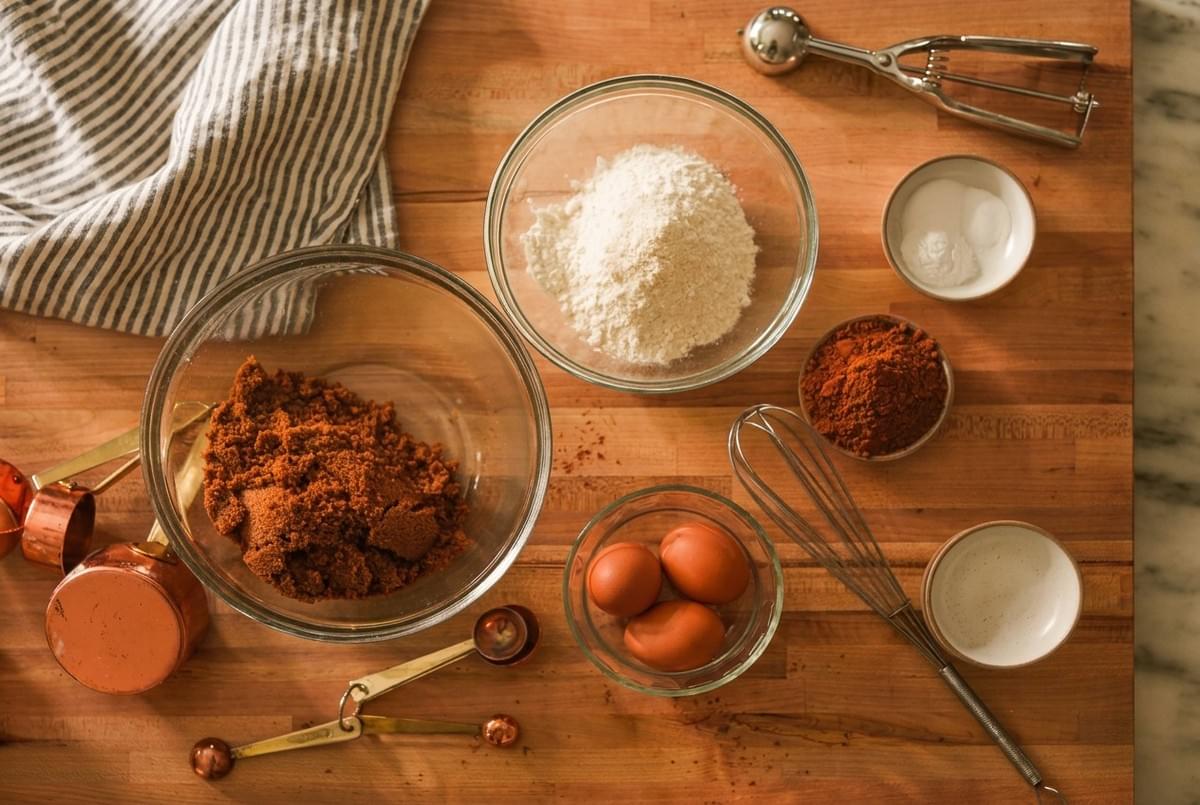
Dry Ingredients
- 1 cup (125 g) all-purpose flour
- 1/2 cup (45 g) unsweetened cocoa powder, natural or Dutch-process
- 1 teaspoon baking powder
- 1 1/2 teaspoons ground cinnamon
- 1/4 teaspoon cayenne pepper
- 1/4 teaspoon fine salt
Wet Ingredients
- 4 tablespoons (57 g) unsalted butter
- 2 oz (57 g) bittersweet chocolate, chopped
- 1 cup (200 g) granulated sugar
- 2 large eggs, at room temperature
- 1 teaspoon vanilla extract
Coating
- 1/3 cup (65 g) granulated sugar
- 1/2 cup (60 g) powdered sugar
Ingredient Notes
- Cinnamon: This is the heart of the Mexican chocolate flavor. Use a fresh jar, since old cinnamon tastes dusty.
- Cayenne: A quarter teaspoon gives warmth, not fire. You'll feel it at the back of your throat after you swallow.
- Cocoa powder: The recipe uses only baking powder, so natural or Dutch-process both work. Dutch-process tastes mellower and looks darker.
- Mexican chocolate tablets: You can swap them in for the bittersweet chocolate. They're sweeter and contain cinnamon, so reduce the granulated sugar in the dough by 2 tablespoons (25 g). Expect a slightly grainier crumb.
- Two sugars for coating: The granulated layer helps dry the surface, so the powdered sugar stays bright white.
How to Make Mexican Chocolate Crinkle Cookies
- Melt the butter and chocolate. Combine them in a heatproof bowl and microwave in 20-second bursts, stirring between each, until smooth. Let the mixture cool for 5 minutes. It should feel warm, not hot.
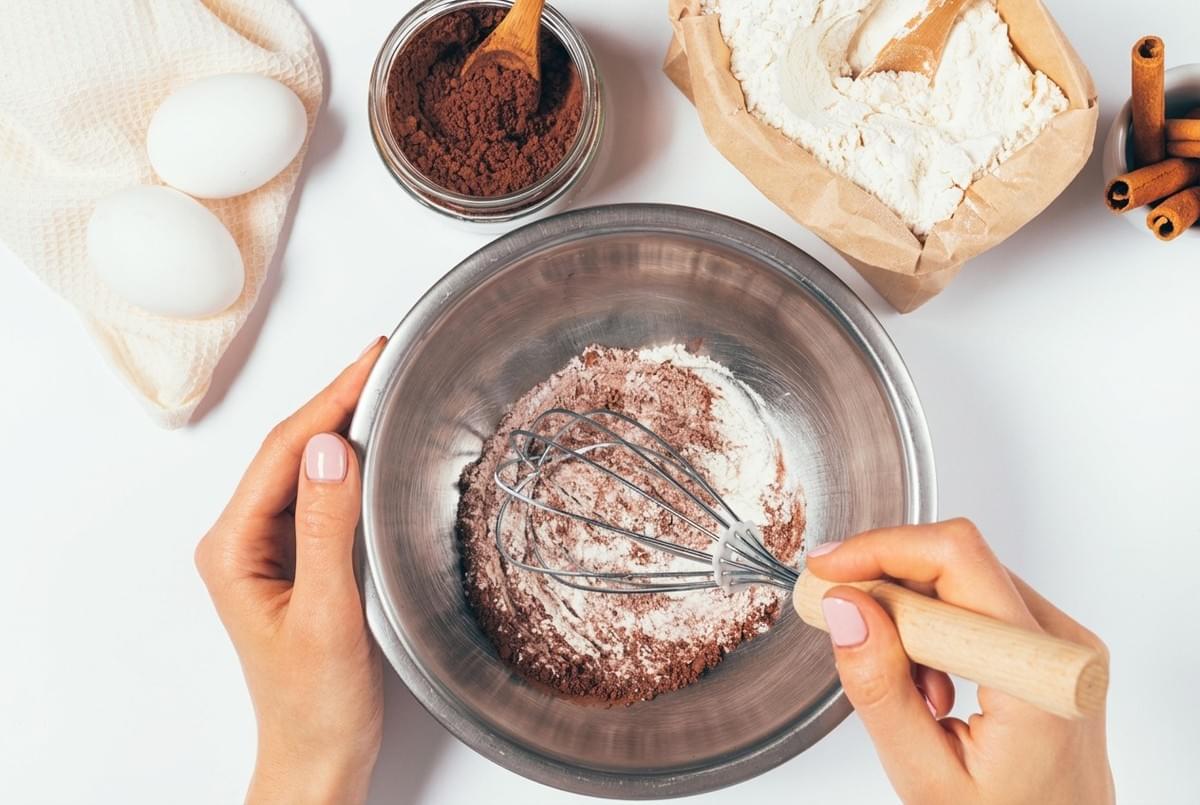
- Whisk the dry ingredients. In a separate bowl, whisk the flour, cocoa, baking powder, cinnamon, cayenne, and salt. This spreads the spice evenly, so no single cookie gets all the heat.
- Add the sugar. Whisk the 1 cup granulated sugar into the chocolate mixture. It will look thick and a little grainy.
- Beat in the eggs and vanilla. Add the eggs one at a time, whisking well after each. Then whisk in the vanilla. The batter should turn glossy and smooth.
- Fold in the dry ingredients. Use a spatula and stir just until no dry streaks remain. The dough will be soft and sticky, like thick brownie batter. Don't worry. That's correct.
- Chill the dough. Cover the bowl and refrigerate for at least 2 hours, or up to 2 days. Chilling firms the butter and chocolate so you can roll the dough. It also keeps the cookies from spreading too thin, which gives you thicker cookies and deeper cracks.
- Heat the oven. Near the end of the chill, heat the oven to 350°F (175°C) with a rack in the center. Line two baking sheets with parchment paper.
- Set up the coating. Put the granulated sugar in one shallow bowl and the powdered sugar in another.
- Scoop and roll. Scoop the dough into 1 heaping tablespoon portions (about 24 g each). Roll each into a smooth ball between your palms. If the dough gets sticky, return it to the fridge for 10 minutes.
- Coat twice. Roll each ball in the granulated sugar first, then roll it generously in the powdered sugar until thickly coated and fully white. Be generous here. A thin coat melts away.
- Arrange and bake. Place 12 balls on each sheet, about 2 inches apart. Bake one sheet at a time for 10 to 12 minutes, keeping the second sheet in the fridge. They're ready when they've puffed and spread, the tops have cracked wide, and the edges look set. The centers should still look soft.
- Cool on the pan. Let the cookies rest on the baking sheet for 5 minutes, then move them to a wire rack to cool completely. They firm up as they cool.
Pro Tips for Success ✨
- Weigh your flour if you can. Too much flour leads to dry, cakey cookies.
- Keep the dough cold. Work with half the dough at a time and leave the rest in the fridge.
- Don't skimp on the powdered sugar. A heavy coat gives you the snowy, high-contrast look.
- Pull them early. Underbaked centers turn fudgy once cooled. Overbaked ones turn crumbly.
- Use cool pans. A warm baking sheet starts melting the dough before it reaches the oven.
Troubleshooting
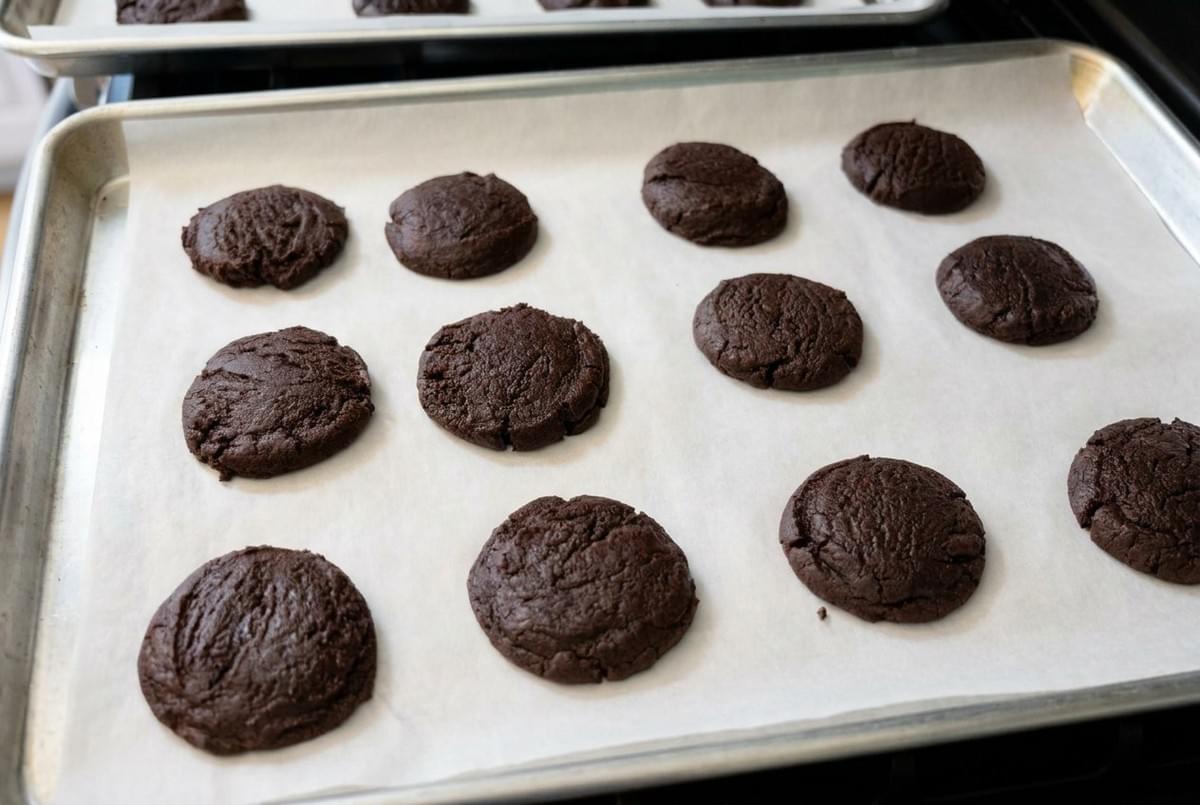
Cookies spread too much: The dough was likely too warm. Chill it longer, use a cool sheet, and keep the second batch in the fridge while the first bakes.
No cracks formed: The coating was too thin, or the dough was too cold and dense to rise. Roll the balls thickly in both sugars, and let very firm dough sit out for 5 minutes before scooping.
Dry or cakey texture: Too much flour or too much time in the oven. Measure carefully and take the cookies out while the centers still look soft.
Powdered sugar melted into the dough: This happens when the dough is warm or skips the granulated sugar layer. Don't skip the double roll, and coat the balls just before baking.
Storage and Freezing ❄️
Room temperature: Store cooled cookies in an airtight container for up to 4 days. The sugar may soften a little over time.
Freezing dough: Freeze uncoated dough balls on a lined sheet until firm, then move them to a freezer bag for up to 3 months. Let them sit for 10 minutes, roll them in both sugars, and bake. Add 1 to 2 minutes to the bake time.
Freezing baked cookies: Freeze in an airtight container for up to 2 months. Thaw at room temperature. A fresh dusting of powdered sugar brings back their snowy look.
Variations 🌶️
- Spicier version: Increase the cayenne to 1/2 teaspoon, or add 1 teaspoon ancho chile powder for a smokier, rounder warmth. Taste a tiny bit of dough before chilling to check the heat.
- Gluten-free option: Swap the flour for a 1:1 gluten-free baking blend. The cookies may be slightly more delicate, so let them cool fully on the rack before moving them.
- Brown butter twist: Melt 5 tablespoons (70 g) butter in a light-colored pan over medium heat, swirling until it smells nutty and the bits at the bottom turn golden brown. Some water cooks off, which is why you start with extra. Pour it over the chopped chocolate and stir until smooth, then continue with the recipe.
Looking for more chocolate bakes? Try [INTERNAL LINK: chocolate cookies].
Frequently Asked Questions
Are these cookies spicy?
Only gently. The cayenne adds warmth at the end of each bite, not a burn. For a milder cookie, cut it to a pinch or leave it out.
Can I skip the chill time?
Not really. Warm dough is too sticky to roll and spreads into thin, flat cookies. Two hours gives you thick cookies with clean, dramatic cracks.
Why did my powdered sugar disappear?
The coating was likely too thin, or the dough had warmed up. Roll the balls in granulated sugar first, then in a thick layer of powdered sugar.
Can I use Mexican chocolate tablets?
Yes. Use them in place of the bittersweet chocolate and reduce the dough's sugar by 2 tablespoons (25 g). The texture will be a little more rustic.
Your Turn at the Oven 💬
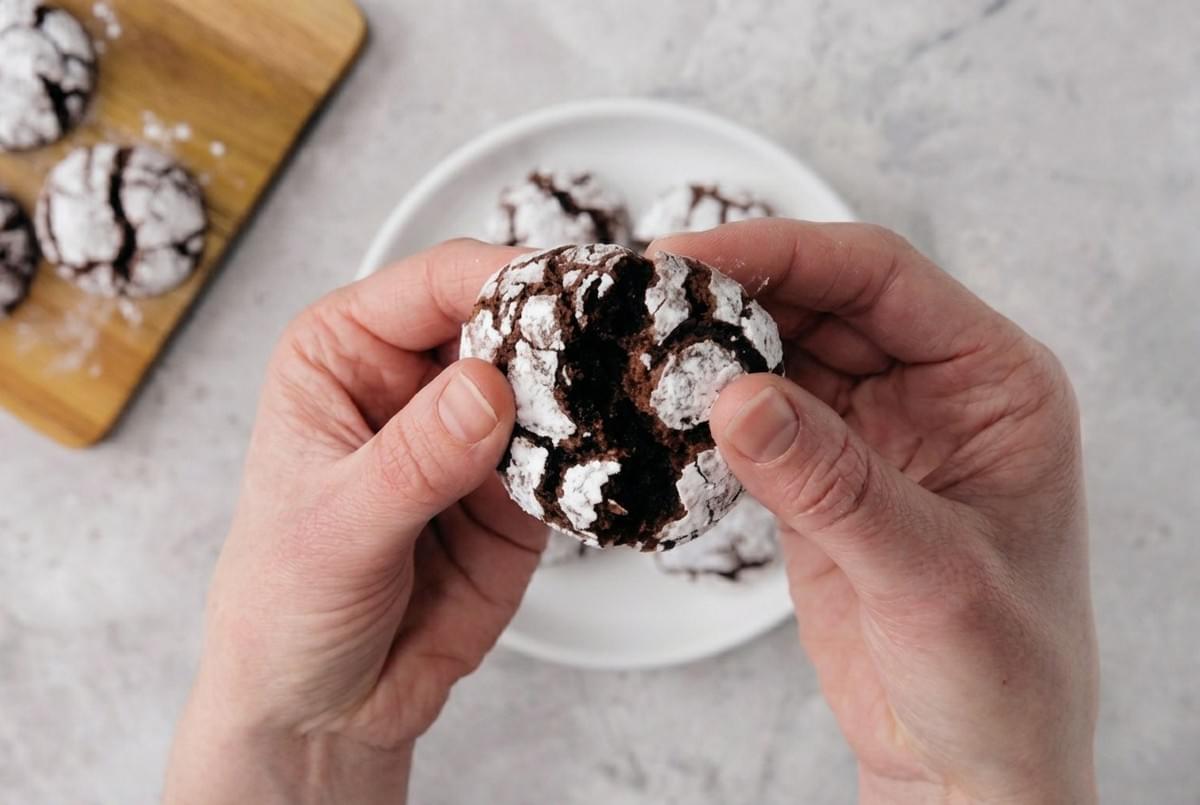
A cooling rack. Dark cookies dusted in white. Cinnamon still hanging in the air.
Bake a batch, break one open while it's still warm, and tell me in the comments how yours turned out. Did the cracks run deep? Did you add more heat?
