

Introduction
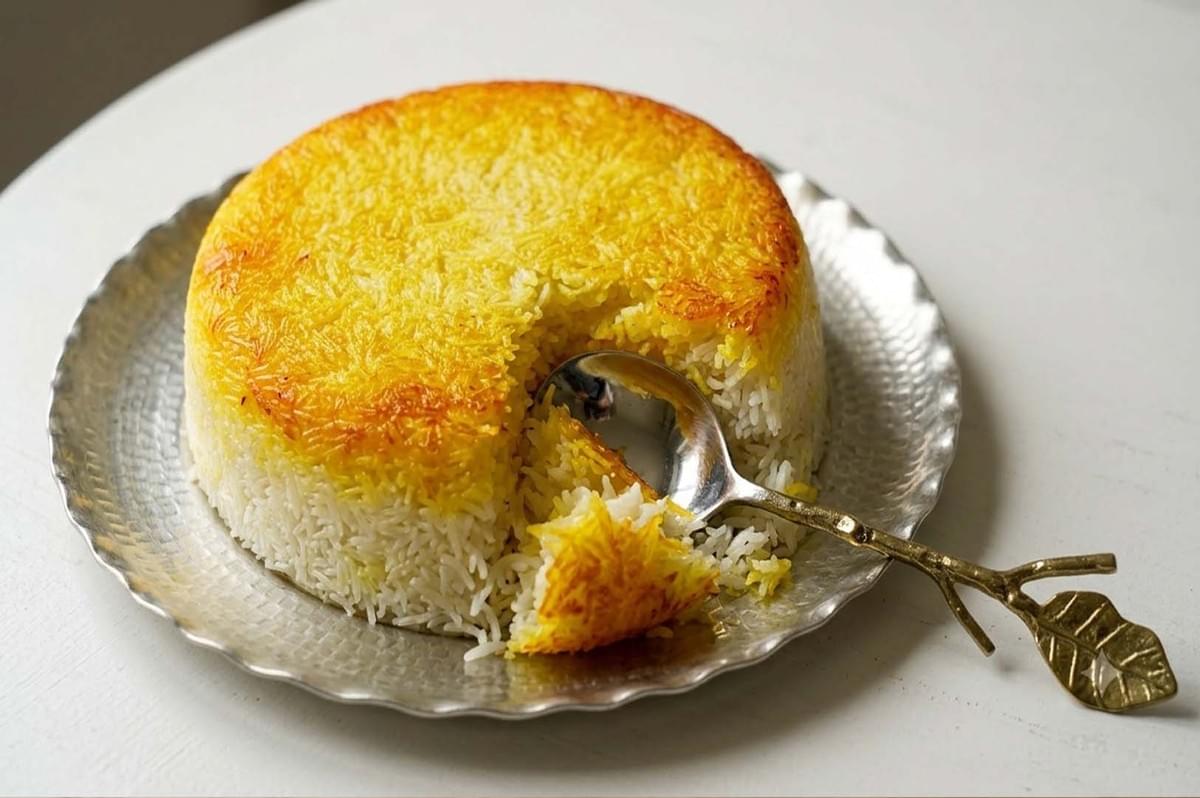
Persian rice is one of the great achievements of home cooking. The goal is deceptively simple: separate, fluffy grains that stand apart like tiny grains of light, crowned by a layer of golden, crackling crust at the bottom of the pot. That crust is tahdig, and in Persian kitchens it is the prize everyone hopes to claim.
What makes this style of rice distinctive is the technique. Cooks rinse, soak, parboil, drain, then steam the rice in stages, treating each step as its own small craft. The result is texture you cannot get from a one-pot, set-it-and-forget-it method.
In this guide, you will learn what tahdig and polow mean, the ingredients and tools that matter, and a step-by-step method with the reasons behind each move. We will also cover tahdig variations, polow add-ins, troubleshooting, and safe storage. By the end, you should feel ready to make fluffy rice with a crisp golden crust at home.
Key Terms: Tahdig, Polow, and Chelow
Persian rice vocabulary is precise, and learning a few words helps everything click into place.
Tahdig
Tahdig translates roughly to "bottom of the pot." It is the crisp, golden layer that forms where the rice meets the hot, oiled surface of the pan. It can be made from rice alone, or from a base of potato, bread, or a yogurt-and-saffron mixture. Tahdig is treasured for its crunch and rich flavor, and it is often served as the centerpiece of the dish.
Chelow
Chelow refers to plain steamed rice, prepared with the parboil-and-steam method and served on its own. It usually accompanies stews (khoresh) or grilled meats (kabab). When you see fluffy white Persian rice next to a saucy stew, that is chelow.
Polow
Polow is rice cooked with other ingredients mixed or layered in, such as herbs, dried fruit, nuts, legumes, or aromatics. The base technique is the same as chelow, but polow carries additional flavors and textures throughout the grains.
When Each Is Served
- Chelow: Served alongside stews and kababs as a neutral, fluffy base.
- Polow: Often a more featured dish, suited to gatherings and celebrations.
- Tahdig: Forms at the bottom of both chelow and polow, then is served as a shared delicacy.
Ingredients and Tools That Make a Difference
Great Persian rice starts with good choices before the heat ever turns on.
Rice Types
Long-grain rice is the standard. Look for aged basmati if you can find it, since aging helps the grains stay firm and lengthen during cooking. The label may say "extra-long grain" or "aged." These grains separate cleanly and develop the elegant, slender shape that defines the dish.
Salt
Salt seasons the parboiling water generously, much like pasta water. The rice absorbs seasoning during the brief boil, so do not be shy here. You will drain most of the salty water away.
Oil or Butter
Fat is what creates tahdig. Neutral oil gives a clean, crisp crust, while butter or ghee adds richness and a deeper golden color. Many cooks use a blend. A thin layer of fat in the pot is essential for the crust to form and release.
Saffron
Saffron brings color, aroma, and a gentle floral note. Bloom it by grinding the threads, then steeping them in a few tablespoons of hot water. This saffron water is drizzled over rice or stirred into a tahdig base.
Yogurt, Potatoes, and Lavash
These serve as optional tahdig bases:
- Yogurt: Mixed with saffron and a little rice, it creates a rich, tangy, deeply golden crust.
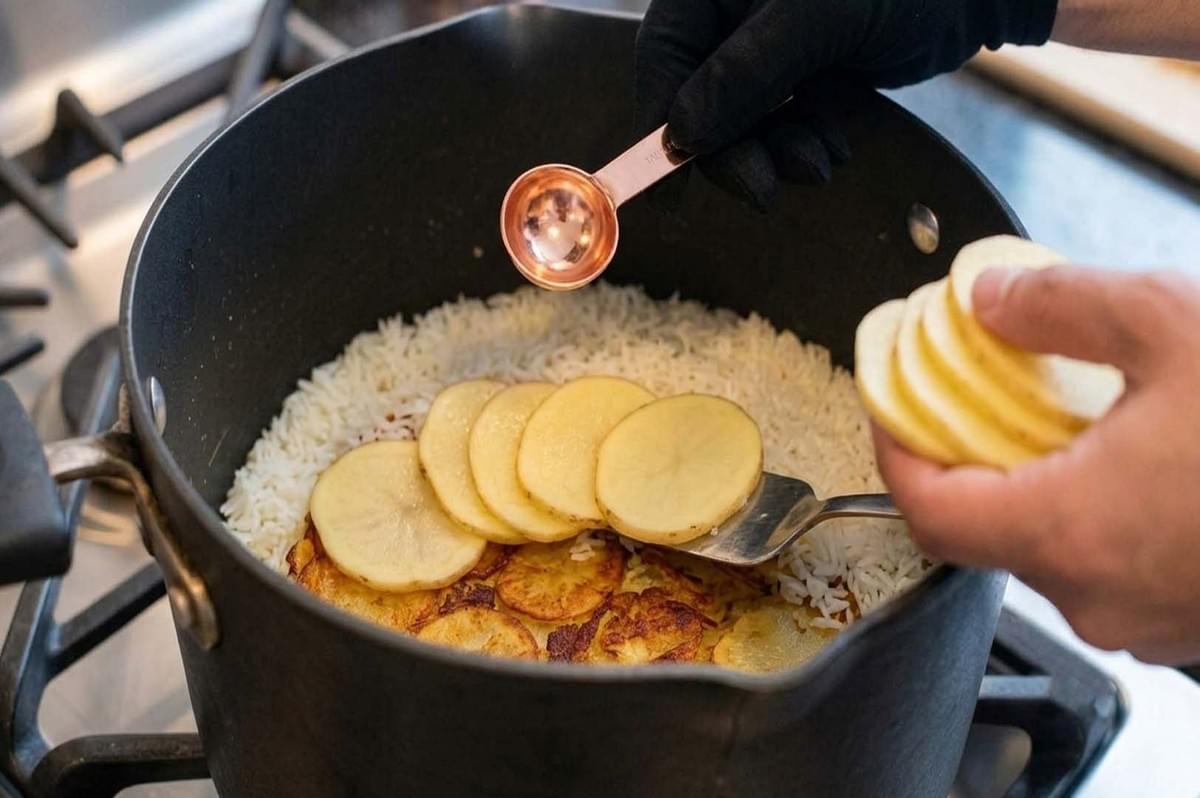
- Potatoes: Thin slices laid in the oiled pot fry into crisp, savory rounds.
- Lavash or flatbread: Pressed into the bottom, bread crisps into a shatteringly crunchy base.
Pot Choice
A nonstick pot is the most forgiving choice for beginners, since tahdig releases cleanly. A well-seasoned heavy pot also works beautifully and can produce a more flavorful crust. The key is even heat distribution, so the crust browns uniformly rather than scorching in one spot.
The Towel-Wrapped Lid Technique
Wrapping the lid in a clean kitchen towel (dampgir) is a classic trick. The towel absorbs condensation that would otherwise drip back onto the rice and make it soggy. Drier steam means fluffier, more separate grains. Tuck the towel ends up and away from the burner for safety.
The Technique: How Persian Rice Is Made
This is the heart of the craft. Each step has a purpose, so understanding the why helps you adapt and troubleshoot.
Step 1: Rinse and Soak
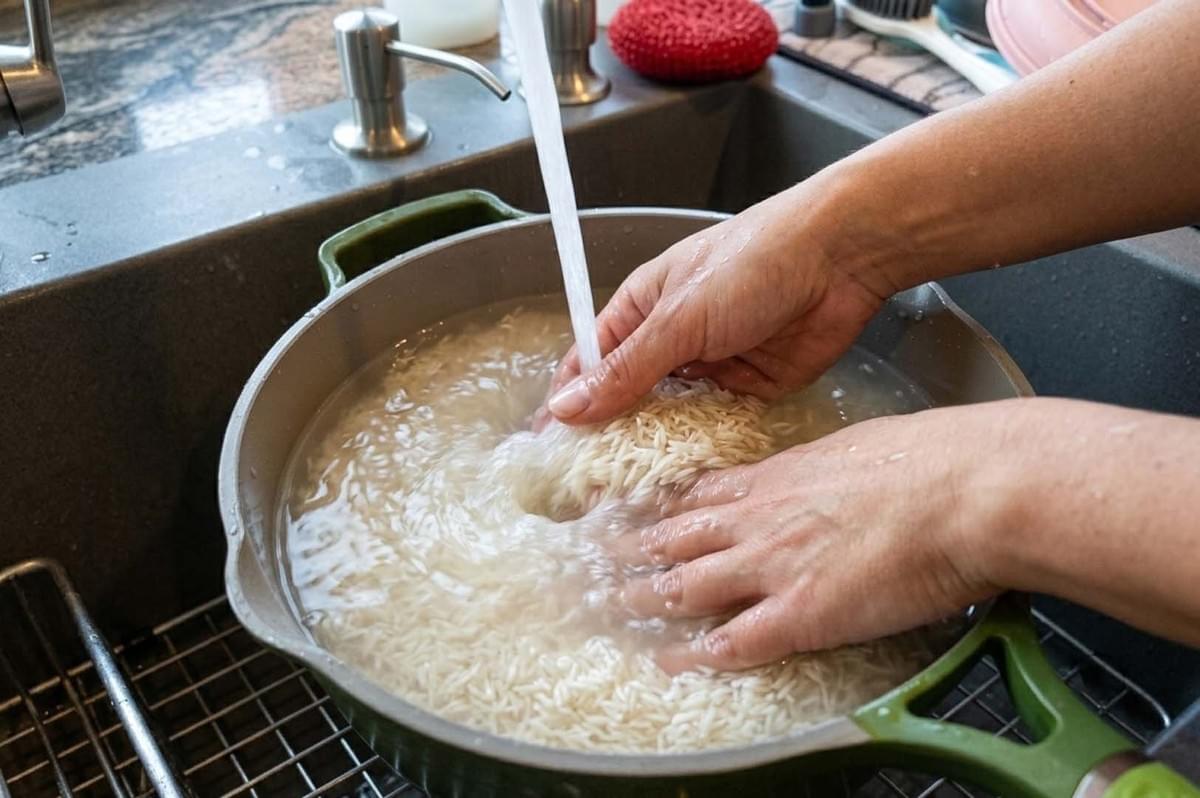
Rinse the rice in cool water several times until the water runs nearly clear. This removes surface starch that causes clumping. Then soak the rice for at least 30 minutes, and up to a few hours, in salted water.
Soaking hydrates the grains so they cook evenly and resist breaking. It also encourages that signature elongation during cooking.
Step 2: Parboil
Bring a large pot of well-salted water to a vigorous boil. Drain the soaked rice and add it to the water. Boil for just a few minutes, usually around 4 to 8 minutes depending on the rice.
Test doneness often. The grains should be soft on the outside but still firm at the center. Bite one: you want a slightly toothy core, since the rice will finish cooking during steaming. Overcooking here leads to mush.
Step 3: Drain
Drain the rice in a fine colander and rinse briefly with lukewarm water to stop the cooking and rinse away extra salt. Let it drain well so the grains are not waterlogged.
Step 4: Build the Base and Mound the Rice
Heat the oil or butter in your pot over medium heat. If using a tahdig base like potato, yogurt rice, or bread, arrange it now. Then gently mound the drained rice into the pot, building it up into a loose pyramid rather than packing it down.
The mounded shape leaves air channels that let steam circulate, which keeps the grains separate.
Step 5: Create Steam Vents
Using the handle of a wooden spoon, poke a few holes down through the rice mound to the bottom. These vents let steam rise evenly and help the whole pot cook through without trapping moisture.
Step 6: Heat Management
Cook over medium to medium-high heat for several minutes to set the crust. You may hear gentle sizzling and smell toasting rice. Then drape the towel-wrapped lid on top, lower the heat to low, and steam for about 30 to 45 minutes.
The two-stage heat matters. Higher heat first forms the crust, while low, steady heat afterward steams the rice through gently without burning the bottom.
Step 7: Flip and Serve Safely
To release a whole tahdig, run a thin knife around the edge. Place a large serving platter over the pot. With oven mitts and a confident grip, invert the pot and platter together, then lift the pot away. If the tahdig sticks, you can also scoop the fluffy rice out first, then lift the crust in pieces. Both approaches are perfectly acceptable.
Tahdig Variations
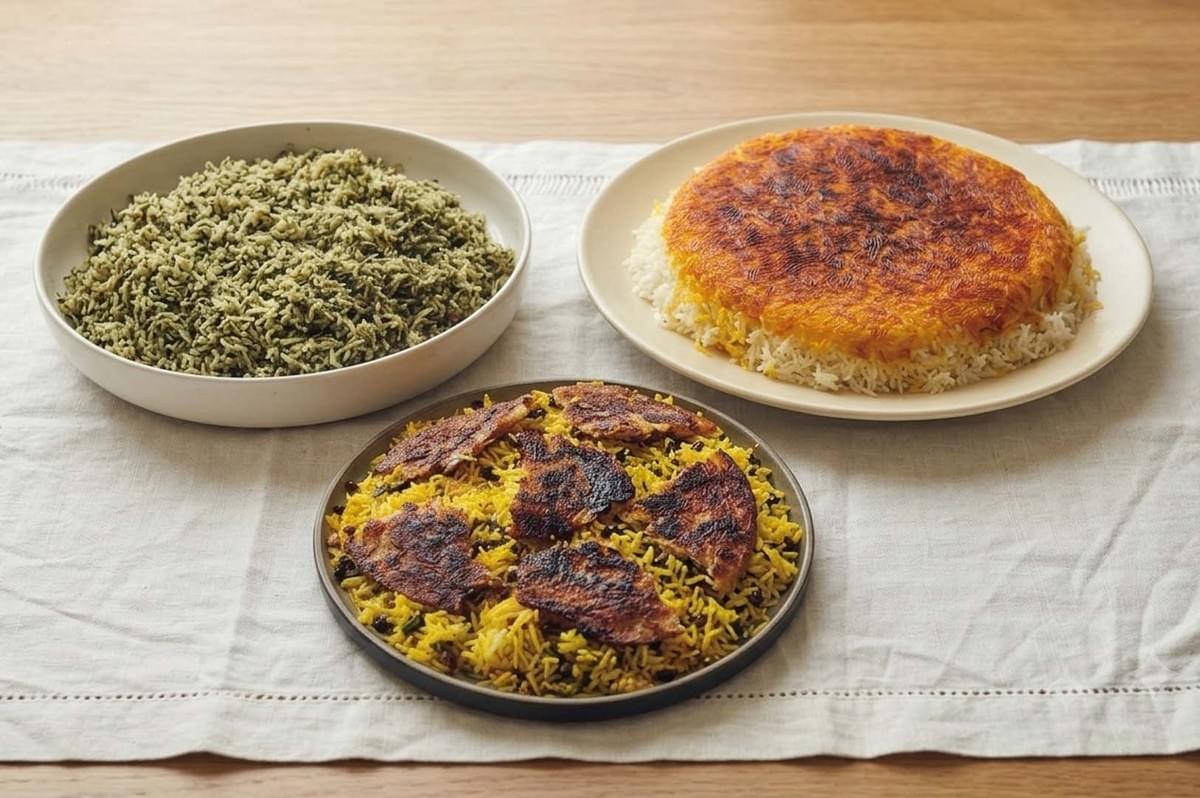
Once you understand the base method, you can vary the crust freely.
Classic Rice Tahdig
A layer of plain parboiled rice pressed gently into the oiled pot. Simple, golden, and the most traditional starting point.
Yogurt and Saffron Tahdig
Mix a portion of parboiled rice with yogurt, a beaten egg yolk if you like, and saffron water. Press this into the pot first. It bakes into a rich, tangy, deeply colored crust often seen in celebratory dishes.
Potato Tahdig
Lay thin, even slices of peeled potato across the oiled bottom before adding rice. The potatoes fry into crisp savory rounds that many consider the ultimate comfort version.
Bread Tahdig
Press lavash or another thin flatbread into the oiled pot. It crisps into a delicate, cracker-like base that lifts away in shards.
Flavor Touches
Keep these simple so they enhance rather than overwhelm:
- Drizzle saffron water over the finished rice for color and aroma.
- Tuck a few whole spices like cumin seed into the base.
- Layer in fresh herbs for a fragrant lift.
Polow Variations and Add-Ins
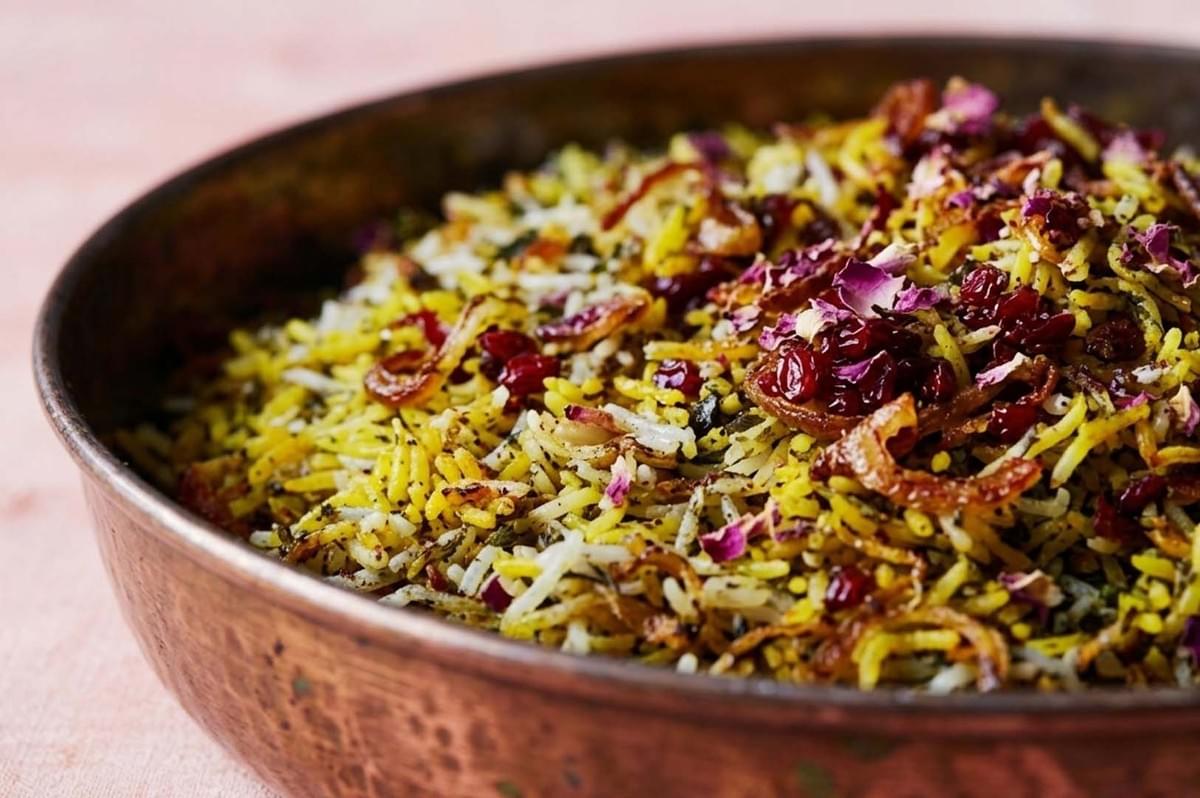
Polow turns rice into a featured dish by weaving in flavor and texture. Think of these as conceptual building blocks rather than fixed recipes.
- Herbs: Generous amounts of dill, parsley, cilantro, and chives create a fresh, green polow often served at spring celebrations.
- Dried fruit: Barberries, raisins, or chopped dates add tart-sweet pops.
- Nuts: Slivered almonds and pistachios bring crunch and richness.
- Legumes: Lentils or fava beans add heartiness and earthiness.
- Aromatics: Caramelized onion, orange zest, or warm spices deepen the profile.
Layering vs Mixing
You can fold add-ins gently through the rice for an even distribution, or layer them between mounds of rice so they steam in ribbons. Layering tends to preserve delicate ingredients like barberries and herbs, while mixing spreads flavor throughout. Many cooks combine both, layering as they build the mound and then serving with a gentle toss.
Recognizable Examples
- A jeweled rice studded with barberries, nuts, orange peel, and saffron.
- An herb-forward rice traditionally served around the Persian New Year.
- A sweet-savory version with dried fruit and warm spice.
You do not need to master all of these at once. Pick one and let the base technique carry it.
Adjusting for Stove and Pot
Gas burners offer quick, responsive heat, so watch closely during the crust stage. Electric and induction hold heat steadily but can scorch, so a diffuser helps. Heavy pots distribute heat evenly and forgive small mistakes, while thin pots demand more attention.
Conclusion
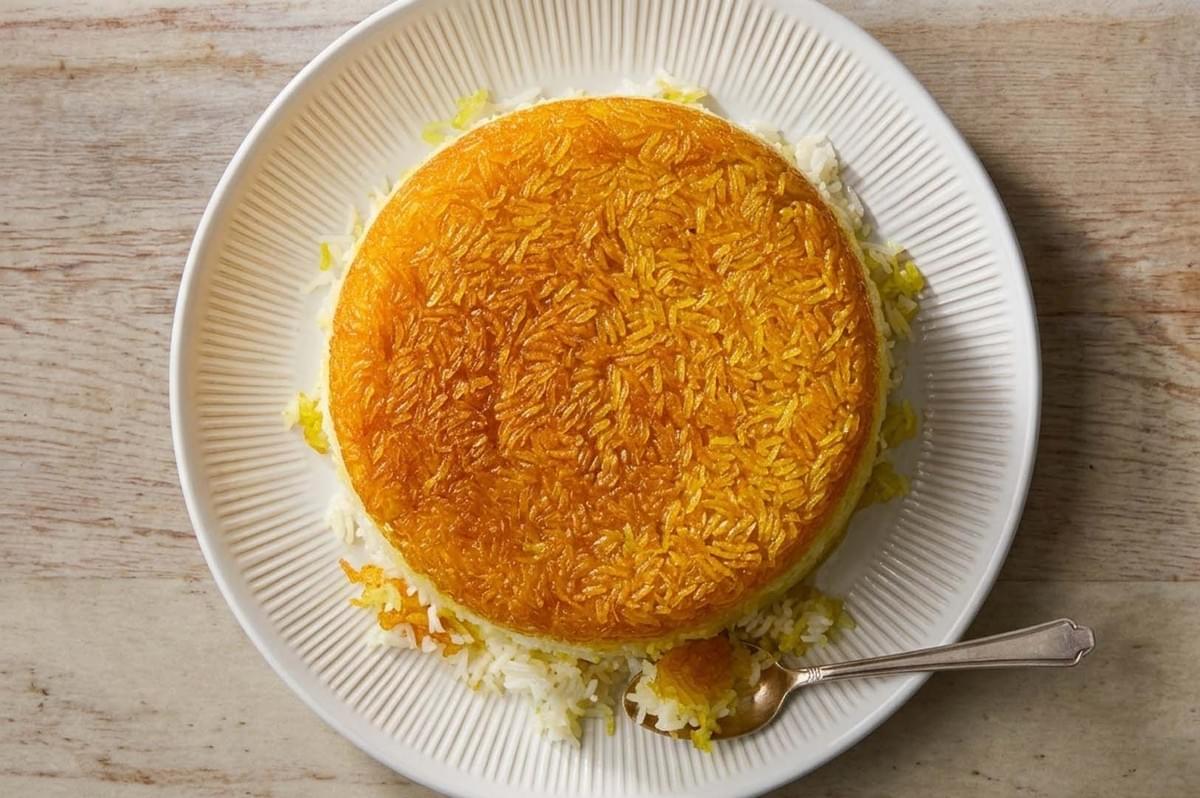
Persian rice rewards patience and attention, and the payoff is remarkable: a platter of fragrant, fluffy grains crowned by a crackling golden crust. The method may feel like several small steps, but each one (rinsing, soaking, parboiling, draining, and steaming) builds toward that signature texture honored across generations of Persian cooking.
Start with a classic chelow and a simple rice tahdig to learn the rhythm of the technique. Once you feel confident, branch into potato or bread tahdig, then explore a herb-laden or jeweled polow for a celebration. Keep notes on your stove and pot, since small adjustments make a big difference. With a little practice, that crisp golden tahdig will be yours, and you will understand exactly why it is worth the effort.
