

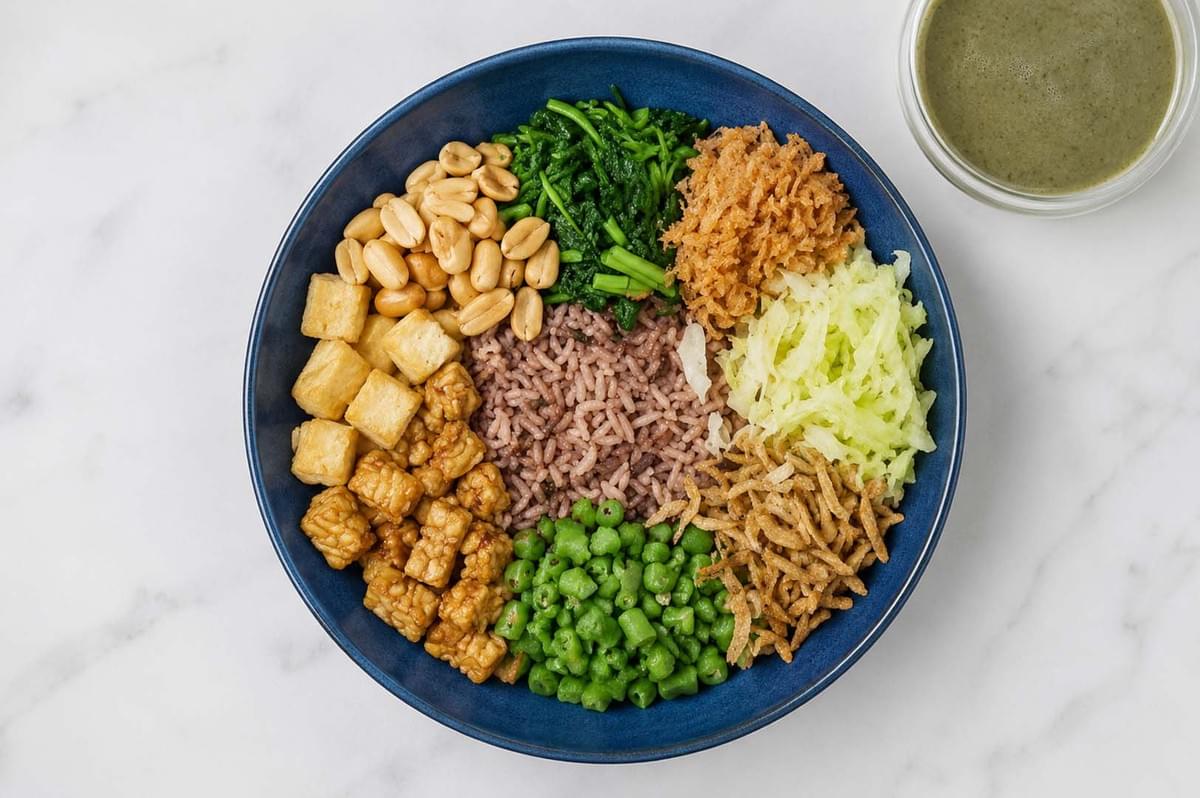
Singapore is a useful place to understand vegetarian food because its meat-free dishes do not come from one tradition alone. They come from Indian vegetarian cooking, Chinese Buddhist foodways, hawker-centre adaptations, and newer plant-based dining habits. Each tradition uses a different method for building flavour, texture, and satisfaction.
The foundation is simple. Vegetarian food works when the dish has structure. It needs body, seasoning, contrast, and balance. Lentils provide substance. Tofu absorbs sauces. Mushrooms add depth. Coconut milk creates richness. Herbs brighten heavier flavours. Spices, curry leaves, soy sauce, fermented condiments, and slow-cooked aromatics help create satisfying meals without placing meat at the centre.
That is why vegetarian food in Singapore feels varied rather than limited. It can be crisp dosai at breakfast, thunder tea rice at lunch, vegetarian bee hoon from a hawker stall, or a modern plant-based bowl in a café. The ingredients change, but the principle stays the same. Good vegetarian cooking depends on careful preparation.
Why Vegetarian Food Works So Well in Singapore
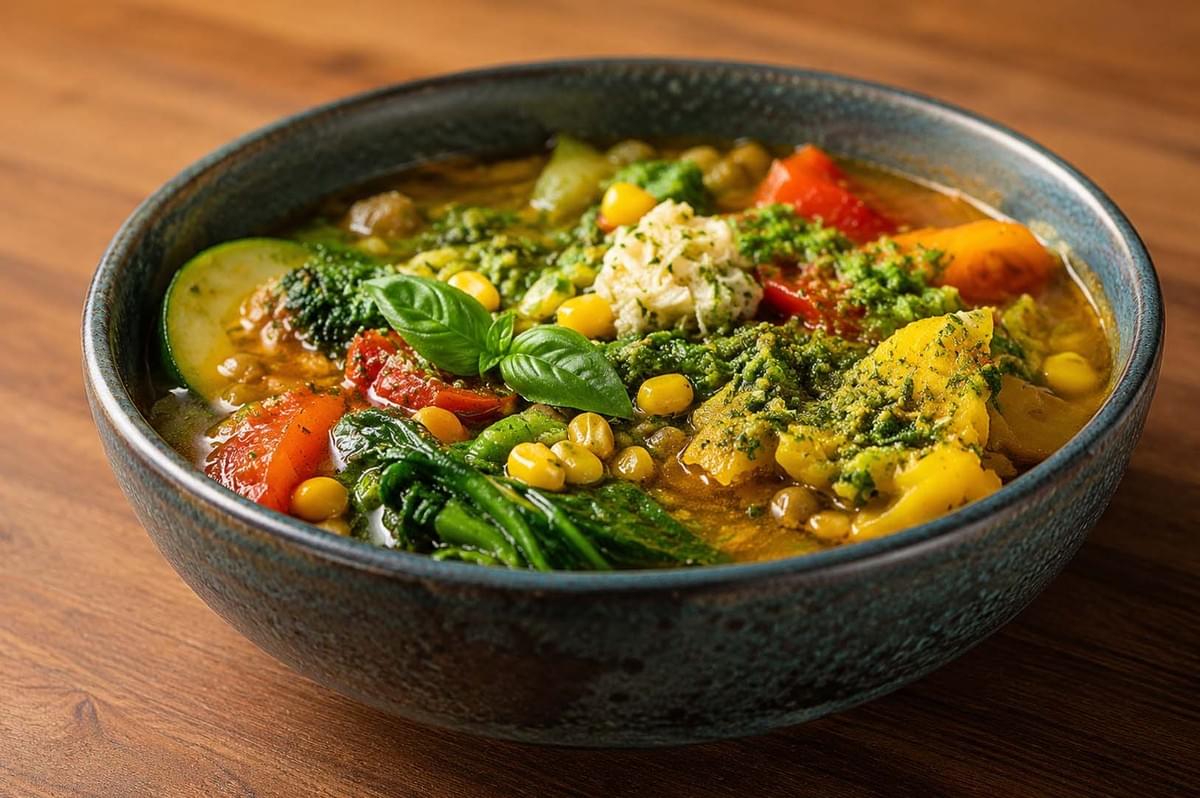
Good vegetarian cooking starts with balance. A dish should have enough texture to feel complete, enough seasoning to hold attention, and enough contrast to keep each bite interesting. Singapore’s food culture supports this naturally because many of its cuisines already know how to layer flavour without relying only on meat.
In Indian cooking, spices are often heated in oil before the main ingredients are added. This step is important because fat carries aroma. Mustard seeds, cumin, curry leaves, dried chillies, garlic, ginger, and onions become the flavour base for lentils, vegetables, and rice dishes.
Chinese vegetarian cooking often builds depth through soy sauce, sesame oil, mushrooms, beancurd skin, tofu, and wok heat. The method is different, but the goal is similar. The cook creates savouriness through preparation, sauce, and texture.
- Cooking element → what it adds (why it matters):
- Lentils and beans → Body and protein (They make a dish feel complete without meat)
- Tofu and beancurd skin → Texture and sauce absorption (They carry flavour well when seasoned properly)
- Mushrooms → Savoury depth (They add earthiness and a meatier bite)
- Spices and aromatics → Fragrance and warmth (They build the base flavour of the dish)
- Pickles and chutneys → Acidity and contrast (They prevent rich dishes from tasting flat)
- Rice and noodles → Structure (They make the meal filling and familiar)
This is why vegetarian food in Singapore can feel practical and satisfying. For readers who want a more location-specific starting point, this guide to Fortune Centre food as Singapore’s hidden vegetarian haven offers a useful look at one of the city’s most concentrated vegetarian dining areas.
Indian Vegetarian Meals: Dosai, Thali, and Dal
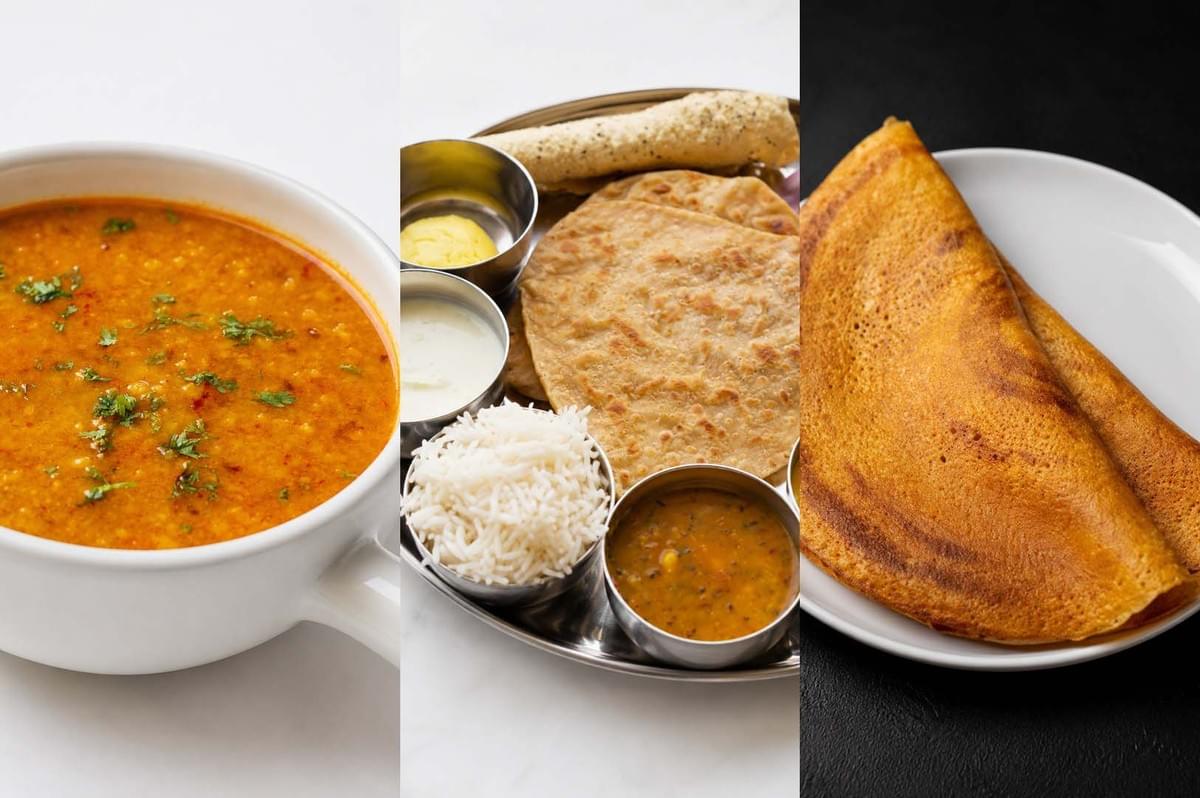
Indian vegetarian food is one of the strongest foundations of meat-free dining in Singapore. In Little India and neighbourhood restaurants across the island, vegetarian dishes are not treated as substitutes. They are central to the cuisine.
If Bugis is part of the day’s route, Healthy Food Guide Singapore has a separate neighbourhood guide that can help readers compare lighter meals, balanced plates, and everyday healthy options in the area.
Dosai is a good example of technique creating flavour. It is made from a fermented rice and lentil batter, then cooked thin on a hot flat surface. The fermentation gives the batter a light tang and improves texture. The heat creates crisp edges while keeping the centre slightly tender.
A dosai becomes a complete meal when served with sambar and chutneys. Sambar adds warmth and body through lentils and vegetables. Coconut chutney cools the palate. Tomato or mint chutney adds acidity and freshness. This works because the meal has contrast: crisp, soft, sour, spicy, and cooling.
Chinese Vegetarian Classics: Bee Hoon, Tofu, and Mock Meat
Chinese Buddhist vegetarian food has a long presence in Singapore, and it uses a different set of ingredients from Indian vegetarian cooking. Instead of lentils and spice bases, it often relies on soy products, mushrooms, gluten, noodles, and vegetables.
Vegetarian bee hoon is one of the most familiar examples. It may include stir-fried rice vermicelli, cabbage, tofu skin, mock meat, and curry vegetables. The key technique is moisture control. Bee hoon absorbs liquid quickly. If there is too little sauce or stock, the noodles become dry. If there is too much, they become soft and heavy. Good vegetarian bee hoon sits between both extremes.
Tofu is another important ingredient because it changes depending on preparation. Soft tofu absorbs gentle sauces. Fried tofu gives chew and structure. Beancurd skin adds a layered texture. Firm tofu works well in stir-fries, braises, and rice plates.
Mock meat is common in Chinese vegetarian cooking, but it should not be understood only as imitation. In many dishes, it preserves the shape and familiarity of shared meals while keeping the dish vegetarian. For mock meat to work well, it needs sauce, heat, and contrast. Without these, the texture can feel flat.
Local Meat-Free Dishes to Look For
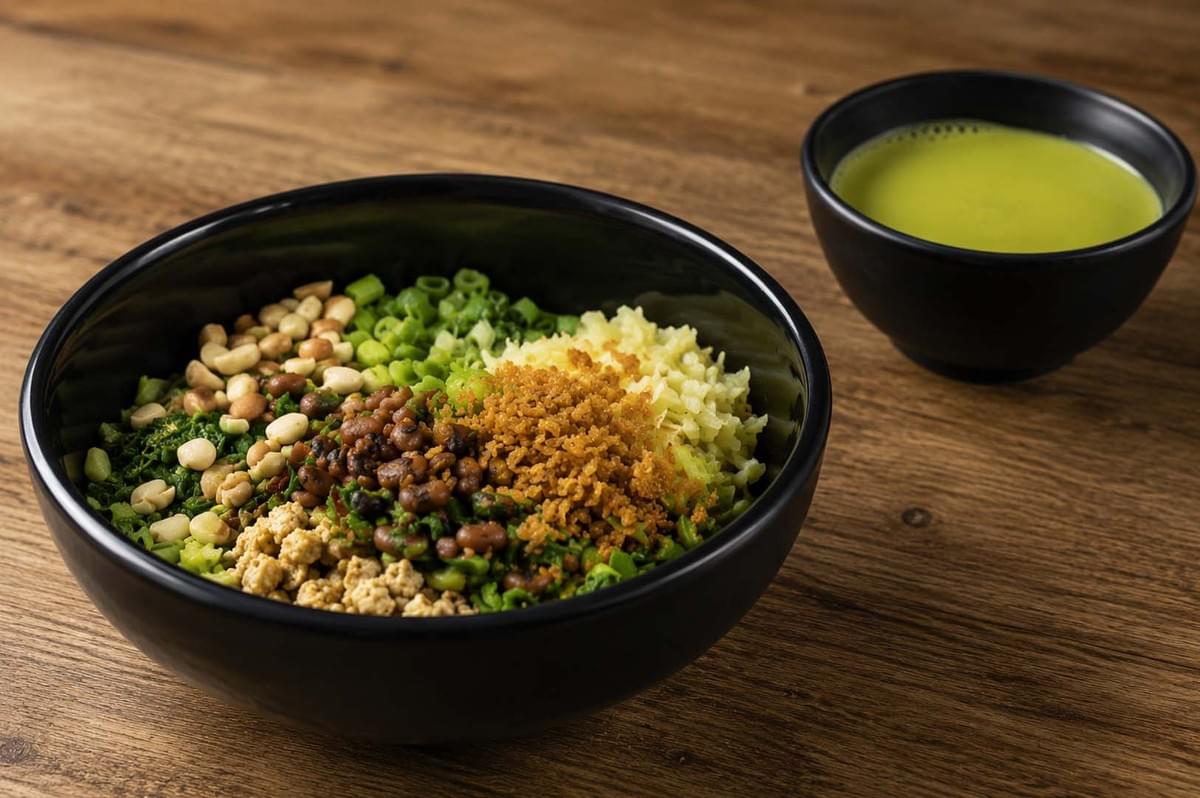
Singapore’s vegetarian food scene is easiest to understand through specific dishes. Some are naturally suited to vegetarian eating, while others are adapted by dedicated vegetarian stalls.
Thunder tea rice is one of the most distinctive examples. It usually includes rice topped with chopped vegetables, tofu, peanuts, and a green tea-based herb broth. The dish works because every element has a role. Rice provides the base, vegetables add crunch, tofu gives protein, peanuts add fat and texture, and the herb broth brings a slightly bitter, fresh finish.
Vegetarian economic rice is another practical option. Diners choose rice with cooked dishes such as tofu, curry vegetables, stir-fried greens, braised mushrooms, mock meat, or eggplant. A balanced plate should include something saucy, something fibrous, and something protein-rich. This keeps the meal from feeling one-dimensional.
Vegetarian popiah can also be satisfying when the filling is prepared properly. The turnip filling should be moist but not wet. The wrapper should stay soft enough to fold without tearing. Peanuts, chilli, lettuce, and sweet sauce create contrast.
Vegetarian bee hoon, rojak, noodle soups, and local rice plates can all appear in meat-free versions. The important step is checking the preparation. Some dishes may still use shrimp paste, oyster sauce, fish sauce, lard, or meat stock even when they look vegetable-based.
Modern Plant-Based Dining in Singapore
Modern plant-based dining in Singapore uses a different format. Menus may include grain bowls, plant-based burgers, vegan pastas, dairy-free desserts, smoothies, sourdough plates, and meat-free versions of Western comfort food.
This newer style is shaped by wellness, sustainability, and global café culture. The cooking still depends on the same fundamentals. Roasted vegetables need enough browning to develop flavour. Grains should be tender but not mushy. Sauces need acidity, salt, and fat. Plant-based proteins need proper seasoning. Fresh elements help balance heavier ingredients.
A good grain bowl is not just a mix of healthy ingredients. It needs structure:
- A base, such as rice, quinoa, noodles, or greens
- A protein element, such as tofu, tempeh, beans, or legumes
- Cooked vegetables for warmth and depth
- Fresh vegetables for crunch and brightness
- Fat, such as nuts, seeds, avocado, or sesame oil
- Acidity, such as citrus, vinegar, pickles, or dressing
- A sauce that connects the whole bowl
Without this balance, the bowl can taste unfinished.
This is where older and newer vegetarian traditions connect. Whether the dish is dosai, thunder tea rice, vegetarian bee hoon, or a plant-based café bowl, the same rule applies. Flavour comes from preparation, not from labels.
Tips for Eating Vegetarian in Singapore
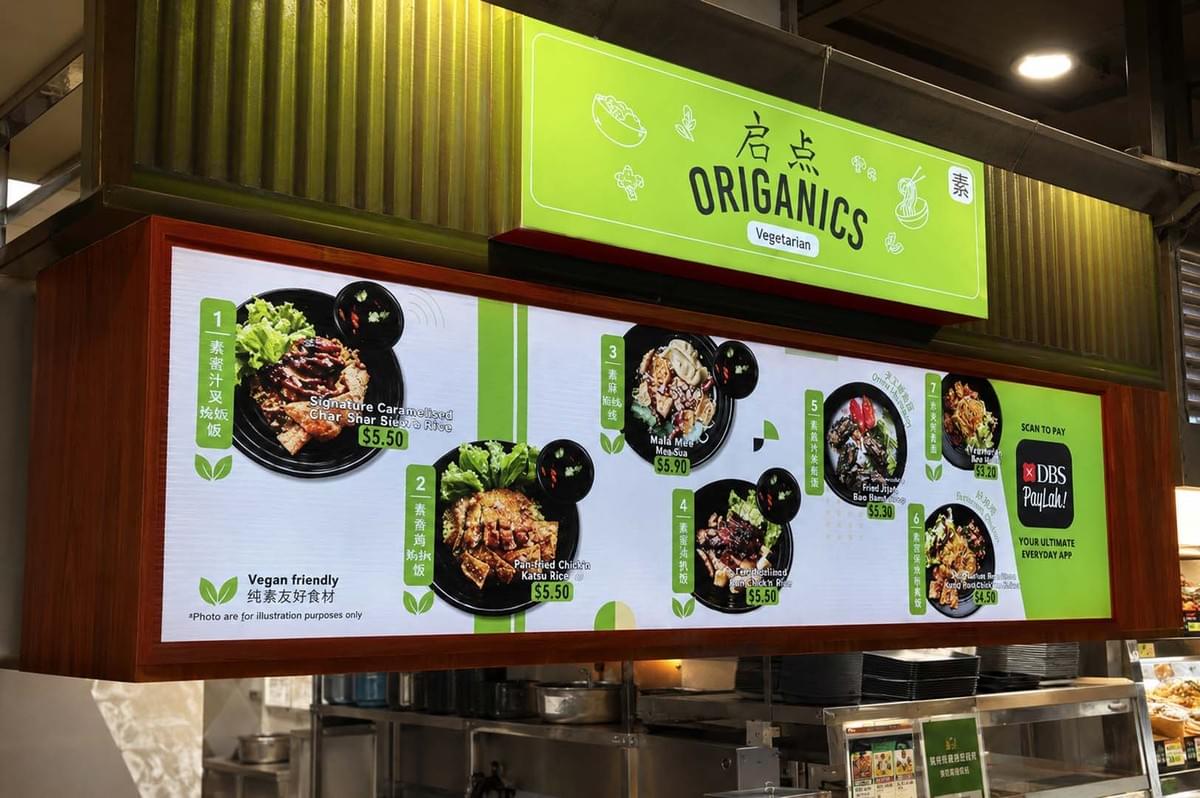
Vegetarian dining in Singapore is accessible, but it helps to ask specific questions. Some dishes may contain hidden animal-based ingredients even when they appear meat-free.
1. Check the broth first.
Soups and noodle dishes may use meat or seafood stock even if the visible toppings look vegetarian.
2. Ask about sambal and sauces.
Sambal may contain shrimp paste, while stir-fry sauces may include oyster sauce or fish sauce.
3. Look out for lard and dried shrimp.
These can appear in noodles, rice dishes, vegetables, and hawker-style preparations.
4. Clarify eggs and dairy if needed.
Some vegetarian dishes include egg, milk, yogurt, paneer, or ghee. Vegan diners should ask before ordering.
5. Use dedicated vegetarian stalls when possible.
These are often the easiest starting point because the cooking space and menu are already built around meat-free preparation.
6. Think by cuisine.
Indian vegetarian food often builds flavour through spices, lentils, fermented batters, and tempering. Chinese vegetarian food often uses soy products, mushrooms, noodles, sauces, and wok cooking. Hawker-style vegetarian food often depends on curries, fried textures, and familiar rice or noodle formats.
Once you understand these foundations, ordering becomes easier and more precise.
Conclusion: A Different Rhythm of Singapore Food
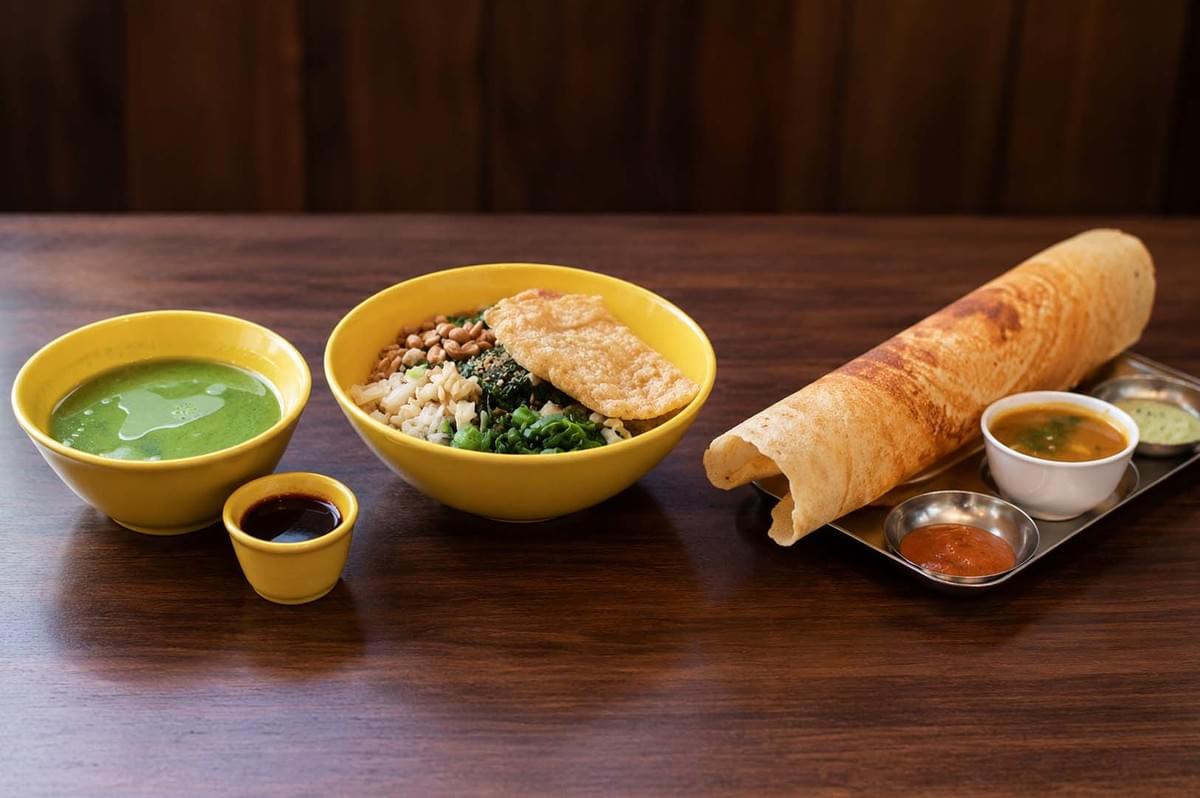
Vegetarian food in Singapore is not one trend or one cuisine. It is a collection of methods, traditions, and everyday meals shaped by many communities.
Dosai shows how fermentation and heat control create texture. Thali meals show how variety creates balance. Vegetarian bee hoon shows how noodles, tofu skin, sauce, and moisture control can become a practical meal. Thunder tea rice shows how herbs, vegetables, rice, and texture can work together. Modern plant-based dishes show how newer eating habits continue to expand the city’s food language.
The lesson is simple. Vegetarian food succeeds when it is built with intention. In Singapore, that intention appears in many forms: spice, soy, herbs, lentils, rice, noodles, and the steady rhythm of meals made to satisfy without meat at the centre.
For a quick, weeknight example of how a single umami-rich ingredient can carry a full meal, see this sheet-pan miso-glazed salmon with vegetables.
