

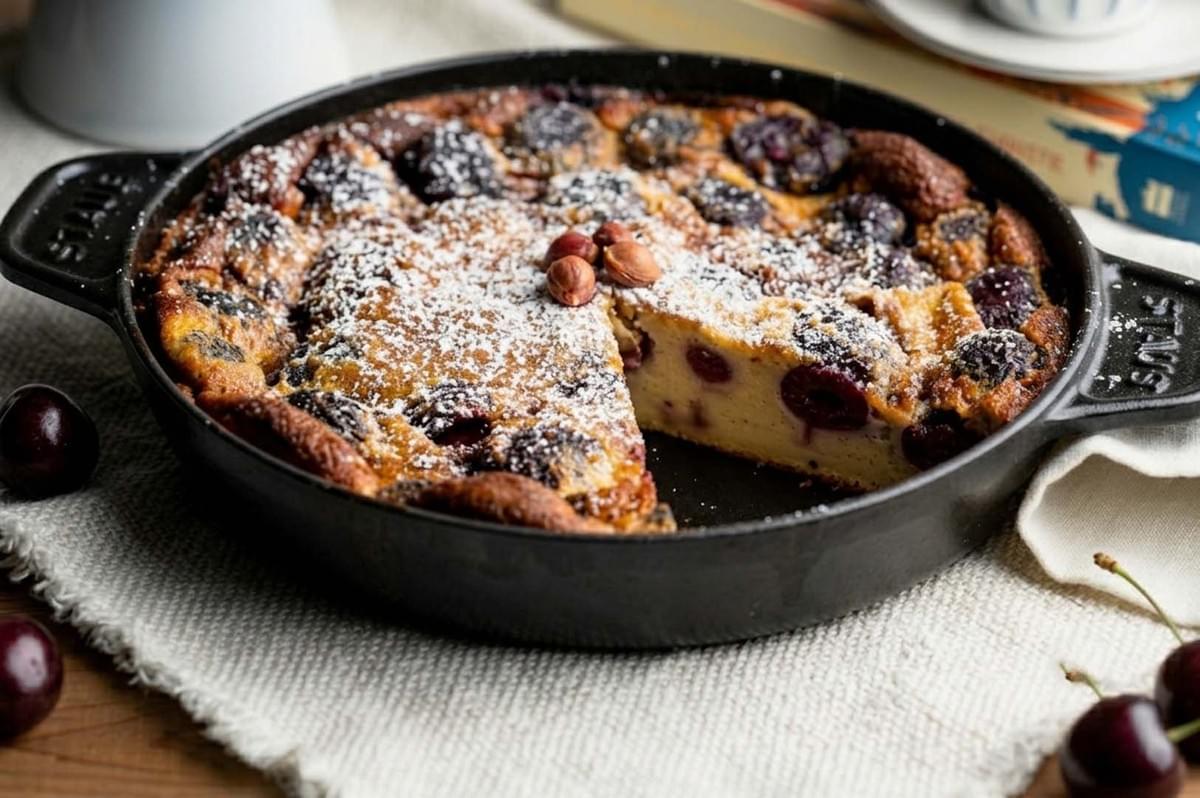
A Quick Background: What Is Clafoutis?
Clafoutis, pronounced roughly klah-foo-TEE, is a traditional French baked dessert from the Limousin region. The classic version is made with cherries covered in a thin batter, then baked until set and lightly browned.
Texture-wise, imagine a thin pancake batter meeting a soft custard. It is not quite cake, not quite flan, and not quite Dutch baby. It lives in its own delicious little lane.
Traditionally, clafoutis is made with whole cherries, pits included. The pits are said to add a subtle almond-like aroma as the dessert bakes. That said, in many modern home kitchens, mine included, pitted cherries are the practical choice. Fewer surprise crunches, fewer dental concerns. We love romance, but we also love teeth.
While cherry clafoutis is the classic, this recipe welcomes many fruits: berries, plums, apricots, peaches, pears, and more. Once you learn the base, you have a whole season-by-season dessert formula.
Why This Recipe Works
- One-bowl batter: Whisk it by hand, or use a blender for extra smoothness.
- Forgiving ratios: Clafoutis is flexible and does not demand pastry-school precision.
- Adaptable fruit: Use cherries, berries, stone fruit, pears, or a mix.
- Elegant but cozy: It looks dinner-party ready, but tastes like comfort.
- Great warm or room temperature: Perfect for relaxed hosting.
- Minimal prep: No crust, no frosting, no layers, no dramatic cooling schedule.
- Beginner-friendly: If you can whisk and pour, you are already halfway there.
Ingredients
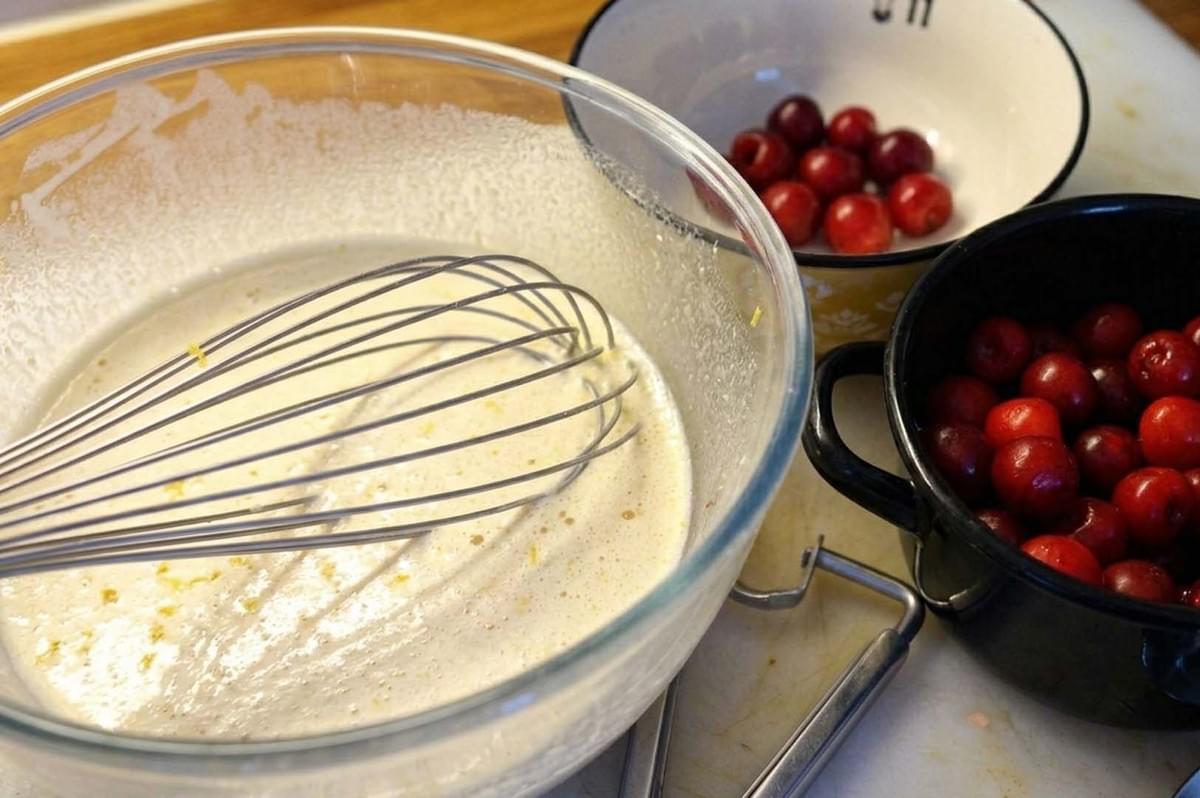
This clafoutis recipe uses everyday ingredients, with a few optional flavor boosters.
Eggs
Use 3 large eggs. Eggs give clafoutis its custard-like structure and gentle puff. They also help the batter set around the fruit.
Milk, or a Cream Option
Use 1 cup whole milk (240 ml) for a light, tender texture. For a richer version, replace up to half the milk with heavy cream. I like whole milk for balance, but cream is lovely when you want dessert to wear its fancy cardigan.
Sugar
Use 1/2 cup granulated sugar (100 g). This keeps the dessert lightly sweet and lets the fruit shine. If your fruit is very tart, you can add 1 to 2 extra tablespoons.
Flour
Use 1/2 cup all-purpose flour (63 g). Flour gives the batter body. Too much flour makes clafoutis feel bready, so measure gently or use a kitchen scale if you have one.
Salt
Use 1/4 teaspoon fine salt. It sharpens the flavor and keeps the sweetness from tasting flat.
Vanilla
Optional Almond Extract
Use 1/4 teaspoon almond extract, especially with cherries, plums, or apricots. A little goes a long way. Almond extract is tiny but mighty, like the espresso of baking extracts.
Optional Lemon Zest
Use 1 teaspoon finely grated lemon zest for brightness. This is especially good with berries, peaches, and pears.
Fruit
Use about 2 cups fruit (280 to 340 g).
Good options include:
- Pitted cherries
- Blueberries, raspberries, or blackberries
- Sliced plums
- Sliced apricots
- Sliced peaches or nectarines
- Thinly sliced pears
If using very juicy fruit, see the pro tips below to avoid a watery center.
Butter for the Dish
Use 1 tablespoon softened butter (14 g) to grease the baking dish. This adds flavor and helps the edges brown beautifully.
Powdered Sugar for Finishing
A light dusting of powdered sugar makes clafoutis look polished with almost no effort. My favorite kind of pastry magic.
Equipment
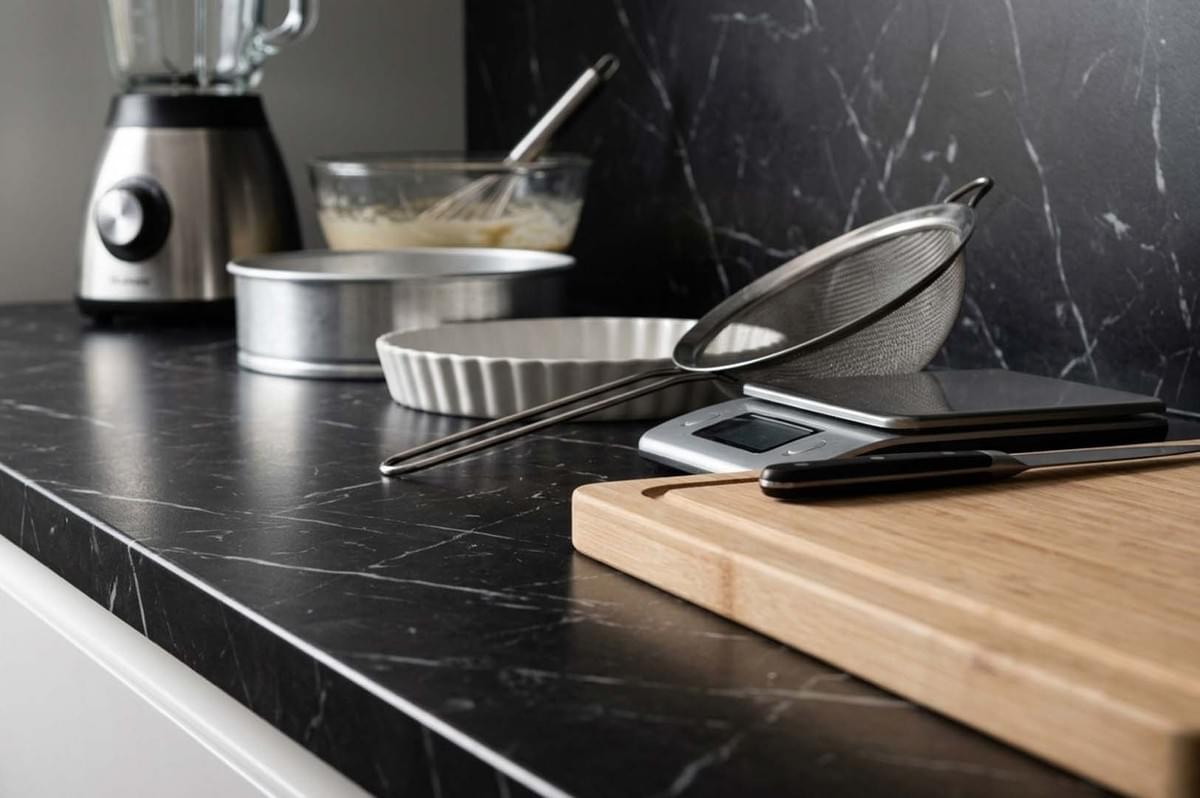
You do not need much, which is part of the charm.
- Baking dish: A 9-inch pie dish, 9-inch cake pan, or 1.5 to 2-quart baking dish works well.
- Ovenproof skillet: A 9 or 10-inch cast iron or stainless skillet also works.
- Mixing bowl and whisk: Classic and simple.
- Blender: Optional, but great for an extra smooth batter.
- Fine-mesh sieve: Optional, helpful if your batter has lumps.
- Kitchen scale: Optional, but useful for flour and fruit.
- Small knife and cutting board: For prepping fruit.
Step-by-Step Instructions
1. Preheat the Oven
Preheat your oven to 350°F (175°C).
Place a rack in the center of the oven. Clafoutis likes steady, even heat so the custard can set gently.
2. Butter the Baking Dish
Generously butter a 9-inch pie dish or similar baking dish with 1 tablespoon softened butter (14 g).
Make sure to coat the bottom and sides. The butter helps prevent sticking and gives those golden edges a little extra flavor.
3. Prep the Fruit
Wash and dry your fruit well.
If using cherries, pit them unless you are going very traditional. If using peaches, plums, apricots, or pears, slice them about 1/4 inch thick.
Spread the fruit evenly in the buttered dish. You want a generous layer, but not a mountain. Too much fruit can release excess juice and make the center slow to set.
4. Mix the Batter
In a medium bowl, whisk together:
- 3 large eggs
- 1/2 cup granulated sugar (100 g)
- 1 cup whole milk (240 ml)
- 1/2 cup all-purpose flour (63 g)
- 1/4 teaspoon fine salt
- 2 teaspoons vanilla extract
- 1/4 teaspoon almond extract, optional
- 1 teaspoon lemon zest, optional
Whisk until smooth. The batter should be thin, pourable, and similar to heavy cream or crepe batter.
Try not to overmix once the flour disappears. Overmixing can make the texture a bit rubbery because it develops gluten in the flour. Gentle whisk, happy custard.
5. Rest the Batter
Let the batter rest for 10 to 15 minutes.
This little pause lets the flour hydrate, which means it absorbs the liquid more evenly. The final texture will be smoother and less floury. If you skip the rest, your clafoutis will still bake, but it may taste slightly less silky.
If you are using a blender, blend the batter just until smooth, then rest it the same way.
6. Pour Over the Fruit
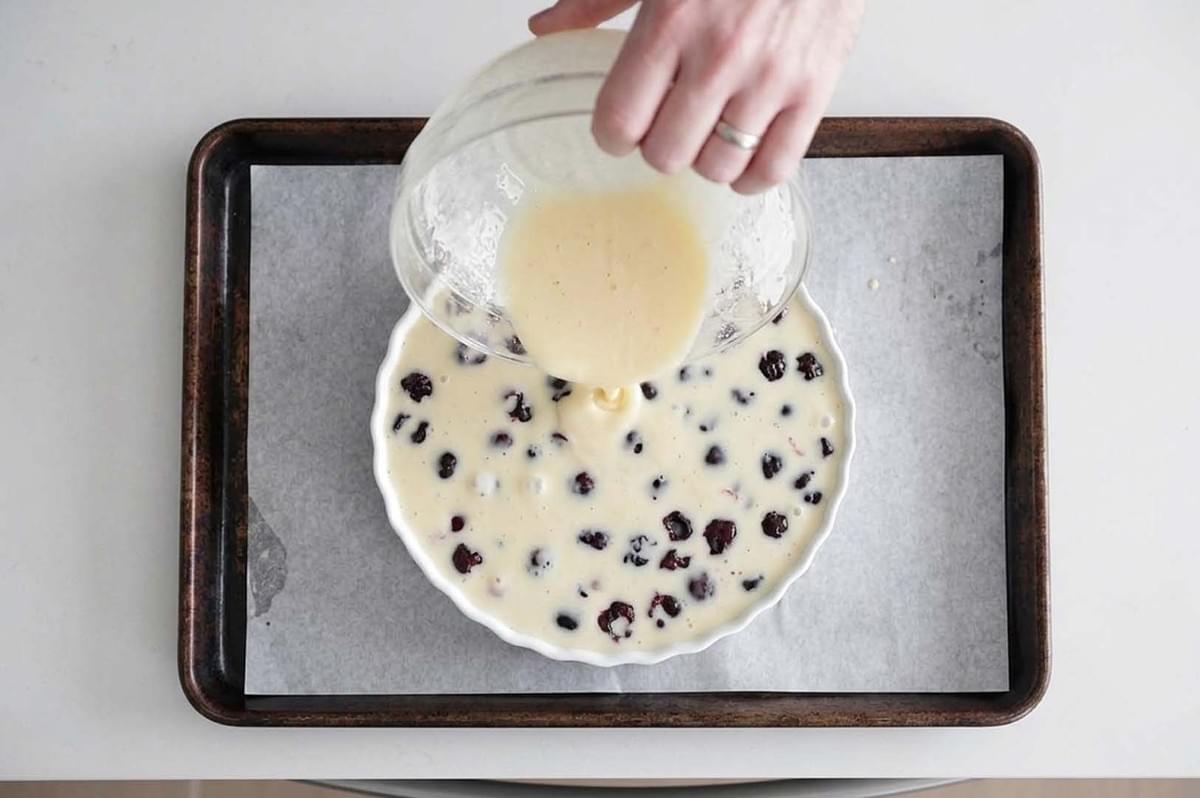
Pour the batter evenly over the fruit.
Some fruit may float, some may stay put. Both are fine. If you want a more arranged look, place sliced fruit neatly in the dish first, then pour the batter around it.
7. Bake
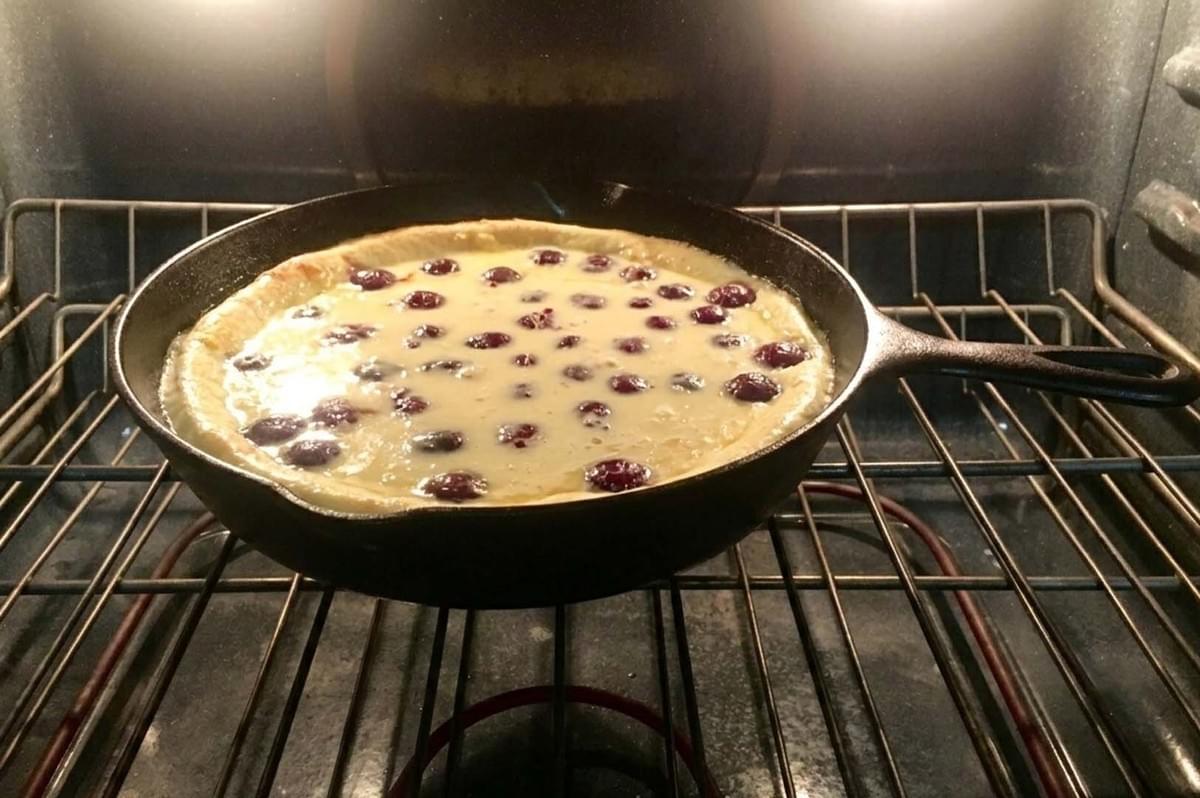
Bake for 35 to 45 minutes, depending on your dish and fruit.
The clafoutis is done when:
- The edges are puffed and golden
- The center is set but still has a gentle jiggle
- A knife inserted near the center comes out mostly clean
- The top looks lightly browned in spots
It will puff in the oven, then settle as it cools. This is normal. In pastry terms, we call this “expected.” In home baker terms, we call this “please do not panic.”
8. Cool Slightly
Let the clafoutis cool for 10 to 20 minutes before serving.
This gives the custard time to finish setting. It is lovely warm, but if you cut it straight from the oven, it may be a little too loose.
9. Dust and Serve
Dust with powdered sugar just before serving.
Slice or spoon into bowls. Clafoutis is rustic by nature, so do not worry about perfect wedges. Cozy beats perfect every time.
Flavor Variations
Once you learn the base, try these simple twists.
- Cherry almond: Use cherries, almond extract, and a sprinkle of sliced almonds on top.
- Blueberry lemon: Add lemon zest and use blueberries for a bright, brunch-friendly version.
- Plum cardamom: Add 1/4 teaspoon ground cardamom to the batter and use sliced plums.
- Peach vanilla bean: Use peaches and replace vanilla extract with vanilla bean paste.
- Pear ginger: Add a pinch of ground ginger and use thinly sliced pears.
- Chocolate hint: Add 2 tablespoons mini chocolate chips with cherries, or replace 1 tablespoon flour with cocoa powder for a subtle cocoa twist.
Storage + Make-Ahead
Clafoutis is best the day it is baked, especially when served warm or at room temperature.
Store leftovers covered in the refrigerator for up to 3 days. The texture will firm up as the custard sets more, which is normal.
To reheat, warm individual portions in a 300°F (150°C) oven for 8 to 10 minutes, or microwave briefly at low power. If serving from the fridge, you can also enjoy it chilled, though the texture will be denser.
To make ahead, mix the batter up to 1 day ahead and refrigerate it. Whisk gently before using. Prep the fruit separately, then assemble right before baking.
Closing
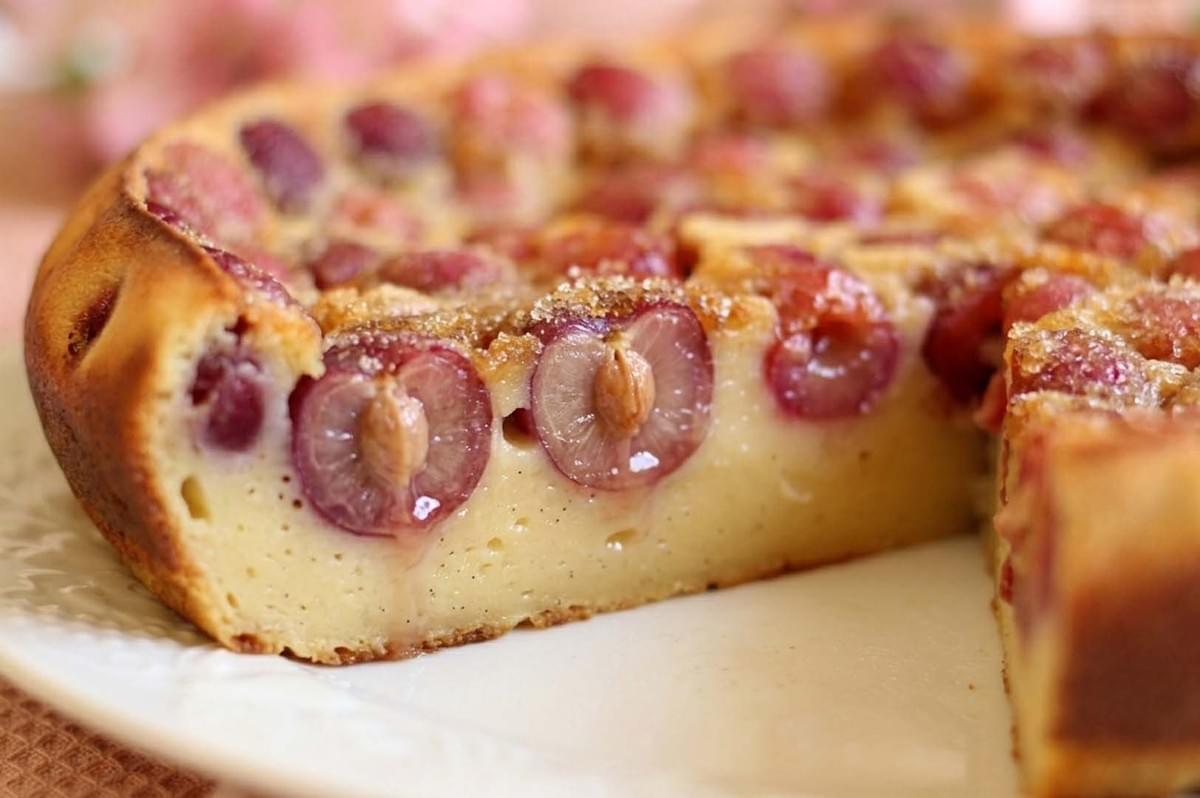
Clafoutis is the kind of dessert that quietly saves the day. It is simple, custardy, fruit-filled, and just fancy enough to make you feel like you pulled off something special without turning the kitchen upside down.
Try it with cherries first, or use whatever fruit is having a good day on your counter. Play a little. Trust the jiggle. Dust with sugar. Then enjoy the cozy payoff, because you absolutely made a French fruit dessert with lazy-genius energy.
You’ve got this, and dessert is looking very pleased with you.
For more baking suggestions, visit and click Ourfoodrhythms.com
