

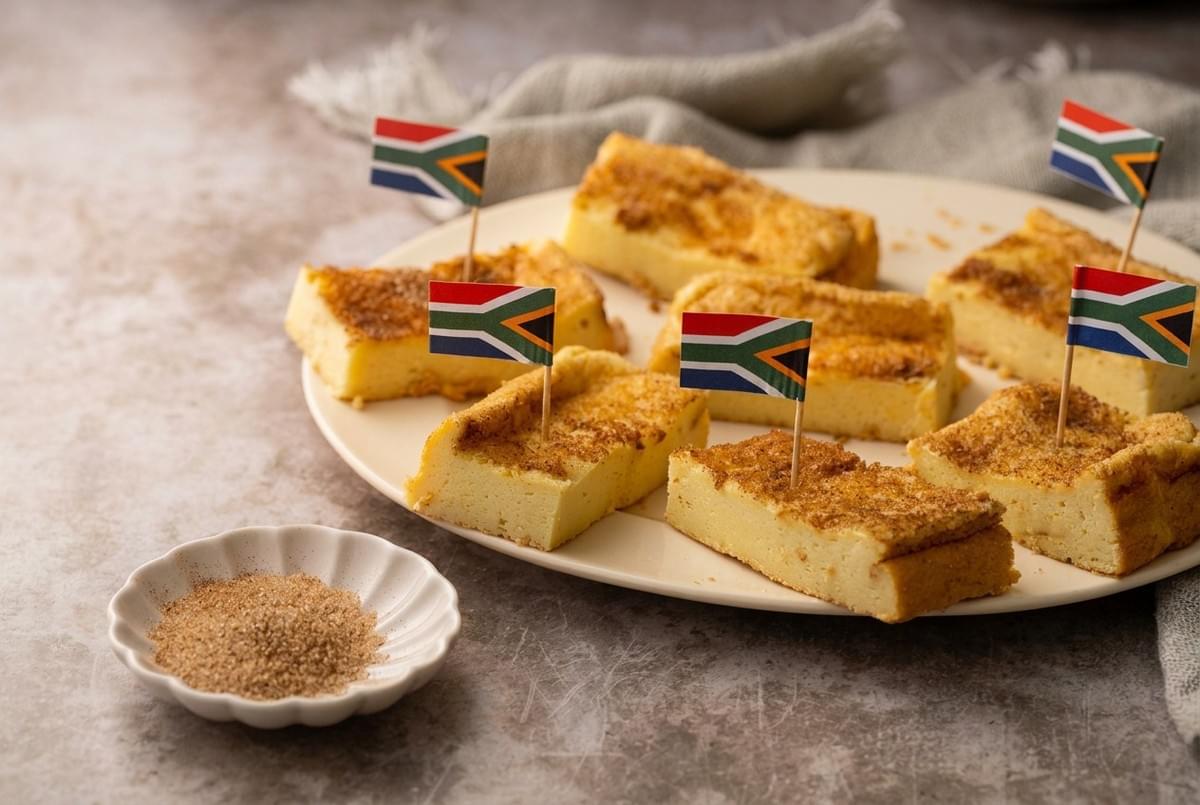
Milk warms slowly in a pot, a cinnamon stick turning in it like a small boat.
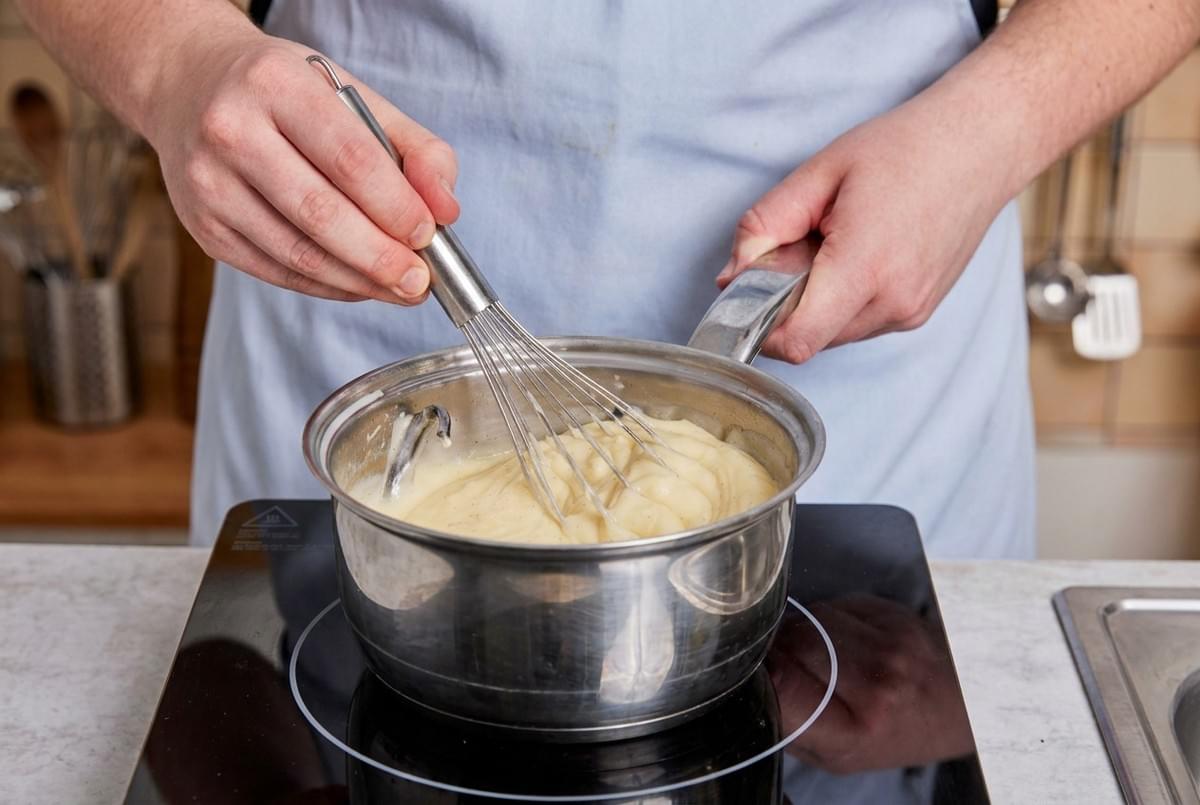
The kitchen goes quiet. There's only the whisk, the low hiss of the burner, and the moment the custard changes. It thickens all at once and pulls away from the sides.
You pour it over a pale golden base. Then a fine dusting of cinnamon settles on top, brown against cream.
Cinnamon milk tart bars are gentle things. The base is buttery and crisp. The filling is soft and milky, lighter than a rich egg custard, with a clean vanilla sweetness. The cinnamon gives the first warm note before the cream follows.
They're cut into squares, set on a plate, and shared.
A Little Background on Milk Tart
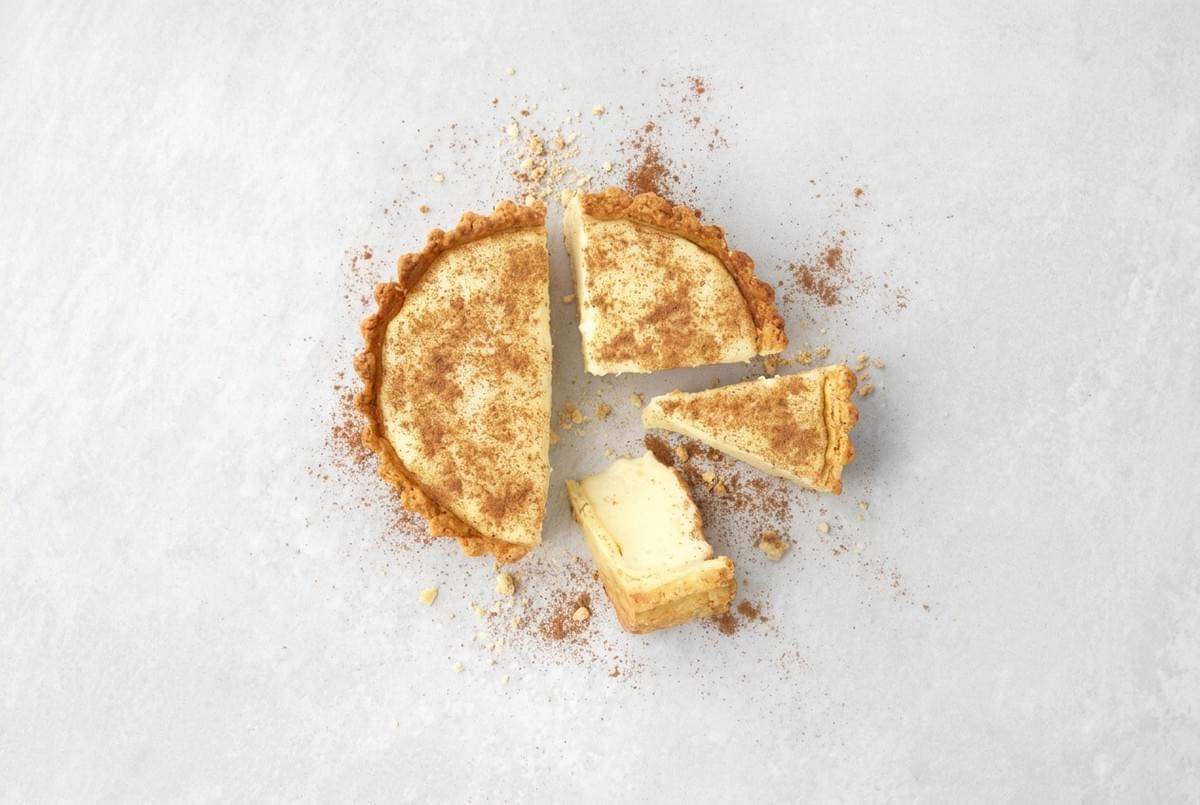
In South Africa, milk tart is known as melktert, the Afrikaans word for the same thing. It's a familiar dessert, seen at family gatherings, bake sales, and afternoon tea tables, and it is almost always finished with ground cinnamon.
Its roots are often linked to the Dutch settlers at the Cape, though the dessert has been shaped by many South African kitchens since then. What sets it apart is the filling. It uses more milk than egg and is thickened with flour or cornstarch, so it tastes milky and mild rather than eggy.
Some milk tarts are baked. Many are made by cooking the filling on the stove and pouring it into a baked pastry shell, which is the method used here.
These bars are not a traditional melktert. They're a home-kitchen adaptation that keeps the milk-forward filling and the cinnamon but swaps the round tart shell for a press-in shortbread base in a square pan. It's a small change, made for slicing and sharing.
Why You'll Love These Bars
- Comfort in a square: Cool, creamy custard and warm cinnamon make a calm, familiar dessert.
- Beginner friendly: There's no rolling pastry. You press the base into the pan with your hands.
- One stovetop filling: You can see the custard thicken, so it's easy to tell when it's ready.
- Made for sharing: Sixteen neat squares travel well to a table, a potluck, or a neighbor's door.
- Make-ahead by nature: The bars need time in the fridge, so they're good to make the day before.
Recipe Overview
- Yield: 16 bars
- Prep time: 25 minutes
- Bake time: 22 to 25 minutes (base only)
- Stovetop time: about 15 minutes (filling)
- Cooling and chilling time: about 5 hours 35 minutes (15 minutes chilling the base, 20 minutes cooling it, 1 hour cooling the filled bars, and 4 hours in the fridge)
- Total time: about 6 1/2 hours, mostly hands-off
Equipment
- 8x8-inch (20 cm) square metal baking pan, at least 2 inches (5 cm) deep
- Parchment paper
- Mixing bowls
- Medium heavy-bottomed saucepan
- Whisk and silicone spatula
- Fine-mesh sieve
- Small sieve or tea strainer for the cinnamon
- Long, sharp knife
Ingredients
For the Base
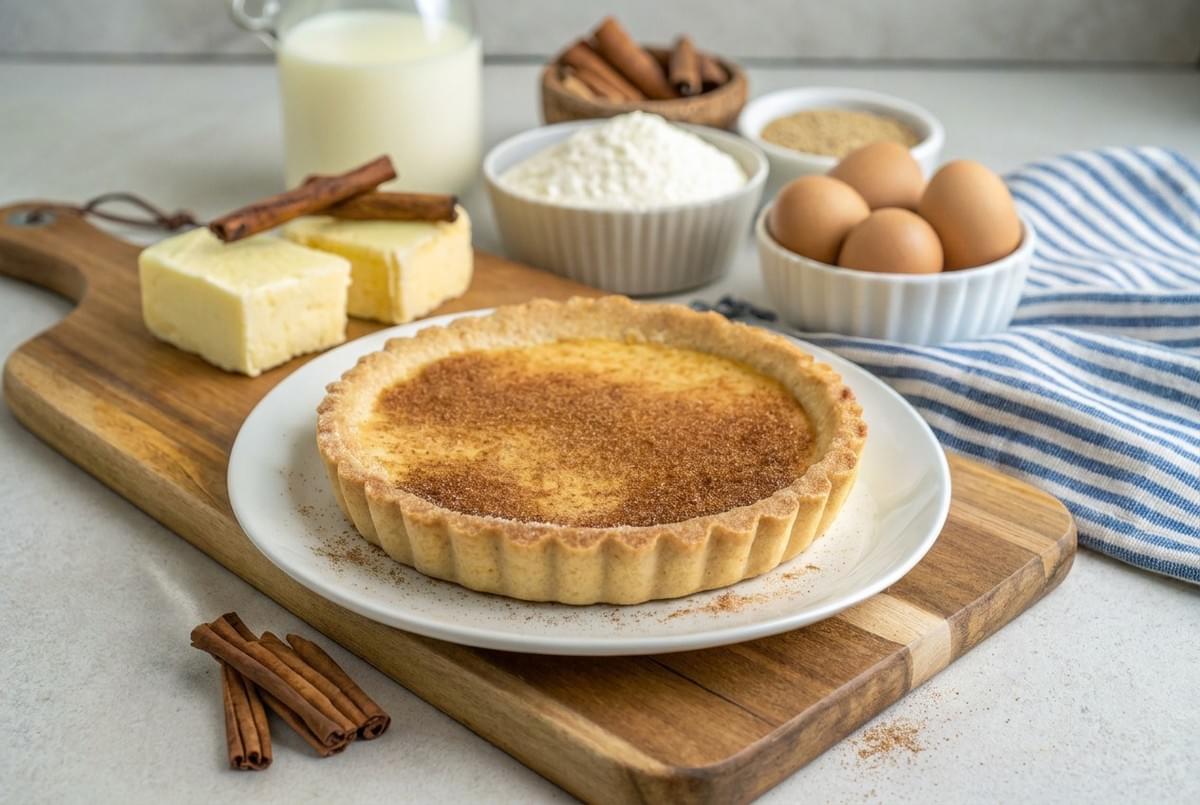
- 1 1/4 cups (156 g) all-purpose flour
- 1/3 cup (40 g) powdered sugar
- 1/4 teaspoon fine salt
- 1/2 cup (113 g) unsalted butter, cold and cut into small cubes
- 1 large egg yolk
For the Filling
- 3 cups (720 ml) whole milk
- 1 cinnamon stick
- 2 tablespoons (28 g) unsalted butter
- 2 large eggs, at room temperature
- 1/2 cup (100 g) granulated sugar
- 3 tablespoons (24 g) all-purpose flour
- 3 tablespoons (24 g) cornstarch
- Pinch of fine salt
- 1 teaspoon vanilla extract
For the Topping
- 1 to 2 teaspoons ground cinnamon
Key Ingredients and Substitutions
Whole milk carries the flavor. The filling is mostly milk, so richer milk tastes rounder. You can use 2% milk, but the filling will taste lighter and set slightly softer. Skim milk isn't recommended.
Flour and cornstarch together give the filling its soft, sliceable set. Flour adds body, and cornstarch keeps it smooth. If you only have cornstarch, use 1/3 cup (40 g) of cornstarch in total. The filling will be a little more jelly-like.
The cinnamon stick infuses the milk gently. If you don't have one, skip it and add 1/4 teaspoon ground cinnamon to the dry filling ingredients.
For the base, a 1:1 gluten-free baking flour blend works in place of all-purpose flour. The base will be a bit more crumbly, so press it firmly.
How to Make Cinnamon Milk Tart Bars
The Base
- Prepare the pan. Heat the oven to 350°F (180°C) with a rack in the center. Line the pan with parchment, leaving a little overhang on two sides so you can lift the bars out later.
- Rub in the butter. Whisk the flour, powdered sugar, and salt in a bowl. Add the cold butter and rub it in with your fingertips until the mixture looks like coarse sand. Add the egg yolk and mix with a fork until the crumbs hold together when squeezed.
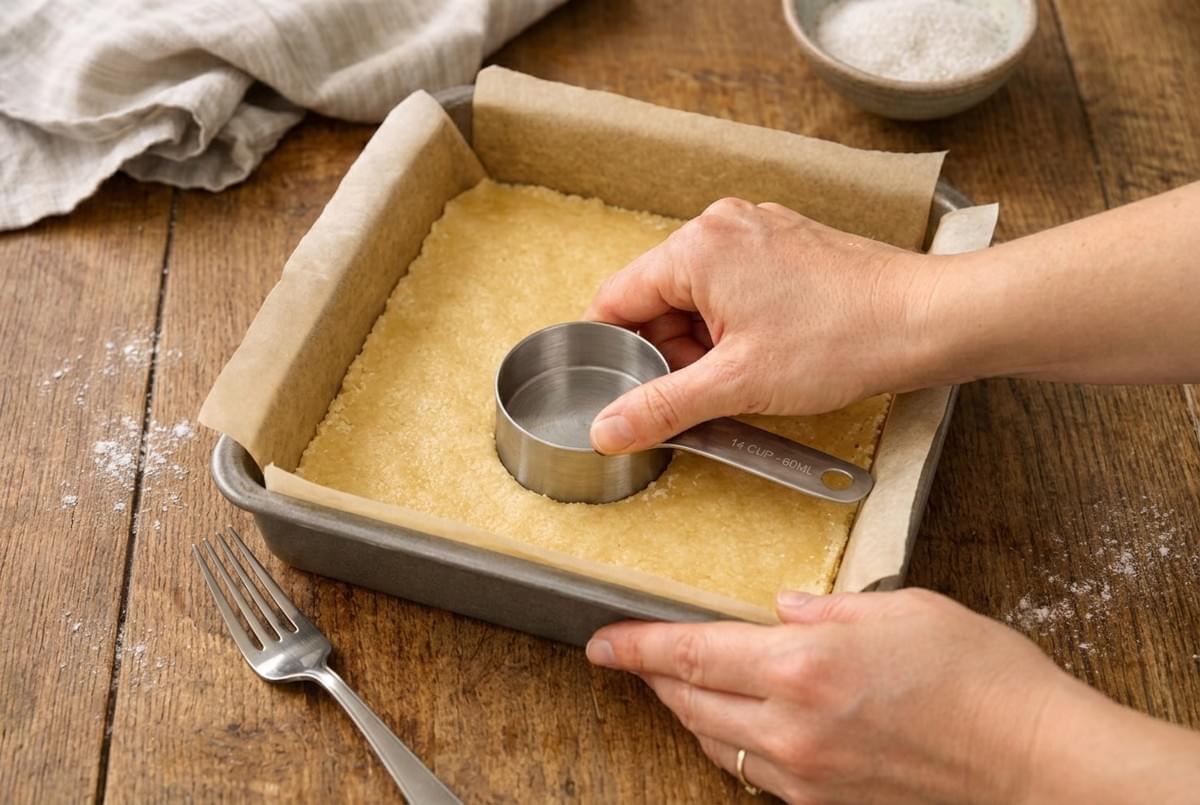
- Press and chill. Tip the crumbs into the pan and press them into an even layer with the bottom of a measuring cup, working into the corners. Prick the base all over with a fork. Chill for 15 minutes so the butter firms up and the base keeps its shape.
- Bake the base. Bake for 22 to 25 minutes, until the edges are golden and the center looks dry and lightly browned. Set the pan on a wire rack to cool for 20 minutes while you make the filling.
The Filling
- Warm the milk. Pour the milk into the saucepan, then add the cinnamon stick and butter. Heat over medium heat for about 5 minutes, until the butter melts and small bubbles appear at the edges. Don't let it boil over.
- Make the paste. In a large bowl, whisk the eggs, sugar, flour, cornstarch, and salt until smooth and pale, with no dry pockets. The mixture will be thick.
- Temper the eggs. Slowly pour about 1 cup of the hot milk into the egg mixture, whisking constantly. This warms the eggs gently so they don't scramble. Then pour everything back into the saucepan.
- Cook until thick. Turn the heat to medium-low and whisk constantly, reaching into the corners of the pan, for 5 to 7 minutes. The filling will suddenly thicken. Keep whisking until large bubbles break slowly on the surface, then cook for 1 more minute. This final minute cooks out the raw flour taste and helps the filling set firmly.
- Finish the filling. Take the pan off the heat. Remove the cinnamon stick and whisk in the vanilla. If you see any lumps, push the filling through a fine-mesh sieve with a spatula.
Assemble, Cool, and Chill
- Pour and smooth. Pour the hot filling over the cooled base and smooth the top with a spatula. Tap the pan gently on the counter to settle it.
- Dust with cinnamon. Hold a small sieve over the pan and tap 1 to 2 teaspoons of ground cinnamon evenly over the surface. On the warm filling, it settles in and stays put.
- Cool, then chill. Let the bars cool on the rack, uncovered, for 1 hour. Then refrigerate for at least 4 hours, until the filling is cold and firm, with no wobble when you nudge the pan.
- Slice. Lift the slab out by the parchment. Dip a long knife in hot water, wipe it dry, and press straight down. Wipe and reheat the blade between cuts. Cut into 16 squares, about 2 inches (5 cm) each.
Food Rhymes Tips and Troubleshooting
Lumpy filling. Lumps form when the starch isn't fully mixed in or when the eggs heat too fast. Whisk the paste until completely smooth, add the hot milk slowly, and keep whisking once it's back on the heat. A sieve fixes most small lumps.
Runny filling. This usually means the filling didn't cook long enough. It needs to bubble and then cook for a full extra minute. Egg yolks contain an enzyme that can break down starch if it isn't heated enough, which is why that last minute matters.
Knowing it's ready. The whisk leaves clear trails, the filling mounds slightly, and slow bubbles rise through it. If it still pours like thin cream, keep going.
Soggy base. Bake the base until it's golden all over, not just at the edges. A fully baked base stays crisp under the thick filling. An underbaked base absorbs moisture.
Messy slices. Chilling is what makes clean squares. Warm filling smears, but cold filling holds a straight edge. If you want very neat bars, trim a thin strip from each side first.
A skin on top. A thin skin is normal and softens in the fridge. Dusting the cinnamon right away helps cover it.
Serving Ideas and Variations
Serve the bars cold or just cool, with a cup of tea or coffee. They need little else.
- Marie biscuit base: Swap the shortbread for 1 1/2 cups (150 g) finely crushed Marie biscuits mixed with 6 tablespoons (85 g) melted butter. Press it in and chill for 30 minutes instead of baking, as in many South African fridge tarts.
- Cinnamon sugar top: Mix the cinnamon with 1 teaspoon granulated sugar before dusting for a sweeter finish.
- A hint of spice: Add a pinch of ground nutmeg or 2 lightly crushed cardamom pods to the milk with the cinnamon stick. Strain them out with the stick.
- Fresh fruit on the side: A few sliced strawberries or segments of orange bring brightness beside the quiet custard.
Make-Ahead and Storage
The filling is made with milk and eggs, so the bars belong in the fridge.
- Cooling: Don't leave the filled bars at room temperature for more than 2 hours in total. The 1-hour cooling time in the method falls well within that.
- Refrigerating: Store the bars in an airtight container at 40°F (4°C) or below for up to 3 days. Layer them with parchment so the cinnamon doesn't smudge.
- Making ahead: Bake them the day before you plan to serve them. The filling sets firmly overnight and slices cleanly. Add a fresh dusting of cinnamon before serving if the top looks dull.
- Freezing: Freezing isn't recommended. Starch-thickened custards tend to weep and turn grainy as they thaw, and the base softens.
A Plate Left on the Counter
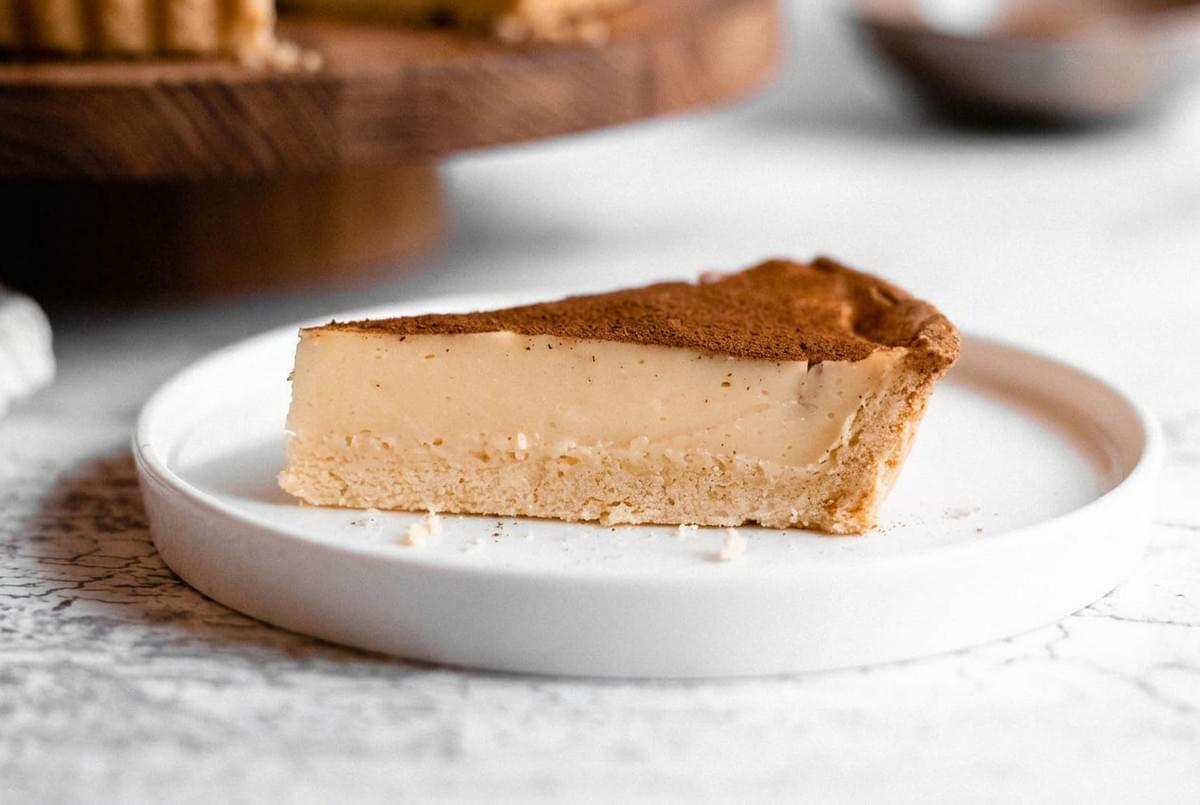
By the next day, the fridge holds a square pan with a few gaps in it. Cinnamon on a fingertip. A knife left in the sink.
That's often how milk tart is shared, quietly, one square at a time.
If you make these bars, tell us how they turned out, what you served them with, and who took the last piece.
