

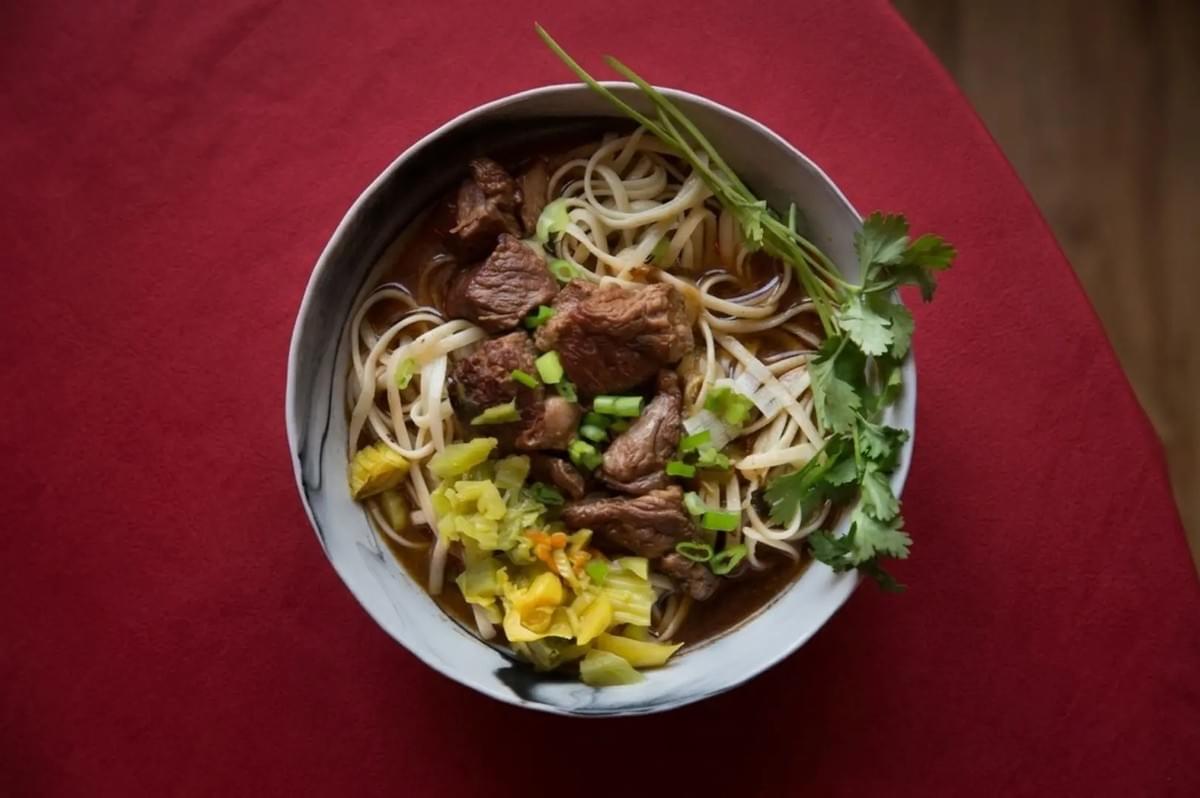
There is a profound sense of comfort that comes from a steaming bowl of Taiwanese beef noodle soup. For many, it is the ultimate expression of home cooking and street food culture combined into one perfectly balanced dish. A great bowl features deeply savory, mahogany-colored beef broth, tender cuts of braised beef, chewy wheat noodles, and the bright, acidic crunch of pickled mustard greens.
Whether you are seeking solace on a cold evening or simply looking to expand your culinary repertoire, mastering braised beef noodle soup is a rewarding endeavor. It requires patience, a respect for layering flavors, and an understanding of how different ingredients interact over hours of gentle simmering. Today, we will break down the techniques and traditions behind this iconic dish so you can recreate it confidently in your own kitchen.
A Quick History and Cultural Context
Taiwanese beef noodle soup is widely considered the national dish of Taiwan, yet its origins tell a story of migration and adaptation. Following the Chinese Civil War in 1949, millions of people relocated to Taiwan. Many of these families settled in military dependents' villages, known as juancun.
In these communities, culinary traditions from various provinces of mainland China began to mingle with local Taiwanese ingredients. The heavily spiced, bean-paste-driven flavors of Sichuan cuisine met the local reliance on soy sauce and sugarcane.
Over time, this melting pot of techniques gave birth to the rich, complex braised beef noodle soup we know today. It is a dish born of necessity and nostalgia, carefully refined over decades by street vendors and home cooks alike.
Key Flavor Profile: Finding the Perfect Balance
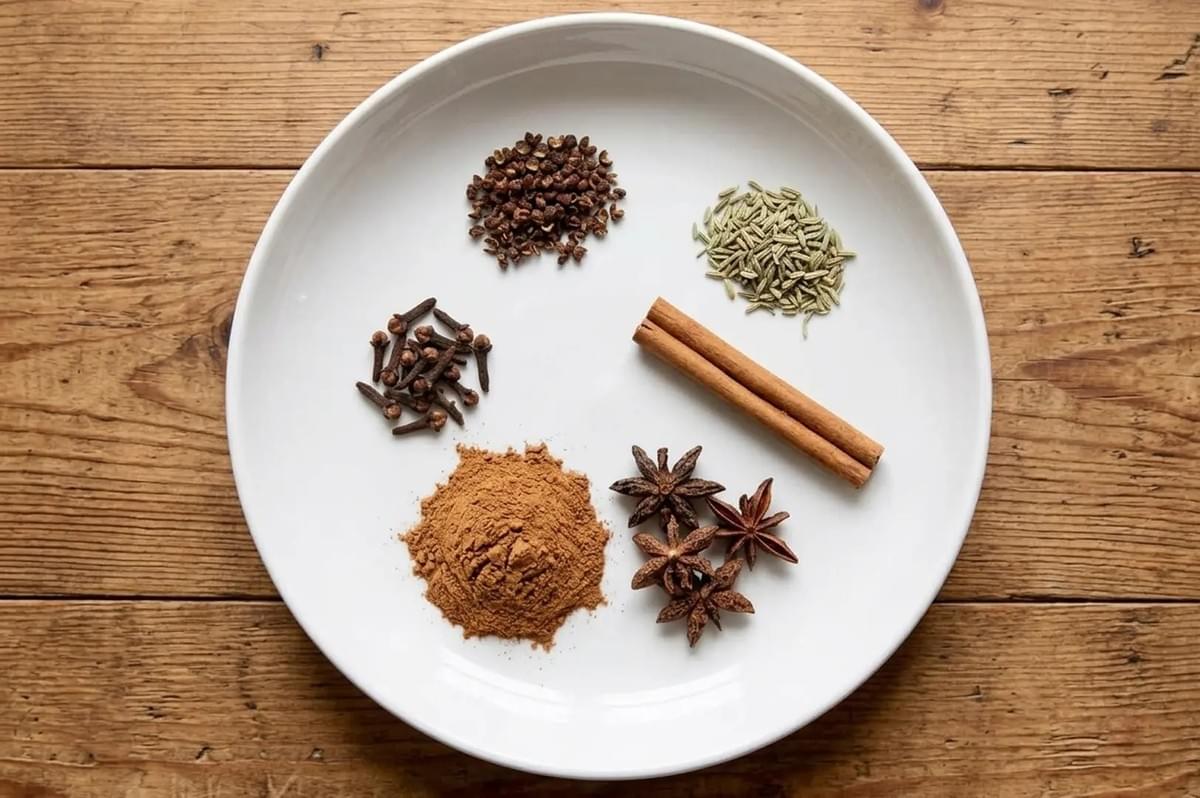
A successful beef broth is never one-dimensional. It is a masterclass in balancing bold, contrasting elements.
- Savory and Umami: The foundation relies on high-quality soy sauce, the beef itself, and fermented chili bean paste. These create a deep, resonant base.
- Aromatics and Spice: The warmth of star anise and cinnamon provides a fragrant backbone, while Sichuan peppercorns offer a subtle, tingling heat rather than aggressive spiciness.
- Sweetness: Rock sugar is traditionally used to round out the harsh edges of the soy sauce and spices. It provides a clean, glossy finish to the broth.
- Acidity: Tomatoes are often added to the braise to break up the rich beef fat. Finally, pickled mustard greens are stirred into the finished bowl, cutting through the heavy broth with a necessary, bright crunch.
Ingredients Overview
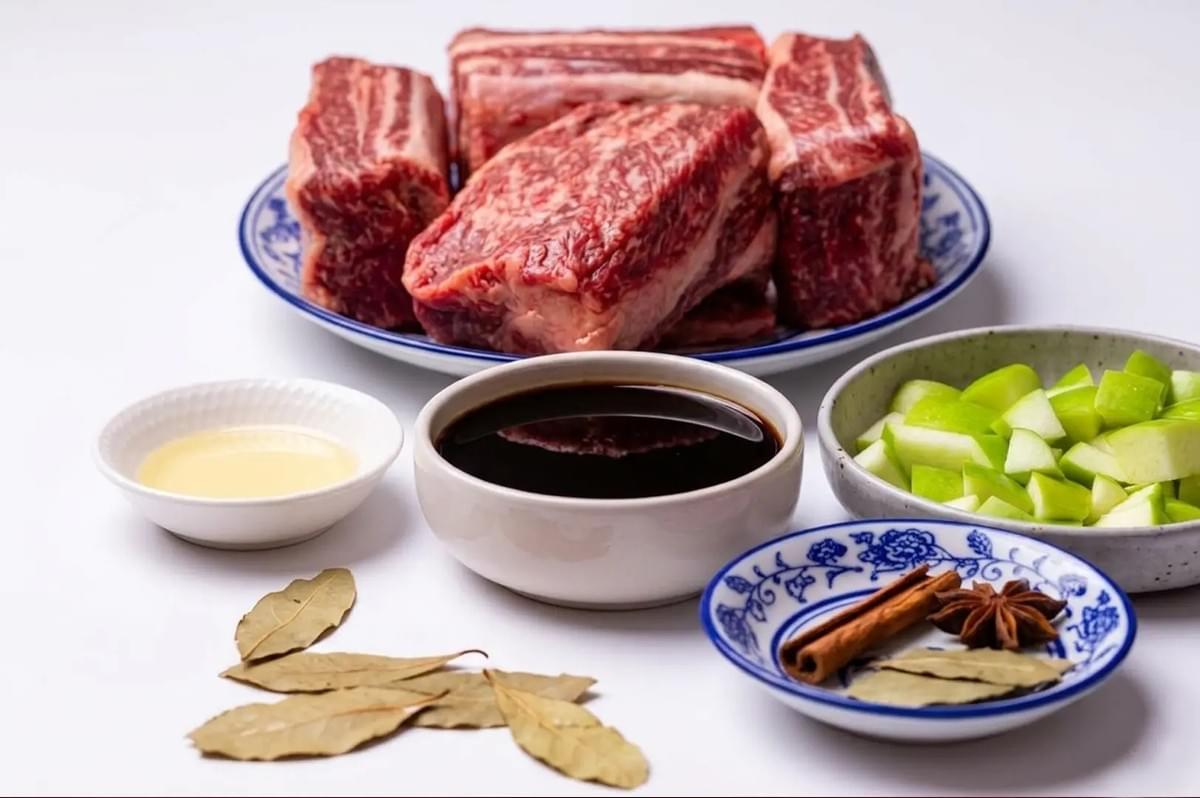
To yield 4 to 6 servings, you will need to gather a specific set of ingredients. While some items require a trip to an Asian grocery store, the investment in proper pantry staples will dramatically improve your final dish.
The Beef Cuts
You will need about 2 pounds of beef. Beef shank is the undisputed champion for this recipe. It contains ribbons of collagen that melt into gelatin during a long braise, resulting in an incredibly tender texture that never dries out. If you cannot find beef shank, a well-marbled beef chuck roast or beef brisket will work beautifully. Many traditionalists also include beef tendon, which turns beautifully soft and translucent after hours of cooking.
Aromatics
The classic trinity is essential. Gather 1 large knob of fresh ginger (sliced), 5 whole scallions (cut into large segments), and 6 cloves of peeled garlic.
Spices
Whole spices are non-negotiable for an authentic aroma. You will need 3 whole star anise, 1 stick of cinnamon, and 1 teaspoon of whole Sichuan peppercorns. If you prefer a milder broth, you can omit the peppercorns, but you will lose that signature subtle numbing quality.
Sauces and Seasonings
- 3 tablespoons light soy sauce (for salt and umami).
- 2 tablespoons dark soy sauce (primarily for that deep, rich color).
- 3 tablespoons spicy doubanjiang (fermented chili broad bean paste). If you cannot find this, a mix of regular miso paste and a little chili oil can work as a substitute, though the flavor will lack the exact traditional depth.
- 2 tablespoons rock sugar (substitute with regular cane sugar or brown sugar if needed).
- 1/2 cup Shaoxing rice wine (a dry sherry makes an acceptable substitute).
[Related: How to choose soy sauce for cooking]
Tomatoes and Pickled Mustard Greens
Include 2 medium tomatoes, roughly chopped. The acidity of the tomatoes balances the rich beef fat. For serving, you must have suan cai, which are Chinese pickled mustard greens. These are usually sold in plastic vacuum-sealed bags at Asian markets.
The Noodles
Look for thick, chewy Asian wheat noodles. Knife-cut noodles or fresh thick flour noodles hold up best against the heavy broth.
[Related: Guide to Asian wheat noodles]
Step-by-Step Recipe Method
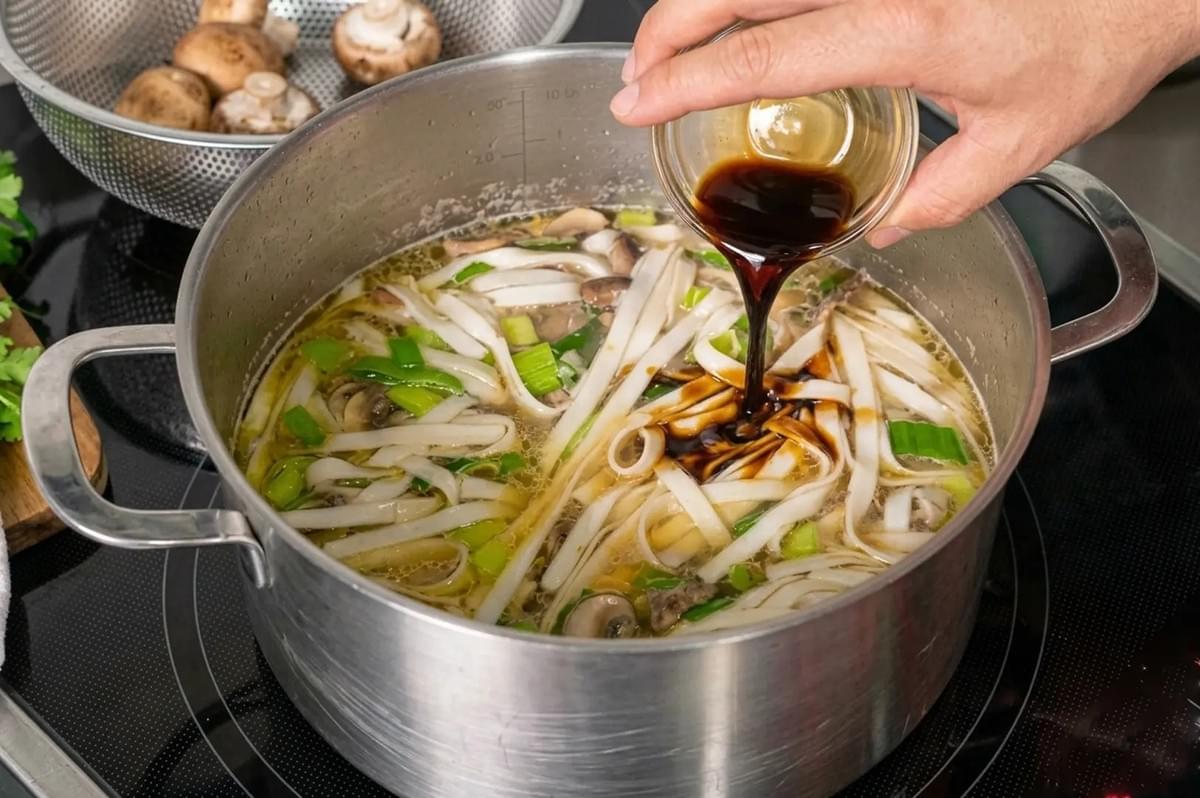
The process of making this soup takes about 20 minutes of active preparation and 2 to 2.5 hours of passive simmering. The total time is roughly 3 hours.
1. Blanching the Beef
Blanching is a critical first step. It removes blood and impurities that would otherwise make your beef broth cloudy and bitter. Cut your beef shank into large 2-inch chunks. Place them in a large pot and cover them with cold water. Bring the pot to a boil over high heat. Let it boil vigorously for 3 to 5 minutes. You will see a layer of gray scum rise to the top. Turn off the heat, drain the beef, and rinse the chunks thoroughly under cold running water. Clean the pot.
2. Building the Braise Base
Place your clean pot (or a large Dutch oven) over medium heat. Add 2 tablespoons of neutral cooking oil. Add the ginger, garlic, and scallions. Sauté for 2 minutes until they are fragrant. Next, add the star anise, cinnamon stick, and Sichuan peppercorns. Stir continuously for another minute so the spices release their essential oils.
Add the spicy doubanjiang to the center of the pot. Fry the paste in the oil for 1 minute until it turns bright red and smells intensely savory.
3. Combining and Simmering
Add the blanched beef chunks back into the pot. Toss them well so they are completely coated in the aromatic bean paste mixture. Pour in the Shaoxing wine to deglaze the bottom of the pot. Add the light soy sauce, dark soy sauce, rock sugar, and chopped tomatoes.
Pour in enough water to submerge the beef completely (usually about 6 to 8 cups of water). Bring the mixture to a rolling boil.
Taste Checkpoint 1: Carefully taste the boiling liquid. It should taste strongly seasoned and slightly too salty at this stage. As the beef cooks, it will absorb much of this seasoning.
4. The Long Simmer
Once the pot is boiling, reduce the heat to the lowest possible setting. Cover the pot with a tight-fitting lid. You want the liquid to maintain a very gentle, lazy simmer. Rapid boiling will make the meat tough and the broth cloudy.
Taste Checkpoint 2: After 1 hour of simmering, open the lid. The tomatoes should have disintegrated. Taste the broth. If it lacks depth, you can add another splash of light soy sauce. If it is too spicy, add a small piece of extra rock sugar. Cover and continue cooking.
5. Final Tenderness Check
After 2 to 2.5 hours total, check the beef. Take a piece out and press it with a fork. It should yield easily and feel tender, but it should not be falling apart into shreds. The collagen in the beef shank should look translucent and soft. Once it reaches this stage, turn off the heat.
Taste Checkpoint 3: Skim any excessive layer of oil from the top of the broth. Taste the liquid one final time and adjust the salt if necessary.
How to Assemble and Serve
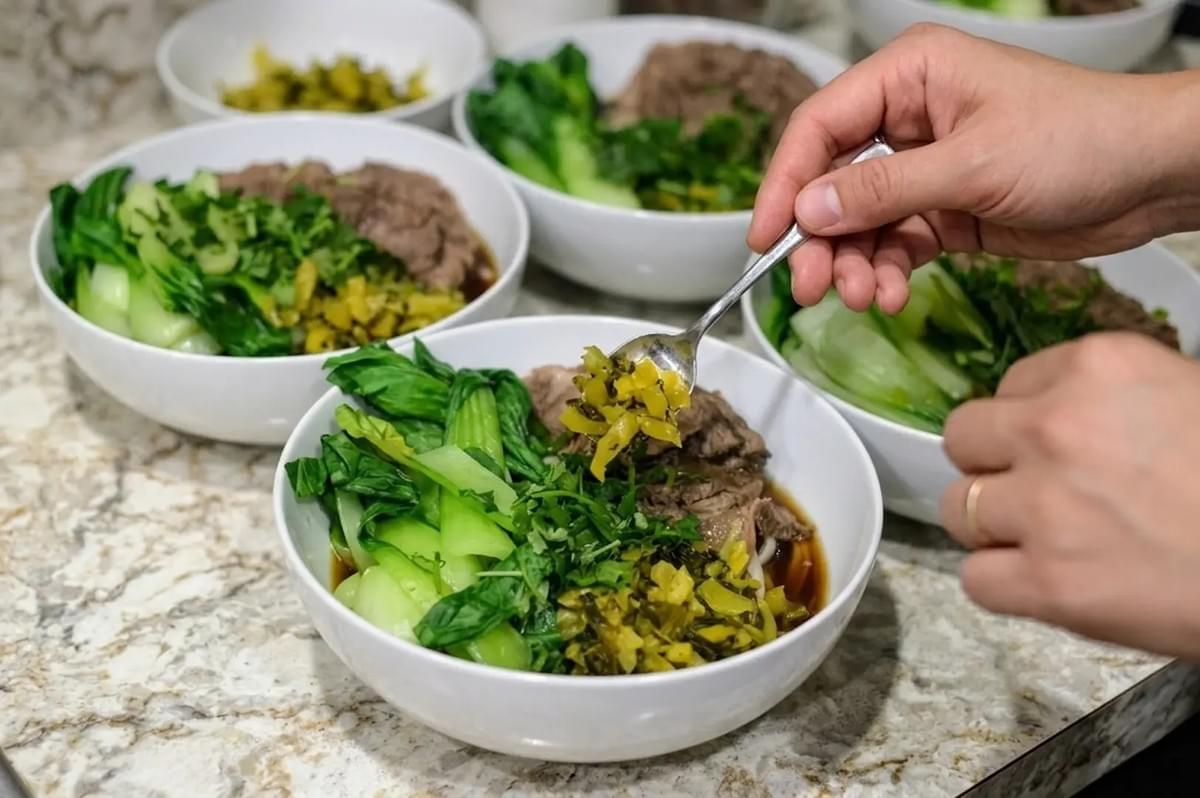
A great bowl of Taiwanese beef noodle soup requires proper assembly. Never cook your noodles directly in the beef broth, as the starch from the wheat will ruin the clarity and texture of your soup.
- Bring a separate large pot of water to a boil.
- While the water heats, rinse your pickled mustard greens and chop them finely. You can serve them raw, or lightly pan-fry them with a tiny pinch of sugar to mellow their bite.
- Cook your noodles in the boiling water according to the package directions. Drain them thoroughly.
- Divide the hot, cooked noodles among deep serving bowls.
- Use a slotted spoon to fish out 4 to 5 chunks of tender beef and arrange them over the noodles.
- Ladle the hot, dark beef broth generously over the noodles and meat. Use a strainer if you want to catch the whole spices and scallion bits, though leaving some in the bowl is perfectly rustic and traditional.
- Top each bowl with a large spoonful of pickled mustard greens and a shower of freshly chopped cilantro or green onions.
Common Mistakes and Fixes
Even experienced home cooks can encounter minor issues when braising meats. Here is how to troubleshoot.
- Cloudy Broth: This happens if you skip the initial blanching step or if you allow the soup to boil aggressively instead of gently simmering. Always keep the heat low.
- Tough Beef: Beef shank is a hard working muscle. If it is tough, it simply has not cooked long enough. Return the pot to a simmer and check again in 30 minutes.
- Too Salty: If the broth reduces too much and becomes overly salty, simply stir in a half cup of hot water or unsalted beef stock to dilute it before serving.
- Too Flat: If the flavor lacks dimension, it usually needs a touch more acidity or sweetness. A pinch of sugar or an extra tomato cooked into the broth can restore the balance.
- Too Oily: Beef shank can release a lot of fat. Use a wide spoon to skim the surface of the broth before serving. Alternatively, chill the broth overnight; the fat will solidify on top and can be lifted off easily the next day.
Variations on the Classic
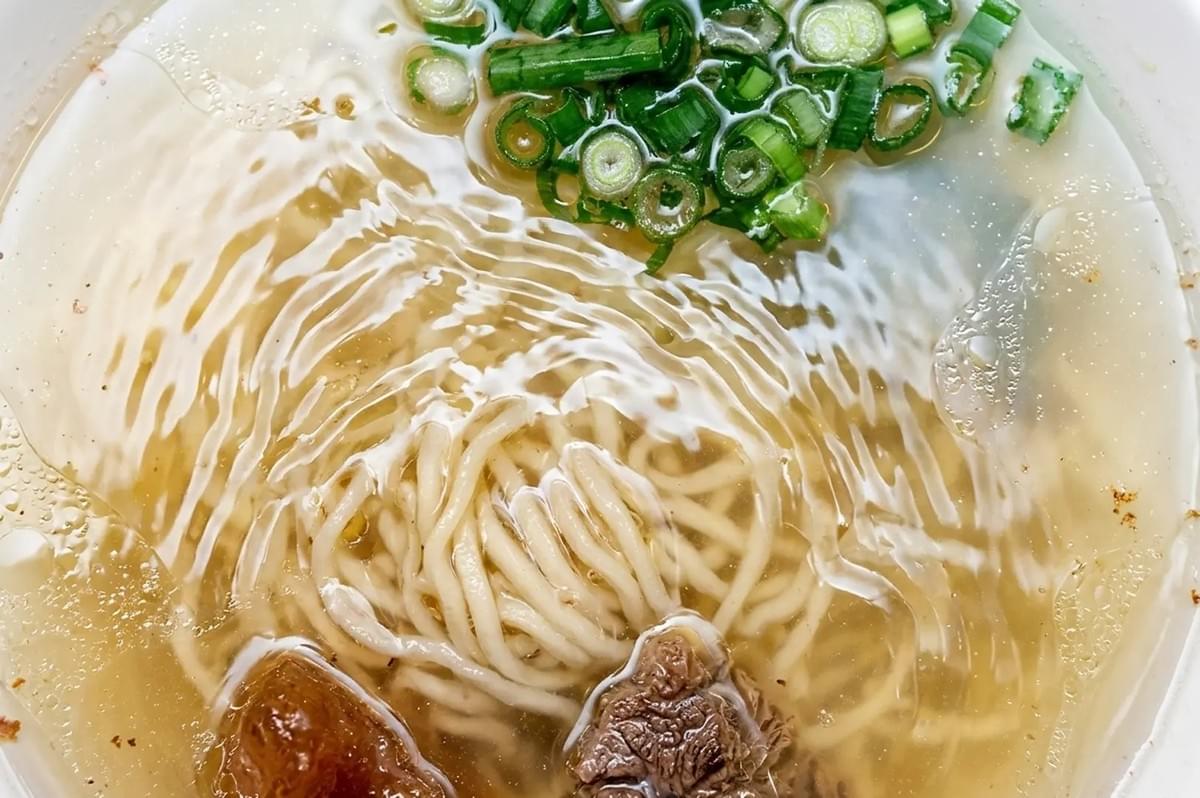
While the dark, soy-braised version (Hongshao) is the most famous, there are several wonderful ways to adapt this recipe.
- Clear Broth Style (Qingdun): This variation omits the dark soy sauce and spicy bean paste entirely. It relies on a very clean, slow-simmered beef bone stock flavored primarily with ginger, star anise, and white pepper. It is delicate and highly comforting.
- Tomato-Forward: Some regions and households add a significant amount of fresh tomatoes and a dollop of tomato paste to the braise, resulting in a sweeter, tangier, and thicker broth.
- Adding Tendon: If you love texture, replace half a pound of the beef shank with beef tendon. Tendon takes longer to cook, so you may need to simmer the pot for up to 3 or 4 hours until it reaches a jelly-like consistency.
- Slow Cooker or Pressure Cooker: To adapt this for modern appliances, complete the blanching and sautéing steps on the stove. Transfer everything to a slow cooker and cook on low for 8 hours. If using a pressure cooker, cook on high pressure for 45 minutes, then allow a natural pressure release.
Storage and Reheating
Like most stews and braises, Taiwanese beef noodle soup tastes exponentially better the next day. The resting period allows the spices to mingle and the meat to absorb even more flavor.
Store the broth and beef together in an airtight container in the refrigerator for up to 4 days. When you are ready to eat, reheat the broth gently in a saucepan on the stove until it is piping hot.
Never store cooked noodles in the broth. They will bloat, turn to mush, and soak up all your precious liquid. Always boil a fresh batch of noodles for your leftovers.
Conclusion
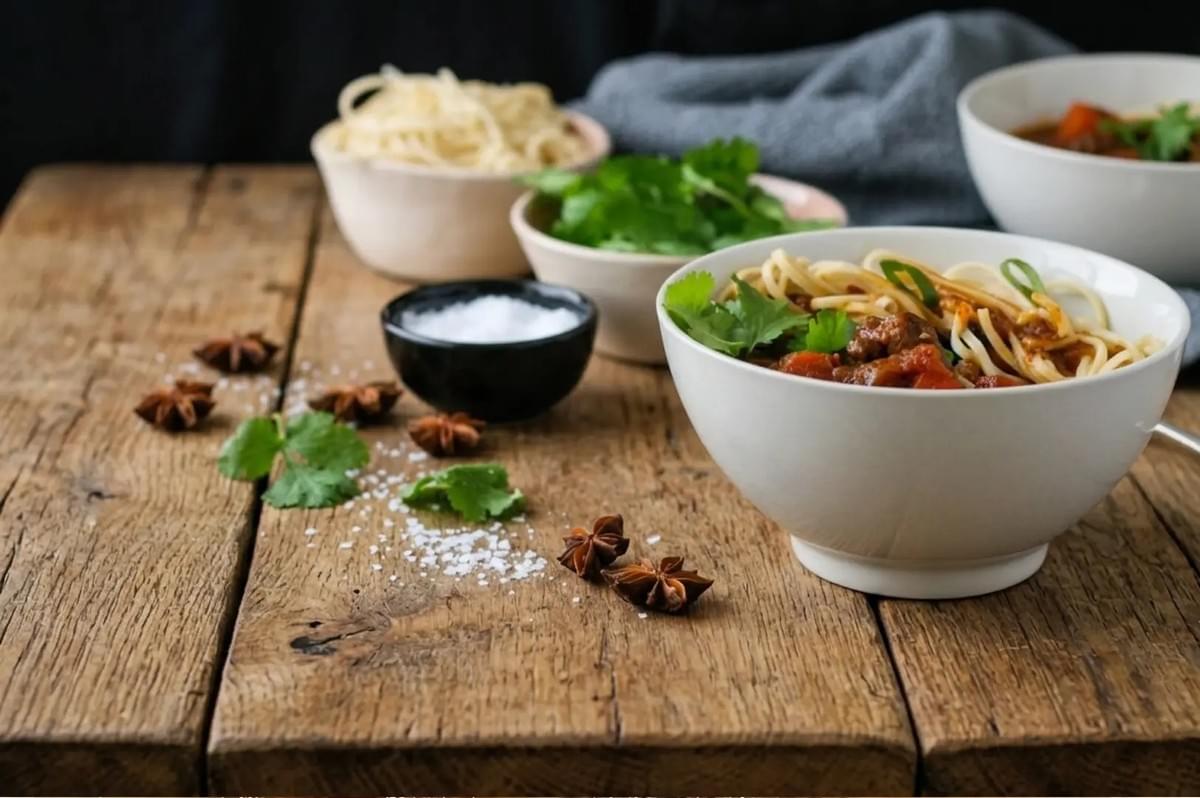
Making Taiwanese beef noodle soup from scratch is a beautiful way to connect with a deeply rooted culinary tradition. The process demands a bit of time, but the reward is a bowl of soup that is restorative, complex, and incredibly satisfying.
Do not be afraid to make this dish your own. Adjust the spice levels to suit your palate, play with the ratio of tomatoes, or try a different cut of beef. As long as you respect the foundational balance of savory, sweet, and aromatic elements, you will end up with a meal that honors the spirit of this legendary comfort food. Take your time, trust your senses, and enjoy the process.
