

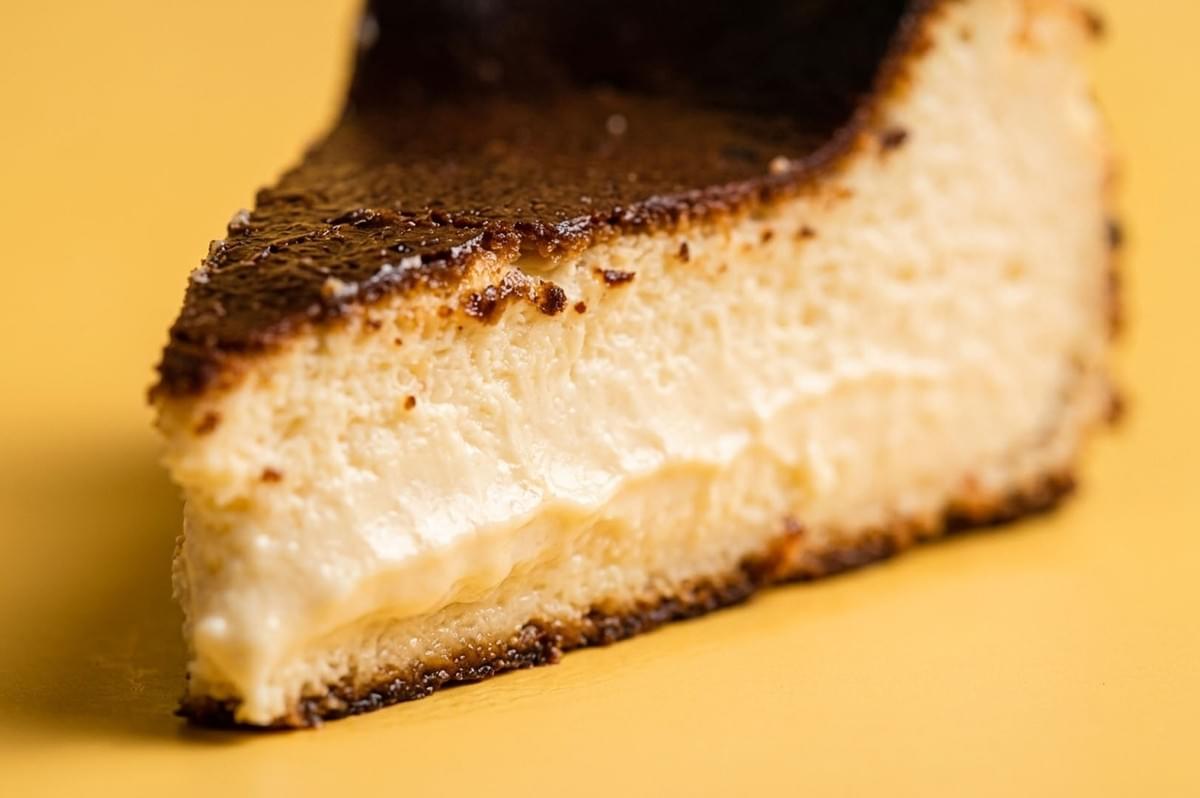
Picture this: your oven is set higher than you would ever dare for a traditional cheesecake, and the top of your cake is turning a deep, dark, alarming shade of mahogany. Your kitchen smells like toasted sugar and rich butter. If you were making a New York-style cheesecake, you might be panicking right now. But today, you are right on track.
Welcome to the magic of the Basque burnt cheesecake. This is a crustless, high-heat cheesecake that intentionally burns on the top to create a gorgeous, bitter-sweet caramelized crust. Underneath that dark exterior lies an impossibly creamy, custardy center that practically melts on your tongue. It is rustic, forgiving, and the ultimate dessert for bakers who want an impressive result without the usual cheesecake stress.
A Quick Background: Where Basque Burnt Cheesecake Comes From
Unlike centuries-old European pastry recipes, this particular style of cheesecake has a surprisingly modern history. It was born in the 1990s in San Sebastián, a coastal city in the Basque region of Spain. Chef Santiago Rivera created it at his family's restaurant, La Viña.
Rivera wanted a cheesecake on his menu, but he wanted to break the rules. He skipped the graham cracker crust. He skipped the gentle water bath. He baked it hot and fast. The La Viña-style cheesecake became a massive local hit and eventually a global sensation. It proves that sometimes, breaking the fundamental rules of pastry yields the most spectacular results.
What Makes This Cheesecake Different
Unlike centuries-old European pastry recipes, this particular style of cheesecake has a surprisingly modern history. It was born in the 1990s in San Sebastián, a coastal city in the Basque region of Spain. Chef Santiago Rivera created it at his family's restaurant, La Viña.
Rivera wanted a cheesecake on his menu, but he wanted to break the rules. He skipped the graham cracker crust. He skipped the gentle water bath. He baked it hot and fast. The La Viña-style cheesecake became a massive local hit and eventually a global sensation. It proves that sometimes, breaking the fundamental rules of pastry yields the most spectacular results.
What Makes This Cheesecake Different
This recipe completely flips traditional cheesecake logic on its head.
First, there is the high-heat bake. We are blasting this batter at 400°F (200°C) so the sugars on the surface caramelize heavily before the center overcooks. This creates a natural "crust" out of the batter itself.
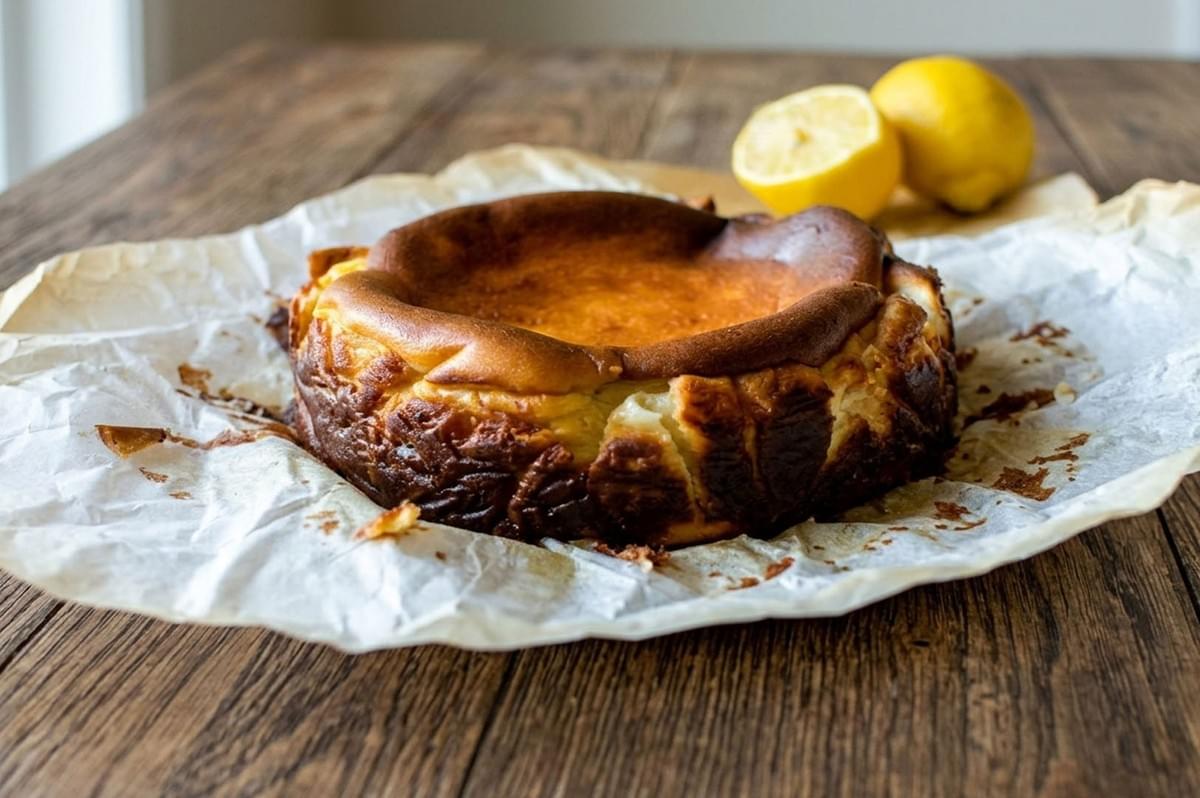
Second, it is incredibly forgiving. You do not need a fussy water bath. You do not have to worry about the top cracking. In fact, deep, rustic cracks are totally normal and add to the charm. You simply line a pan with crumpled parchment paper, pour in the batter, and let the oven do its dramatic work.
Ingredients
This Basque burnt cheesecake recipe relies on a very short list of everyday ingredients. Be sure to use full-fat dairy for the best texture.
- Cream cheese: 2 pounds (900g) of full-fat cream cheese. It absolutely must be at room temperature to avoid lumps.
- Granulated sugar: 1 1/2 cups (300g). This sweetens the cake and creates that essential burnt top.
- Eggs: 5 large eggs, plus 1 egg yolk, all at room temperature. They provide the rich, custardy structure.
- Heavy cream: 1 1/2 cups (360ml), room temperature. This makes the interior soft and luxurious.
- Salt: 1 teaspoon of kosher salt to balance the sweetness.
- Vanilla extract: 1 tablespoon of pure vanilla extract.
- All-purpose flour (or cornstarch): 3 tablespoons (25g). A tiny bit of starch helps bind the batter so it does not collapse entirely.
Substitutions and Variations:
To make this gluten-free, simply swap the flour for an equal amount of cornstarch. If you want a brighter flavor profile, rub a tablespoon of fresh lemon zest into the sugar before mixing it with the cream cheese. You can also swap the vanilla extract for a split vanilla bean or a dash of dark rum.
Tools You Will Need
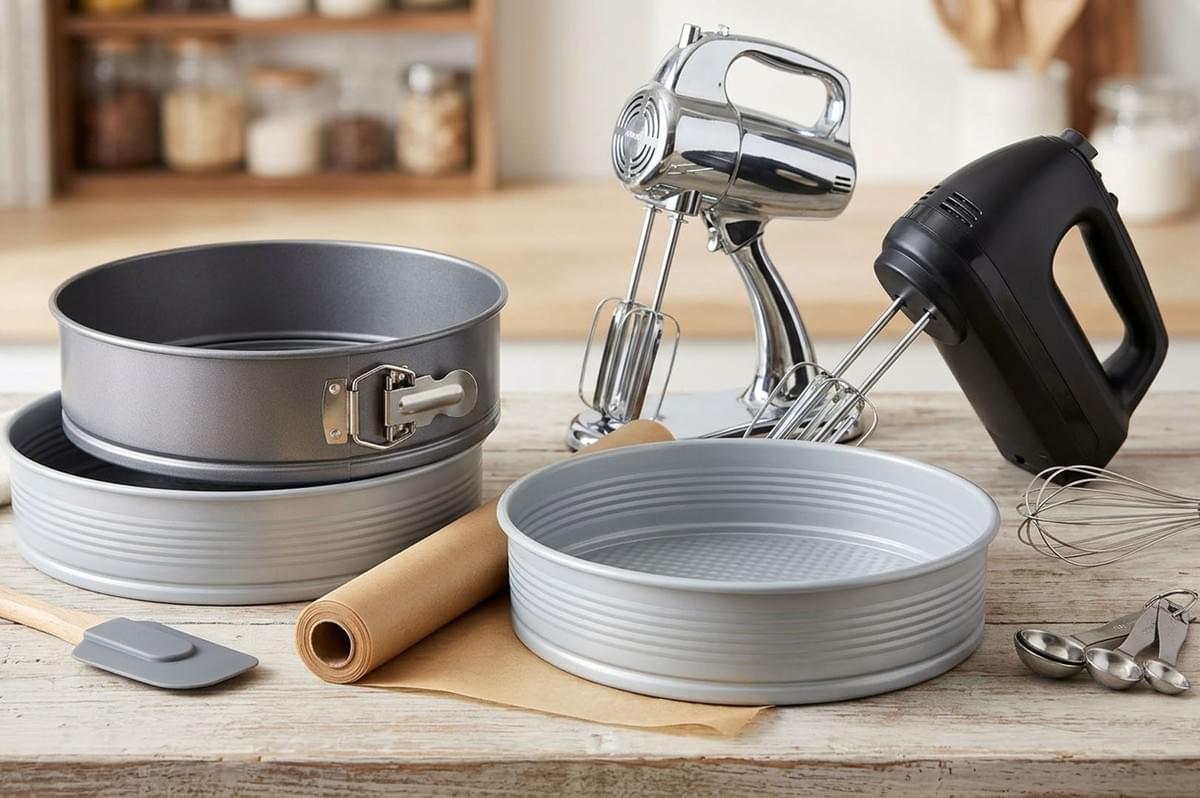
- Primary Pan: A 9-inch or 10-inch springform pan is ideal. (A 9-inch pan will give you a taller cake with a gooey center).
- Alternative Pan: A deep 9-inch cake pan with a removable bottom also works well.
- Parchment Paper: You will need two large sheets to overlap and line the pan.
- Mixer Options: A stand mixer with a paddle attachment is best, but a hand mixer works perfectly too. Just keep it on a medium-low speed.
Step-by-Step Method
1. Prep the pan and oven
Preheat your oven to 400°F (200°C). Take two large sheets of parchment paper and crumple them up into tight balls. Flatten them back out and arrange them overlapping in your springform pan, pressing them firmly into the corners. The crumpled paper fits the pan better and creates the signature rustic, wrinkled edges of a classic caramelized cheesecake. Place the prepared pan on a baking sheet to catch any potential butter drips.
2. Cream the cheese and sugar
In your mixer bowl, beat the room-temperature cream cheese and sugar on medium-low speed. Beat them until the mixture is completely smooth and the sugar grains have dissolved (about 2 to 3 minutes). Scrape down the sides of the bowl. Do not skip the scraping, or you will have hidden lumps.
3. Add the eggs slowly
With the mixer running on low, add the eggs and the extra yolk one at a time. Wait until each egg is fully incorporated before adding the next. Stop and scrape the bowl again.
4. Incorporate the cream and flavorings
Pour in the heavy cream, vanilla extract, and salt. Mix on low just until combined.
5. Sift in the flour
Turn off the mixer. Sift the flour directly over the batter. Fold it in gently with a silicone spatula until no dry streaks remain. Avoid overmixing here, as introducing too much air will cause the cake to rise aggressively and then fall flat later.
6. Pour and bake
Pour the smooth batter into your parchment-lined pan. Bake for 60 to 65 minutes. Watch the top closely during the last 10 minutes. You want a very dark, deeply caramelized surface.
How to Know When It Is Done
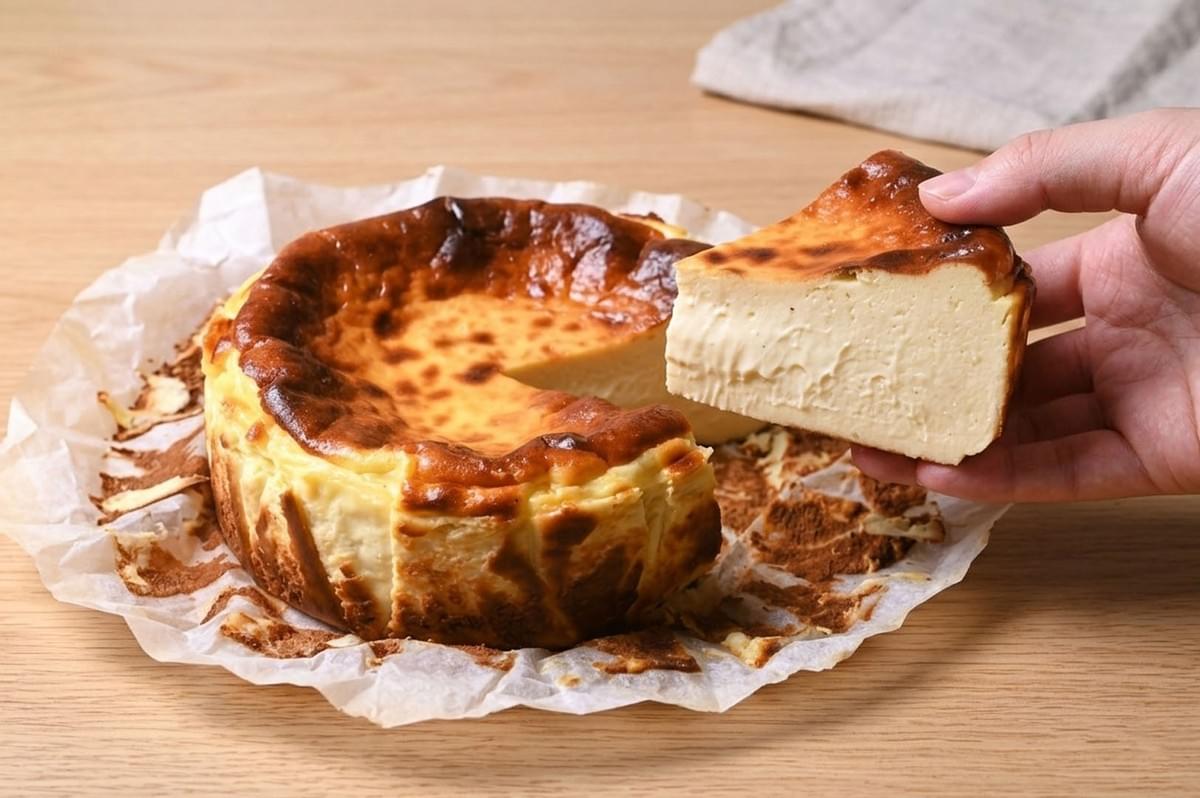
The key to a perfect Basque cheesecake is pulling it out of the oven while the center is still jiggly.
When you gently shake the pan, the outer two inches of the cake should look set and slightly puffed. The very center, however, should jiggle dramatically like a bowl of set gelatin. It will look underbaked to the untrained eye. Trust the jiggle. As the cake cools, the residual heat will finish setting the custard.
If you are a fan of using a digital thermometer, look for an internal temperature of 150°F (65°C) right in the center.
Cooling, Chilling, and Serving
Do not attempt to slice this cake while it is hot. It will spill out into a milky puddle. Let the cheesecake cool in the pan on a wire rack until it reaches room temperature (about 2 to 3 hours). As it cools, it will deflate significantly. This is exactly what is supposed to happen.
For the absolute best texture, transfer the room-temperature cake to the fridge and let it chill uncovered for at least 4 hours, or preferably overnight. Chilling sets the custard and deepens the caramelized flavor.
Bring it out of the fridge about 30 minutes before serving so the center softens slightly. Carefully unlatch the springform pan and peel away the parchment paper. Serve the slices plain, or dress them up with fresh berries, a drizzle of hot honey, a pinch of flaky sea salt, or a shot of hot espresso on the side.
Storage and Make-Ahead
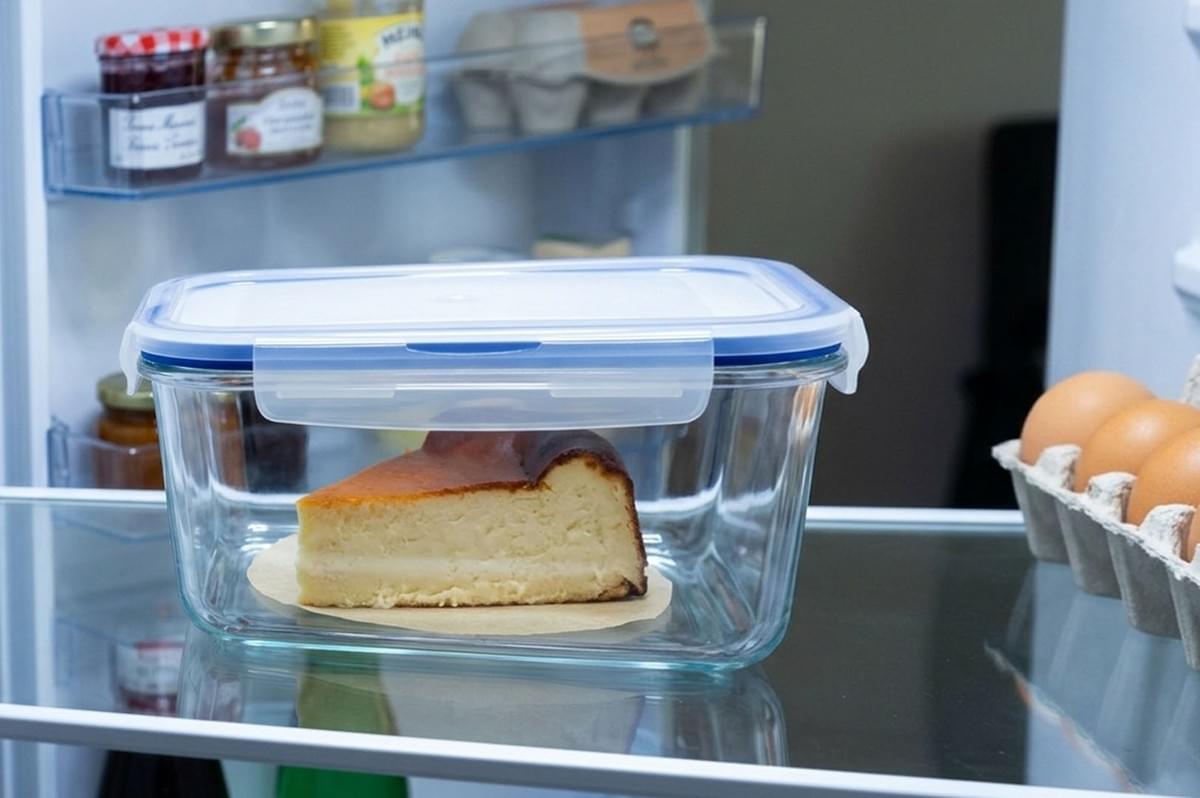
A high-heat cheesecake is a brilliant make-ahead dessert because the texture peaks on the second day.
- Fridge: Store leftovers in an airtight container in the refrigerator for up to 5 days.
- Freezer: You can freeze the entire cake or individual slices. Wrap them tightly in two layers of plastic wrap and one layer of foil. Freeze for up to 2 months. Thaw slices overnight in the fridge before serving.
Recipe Card
Basque Burnt Cheesecake
Prep time: 15 minutes
Cook time: 65 minutes
Cool/Chill time: 6 hours
Total time: 7 hours 20 minutes
Servings: 10 to 12
Ingredients:
- 2 lbs (900g) full-fat cream cheese, room temperature
- 1 1/2 cups (300g) granulated sugar
- 5 large eggs + 1 large egg yolk, room temperature
- 1 1/2 cups (360ml) heavy cream, room temperature
- 1 tablespoon pure vanilla extract
- 1 teaspoon kosher salt
- 3 tablespoons (25g) all-purpose flour or cornstarch
Instructions:
- Preheat oven to 400°F (200°C). Crumple two large sheets of parchment paper, flatten them, and line a 9-inch springform pan, leaving the paper overhanging the edges. Place the pan on a baking sheet.
- Beat the cream cheese and sugar on medium-low speed until totally smooth. Scrape the bowl.
- Add the eggs and yolk one at a time, mixing well after each addition.
- Mix in the heavy cream, vanilla, and salt until combined.
- Sift the flour over the batter and fold it in gently with a spatula.
- Pour the batter into the prepared pan. Bake for 60 to 65 minutes until the top is very dark brown and caramelized.
- Check for doneness: the edges should be set, but the center should still jiggle considerably.
- Cool in the pan at room temperature for 2 hours, then chill in the fridge for at least 4 hours before serving.
Notes:
- Pan lining: Crumpling the parchment makes it much easier to mold into the pan and gives the cake its rustic edges.
- Doneness cues: If the top gets too dark before 50 minutes, lay a loose piece of foil over the top for the remainder of the bake.
- Make-ahead: This cake tastes even better the next day. Bake it the night before your dinner party.
Storage and Make-Ahead
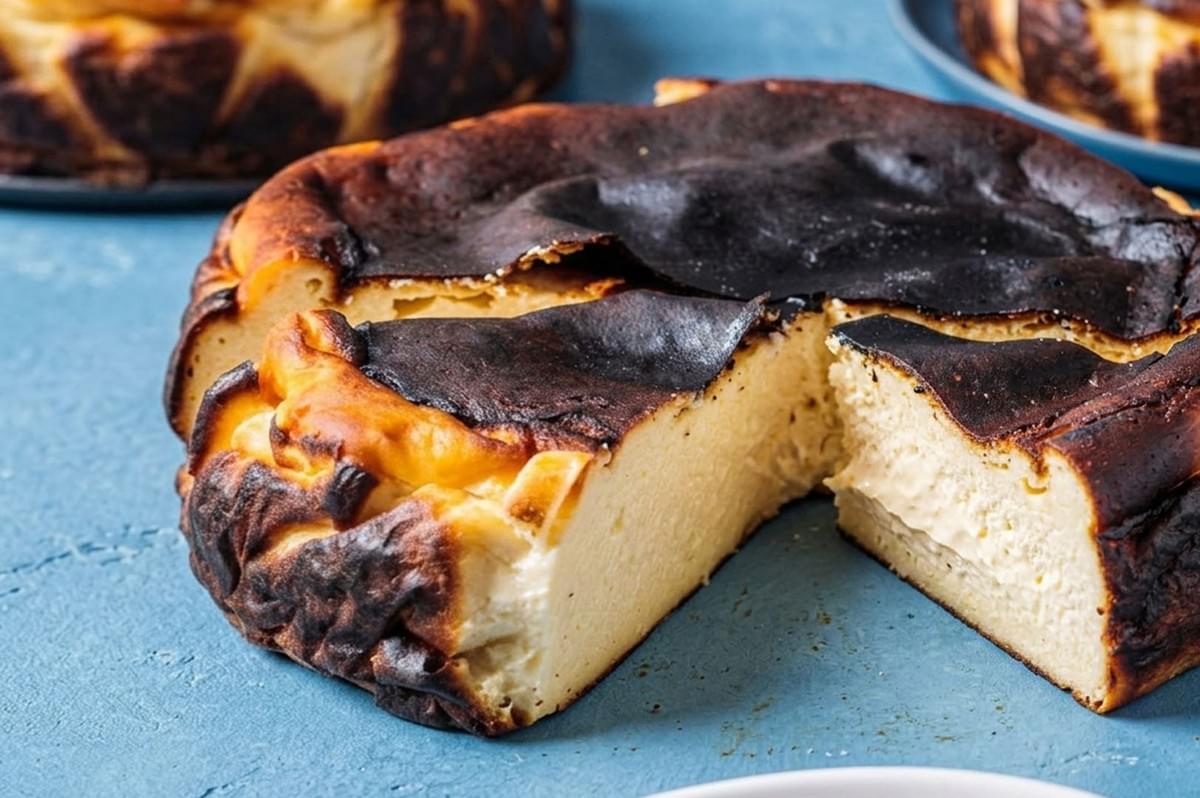
If you have ever felt intimidated by water baths and cracking crusts, the Basque burnt cheesecake is your ultimate kitchen savior. It is messy, deeply flavorful, and unapologetically bold. Gather your ingredients, crank up that oven, and do not be afraid of the dark top. Happy baking, and please share a slice with someone who appreciates a good sweet-and-salty dessert!
Discover more recipes and desserts at ourfoodrhythms.com
