


There is a specific kind of magic that happens in the kitchen on a quiet weekend afternoon. The rain taps against the window, the oven clicks on, and soon, the unmistakable aroma of butter and toasted sugar fills the entire house. For me, that smell usually means one thing. A fresh batch of rugelach is baking.
If you have never tried making a homemade rugelach recipe before, you are in for a treat. As a pastry chef, I have seen plenty of complicated desserts. But there is a rustic, approachable charm to these crescent-shaped cookies that always draws me back. They are the perfect weekend baking project. You can mix the dough in minutes, take your time filling and rolling them, and then share the warm, flaky rewards with anyone lucky enough to be sitting at your table.
What Is Rugelach?
Rugelach is a traditional Eastern European Jewish pastry that walks the line between a cookie and a miniature croissant. The name roughly translates to "little twists" in Yiddish, which perfectly describes their signature crescent shape.
What makes these treats truly special is the dough. American-style rugelach dough is famously made with equal parts butter and cream cheese. This combination creates a tender, rich, and incredibly flaky rugelach that shatters beautifully when you bite into it. Inside those buttery layers, you will find tightly swirled sweet pastry fillings. Every single bite offers a perfect balance of crisp pastry and gooey, sweet centers.
Ingredients You Will Need
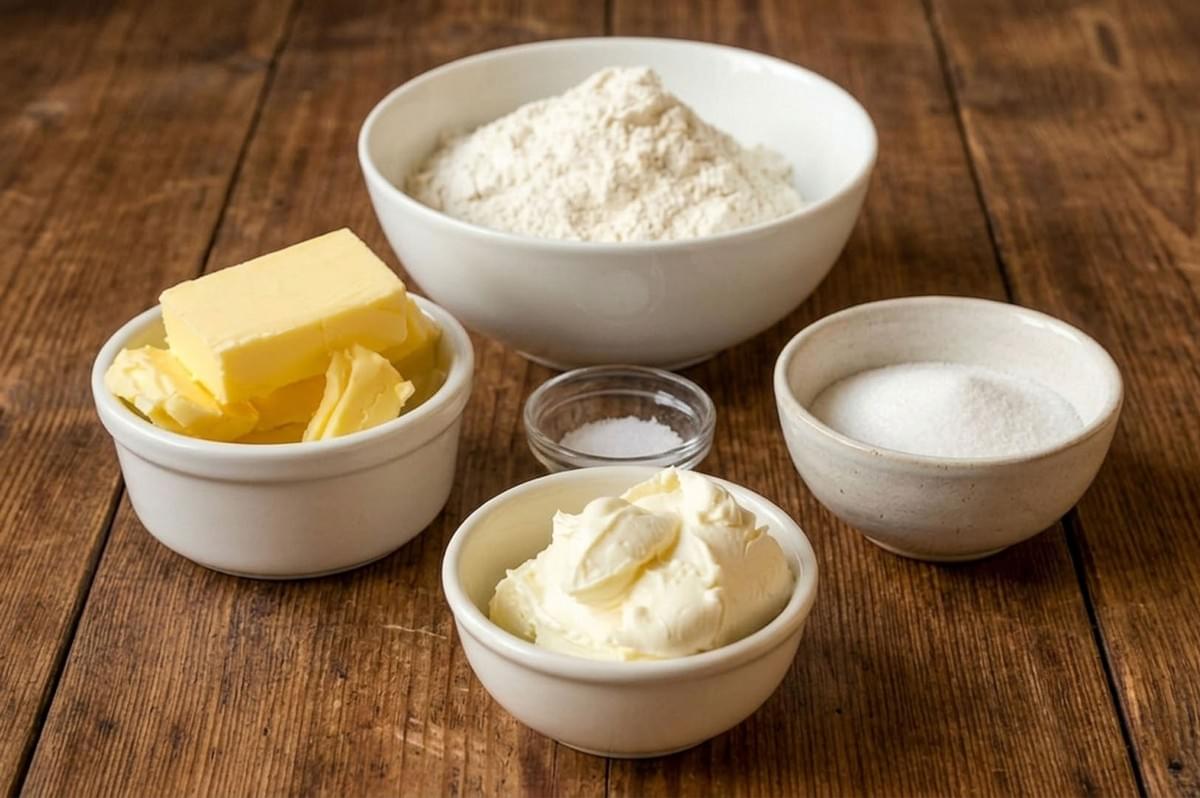
We will break the ingredients down into three easy categories: the dough, the fillings, and the final touches.
The Cream Cheese Dough
- 1 cup (2 sticks) unsalted butter: Keep this very cold. Cold butter creates steam pockets in the oven, which leads to flaky layers.
- 8 ounces full-fat cream cheese: This also needs to be cold straight from the fridge.
- 2 cups all-purpose flour: The structure of your pastry.
- 1/4 cup granulated sugar: Just enough to add a hint of sweetness.
- 1/2 teaspoon fine sea salt: Essential for balancing the richness.
The Sweet Pastry Fillings
You can get creative here, but here are two of my absolute favorites:
Classic Cinnamon-Walnut
- 1/2 cup brown sugar
- 1 tablespoon ground cinnamon
- 1 cup finely chopped walnuts
- 1/4 cup melted butter (for brushing the dough)
Chocolate-Hazelnut
- 1/2 cup chocolate hazelnut spread (like Nutella)
- 1/2 cup finely chopped toasted hazelnuts
- A pinch of flaky sea salt
Optional Finishes
- 1 large egg beaten with a splash of milk: This egg wash gives the pastries a gorgeous golden shine.
- Coarse turbinado sugar: For a bakery-style crunch on top.
- Powdered sugar: For dusting after they cool.
Tools You Will Need
You do not need a fancy stand mixer to make these. A few basic tools will do the trick:
- A rolling pin
- Two large baking sheets
- Parchment paper
- A sharp knife or a pizza cutter (a pizza cutter makes slicing a breeze)
- A large mixing bowl or a food processor
- Plastic wrap for chilling the dough
Step-by-Step Instructions
Making rugelach is a tactile, rewarding process. Let us roll up our sleeves and get started.
1. Make the dough
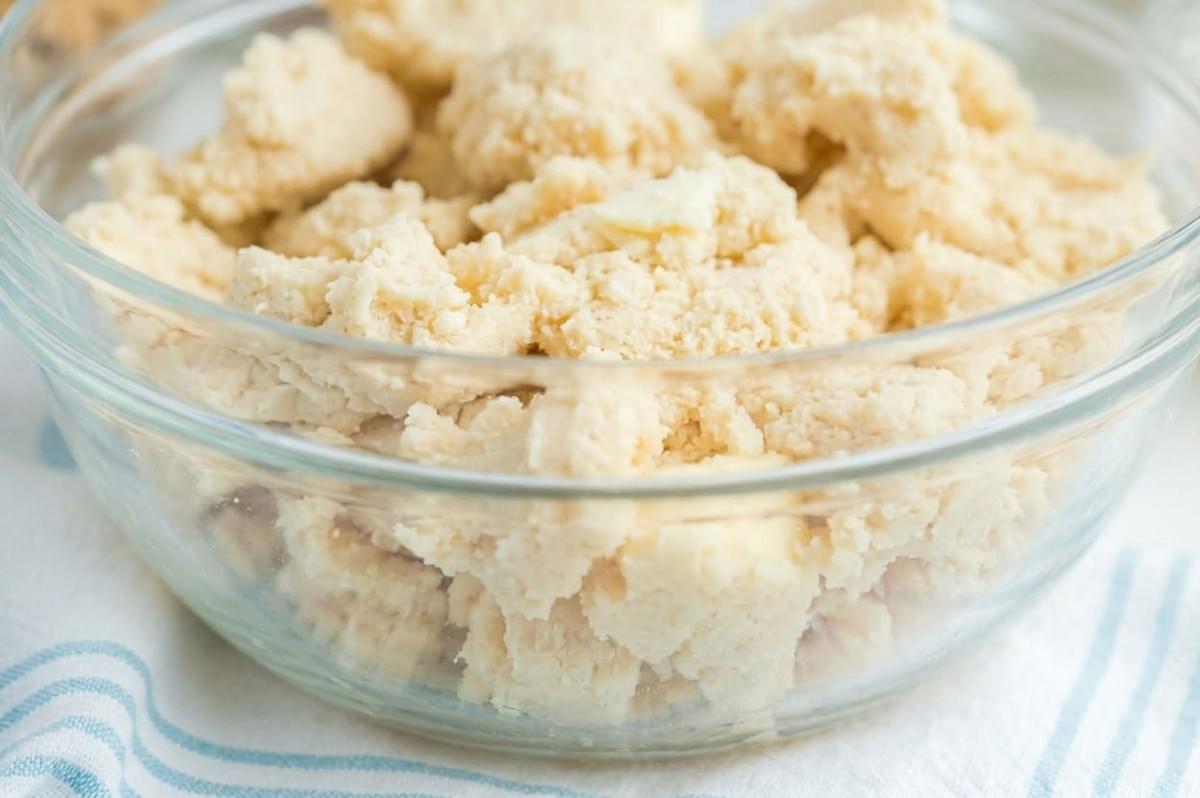
In a food processor, pulse the flour, sugar, and salt together. Cut your cold butter and cold cream cheese into small cubes. Add them to the food processor and pulse until the mixture looks like coarse crumbs. Stop before it forms a solid ball. If you do not have a food processor, you can easily use a pastry blender or your fingers in a large mixing bowl.
2. Form and chill
Turn the crumbly dough out onto a clean work surface. Knead it gently just until it comes together. Divide the dough into four equal pieces. Flatten each piece into a thick disk, wrap them tightly in plastic wrap, and place them in the refrigerator for at least two hours. Chilling is mandatory! It relaxes the gluten and keeps the butter solid.
3. Roll it out
When you are ready to bake, preheat your oven to 375 degrees Fahrenheit. Line your baking sheets with parchment paper. Take one disk of dough from the fridge (leave the others chilling). On a lightly floured surface, roll the disk into a circle about 9 inches in diameter and 1/8-inch thick.
4. Add the filling
If using the cinnamon-walnut filling, brush the circle lightly with melted butter. Sprinkle the cinnamon sugar and chopped nuts evenly over the top. Gently press the filling into the dough with your hands so it sticks. If using a jam or chocolate spread, spread a very thin layer across the dough, leaving a small border at the edges.
5. Slice and shape
Using your pizza cutter or sharp knife, cut the circle into 8 equal wedges, just like you would slice a pizza. Start at the wide outside edge of a wedge and roll it up tightly toward the center point. Place the rolled crescent on your prepared baking sheet with the tiny point tucked underneath.
6. Chill again and bake
Once you have filled and rolled all the dough, place the baking sheets in the fridge for 20 minutes. This final chill stops them from spreading in the oven. Brush the tops with egg wash and sprinkle with coarse sugar. Bake for 20 to 25 minutes, or until the pastries are puffed and golden brown. Let them cool on a wire rack.
Key Technique Tips
- Prevent sticky dough: Keep your work surface and rolling pin lightly dusted with flour. If the dough gets too warm and sticky, pop it back into the fridge for 10 minutes.
- Roll it thin: Aim for an 1/8-inch thickness. If the dough is too thick, your pastries will taste doughy instead of crisp and flaky.
- Clean spirals: A pizza cutter is the secret to cutting perfectly straight, clean wedges without dragging the dough.
- Do not overfill: It is very tempting to pile on the jam or chocolate. Keep the layers thin. Too much filling will bubble out and burn on the baking pan.
Common Mistakes and Quick Fixes
Even pastry chefs have messy days in the kitchen. Here is how to fix common hiccups.
- The dough is cracking when rolling: Your dough is likely too cold. Let it sit at room temperature for 5 minutes to soften slightly before trying again.
- The filling is leaking everywhere: This happens if the filling is too thick or if you did not tuck the final point of the dough underneath the pastry before baking. A little leakage is normal, but tucking the tail saves the day.
- The cookies spread out flat: The butter melted before the pastry could bake. Always remember that 20-minute chill in the fridge right before they go into the oven.
- They are pale and soft: Your oven might run cold. Leave them in for another 3 to 5 minutes. You want a deep golden brown color for the best texture.
Fun Flavor Variations

Once you master the dough, the flavor possibilities are endless. Try these fun twists:
- Jam and Pistachio: Spread a thin layer of tart apricot jam and sprinkle with crushed, salted pistachios.
- Citrus Zing: Add one tablespoon of fresh orange or lemon zest directly to the dry flour mixture when making the dough. It adds a bright, beautiful aroma.
- Almond Joy: Swap the walnuts for toasted slivered almonds and add a handful of mini chocolate chips.
- Dairy-Free Note: You can make a dairy-free version using high-quality vegan butter blocks and vegan cream cheese. Make sure they are very cold, and watch them closely as vegan butter tends to soften much faster.
Make-Ahead and Storage
Rugelach is incredibly forgiving if you want to prep ahead of time.
Storing the dough: You can keep the unbaked disks of dough tightly wrapped in the fridge for up to 3 days. You can also freeze the disks for up to 2 months. Thaw them overnight in the fridge before rolling.
Freezing unbaked pastries: You can assemble and roll the rugelach completely, then freeze them raw on a baking sheet. Once frozen solid, transfer them to a freezer bag. You can bake them straight from frozen, just add 2 or 3 extra minutes to the baking time.
Storing baked pastries: Store baked, cooled rugelach in an airtight container at room temperature for up to 5 days. To refresh them and bring back that flaky crunch, pop them in a 300-degree oven for 5 minutes before serving.
Serving Ideas
These little pastries shine on a brunch table or a holiday dessert platter. I love serving them warm alongside a strong cup of black coffee or a delicate Earl Grey tea.
Because they hold their shape so well and stay fresh for days, they make fantastic edible gifts. Pack a dozen into a decorative tin lined with parchment paper, tie it with a ribbon, and you will instantly become everyone's favorite neighbor.
Get Rolling!

There is nothing quite like pulling a tray of bubbling, golden rugelach out of the oven. The sweet, caramelized edges and the tender, flaky layers make every step of the process worth it. Grab a rolling pin, pick your favorite sweet pastry fillings, and have fun swirling up a batch. Trust me, your kitchen will smell incredible.
