

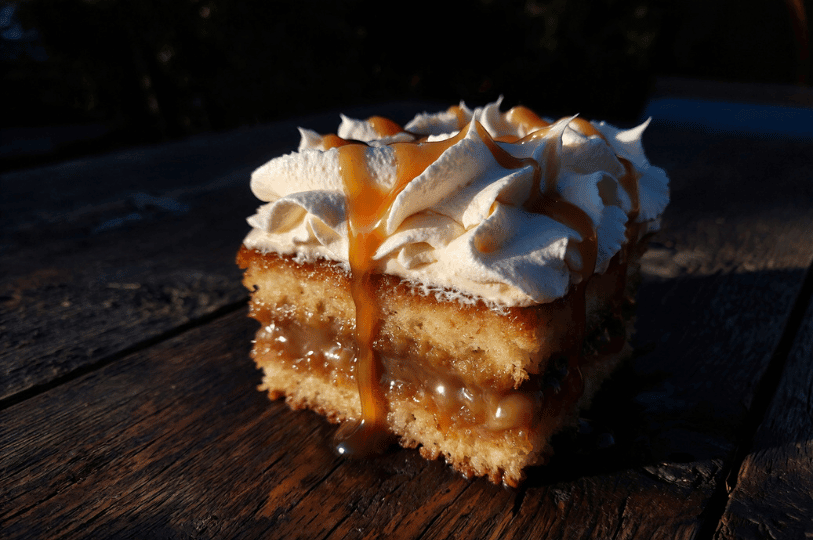
Some desserts are light and airy, while others are rich and dense. Then there is Tres Leches Cake, a dessert that exists in a magical realm of its own. It is a simple sponge cake that defies all logic, soaking up a glorious concoction of three different milks without ever becoming soggy. The result is a cool, sweet, and incredibly moist confection with a texture unlike any other. It is a beloved staple across Latin America, a celebratory centerpiece, and the ultimate comfort food.
This guide is a deep dive into the world of this milk-soaked wonder. We will explore its mysterious origins, break down the science behind its unique texture, and provide the practical tips you need to create this masterpiece at home. Get ready to fall in love with a cake that is more than just a dessert; it is a cultural phenomenon.
The Murky Origins of a Sweet Legend
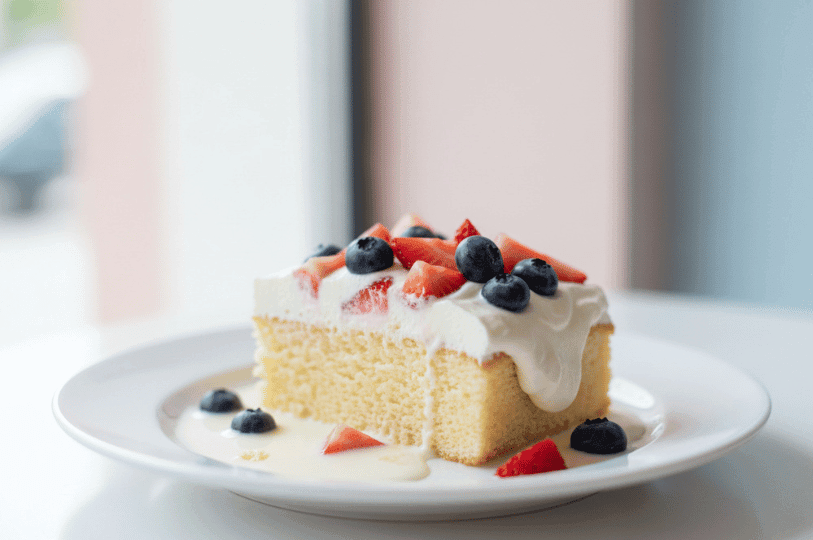
The exact birthplace of Tres Leches Cake is one of Latin America's great culinary mysteries. Several nations, including Mexico, Nicaragua, and Cuba, lay claim to its invention, and the truth is likely a blend of influences. The concept of a soaked cake is not new; European desserts like Italian tiramisu and English trifles have long histories. It is believed that this tradition was brought to the Americas during the colonial period.
The most widely accepted theory points to the 19th and 20th centuries, when canned milk became widely available in Latin America. During this time, condensed and evaporated milk were promoted as modern, convenient, and safe alternatives to fresh milk. Recipes featuring these new pantry staples began appearing on the labels of milk cans as a clever marketing tactic. It is highly probable that the recipe for a "three milks" cake was one of these creations, quickly spreading from kitchen to kitchen throughout the continent.
Regardless of its specific origin, Tres Leches has become deeply ingrained in the cultural fabric of Latin America. It is the cake of choice for baptisms, birthdays, weddings, and holidays. Its presence on the table signifies celebration, family, and shared joy.
How to Make Tres Leches Cake: Step-by-Step Recipe
Tres Leches Cake is celebrated for its creamy texture, balanced sweetness, and impressive ability to absorb three kinds of milk without turning soggy. Below is a comprehensive, step-by-step approach to create the perfect Tres Leches Cake at home, showcasing its classic origins and allowing for regional or personal variations.
Ingredients
For the Cake:
- 1 cup all-purpose flour
- 1 1/2 teaspoons baking powder
- 1/4 teaspoon salt
- 5 large eggs, separated
- 1 cup granulated sugar, divided
- 1/3 cup whole milk
- 1 teaspoon pure vanilla extract
For the Three Milks Mixture ("Tres Leches"):
- 1 can (12 oz) evaporated milk
- 1 can (14 oz) sweetened condensed milk
- 1/2 cup heavy cream (or substitute whole milk for a lighter version)
For the Topping:
- 1 cup heavy cream, very cold
- 3 tablespoons powdered sugar
- 1 teaspoon vanilla extract
- Optional: cinnamon for dusting, fresh fruit (such as strawberries or mango), or a drizzle of dulce de leche
Step 1: Make the Sponge Cake
- Preheat your oven to 350°F (175°C). Grease a 9x13 inch baking dish and set aside.
- In a medium bowl, whisk together the flour, baking powder, and salt.
- Separate the eggs, placing yolks in one large bowl and whites in another.
- Add 3/4 cup of the sugar to the egg yolks. Beat with an electric mixer until thick and pale yellow. Mix in the vanilla extract and milk.
- Gradually fold the dry ingredients into the yolk mixture until just combined.
- In the bowl with the egg whites, beat on high speed until soft peaks form. Gradually sprinkle in the remaining 1/4 cup sugar, beating until stiff, glossy peaks form.
- Gently fold the meringue into the batter a third at a time, careful not to deflate the mixture. Do not overmix.
- Pour the batter into the prepared baking dish and smooth the top.
- Bake for 25–30 minutes or until a toothpick inserted into the center comes out clean. Remove from the oven and allow to cool completely in the pan.
Step 2: Prepare and Add the Three Milks
- In a mixing bowl or large measuring cup, whisk together the evaporated milk, sweetened condensed milk, and heavy cream.
- Once the cake is completely cool, use a fork or skewer to poke holes all over the surface, going all the way to the bottom.
- Pour the milk mixture very slowly and evenly over the entire cake, pausing to allow the liquid to absorb, especially at the edges and corners.
- Cover the cake and refrigerate for at least 4–6 hours, but preferably overnight. This resting period allows the cake to soak up the milks and develop its signature texture.
Step 3: Add the Whipped Cream Topping
- Place a mixing bowl and beaters in the refrigerator for at least 10 minutes before making the topping.
- Beat the cold heavy cream with powdered sugar and vanilla extract until stiff peaks form and the cream holds its shape. For extra stability, you can mix in a tablespoon of instant vanilla pudding mix or some dissolved unflavored gelatin.
- Spread the whipped cream evenly over the soaked cake.
- Garnish with a light dusting of cinnamon, or add sliced fresh fruit for extra flavor and visual appeal. A swirl of dulce de leche makes a delicious, decadent finishing touch.
Step 4: Serving and Variations
- Slice and serve the cake cold, spooning up some of the pooled milk at the bottom if desired.
- Mexican Variation: Add a sprinkle of cinnamon or serve with fresh berries.
- Caribbean Variation: Substitute coconut milk for some or all of the heavy cream in the soaking mixture for a tropical twist, known as Cuatro Leches if four milks are used.
- Peruvian Variation: Top with a layer of dulce de leche (manjar blanco) beneath or alongside the whipped cream.
- Boozy Option: Stir a tablespoon of rum or brandy into the milk blend for a festive flavor.
- Classic Nicaraguan: Serve as is, without additional toppings, letting the soaked cake shine.
Tips for Success
- Always use room-temperature eggs for maximum volume in the sponge.
- Be gentle when folding the meringue into the batter to preserve the cake's light texture.
- Allow enough chilling time for the milk to distribute evenly; overnight is best.
- To keep the whipped cream topping from weeping, ensure your bowl and cream are very cold before whipping.
Troubleshooting
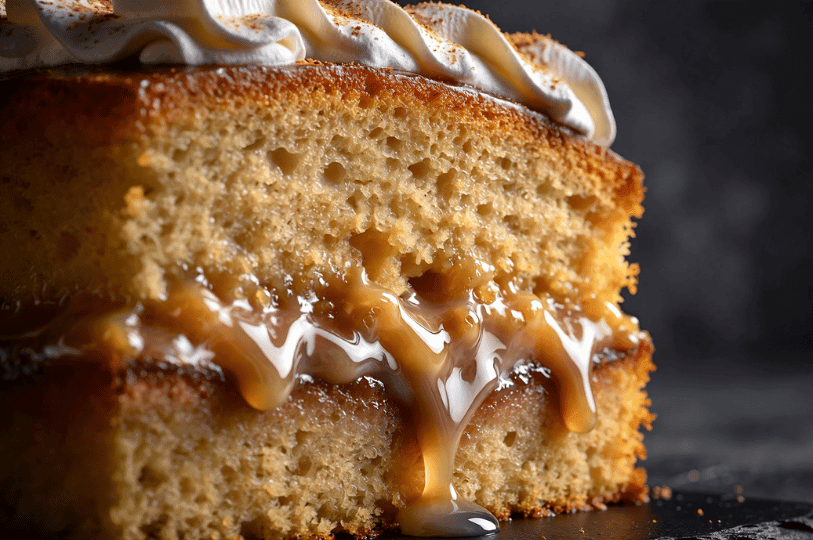
- Cake Too Dense or Soggy: This can result from overmixing the batter or pouring the milk over a hot cake. Be patient, let the cake cool and pour slowly.
- Milk Mixture Not Absorbed: The cake should have an open, airy crumb. If milk pools excessively, simply spoon it over servings.
- Whipped Cream Won't Hold: Use cold cream and whip until stiff peaks. Stabilizers like instant pudding mix or gelatin can help.
By following this recipe, you can create a Tres Leches Cake that honors tradition while welcoming your favorite variations. The result is a luscious, milk-soaked dessert that brings any celebration to life, no matter where you are.
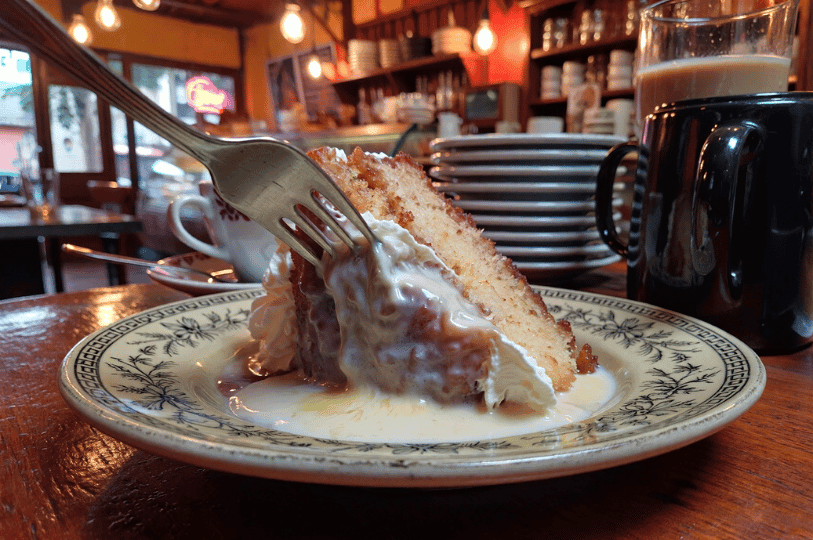
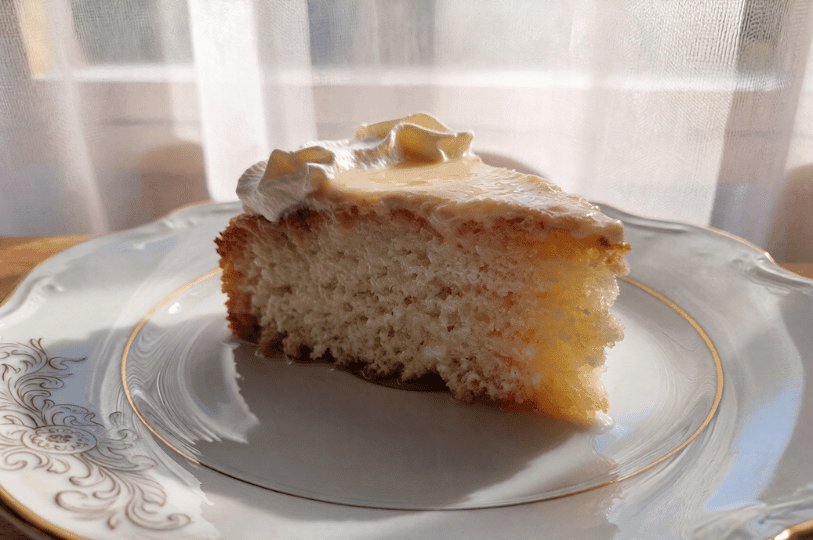
What makes Tres Leches so special is its unique texture. It is not wet or soggy in the way you might expect. Instead, it is heavy with moisture, cool, and creamy. Each bite releases a burst of sweet, milky flavor. The sponge itself has a subtle vanilla flavor, which acts as the perfect backdrop for the rich soaking liquid.
The classic whipped cream topping provides a light, airy contrast to the dense, moist cake below. A garnish of fresh fruit, like sliced strawberries or mango, adds a touch of acidity that cuts through the richness, while a sprinkle of cinnamon offers a warm, aromatic finish. It is a dessert of contrasts that come together in perfect harmony.
An Invitation to Indulge
Tres Leches Cake is more than a recipe; it is a feeling. It is the taste of celebration, the comfort of home, and a sweet, milky hug in dessert form. The process of making it is a joy in itself, from whipping the airy sponge to watching it drink up the decadent milk bath. We hope this guide has demystified this Latin American classic and inspired you to bring its unique magic into your own kitchen. Whether for a special occasion or a simple weeknight treat, this milk-soaked wonder is sure to become a new favorite.
