

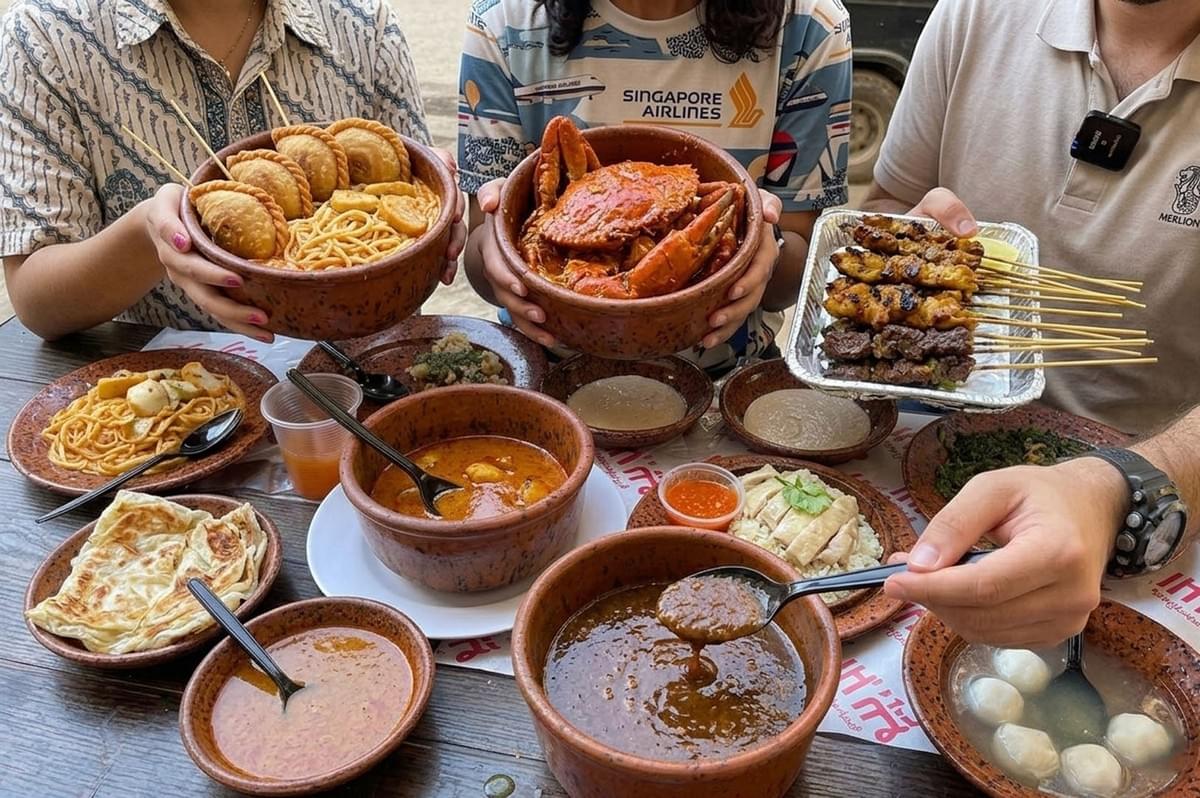
There is a particular kind of hunger that only arrives when we travel.
It is not the sharp, practical hunger of a late lunch, or the cozy evening hunger that sends us looking for something buttery, soupy, or warm from the oven. It is softer than that. More curious. It begins somewhere between the airport arrival hall and the first walk through an unfamiliar street, when the air smells different, the light falls differently, and even a simple fruit stall seems to be offering a lesson.
I used to think learning a food culture meant knowing what to order. The right noodle dish, the famous bakery, the market snack everyone had circled on their map. There is comfort in that, of course. A little list can feel like a handrail when a city is new. But the more I travel, the more I realize that food culture rarely introduces itself through the most famous plate. It arrives in smaller ways.
It is in how people queue. How bread is wrapped. How soup is carried home in a thin plastic bag, still steaming against someone’s wrist. It is in the quiet confidence of a vendor who has made the same dish for decades, and in the way a morning market softens just before noon, when the best herbs are gone and the last mangoes look almost too ripe to survive the walk back.
Travel makes us pay attention again.
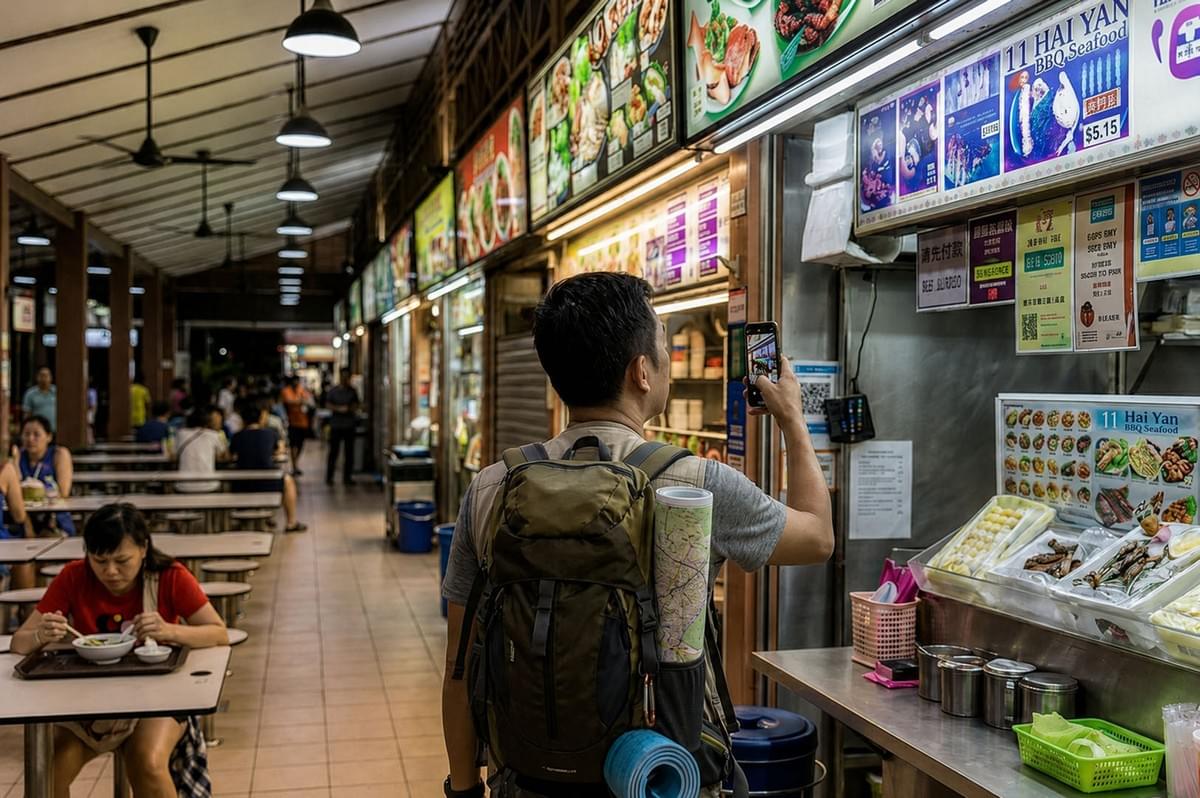
At home, meals can become part of the furniture of our days. We know which pan to reach for, which stall stays open late, which café has the table near the window. But in another place, even breakfast has a little electricity to it. A bowl of rice porridge becomes a clue. A cup of coffee becomes a ritual. A piece of fruit, sliced and salted at the edge of a street, suddenly feels like permission to slow down.
That is why I have always loved the space between eating and understanding. It reminds me of the feeling explored in Somewhere Between Home Cooking and Eating Out, where food does not sit neatly in one category or another. Travel does the same thing. It blurs the line between observer and participant, between trying something new and recognizing something familiar in it.
A shared table in another country can make you notice your own habits more tenderly. How you season things. How you decide what is enough. How your idea of comfort may be built from ingredients you once thought were ordinary. The more we eat elsewhere, the more we return home with our senses rearranged.
This is the heart of Bites and Travel. Not just moving through places for the sake of tasting everything, but allowing each bite to open a door. Food travel, at its best, is not about collecting dishes. It is about noticing the hands, weather, markets, histories, and everyday rhythms that gather around them. Organizations like UNESCO have long recognized traditional culinary practices as part of living heritage, while the World Food Travel Association frames food tourism around local culinary experiences rather than only restaurants. Even browsing National Geographic’s food and travel stories reminds me how often a journey begins with appetite, then becomes something more layered.
Maybe this is what travelling for food quietly teaches us: that culture is not always grand or distant. Sometimes it is jammy fruit on a chipped plate, broth fragrant with something we cannot yet name, or a breakfast we did not expect to love.
And sometimes, if we are lucky, we come home carrying more than souvenirs. We carry a new way of tasting.
