

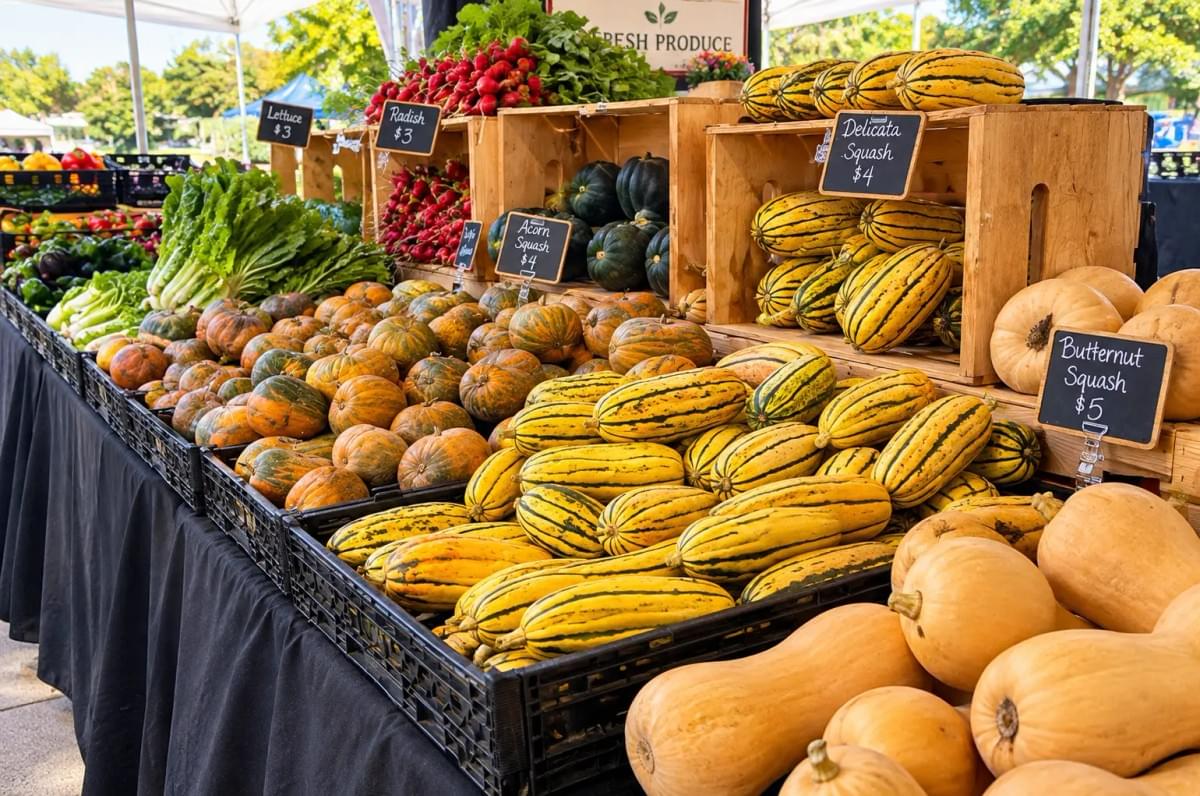
The first cold morning always catches me off guard.
I reach for a sweater I forgot I owned, and the market shifts overnight. Suddenly there are knobby, dusty, oddly shaped things piled in crates. Most people walk right past them, heading for the pumpkins and the apples they already know.
I used to do the same. Then one fall an auntie at my local stall pressed a delicata squash into my hands and told me not to bother peeling it. That small piece of advice changed how I cook this whole season.
So here are five fall ingredients we overlook. Not the famous ones. The quiet ones. The kind that don't shout from a magazine cover but sit patiently in the corner of the crate, waiting for someone to notice.
Let me introduce you.
1. Delicata Squash
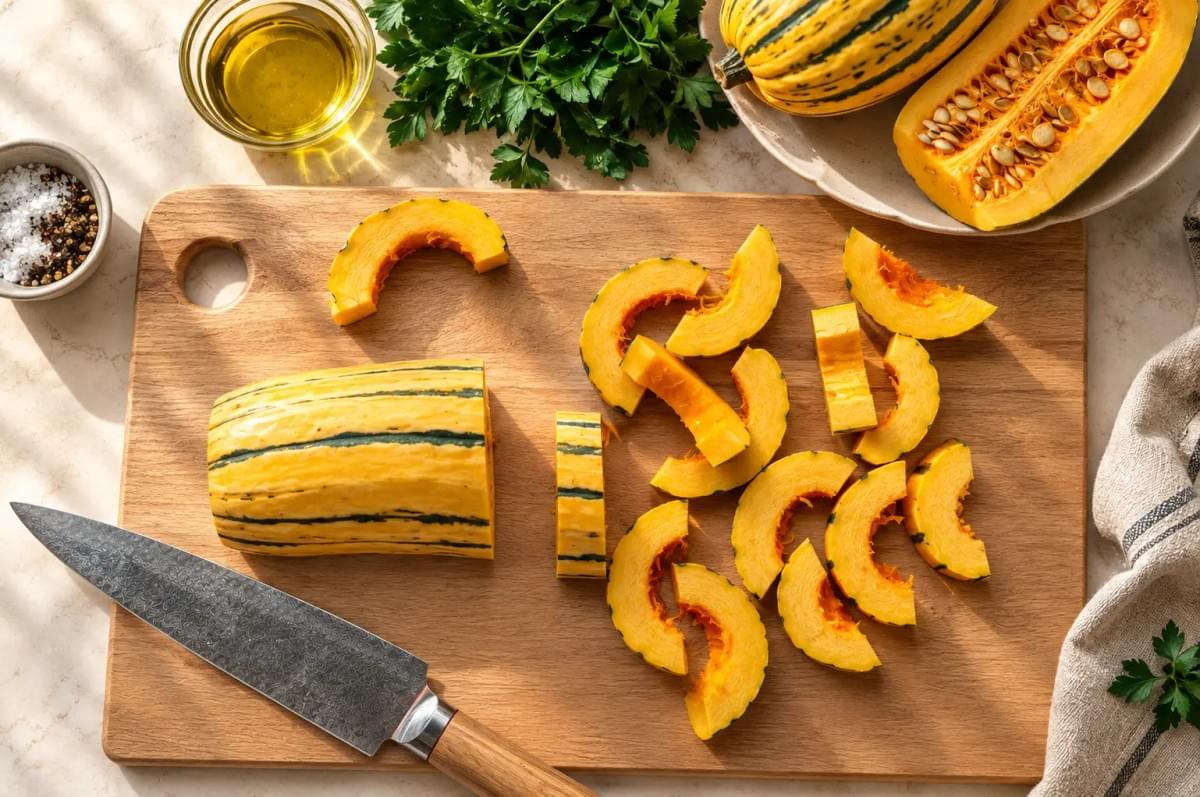
Most winter squash makes you work for it. You wrestle with the peel, fight the knife, and question your life choices. Delicata skips all of that.
Why it shines in fall: The skin is thin enough to eat, so there is no peeling. Roasted, it turns sweet and tender, with a flavor somewhere between sweet potato and chestnut. It hits its stride in early to mid fall.
How to shop for it: Look for firm squash with pale yellow skin and clear green stripes. Skip any with soft spots or dull, wrinkled skin.
How to store it: Keep it in a cool, dry spot (not the fridge) for up to a couple of weeks. It is patient.
Best pairings: Sage, brown butter, maple, chili flakes, parmesan, and a squeeze of lemon to wake it up.
Quick prep tip: Slice it lengthwise, scoop the seeds with a spoon, then cut into half-moons. Roast at 425°F until the edges caramelize.
One quick idea: Toss roasted half-moons with a little honey and flaky salt, and eat them straight off the pan before they cool.
2. Parsnips
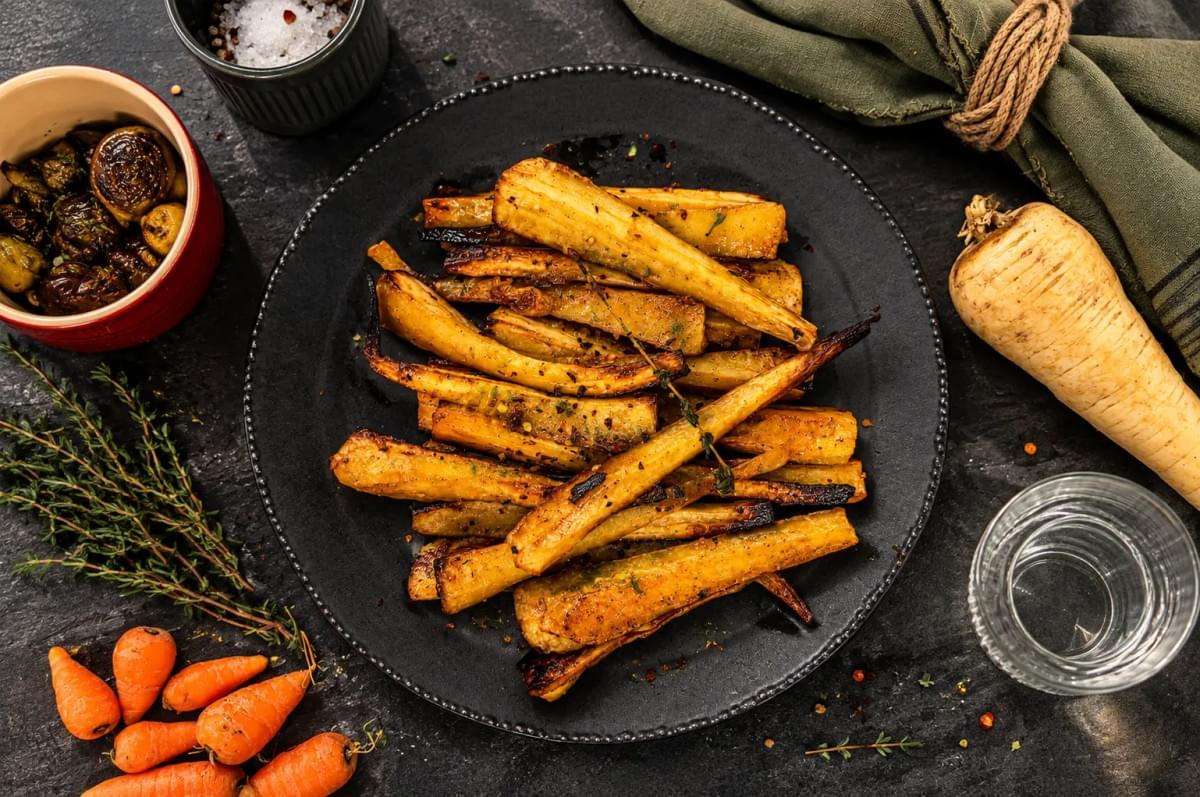
Parsnips look like carrots that gave up on color. That is exactly why people leave them behind. Their loss.
Why it shines in fall: After the first frost, parsnips turn sweeter as their starch converts to sugar. They roast into something nutty and almost caramel-like, earthy in the best way.
How to shop for it: Choose firm, cream-colored roots. Smaller ones are sweeter and less woody. Very large parsnips can have a tough core.
How to store it: Wrap them loosely and keep them in the crisper drawer for up to two weeks.
Best pairings: Thyme, honey, cumin, apple, cream, and roasted chicken.
Quick prep tip: Peel like a carrot. If a parsnip is large, cut out the fibrous center core before cooking.
One quick idea: Mash them together with potatoes for a side that feels familiar but tastes quietly new.
3. Radicchio
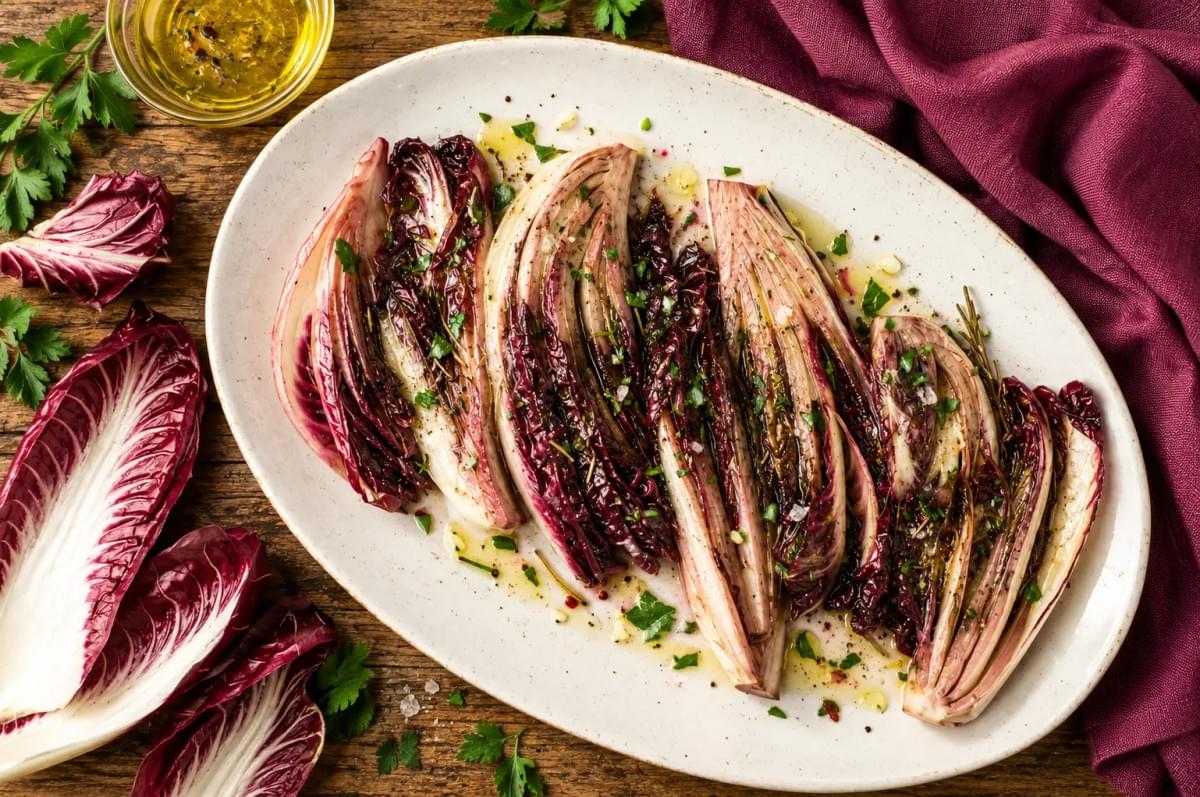
This is the ingredient most people fear. That deep purple bitterness scares them off. But bitter, handled right, is a gift.
Why it shines in fall: Radicchio is at its best in the cooler months, when its bite mellows and its crunch holds firm. Grilled or roasted, the bitterness softens into something warm and almost sweet.
How to shop for it: Look for tight, heavy heads with crisp leaves and no browning at the edges.
How to store it: Keep it wrapped in the fridge for up to a week. It holds better than most leafy things.
Best pairings: Balsamic, honey, orange, blue cheese, walnuts, and anything rich enough to balance the bitter edge.
Quick prep tip: Slice it into wedges through the core so the leaves stay attached, then char it in a hot pan.
One quick idea: Grill wedges, drizzle with honey and good olive oil, and let the heat do the work of taming the bitterness.
4. Persimmons
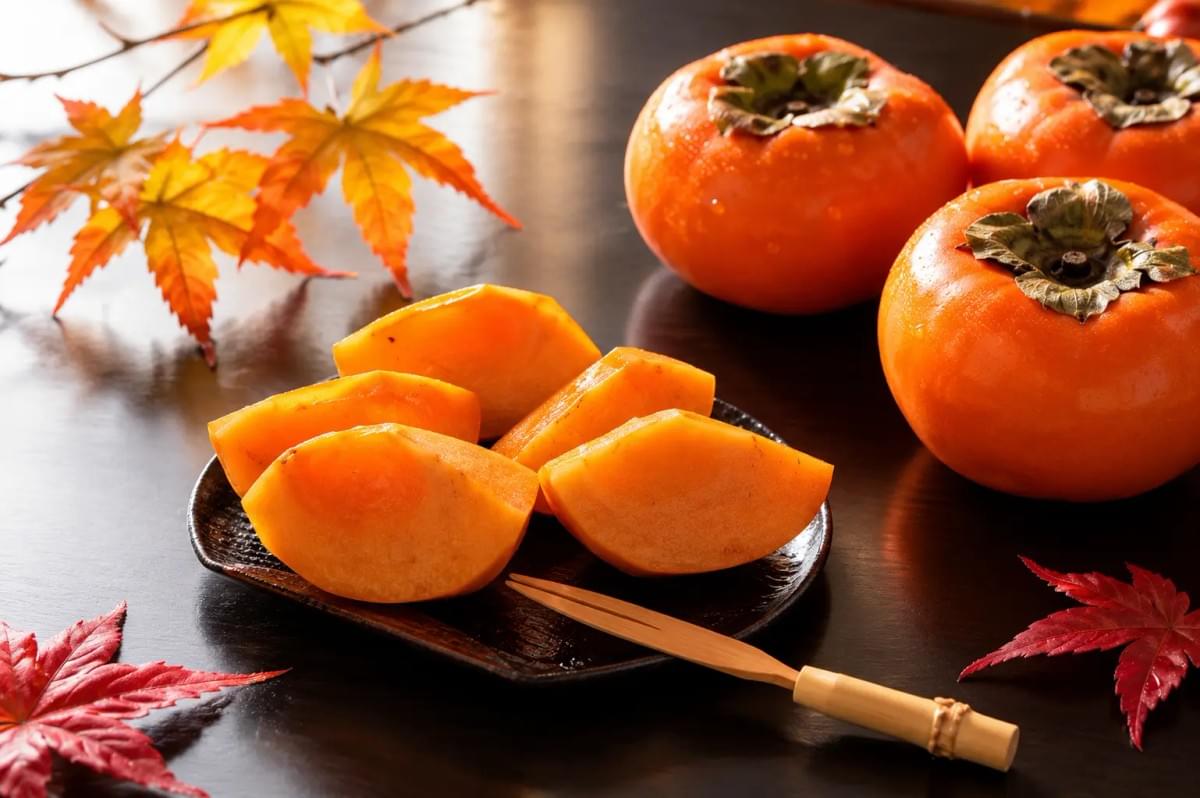
The first time I ate an unripe persimmon, I made a face I will never forget. It taught me a lesson about patience, and about knowing your fruit.
Why it shines in fall: Persimmons arrive when most fruit is fading. The Fuyu variety is sweet and crisp, ready to eat firm. The Hachiya must be soft, almost jelly-like, or it will pucker your whole mouth.
How to shop for it: For Fuyu, choose firm, glossy, deep orange fruit. For Hachiya, look for ones that feel soft and heavy, or let them ripen at home.
How to store it: Firm Fuyu keep on the counter for a week. Ripen Hachiya at room temperature, then refrigerate once soft.
Best pairings: Cinnamon, vanilla, citrus, sharp cheeses, and toasted nuts.
Quick prep tip: Slice Fuyu thin like an apple. Scoop soft Hachiya flesh straight from the skin with a spoon.
One quick idea: Fan sliced Fuyu over a plate with a little goat cheese and a drizzle of honey. Simple, and it looks like you tried.
5. Sunchokes
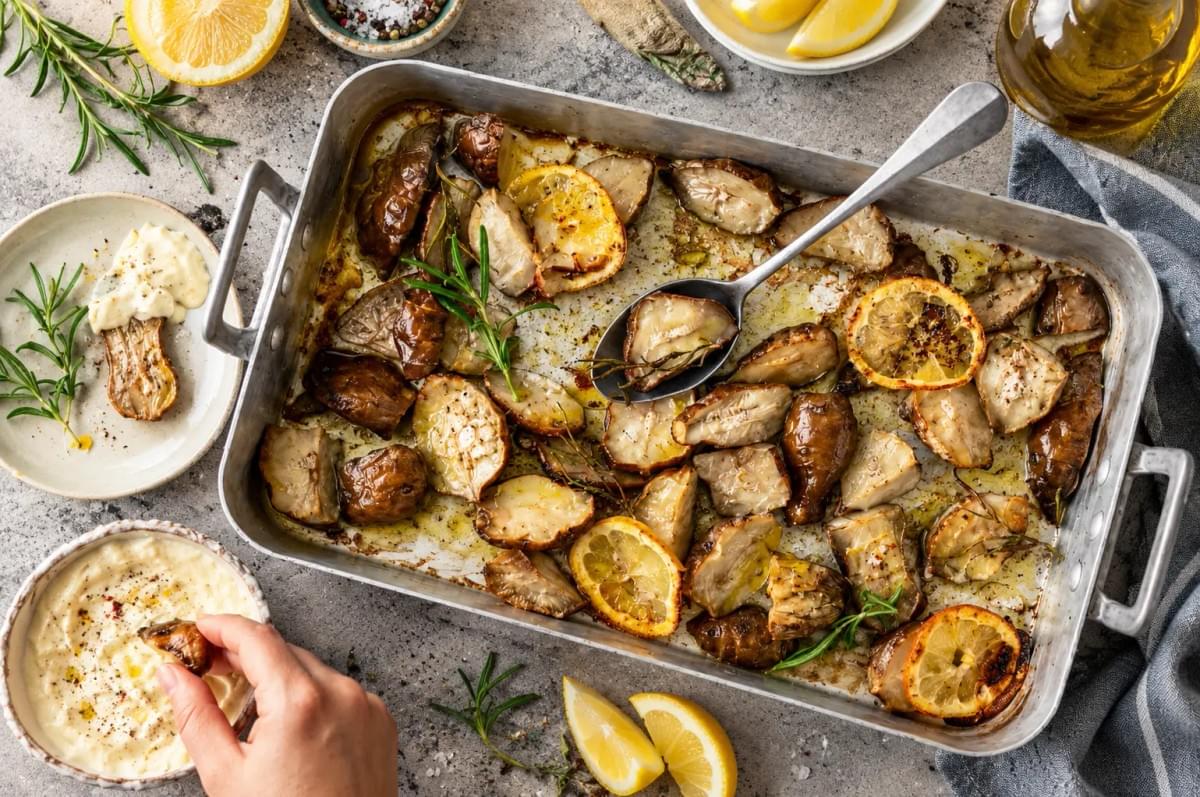
Also called Jerusalem artichokes, though they are neither from Jerusalem nor artichokes. They are knobby, unglamorous, and completely worth it.
Why it shines in fall: Sunchokes are at their peak in the cooler months. Roasted, they turn crisp outside and creamy inside, with a nutty, slightly sweet flavor.
How to shop for it: Look for firm tubers with taut skin and few gnarly knobs, which makes cleaning easier.
How to store it: Keep them in the fridge in a paper bag for up to a week. They dry out faster than potatoes.
Best pairings: Garlic, rosemary, lemon, brown butter, and parmesan.
Quick prep tip: No need to peel. Scrub them well, then halve or quarter for roasting. A splash of lemon in the water keeps them from browning if you prep ahead.
One quick idea: Roast them whole with olive oil and salt until the skins blister, then eat them like popcorn.
The Recipe: Roasted Delicata, Parsnip, and Sunchoke Bowl with Charred Radicchio
This is the dish I make when the light gets low in the afternoon and I want the oven doing most of the work.
It brings three of these quiet ingredients together on one sheet pan, then adds charred radicchio for that bittersweet edge. Everything roasts until the corners go dark and sweet. It asks very little of you.
- Prep time: 20 minutes
- Cook time: 35 minutes
- Total time: 55 minutes
- Servings: 4 as a side, 2 as a main
Ingredients
- 1 delicata squash, seeded and cut into half-moons
- 2 medium parsnips, peeled and cut into batons
- 3/4 lb (340 g) sunchokes, scrubbed and halved
- 1 small head radicchio, cut into wedges
- 3 tablespoons olive oil, divided
- 1 tablespoon honey
- 1 teaspoon fresh thyme leaves
- Salt and black pepper, to taste
- 1/4 cup (30 g) toasted walnuts, roughly chopped
- A handful of crumbled blue cheese or goat cheese (optional)
- Lemon, for finishing
Instructions
- Heat your oven to 425°F (220°C). Line a large sheet pan with parchment.
- On the pan, toss the delicata, parsnips, and sunchokes with 2 tablespoons of the olive oil, the thyme, a good pinch of salt, and pepper. Spread them out so they roast rather than steam.
- Roast for 25 minutes, turning once halfway, until everything is tender and the edges are deeply golden.
- While that roasts, toss the radicchio wedges with the remaining tablespoon of oil and a small pinch of salt.
- Add the radicchio to the pan for the last 8 to 10 minutes, until the edges char and the leaves soften.
- Drizzle the honey over everything and give it a gentle toss.
- Pile it all onto a platter. Scatter over the walnuts and cheese, then finish with a squeeze of lemon.
Swaps and Substitutions
- No sunchokes? Use small potatoes or carrots.
- No delicata? Kabocha or butternut works, though you will need to peel them.
- Skip the cheese for a dairy-free version, and lean harder on the lemon.
Make-Ahead Tips
Roast the vegetables a day ahead and keep them in the fridge. Rewarm them in a hot oven for 10 minutes to bring back the crisp edges. Add the radicchio, honey, walnuts, and cheese fresh, just before serving.
Serving Suggestions
Serve it warm, alongside roasted chicken or a piece of fish. For a full meal, spoon it over farro or a soft polenta, with an extra drizzle of oil.
Why This Works
The sweetness of the squash and parsnips leans against the bitter char of the radicchio. That contrast is the whole point. Roasting concentrates the sugars, the honey ties it together, and the lemon at the end keeps everything from feeling heavy. One pan, a handful of quiet ingredients, and dinner that tastes like more than the sum of its parts.
Before You Go
You do not need to master all five this week. Just pick one.
Grab the squash you always walk past, or the knobby sunchokes you never quite understood. Bring them home. Roast them simply. See what they have to say.
That is how my own fall cooking grew, one overlooked ingredient at a time, usually because someone kinder and wiser than me pressed it into my hands and told me to try.
Now I am doing the same for you.
So tell me: which of these are you most curious about? And what would you like me to cook next as the season deepens? Leave a note. I read every one, and I am always happy to talk food with someone who cares.
