

It usually starts before you notice it.
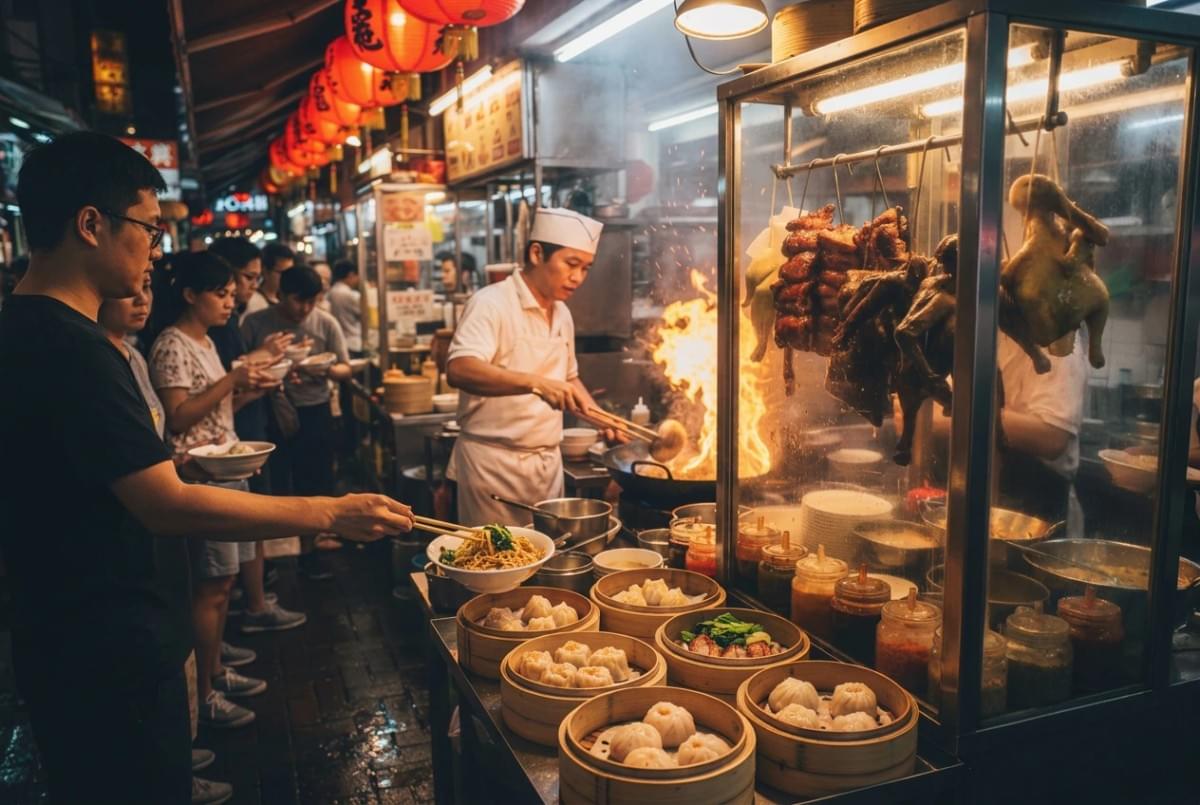
The smell reaches you first, somewhere between a train station and a corner you were only passing through. Charcoal, maybe. Onions softening. A pot that has been simmering since morning. You slow down without meaning to. You join a short line of people who are not tourists, who are simply hungry on their way to somewhere else.
That small moment, repeated across millions of streets each day, is the reason street food matters. It is easy to describe it as cheap food eaten standing up. But that description misses almost everything. Street food is an urban institution, woven into the daily rhythms of a city, its economy, and its sense of who it is.
To understand a city, it often helps to understand what it eats on the move.
More Than Cheap Food: A Working Thesis
Street food is not a lesser version of restaurant food. It is a parallel system, one that feeds a city where and when people actually need feeding.
It exists at the intersection of several needs at once. People need to eat quickly and affordably. Vendors need work they can start with limited capital. Neighborhoods need informal places to gather. Cultures need somewhere to keep their food traditions alive and in public view. Street food answers all of these at the same time, which is why it has proven so durable across such different cities.
When a food cart appears on a corner, it is doing more than selling lunch. It is holding a piece of public life together.
Accessibility and Affordability
The most immediate role of street food is a practical one. It puts a hot, filling meal within reach of almost everyone.
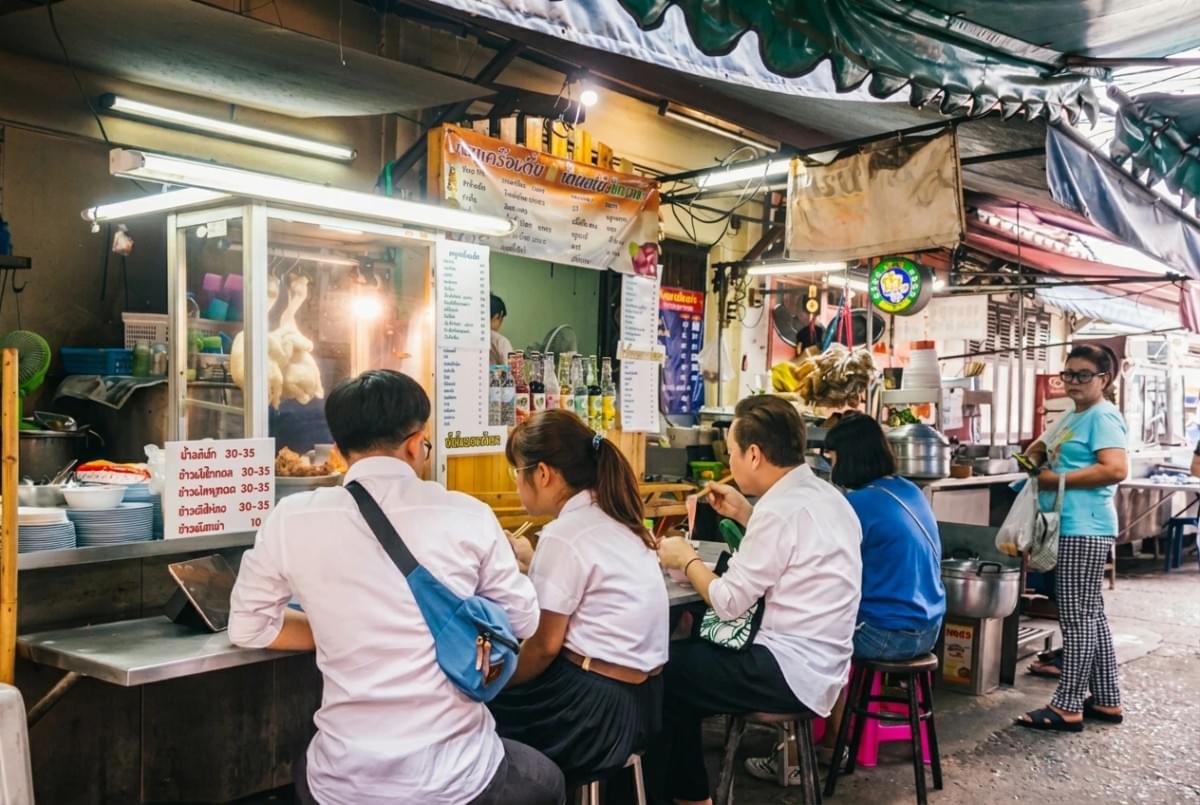
In many cities, a plate of food from a cart or stall costs a fraction of a sit-down meal. That difference is not trivial. For workers on tight budgets, for students, for families stretching a wage, street food is not a novelty. It is how the day gets fed.
This affordability is possible because vendors keep their costs low. There is no dining room to rent, no large staff, sometimes no seating at all. In places like Bangkok, a single vendor cooking pad kra pao to order can serve dozens of people from a cart the size of a desk. In Mexico City, tacos al pastor carved from a spinning trompo feed a steady evening crowd at prices that welcome regulars back night after night.
Accessibility also means physical presence. Street food goes to where people already are—at the transit stops, market edges, and busy intersections—rather than asking people to travel to it.
Convenience and the Rhythms of Commuting
Cities move in patterns, and street food moves with them.
Vendors tend to appear where and when people pass through. Breakfast carts cluster near stations at dawn. Lunch stalls fill the gaps around office districts and workshops. Late-night stands come alive after bars close or shifts end. The food follows the commute.
- In Cairo, carts serving koshari
(a mix of rice, lentils, pasta, and fried onions) feed workers a dense, cheap meal in minutes during the midday rush. - In Mumbai, vendors selling vada pav near railway platforms hand over a spiced potato fritter in a bun to commuters who eat while walking to their trains.
This is convenience shaped by real life, not marketing. The food is portable because the eater is in motion. The service is fast because time is short. Street food fits into the seams of a working day in a way that restaurants rarely can.
Social Interaction and Informal Community
Street food also creates space, not the architectural kind, but the social kind.
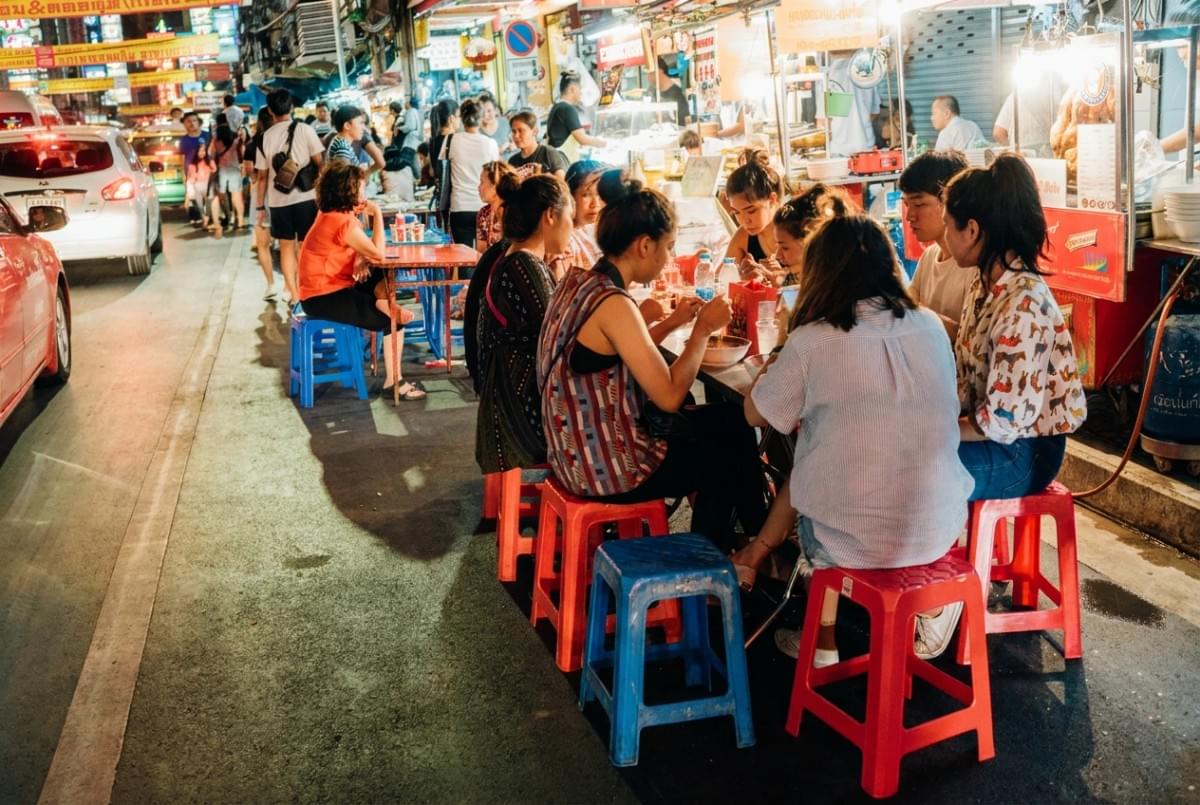
A cluster of plastic stools around a noodle stall becomes a place to sit with strangers. A vendor who remembers your order becomes a familiar face in an otherwise anonymous city. These small exchanges add up. They turn a sidewalk into something closer to a shared room.
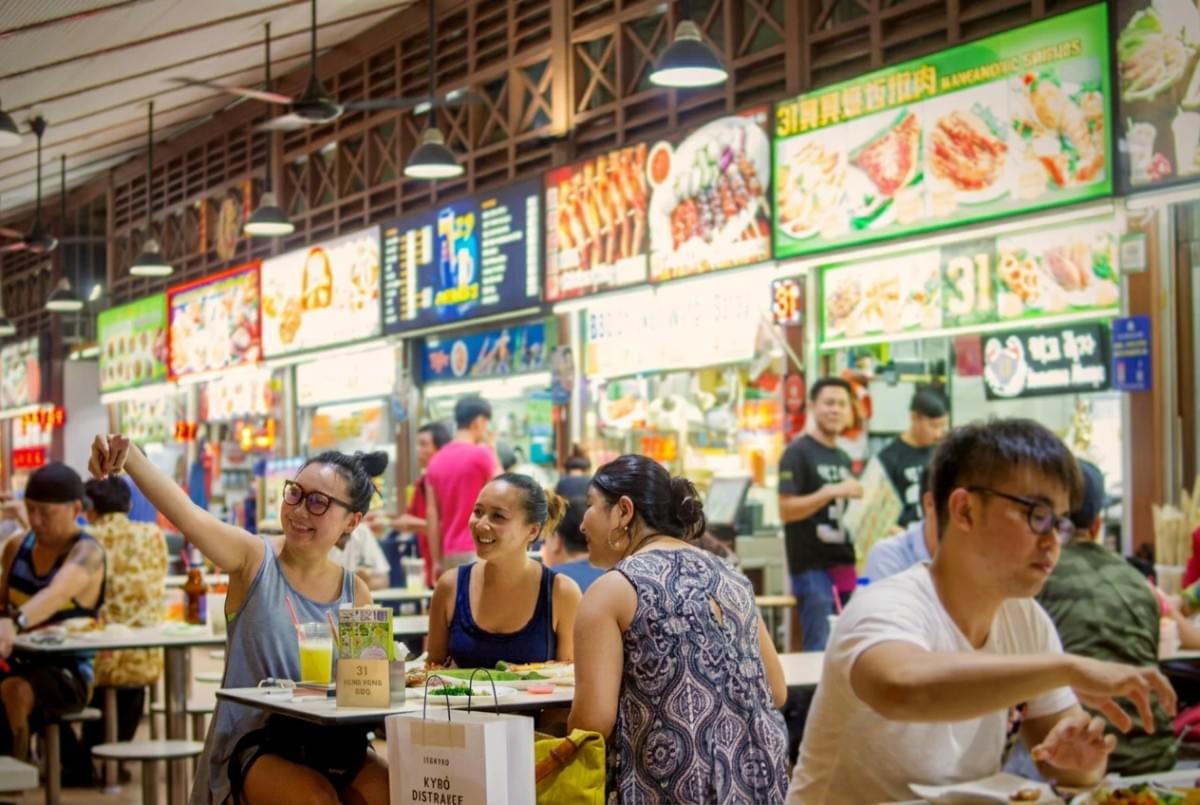
In many places, this informal gathering is part of the appeal. Singapore's hawker centres bring together dozens of stalls under one roof, where office workers, retirees, and families eat side by side at communal tables. The food is the reason people come, but the mixing is what makes the place feel alive.
These spaces tend to be democratic. There is little dress code, little pretense, and little distance between the person cooking and the person eating. That closeness is part of what people mean when they say a stall feels honest.
Culinary Heritage, Migration, and Identity
Street food carries memory. It is one of the ways a culture keeps its recipes in daily circulation rather than in archives.
Many dishes now considered iconic began as vendor food, made by people who needed to earn a living and cooked what they knew. Migration has shaped this deeply. When people move to a city, they often bring their food with them, and the cart or stall becomes the first place that food reaches a wider public.
You can trace histories this way. In cities across the world, the food sold on the street reflects who arrived, when, and what they carried with them. A dish that seems ordinary today may hold a whole story of movement and settlement inside it.
For many communities, cooking and selling familiar food is also a way to stay connected to home while building a life somewhere new. The stall becomes both livelihood and quiet act of preservation.
Entrepreneurship and Micro-Economies
Street food is a starting point for small entrepreneurs, precisely because it asks for so little to begin.
A person with a recipe, a cart, and some determination can open a business without the capital a restaurant demands. Research on the informal economy often points to street vending as an important source of income and self-employment, particularly for women and for new arrivals to a city.
These small businesses ripple outward. A single vendor buys from suppliers, hires occasional help, and supports the market gardeners, butchers, and grocers nearby. Multiply that across a city and you have a web of small livelihoods that rarely makes headlines but keeps a great deal of daily commerce moving.
Some of these vendors stay small for a lifetime. Others grow into something larger. Either way, the low barrier to entry makes street food one of the more open economic ladders a city offers.
Tourism Versus Local Daily Dependence
There is a tension worth naming here, without judgment.
For visitors, street food is often a highlight, a way to taste a place quickly and directly. Guides celebrate it, and travelers seek it out. This attention can be good for vendors, bringing new customers and recognition.
But for many locals, street food is not an experience to be collected. It is simply dinner. It is the meal eaten most days, out of routine and need rather than curiosity. When a stall becomes famous, prices can rise and queues can grow, and the regulars who kept it alive for years may find themselves crowded out.
Both realities are true at once. A stall can be a discovery for one person and a daily anchor for another. The healthiest food cultures tend to hold room for both, though that balance is not always easy to keep.
Policy, Regulation, and the Pressure of Rising Rents
Street food lives in a complicated relationship with the cities that host it.
On one side, regulation exists for real reasons. Public health guidance commonly recommends clean water access, safe food handling, and proper waste disposal, all of which are harder to guarantee on a busy street than in a fixed kitchen. Permits and licensing can help cities manage crowding, sanitation, and safety.
On the other side, enforcement can tip easily into exclusion. Vendors who cannot afford permits, or who work in areas where licenses are scarce, may be pushed to the margins or removed altogether. The line between reasonable oversight and displacement is thin.
Several forces shape how this plays out:
- Infrastructure. Access to water, electricity, waste collection, and seating determines how safely and comfortably vendors can operate. Night markets that provide shared facilities often support cleaner, more stable trade.
- Gentrification. As neighborhoods change and rents rise, the informal spaces that vendors rely on can vanish. Sidewalks get reclaimed, lots get developed, and long-standing stalls lose their footing.
- Formalization efforts. Some cities have tried to bring vendors indoors or into designated zones. Singapore's move to house hawkers in centres is one well-known example, offering shelter and sanitation while raising ongoing questions about rent and the survival of older trades.
Cities that support their vendors well tend to do a few things in common. They offer clear, affordable paths to licensing. They invest in shared infrastructure rather than only issuing fines. And they treat vendors as part of the urban fabric to be sustained—not a problem to be cleared.
The Sense of Place
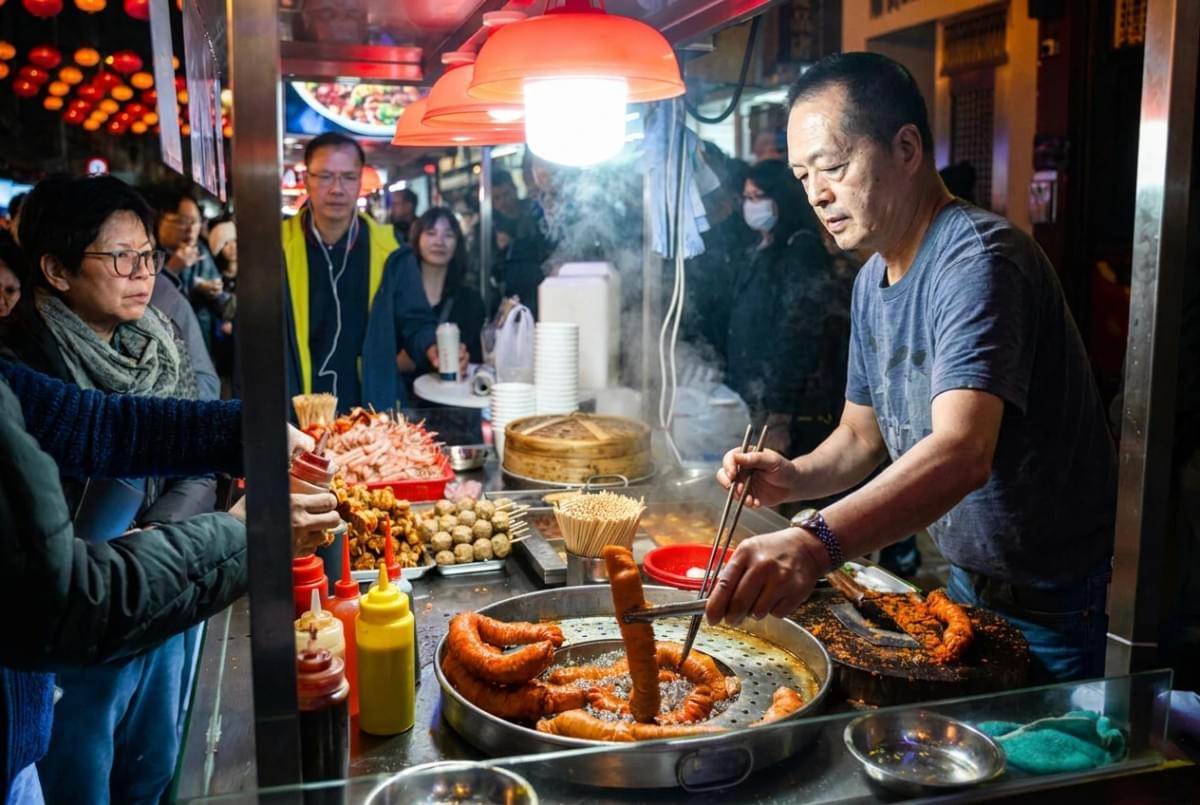
Some of what street food gives a city cannot be measured in economics at all.
Think of the specific textures of a place at a specific hour. The hiss of a griddle. The scrape of a spatula. The particular smell of a spice blend that belongs to one neighborhood and nowhere else. These sensory details become part of how a city feels to live in.
Timing matters too. There are foods that only appear in the morning, and foods that only make sense at midnight. A city's late-night culture is often built around its street food, the stands that stay open after everything else has closed, feeding shift workers, night owls, and anyone who is not ready for the day to end.
There are rituals in it as well. The market you visit on the same day each week. The vendor whose absence you notice. The order you have made so many times you no longer need to say it aloud. These small rhythms are how a place stops being a location and becomes home.
How to Eat Street Food Responsibly as a Visitor
If you are new to a city and want to eat well without leaving a bad footprint, a few habits help.
- Follow the locals. A stall with a steady line of regulars is usually a good sign, both of quality and of high turnover, which tends to mean fresher food.
- Watch how food is handled. Look for high heat, busy pans, and clean surfaces. Food cooked to order in front of you is often a safer bet than food sitting out.
- Pay the asked price without haggling hard. Margins are thin. Bargaining aggressively over a small sum rarely feels good on either side.
- Learn a few words. A greeting or a thank-you in the local language goes further than you might expect.
- Keep your camera in check. It is fine to take a photo, but ask when it feels right, and remember that you are in someone's workplace, not a set.
- Respect the space. Do not linger at a table long after eating when others are waiting, and leave your spot as you found it.
The goal is simple. Eat like a guest who hopes to be welcomed back, not a spectator passing through.
A Final Thought
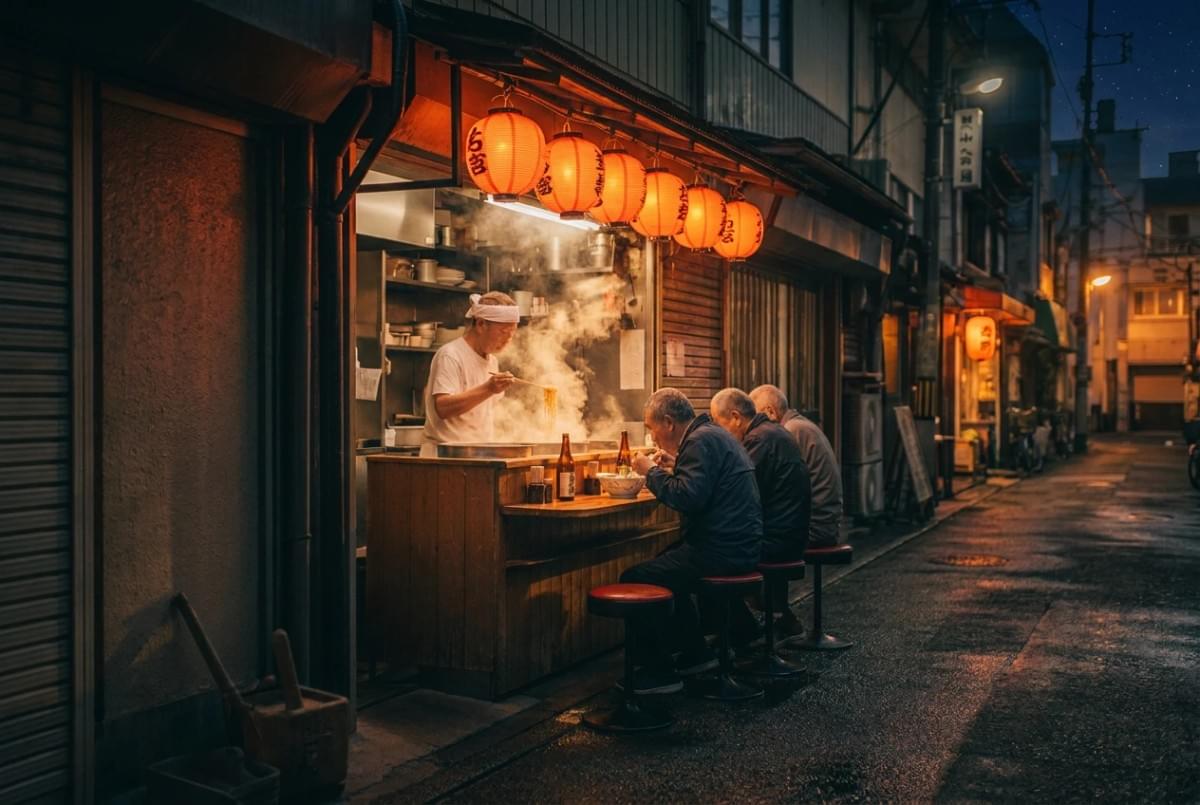
The next time you find yourself pulled toward a stall by a smell you cannot name, it is worth staying a moment longer than you planned. Notice who is cooking, who is eating, and what the food seems to be holding together on that particular corner.
Street food endures not because it is trendy, but because it is useful in the deepest sense. It feeds people, employs people, and gathers people. It keeps old recipes moving through new hands. In a city that is always changing, it is one of the steadier things, a quiet reminder that the most important parts of urban life are often the ones we walk past every day.
