

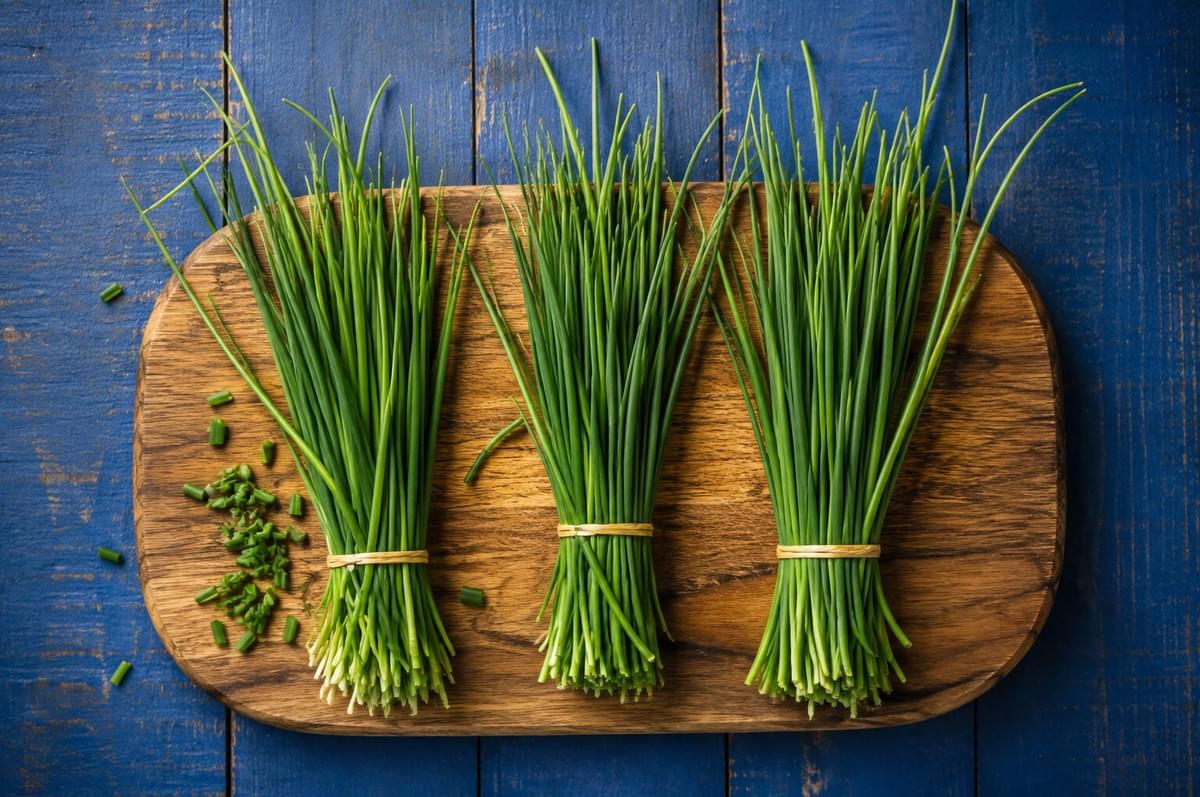
The first chives I ever snipped came from a chipped pot on my grandmother's windowsill.
She kept them near the sink, where the morning light hit them. When she wanted to finish a soup or a plate of eggs, she would lean over, pinch a few, and cut them right into the bowl with her kitchen scissors. No cutting board. No fuss. Just a little green rain, and suddenly the food tasted like spring.
That is the thing about chives. They do not ask for much. But they give back more than you expect.
Let me show you how to use them, and share one of my favorite spring dishes along the way.
What Are Chives, Anyway?
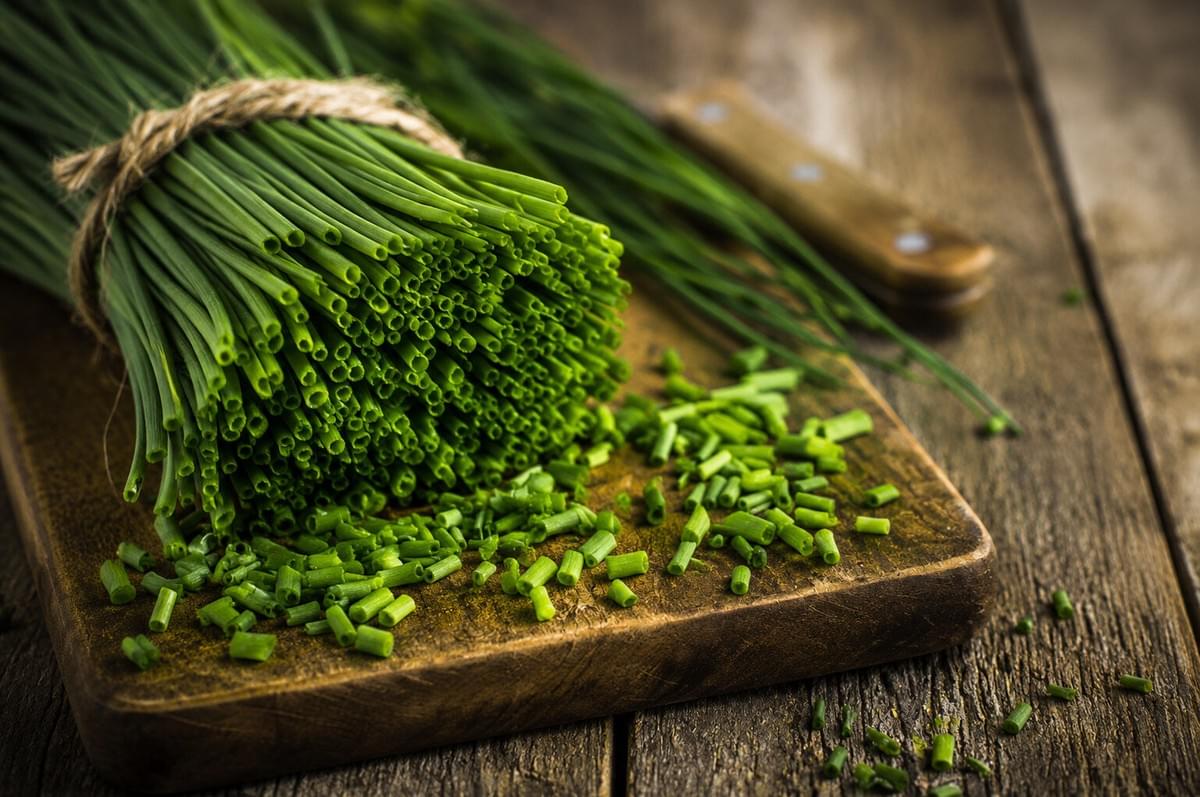
Chives are a slender green herb, part of the onion family, with a mild, grassy, gently oniony flavor. Think of the softest whisper of onion, without the sharp bite. Fresh and green, never harsh.
People often confuse them with green onions (also called scallions). Here is the easy way to tell them apart. Green onions are thicker, hollow, and have a distinct white bulb at the base. They taste stronger and can stand up to cooking. Chives are thin, delicate, and grass-like, with no bulb. They are best raw or added at the very end.
Because of that gentleness, chives work best as a finishing touch. A sprinkle over eggs, a scatter across potatoes, a handful stirred into a bright pasta. They wake a dish up without taking it over.
Buying and Storing Fresh Chives
Good chives look alive. That sounds obvious, but it matters.
Look for bunches that are firm, deep green, and standing up straight. Skip any that are yellowing, slimy, or wilted at the tips. A fresh bunch should smell faintly of onion when you hold it close.
To store them, treat them like little cut flowers. Trim the ends, stand them upright in a glass with an inch of water, and cover loosely with a bag in the fridge. They will stay perky for a week or so this way.
If you would rather lay them flat, wrap them in a slightly damp paper towel and tuck them into a container. Just do not drown them. Wet chives turn to mush fast.
Tiny tip: Wash chives only right before you use them. Extra moisture is their enemy, and washed-then-stored chives go slimy in a hurry.
How to Prep Chives Without Crushing Them
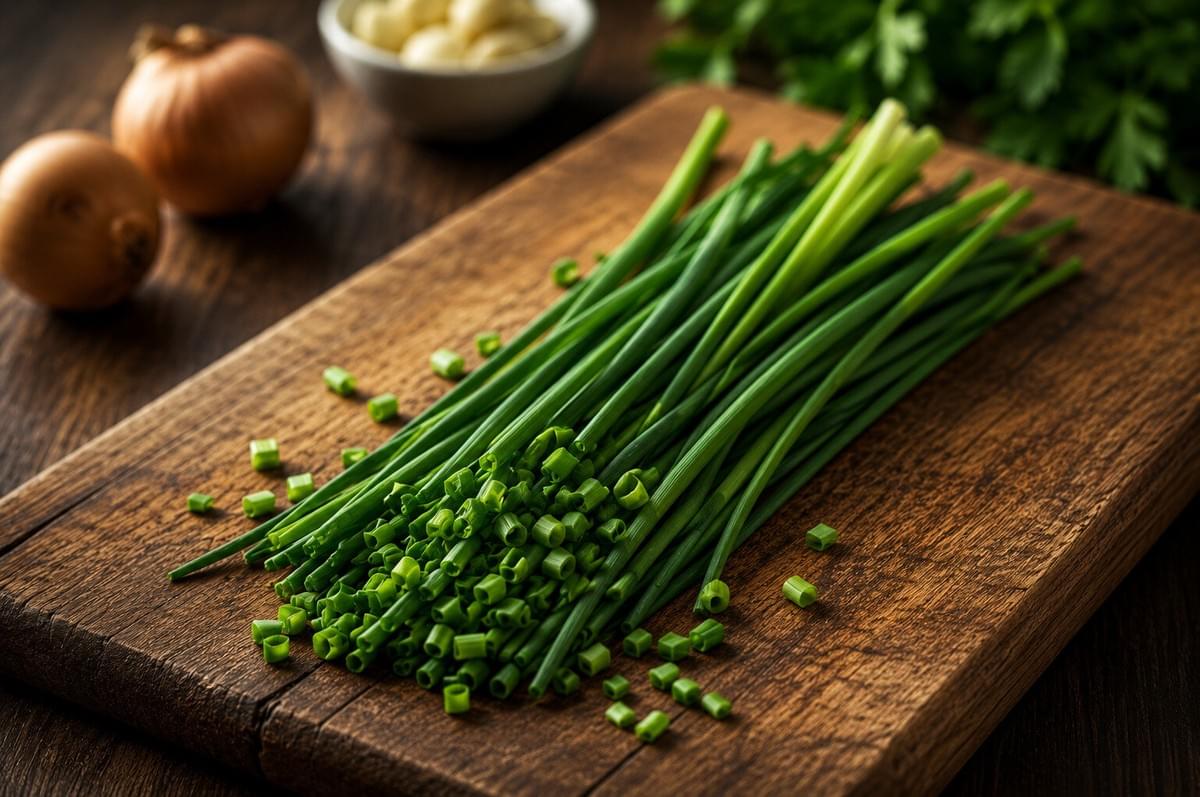
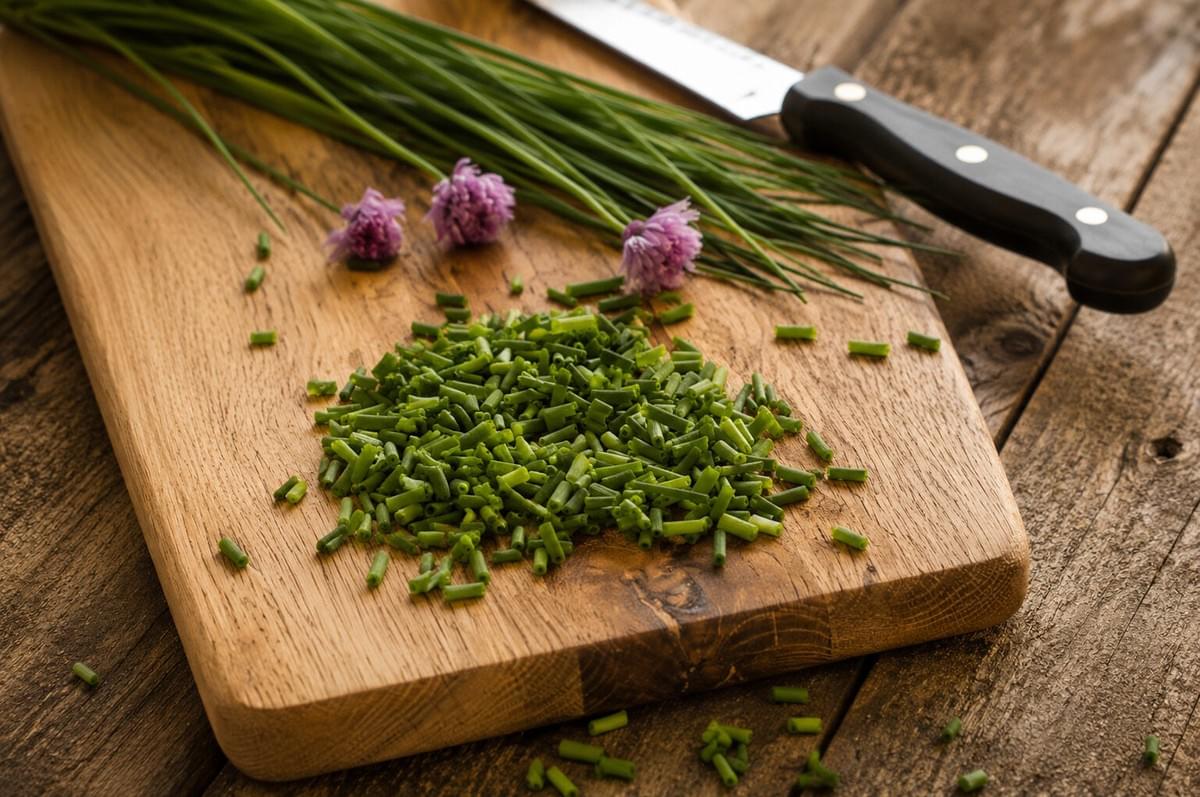
Chives bruise easily, and a dull knife will smash them instead of cutting them. Smashed chives leak their juice, brown at the edges, and lose that fresh snap.
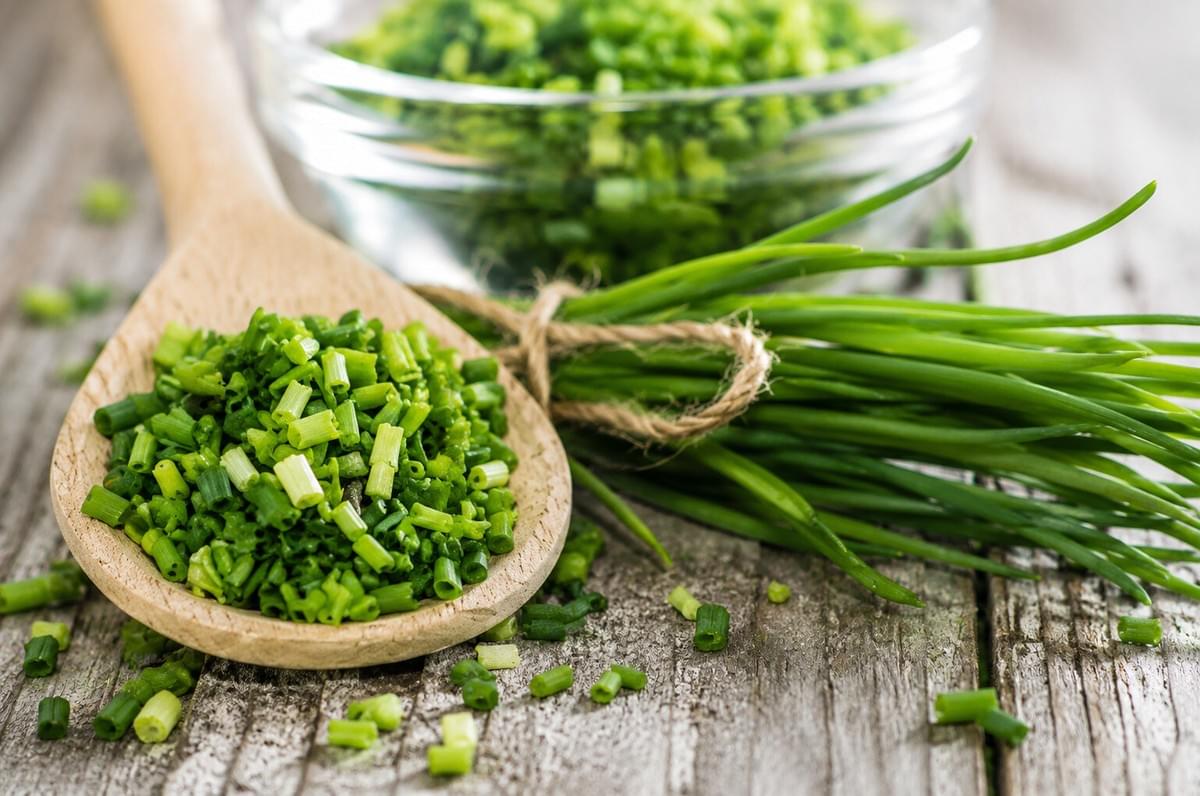
The gentlest method is snipping. Gather a small bundle, hold them over your bowl, and use sharp kitchen scissors to cut them into little rings. This is fast, clean, and how my grandmother did it.
If you prefer a knife, use a sharp one and a light touch. Line up the chives, then slice straight down in one confident motion. Do not saw back and forth. That drags and bruises.
As for timing, always add chives at the end. Heat wilts them and dulls their flavor within seconds. Stir them in just before serving, or scatter them on top at the table.
Featured Recipe: Lemon Chive Spring Pea Pasta
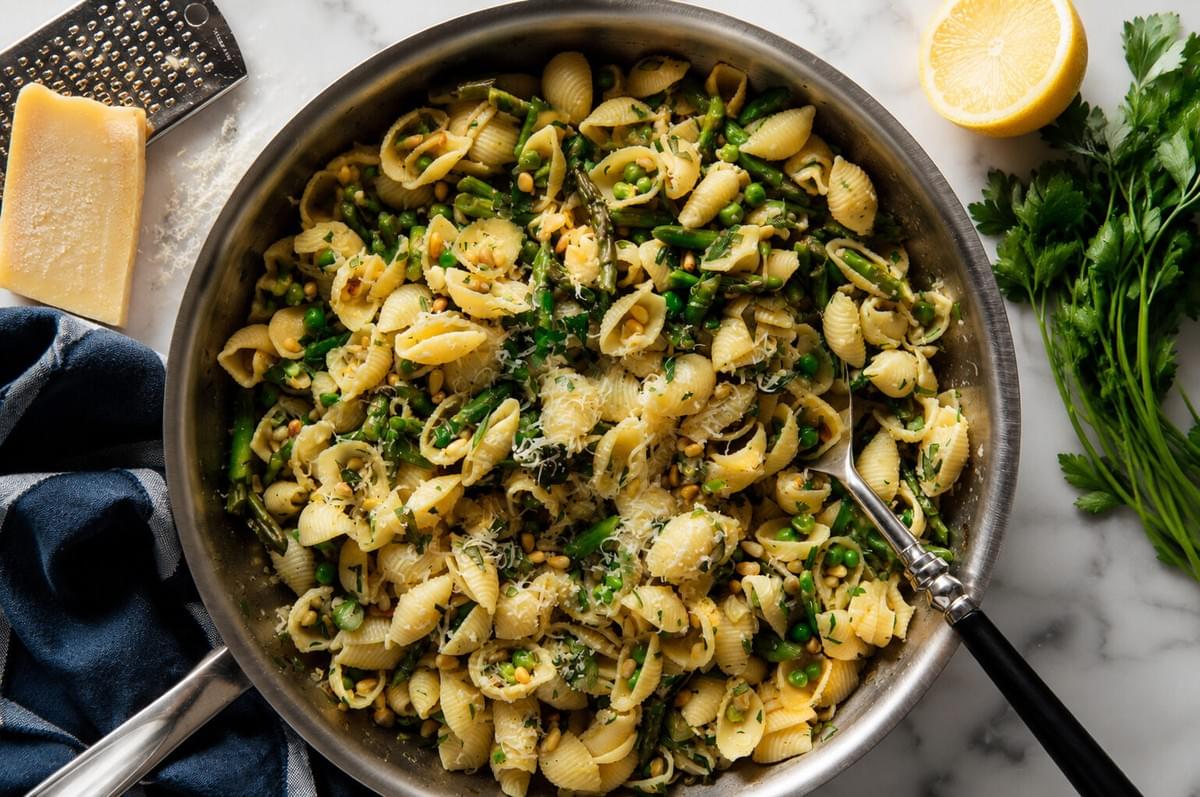
This is the dish I make when the weather finally turns. It is light, lemony, and green, with sweet peas and a soft chive finish. It comes together in about the time it takes to boil the pasta, which makes it a good friend on a busy weeknight.
- Prep time: 10 minutes
- Cook time: 15 minutes
- Total time: 25 minutes
- Servings: 4
Ingredients
- 12 oz (340 g) pasta (spaghetti, linguine, or short shapes all work)
- 1 1/2 cups (about 200 g) fresh or frozen peas
- 2 tablespoons olive oil
- 2 tablespoons butter
- 3 cloves garlic, thinly sliced
- Zest of 1 lemon, plus 2 tablespoons lemon juice
- 1/2 cup (50 g) grated parmesan, plus more to serve
- 1/3 cup fresh chives, snipped
- Salt and black pepper, to taste
- 1/2 cup reserved pasta water
Instructions
- Boil the pasta. Bring a large pot of salted water to a boil. Cook the pasta until just shy of tender (a minute less than the package says). Before draining, scoop out about half a cup of the pasta water and set it aside.
- Add the peas. In the last 2 minutes of cooking, toss the peas right into the pasta pot. They only need a quick warm-through. Then drain everything together.
- Start the sauce. While the pasta cooks, warm the olive oil and butter in a large pan over medium heat. Add the sliced garlic and cook gently for about a minute, just until fragrant. Do not let it brown.
- Bring it together. Add the drained pasta and peas to the pan. Pour in the lemon juice and a splash of the reserved pasta water. Toss well.
- Make it silky. Stir in the parmesan and lemon zest, adding a little more pasta water as needed until the sauce turns glossy and coats the noodles. Season with salt and plenty of black pepper.
- Finish with chives. Take the pan off the heat. Scatter the snipped chives over the top and give it one last gentle toss. Serve right away, with extra parmesan.
Tiny tip: That starchy pasta water is your secret sauce-maker. It helps everything cling together and turns oil and cheese into something creamy. Do not pour it all down the drain.
Optional Spring Add-Ins
- Thin asparagus, sliced and tossed in with the peas
- A spoonful of ricotta stirred through for creaminess
- Crumbled goat cheese for a tangy note
- A handful of toasted breadcrumbs on top for crunch
Storage and Reheating
Leftovers keep in an airtight container in the fridge for up to 3 days. Reheat gently in a pan with a splash of water to loosen the sauce. Skip the microwave if you can, since it can turn the peas rubbery. Add a few fresh chives after reheating to bring back the brightness.
More Ways to Use Chives This Spring
Once you have a bunch on hand, you will find uses everywhere. A few of my favorites:
- Snipped over scrambled eggs or an omelet
- Scattered on buttery boiled or roasted potatoes
- Folded into soft cheese or a homemade dip
- Sprinkled across a green salad for a mild onion lift
- Stirred into sour cream for baked potatoes
- Beaten into compound butter for bread or corn
- Tossed over a warm grain bowl
- Finishing a bowl of soup right before serving
- Mixed into potato or egg salad
- Showered over roasted spring vegetables
FAQs
Can I cook chives?
You can, but it is better not to. Heat wilts them and washes out their flavor. Add them at the very end, or use them raw.
Can I freeze chives?
Yes. Snip them into little rings and freeze them flat in a bag or in ice cube trays with a little water or oil. They lose their crisp texture but keep their flavor, which is fine for cooked dishes and soups.
What pairs well with chives?
Eggs, potatoes, soft cheeses, lemon, peas, and creamy sauces. Anything mild that welcomes a fresh, gentle onion note.
Can I use dried chives instead of fresh?
In a pinch, but they are a shadow of the real thing. Fresh chives bring the brightness that makes them worth using. If you only have dried, use less and add them earlier.
How are chives different from green onions?
Chives are thinner, milder, and best raw. Green onions are thicker, stronger, and can handle cooking. They are not quite interchangeable, though green onion tops make a decent stand-in for a finishing sprinkle.
Do I have to remove the flowers?
No. Chive blossoms are edible, pretty, and taste like a soft version of the herb. Pull them apart and scatter the little purple petals over salads or eggs.
One Last Snip
Chives will not change your life. But they might just change your dinner.
They are humble, quick, and quietly generous, the kind of herb that makes an ordinary plate feel like it belongs to spring. A few snips over eggs. A green scatter across warm pasta. A little pot on the windowsill, catching the morning light.
Grab a bunch this week and try the lemon chive spring pea pasta. When you do, come tell me how it went over at Our Food Rhythms. I would love to know what you sprinkled your chives on first.
