

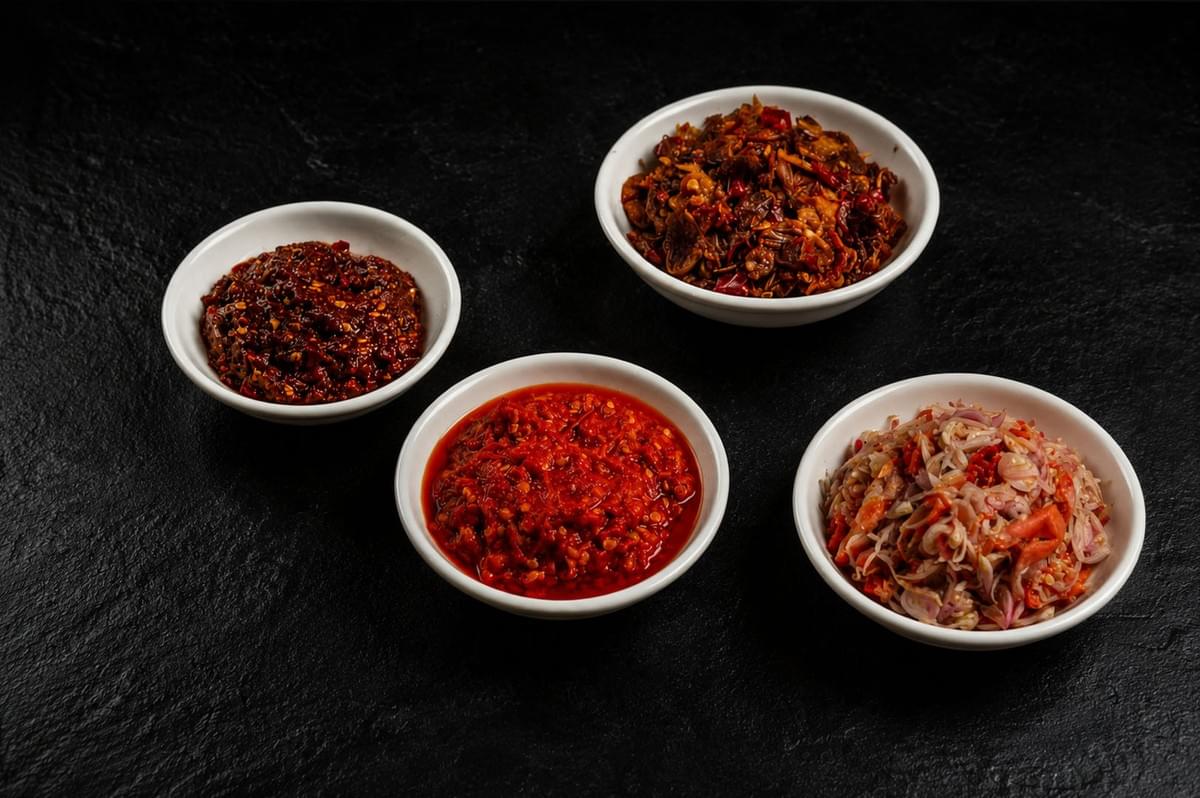
Listen closely in an Indonesian kitchen, and you will likely hear the steady, rhythmic strike of a stone pestle against a mortar. This is the heartbeat of the home, signaling the creation of something bright, fiery, and deeply comforting. Indonesian sambal is far more than a simple hot sauce. It is a living, breathing culinary tradition with a hundred different faces, shaped by local harvests, family preferences, and the changing seasons.
Every island, every city, and often every household possesses its own beloved version. Some are served raw and intensely citrusy, while others are cooked down into a rich, dark, caramelized paste. Exploring the world of sambal is an invitation to understand the incredible diversity of the Indonesian archipelago through the lens of flavor, heat, and texture.
What is Sambal?
To define sambal simply as a chili paste is to miss the entire point of the dish. It is better understood as a deeply savory, often spicy relish or side dish that acts as the unifying thread of a meal. While chili peppers are the undeniable star of the show, they are supported by a complex chorus of aromatics, umami-rich ingredients, and bright acids.
There is no single, definitive Indonesian sambal. Instead, it is a broad category of condiments that bring balance to a plate. If a dish is rich and heavy with coconut milk, a sharp, raw sambal cuts through the fat. If a dish is simple and mild, a deeply savory, cooked sambal provides depth and excitement. It is the great equalizer of the dining table.
The Core Building Blocks
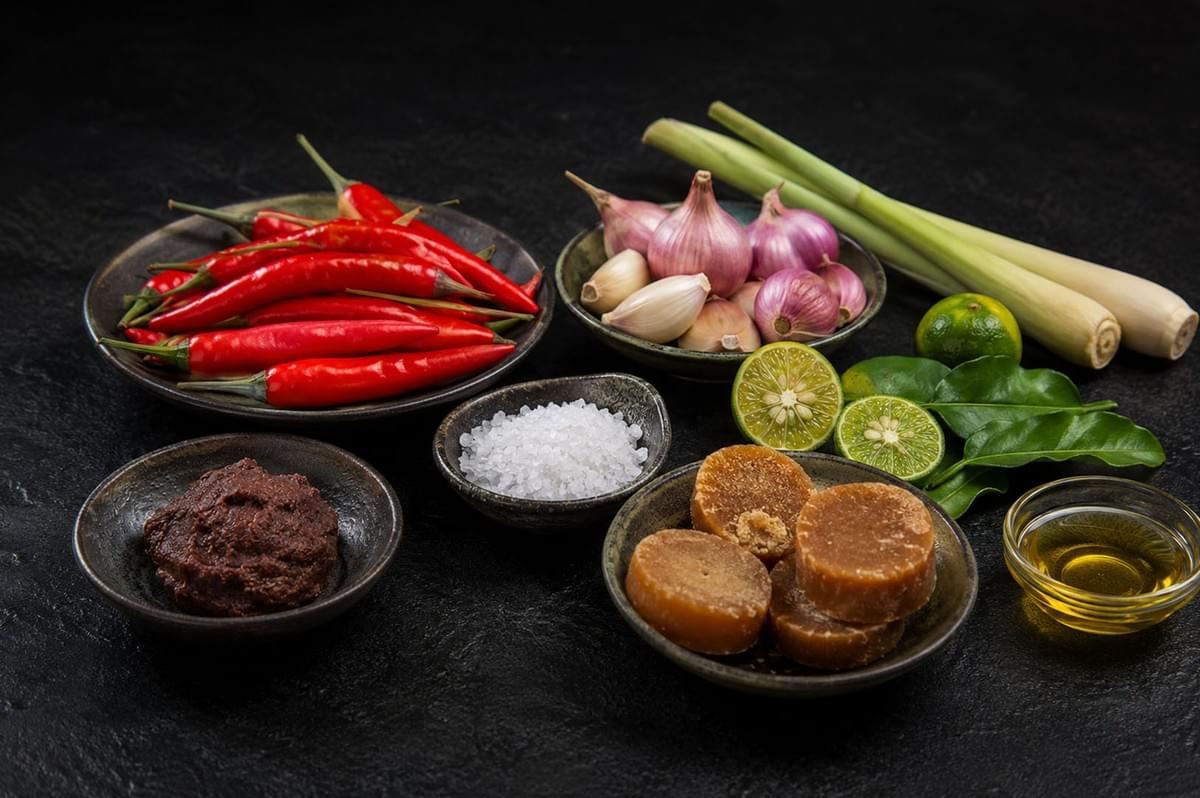
Understanding the different types of sambal begins with mastering the foundational ingredients. The beauty of this condiment lies in the balance of the following elements.
The Chilies
Chilies provide the heat, the color, and the fruity backbone. Small, fiery bird's eye chilies (cabai rawit) deliver a piercing heat, while larger, milder red chilies (cabai merah) provide volume, sweetness, and a brilliant crimson hue. A classic sambal recipe often uses a blend of both to achieve a manageable, well-rounded spice level.
The Aromatics
Shallots and garlic are the quiet workhorses of the paste. Asian shallots are preferred for their sharp, sweet pungency, adding a layer of savory depth that chilies alone cannot provide. Lemongrass, makrut lime leaves, and ginger frequently make appearances, lending floral and earthy notes to specific regional variations.
Acidity and Brightness
Heat requires a counterweight. Acid lifts the heavy flavors and awakens the palate. Calamansi (a small, tart citrus fruit), makrut lime juice, or regular lime juice are commonly used. In some cooked variations, tamarind paste provides a deeper, fruitier, and more mellow tartness.
Sweetness
Palm sugar (gula jawa) is an essential ingredient in many cooked sambals. It is not used to create a sugary dessert sauce. Instead, a small pinch tempers the harsh edges of the chilies and helps caramelize the aromatics during the cooking process.
Salt and Umami
While sea salt is always present, the true soul of traditional Indonesian sambal often comes from terasi. Terasi is a fermented shrimp paste that smells intensely pungent when raw but transforms into a deeply savory, toasted umami bomb when roasted or fried. It is the secret ingredient that gives the paste its irresistible, savory depth.
Fats and Oils
Oils carry flavor compounds across the palate. Coconut oil or palm oil is frequently used to fry the aromatics, turning a raw, sharp mixture into a rich, cohesive, and deeply flavorful relish.
Techniques for the Perfect Paste
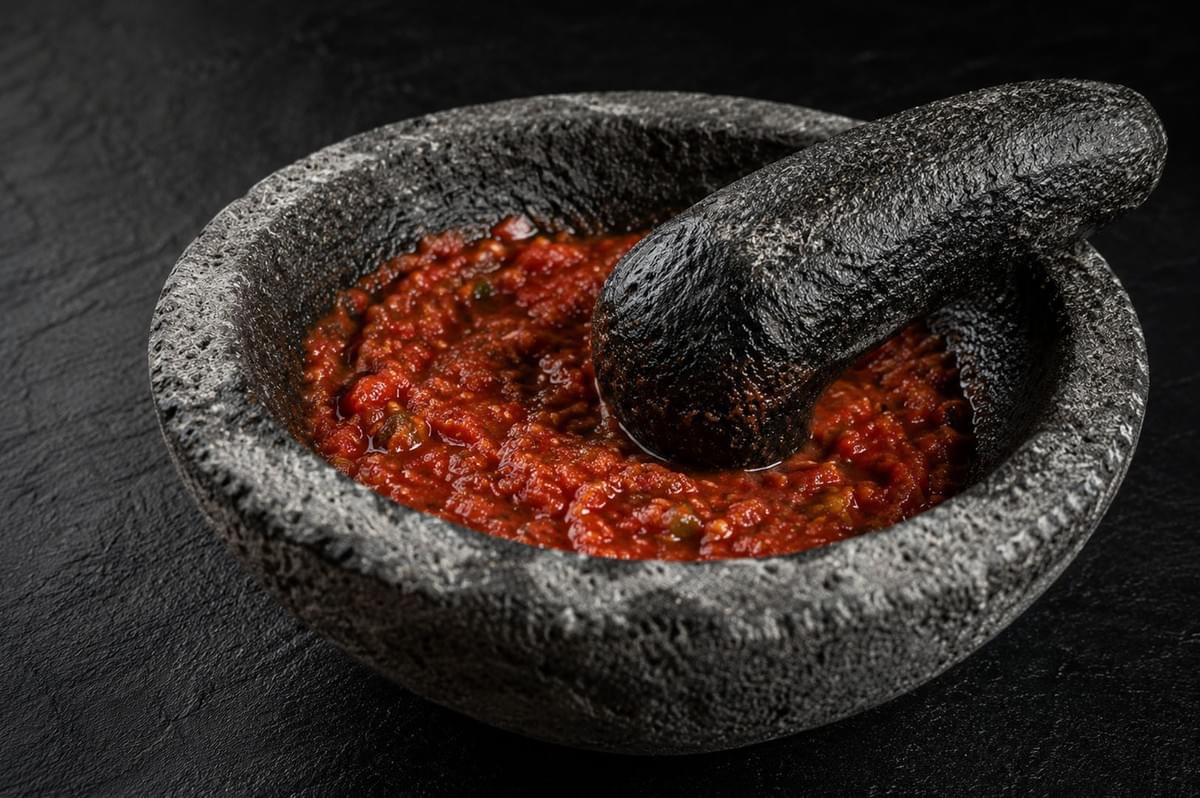
The way you process and cook your ingredients matters just as much as the ingredients themselves. The methods used will dramatically alter the final texture and flavor of your sambal variations.
Raw vs. Cooked
Sambal generally falls into two distinct categories. Raw versions (sambal mentah) are bright, sharp, and highly aromatic, designed to be eaten immediately. Cooked versions (sambal masak) involve frying the ground ingredients in oil until they deepen in color and the raw flavor of the shallots mellows into a sweet, savory jam.
The Mortar and Pestle vs. The Blender
A traditional stone mortar and pestle (called a cobek and ulekan) is the preferred tool. Grinding the ingredients crushes the cellular walls of the chilies and aromatics, releasing their essential oils and creating a cohesive, rustic texture. A food processor or blender chops the ingredients rather than crushing them, which can result in a watery, disconnected paste. If you must use a blender, pulse the ingredients briefly to retain some texture.
Frying the Aromatics
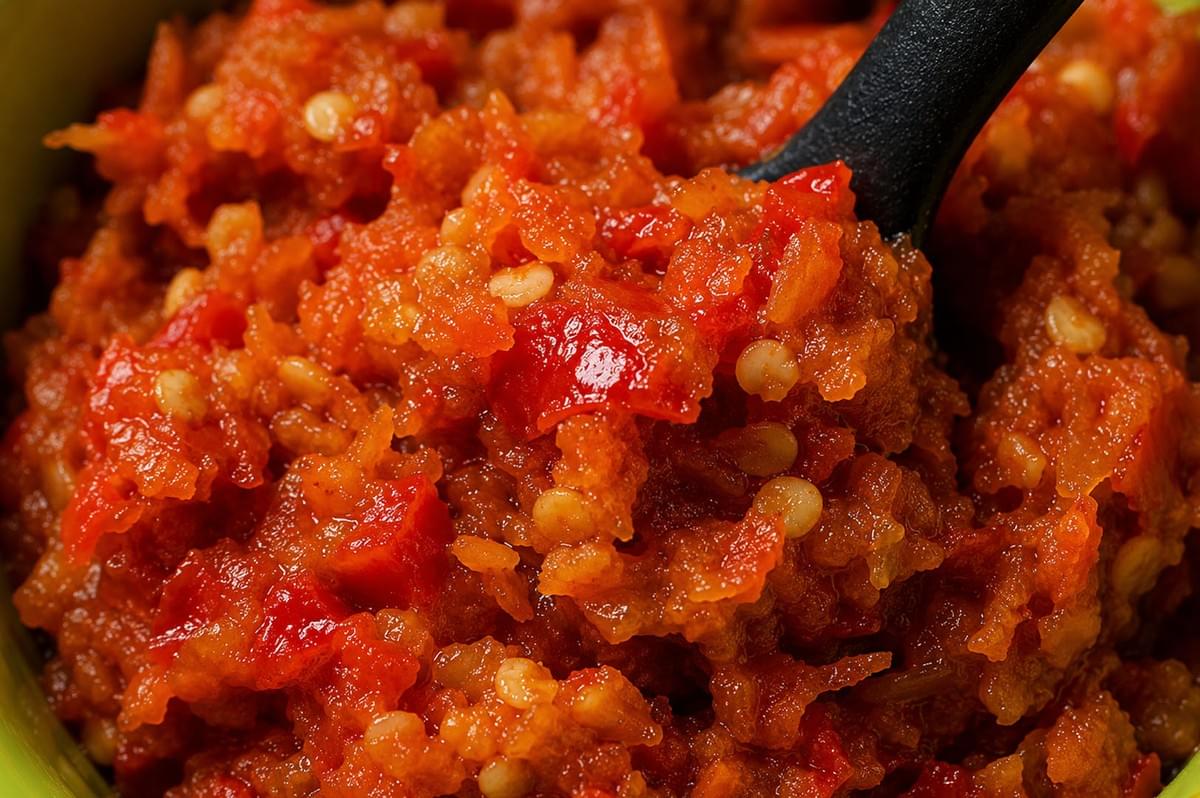
When making a cooked sambal, patience is required. You must fry the ground paste in oil over medium-low heat until the oil separates from the solids and floats to the top. This visual cue indicates that the moisture has evaporated and the flavors are fully concentrated.
Balancing the Heat
The heat level should be an invitation, not a punishment. To tame the fire, you can remove the seeds and white membranes from your larger chilies before grinding. Alternatively, increasing the ratio of shallots and tomatoes to chilies will naturally dilute the spice level while maintaining a wonderful flavor.
Regional and Style Variation
With thousands of islands comprising Indonesia, the regional differences in this condiment are staggering. Here are just a few beautiful examples of how the basic formula adapts to its surroundings.
- Sambal Terasi: Perhaps the most ubiquitous variation found across Java. It relies heavily on toasted shrimp paste, tomatoes, and chilies, usually ground together and fried into a rich, savory accompaniment.
- Sambal Matah: A famous raw relish from Bali. Instead of being ground into a paste, shallots, lemongrass, and chilies are finely sliced, seasoned with shrimp paste and lime juice, and then bathed in a spoonful of hot coconut oil. It is incredibly fragrant and refreshing.
- Sambal Oelek: The most basic and globally recognized form. "Oelek" simply refers to the grinding action. It is often just raw chilies, salt, and a splash of vinegar or lime juice, serving as a pure, bright chili base.
- Sambal Bajak: A darker, sweeter, and richer style from Central Java. It is cooked slowly with palm sugar, tamarind, and aromatic leaves, resulting in a complex, caramelized flavor profile with a very mild heat.
- Sambal Dabu-Dabu: Another raw, sliced variation originating from Manado in North Sulawesi. It features green tomatoes, red chilies, shallots, and calamansi juice, offering a tart, salsa-like freshness.
A Practical Sambal Formula
While exploring specific regional recipes is highly encouraged, having a basic, adaptable framework will help you build confidence in the kitchen. This formula creates a classic, cooked tomato and chili relish.
The Adaptable Ratio:
- 1 cup large red chilies (roughly chopped)
- 3 to 5 small bird's eye chilies (adjust for your preferred heat)
- 1/2 cup shallots (roughly chopped)
- 3 cloves garlic
- 1 large ripe tomato (roughly chopped)
- 1 teaspoon toasted shrimp paste (terasi)
- 1 teaspoon palm sugar (or brown sugar)
- 1/2 teaspoon sea salt
- 1 tablespoon fresh lime juice
- 1/4 cup neutral cooking oil or coconut oil
The Step-by-Step Method:
- Place the large chilies, small chilies, shallots, garlic, tomato, and shrimp paste into a stone mortar or a food processor.
- Grind or pulse the ingredients until they form a coarse, rustic paste. Do not blend it into a watery smoothie.
- Heat the oil in a skillet over medium heat.
- Carefully add the ground paste to the hot oil. Stir continuously to prevent the bottom from scorching.
- Cook the mixture for 10 to 15 minutes. Watch for the color to change from bright red to a deeper, darker brick color.
- Once the oil separates and pools slightly around the edges of the paste, add the palm sugar and salt. Stir for one more minute.
- Remove the skillet from the heat. Let the mixture cool slightly, then stir in the fresh lime juice. Taste carefully and adjust the salt or sugar if necessary.
A Staple on Any Indonesian Table
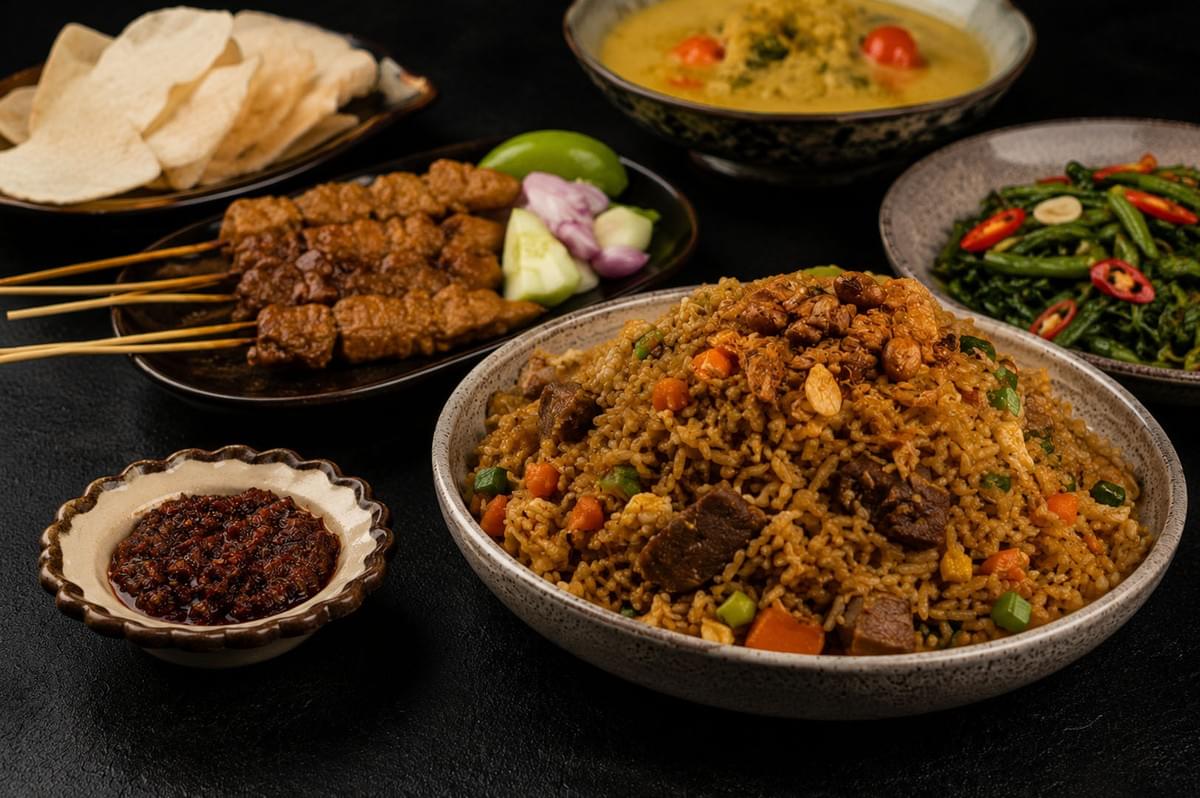
Whether you prefer it fiery hot or sweet and tangy, sambal is more than just a condiment; it's an essential part of Indonesian cuisine. Now that you know the basics, it's time to start experimenting with your own creations and discover the perfect blend of flavors for your palate.
While Sambal usually takes time to prepare, and the way and process of it should not be rushed. With that, hop in and visit Ourfoodrhythms.com for an unrushed experience
